
Politics
Kharge, Nadda trade barbs in Rajya Sabha over police action
Mallikarjun Kharge and JP Nadda traded barbs in the Rajya Sabha on Wednesday over police action against protesters.

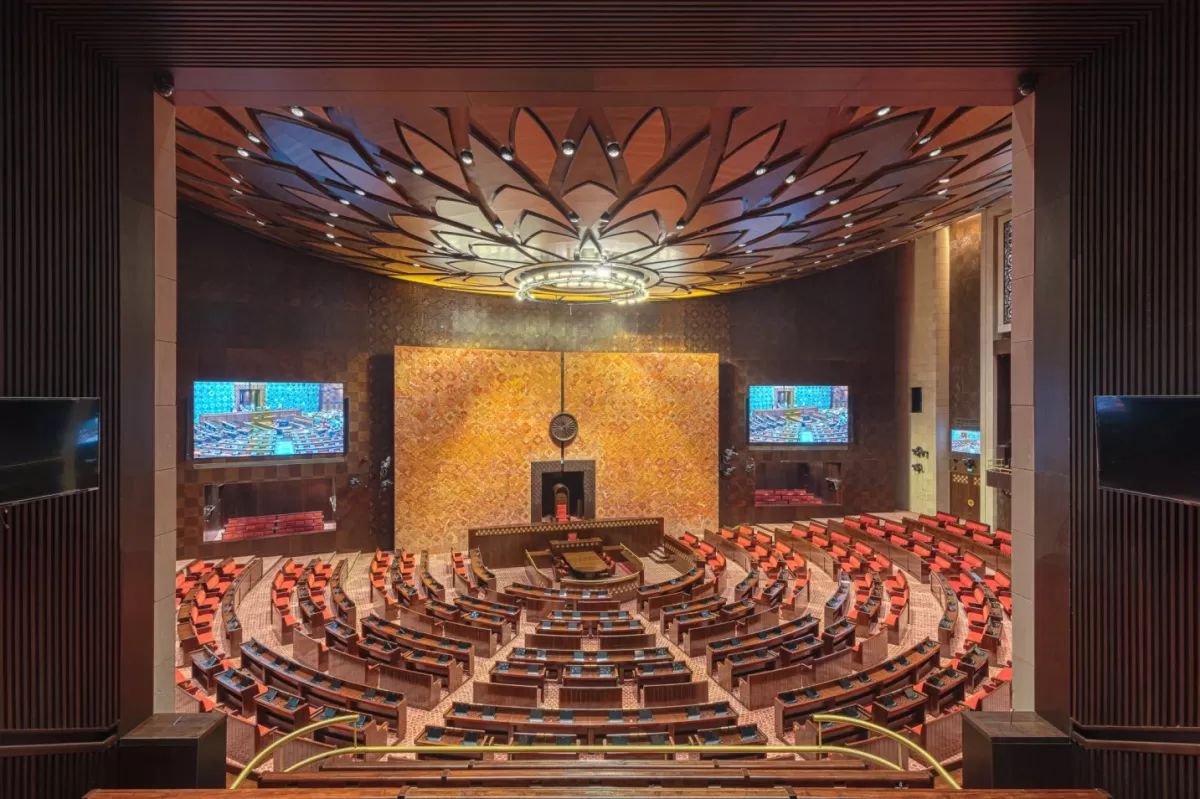
Congress president Mallikarjun Kharge and BJP leader JP Nadda traded barbs in the Rajya Sabha on Wednesday over police action against student protesters.
Kharge pointed to an attempt by a Delhi Police team to detain SFI leader Aishe Ghosh from the CPM’s AKG Bhavan office on Tuesday, calling it “very shameful” that police would “barge into a national party office and try to arrest.”
“I request you, people who have gone there unauthorised, they should be punished,” Kharge told the House, adding, “Democracy is not safe, people are not safe.”
Nadda, in his capacity as Leader of the House, defended the police action, calling it “a very normal law and order situation that we have to understand,” and insisting police had “acted according to the law and order situation.”
He added that “any student who is into activism will have to face such a situation,” citing his own arrest as a student activist during the Emergency.
The exchange follows the July 20 ‘Sansad Chalo’ march, when protesters affiliated with the Cockroach Janta Party marched from Jantar Mantar towards Parliament over alleged exam paper leaks.
The march turned confrontational after security personnel tried to stop it, with reports of lathi-charge and tear gas shelling during the clashes.
The protests eventually led to the resignation of Union Education Minister Dharmendra Pradhan on July 25, following weeks of demonstrations over exam-related concerns.
The exchange in the Rajya Sabha came as the Lok Sabha continued to debate the Public Examinations (Prevention of Unfair Means) Amendment Bill, intended to strengthen action against paper leak rackets.
The Public Examinations (Prevention of Unfair Means) Amendment Bill, which proposes stricter penalties including imprisonment of up to 10 years and fines of up to Rs 50 lakh for organised paper leak rackets, has been under discussion in the Lok Sabha through the week.
(Image: Ministry of Parliamentary Affairs, Government of India (GODL-India), via Press Information Bureau)

Politics
Cabinet clears four rail projects worth Rs 9,450 crore adding 410 km of track
The Union Cabinet has approved four railway multitracking projects worth Rs 9,450 crore, adding around 410 km of new track across West Bengal, Odisha, Tamil Nadu and Andhra Pradesh.
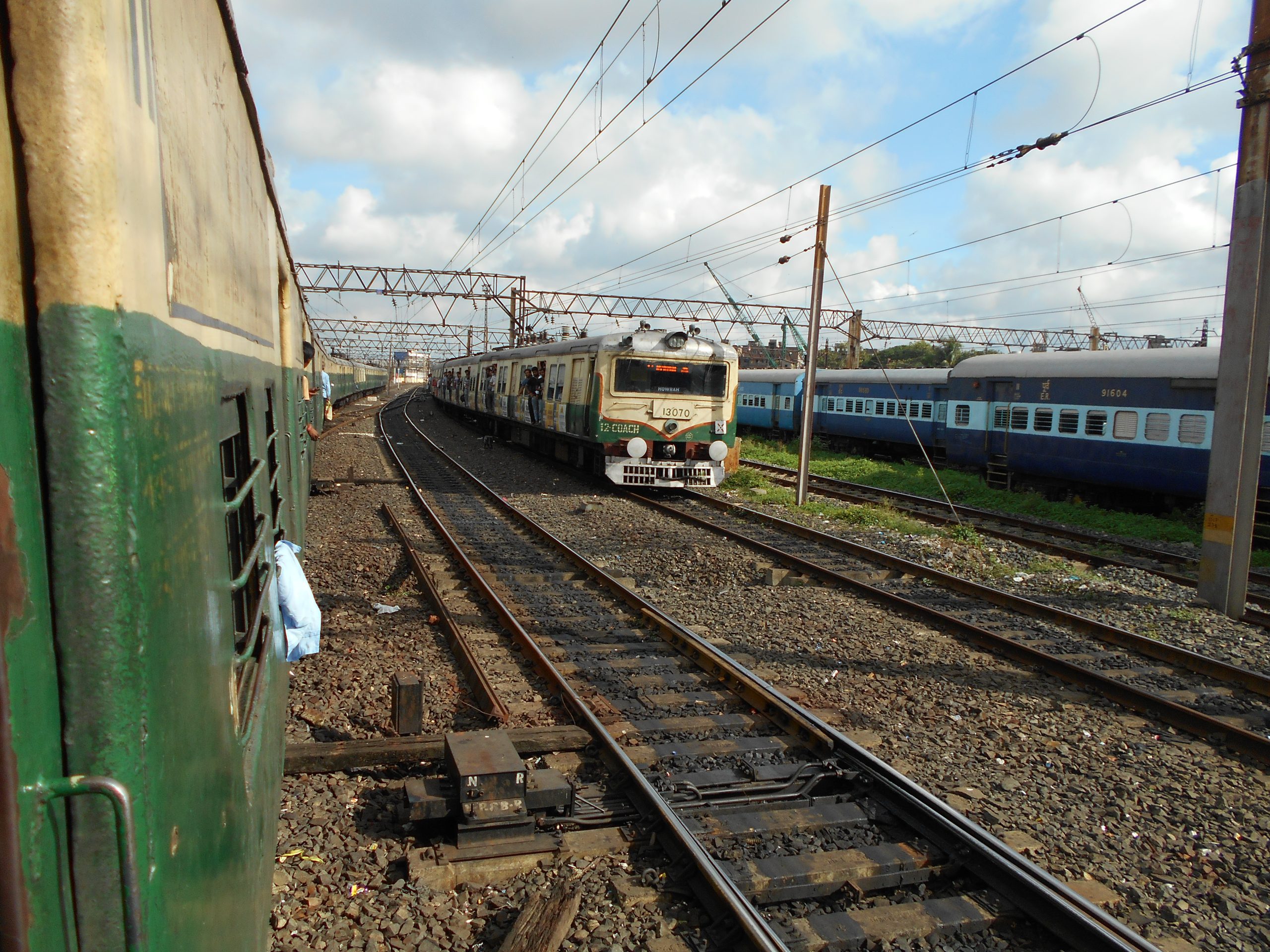
The Cabinet Committee on Economic Affairs has approved four railway multitracking projects worth around Rs 9,450 crore, adding approximately 410 km of new track across four states.
The projects cover eight districts spread across West Bengal, Odisha, Tamil Nadu and Andhra Pradesh, and are targeted for completion between 2030 and 2031.
The largest of the four is a 173-km fourth line between Kharagpur and Bhadrak via Ranital, passing through West Bengal and Odisha to add capacity to a heavily used eastern railway corridor.
A separate 75-km fourth line has been approved between Bhadrak and Haridaspur in Odisha, aimed at easing congestion on another busy section of the state’s railway network.
A third project covers a 90-km stretch between Gummidipundi and Gudur across parts of Andhra Pradesh and Tamil Nadu, while the fourth adds a third and fourth line across 72 km between Cuttack and Paradeep in Odisha.
The government said the combined multitracking projects are expected to improve connectivity to around 6,448 villages with a combined population of roughly 60 lakh people.
Officials said the additional track capacity would help ease congestion on some of the country’s busiest passenger and freight corridors, reducing delays for both categories of traffic.
The projects form part of a broader push by the Railways Ministry to expand multitracking across high-density corridors, a strategy officials say delivers faster capacity gains than building entirely new lines.
The Cabinet has approved several similar multitracking packages in recent months, including an earlier Rs 18,658 crore package covering Maharashtra, Odisha and Chhattisgarh, and a separate Rs 11,169 crore package spanning six states.
Multitracking projects generally take less time to complete than new greenfield railway lines, since they largely follow existing alignments and require comparatively less land acquisition.
The eastern and southern rail corridors covered by the latest approval handle a mix of passenger and freight traffic, including coal and mineral movement from the Odisha coalfields toward port and industrial destinations.
Photo by Indrajit Das, Wikimedia Commons, CC BY-SA 3.0
Politics
Cabinet approves Bharat Maritime Insurance Pool with Rs 12,980 crore guarantee
The Union Cabinet has approved the Bharat Maritime Insurance Pool, backed by a Rs 12,980 crore sovereign guarantee, to secure continuous and affordable maritime insurance coverage for Indian trade.
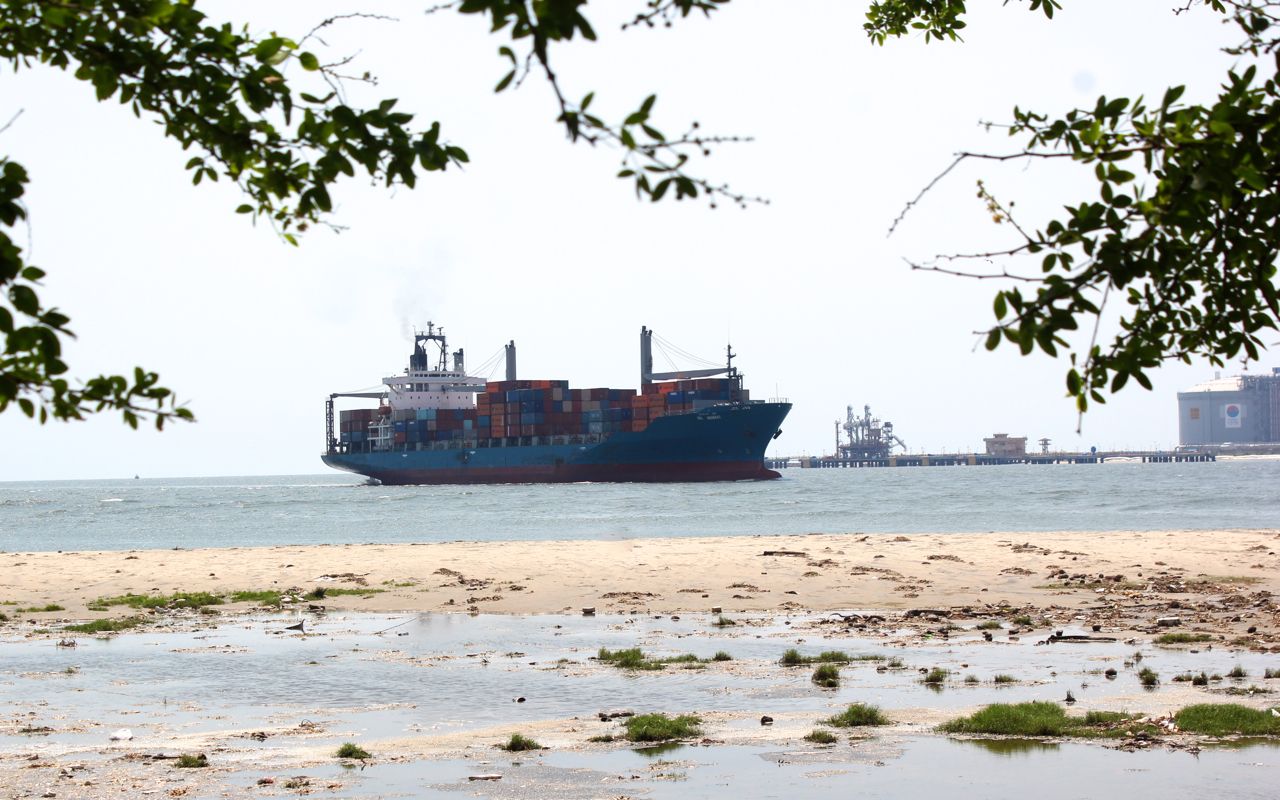
The Union Cabinet, chaired by Prime Minister Narendra Modi, has approved the creation of the Bharat Maritime Insurance Pool with a sovereign guarantee of Rs 12,980 crore.
The pool is designed to ensure continuous and affordable maritime insurance coverage for Indian trade, covering risks including hull and machinery, cargo, protection and indemnity, and war risk.
Policies under the pool will be issued by member insurers using the pool’s combined underwriting capacity, estimated at around Rs 950 crore.
Coverage will extend to Indian-flagged vessels, Indian-controlled ships, and all vessels with either an origin or destination in India, including those transiting volatile maritime corridors.
The government said the initiative aims to reduce Indian trade’s dependence on international insurance clubs amid global volatility and geopolitical instability affecting maritime routes.
The sovereign guarantee has been structured for an initial ten-year period, with a provision for a five-year extension, according to the Cabinet’s approval.
Officials said the pool would give Indian shipowners and traders more predictable access to insurance even when transiting through regions affected by conflict or heightened security risk, where global insurers have periodically withdrawn or restricted coverage.
The scheme is expected to particularly benefit smaller Indian shipping companies that have historically found it harder to secure competitively priced cover from the international marine insurance market.
In a separate decision on the same day, the Cabinet also approved the establishment of a bench of the High Court of Jammu and Kashmir and Ladakh in the Union Territory of Ladakh, aimed at improving access to justice for residents of remote areas.
Industry bodies representing India’s shipping and logistics sector have broadly welcomed the maritime insurance pool, saying it addresses a long-standing gap in affordable coverage that has periodically disrupted trade flows during periods of heightened global tension.
The finance ministry said the pool would be reviewed periodically to ensure its underwriting capacity keeps pace with growth in Indian-flagged shipping tonnage and overall trade volumes moving through Indian ports.
Photo by Kandukuru Nagarjun, Wikimedia Commons, CC BY 2.0
Politics
PM Modi announces nuclear, chip manufacturing push on Independence Day
PM Modi outlined plans for 100 GW nuclear capacity by 2047 and new semiconductor plants in his Independence Day address from Red Fort.
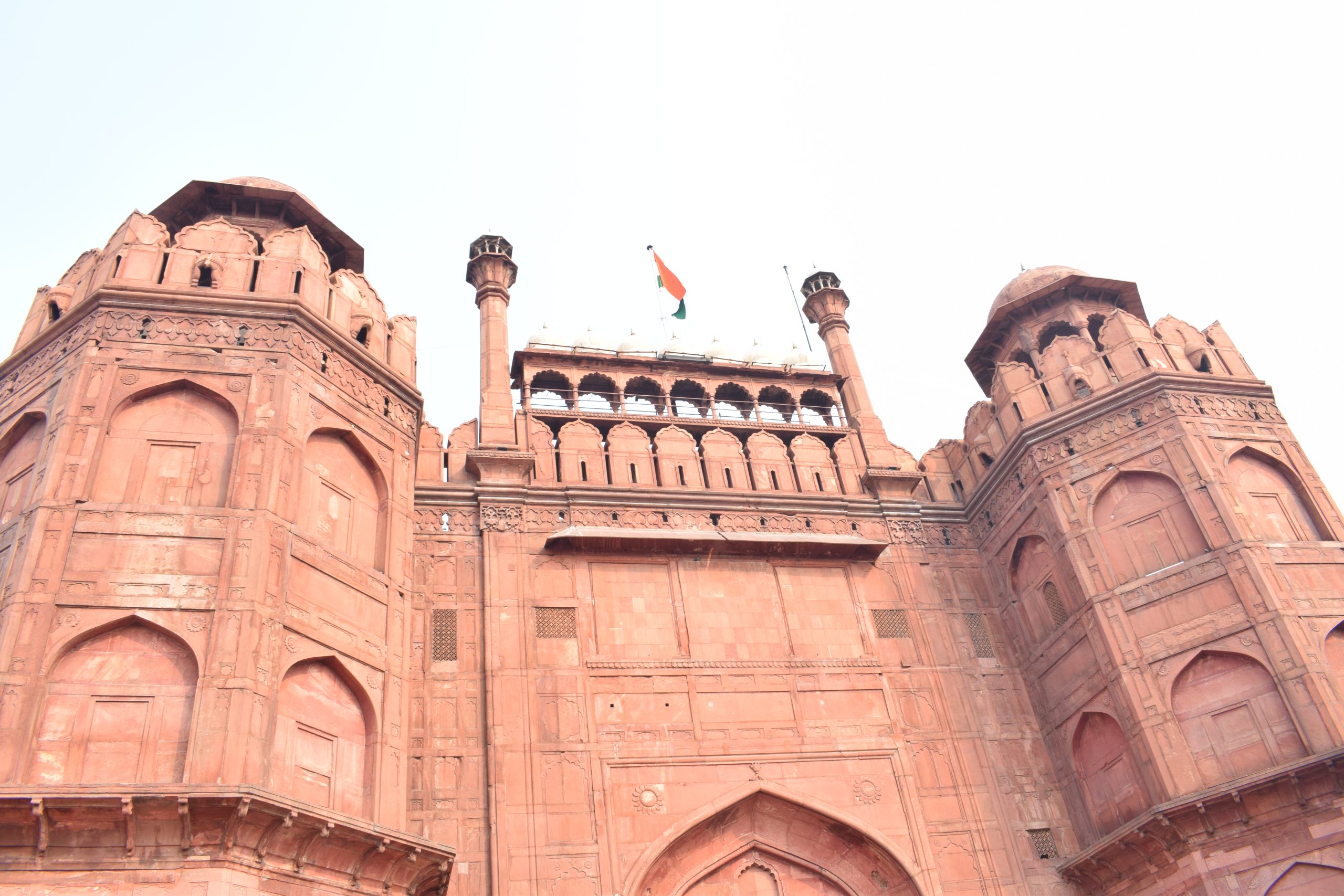
Prime Minister Narendra Modi hoisted the national flag at Red Fort on Saturday as India marked its 80th Independence Day, addressing the nation around 7:39 am.
Modi reaffirmed the government’s target of 100 gigawatts of nuclear power capacity by 2047, saying five new reactors are expected to become operational within six to seven years.
He said seven to eight new semiconductor manufacturing plants should be operational within one to two years, as part of efforts to strengthen domestic chip production.
The prime minister also announced AI-driven skill training for one crore young people over the next year, free online coaching for competitive exams, and a nationwide sports talent search for children aged five to 15.
Modi said previously restricted maritime zones would be opened for mineral and crude oil exploration, part of a wider energy security push tied to the ‘Viksit Bharat’ goal for 2047.
He said the youth have a major role in that journey, framing the announcements around Viksit Bharat and Atmanirbhar Bharat, or self-reliant India.
Celebrations were held across the country to mark the occasion, with flag-hoisting ceremonies and cultural programmes organised at state capitals, schools and government offices nationwide.
Modi opened his address by expressing solidarity with families affected by floods, landslides and other natural calamities across the country in recent weeks.
The prime minister also warned against what he described as ‘dimaagi Naxals,’ or intellectual Naxalism, calling for such elements to be identified and isolated to keep the country’s development on track.
Around five thousand special guests were invited to witness the celebrations at Red Fort, including artisans under the PM Vishwakarma scheme, women entrepreneurs under the PM Mudra Yojana, street vendors under PM SVANidhi, and taxi drivers of Bharat Taxi.
This year’s address marked Modi’s 13th consecutive Independence Day speech from the ramparts of Red Fort since he first took office in 2014.
Photo by Mr. Debapriya Hore, Wikimedia Commons, CC BY-SA 4.0


BRICS Summit closes with New Delhi Declaration adoption

Flights delayed up to 14 hours as disruption continues today

“One Day You’ll Be a Big Name”: Chunky Panday’s Heartfelt Praise Becomes Veeir Chaudary’s Biggest Moment of the Award Night

Redfox Overseas: Customize Your Own Energy Drink and Stand Out in the Market

Zamzam Company CEO Chhote Bhai-Bade Bhai gave a grand welcome to Indian writer Devhari Sirvi in Dubai

Shikha Sharma: The Fashion Journalist, Blogger, and Plus-Size Model Taking the Industry by Storm
-
 Brandpost2 years ago
Redfox Overseas: Customize Your Own Energy Drink and Stand Out in the Market
-
 Brandpost2 years ago
Zamzam Company CEO Chhote Bhai-Bade Bhai gave a grand welcome to Indian writer Devhari Sirvi in Dubai
-
 Fashion2 years ago
Shikha Sharma: The Fashion Journalist, Blogger, and Plus-Size Model Taking the Industry by Storm
-
Entertainment1 year ago
Lucky Roxx’s “Yadav Ki Pukar” Goes Viral! Youth Celebrate Unity & Power
-

 Entertainment9 years ago
New Season 8 Walking Dead trailer flashes forward in time
-
Entertainment9 years ago
Meet Superman’s grandfather in new trailer for Krypton
-

 Brandpost2 years ago
From Local Hero to National Icon: Satyam Yadav’s Journey with TwentyOne
-
Uncategorized2 years ago
Hello world!