
Health
Anupriya Patel launches 7th National Formulary of India
The government launched the 7th National Formulary of India (NFI 2026) on September 21 alongside a new Biovigilance Programme, with Minister of State Anupriya Patel presenting updated guidance on 653 medicines to strengthen patient and medicine safety.

Union Minister of State Anupriya Patel launched the 7th edition of the National Formulary of India on September 21.
The launch took place at the Dr. Ambedkar International Centre in New Delhi.
It coincided with the 6th National Pharmacovigilance Week campaign.
The new edition covers 653 drug monographs across 34 chapters.
A new Biovigilance Programme was also approved alongside the launch.
It also includes 42 fixed-dose combinations and 30 immunological products.
The National Formulary of India is a reference publication containing standard information on medicines used in the country.
It is designed to assist doctors, pharmacists, healthcare professionals, teachers and students in the appropriate use of medicines.
The 7th edition has been made available digitally through NFI Online.
The digital version links to information on National Health Programmes, immunisation schedules and Jan Aushadhi.
It also includes guidance on the safe disposal of unused or expired pharmaceutical products.
Alongside the NFI launch, the government approved a new Biovigilance Programme of India.
Under the Biovigilance Programme, the Indian Pharmacopoeia Commission will strengthen reporting, assessment, monitoring and prevention of adverse events linked to medicines and biological products.
The Biovigilance Programme also covers products used in organ and tissue transplantation, including those administered to donors and recipients.
The initiative is intended to widen India’s overall patient-safety net.
The Indian Pharmacopoeia Commission is the national body responsible for setting standards for drugs manufactured and sold in India.
Pharmacovigilance refers to the science of detecting, assessing and preventing adverse effects associated with medicines.
The National Pharmacovigilance Week campaign is held annually to raise awareness about reporting adverse drug reactions.
Earlier editions of the National Formulary of India have been used as a reference by prescribers across government and private healthcare settings.
The Ministry of Health and Family Welfare oversees national programmes related to drug safety and regulation in India.
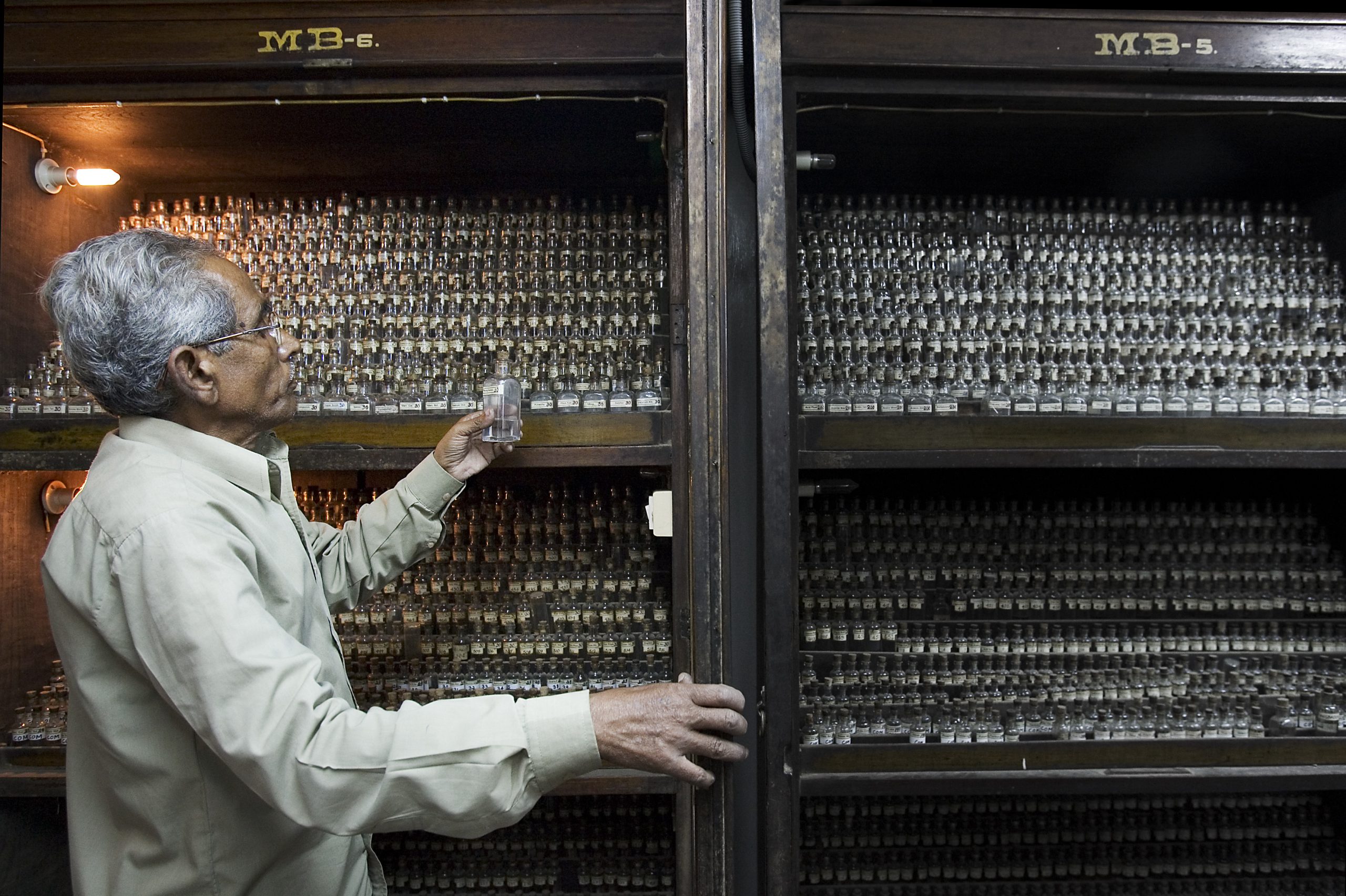
Pharmacy in India (representative image), Wikimedia Commons, CC BY-SA 3.0
Health
World Patient Safety Day 2026 observed with NCD care focus
The Union Health Ministry marked World Patient Safety Day 2026 at NIHFW, New Delhi, with the theme ‘Safe Care for Noncommunicable Diseases,’ reaffirming its commitment to patient safety.
World Patient Safety Day 2026 was observed today with a national event at the NIHFW Auditorium in New Delhi.
This year’s theme, ‘Safe Care for Noncommunicable Diseases (NCDs),’ guided the discussions on strengthening NCD-related patient safety.
Policymakers, healthcare leaders, public health experts and clinicians attended the observance.
National Health Mission Mission Director Aradhana Patnaik reaffirmed the government’s commitment to patient safety and quality of care.
Representatives from various states and union territories also joined the event.
Participants included clinicians, quality managers, development partners and representatives from various states and union territories.
Noncommunicable diseases such as diabetes, hypertension and cardiovascular conditions have become a growing public health priority in India in recent years.
World Patient Safety Day is observed globally on September 17 each year, established by the World Health Organization to raise awareness about patient safety.
India’s health ministry has periodically rolled out national programs targeting NCD screening, prevention and management at the primary healthcare level.
Strengthening patient safety protocols in hospitals and clinics has been identified as a key pillar of India’s broader healthcare quality improvement efforts.
The ministry’s engagement with state and union territory representatives aims to standardize safety practices across India’s varied healthcare infrastructure.
Public health experts have noted that NCD-related complications often arise from gaps in continuity of care, making coordinated safety protocols especially important.
The ministry has also emphasized digital health record-keeping as a tool to reduce errors and improve coordination across different levels of care.
Officials at the event noted that sustained investment in training healthcare workers remains central to any lasting improvement in patient safety outcomes.
World Patient Safety Day 2026 was observed under the theme ‘Safe Care for Noncommunicable Diseases (NCDs)’ this year.
The national observance was held at the NIHFW Auditorium in New Delhi, bringing together policymakers, healthcare leaders and public health experts.
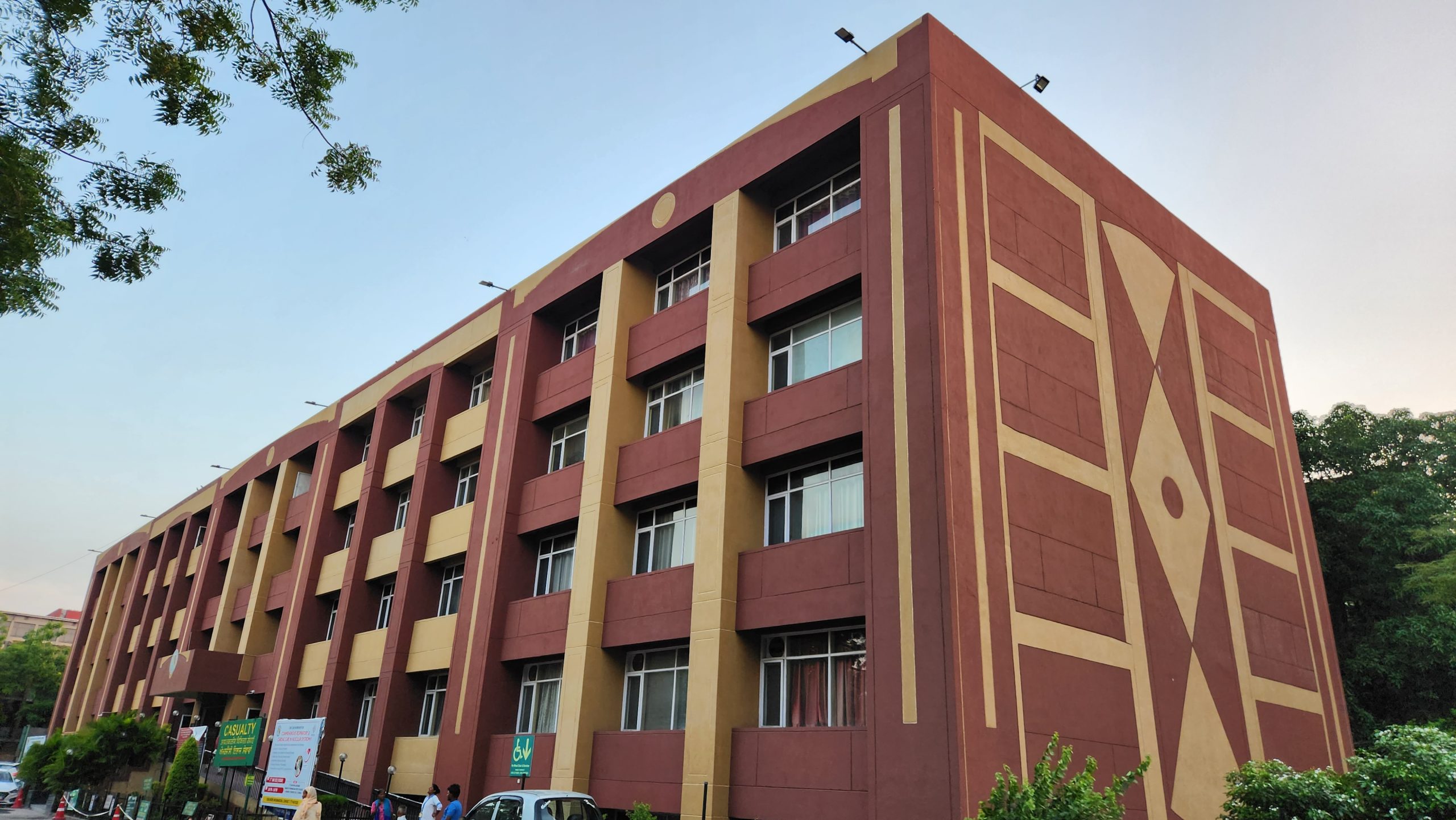
Hospital building (representative image), Wikimedia Commons, CC BY-SA 4.0


Anupriya Patel launches 7th National Formulary of India

Building construction dispute turns fatal in Delhi’s Kalkaji

India’s shooters add another medal on Day 4 of Asian Games

Redfox Overseas: Customize Your Own Energy Drink and Stand Out in the Market

Zamzam Company CEO Chhote Bhai-Bade Bhai gave a grand welcome to Indian writer Devhari Sirvi in Dubai

Shikha Sharma: The Fashion Journalist, Blogger, and Plus-Size Model Taking the Industry by Storm
-
 Brandpost2 years ago
Redfox Overseas: Customize Your Own Energy Drink and Stand Out in the Market
-
 Brandpost2 years ago
Zamzam Company CEO Chhote Bhai-Bade Bhai gave a grand welcome to Indian writer Devhari Sirvi in Dubai
-
 Fashion2 years ago
Shikha Sharma: The Fashion Journalist, Blogger, and Plus-Size Model Taking the Industry by Storm
-
Entertainment1 year ago
Lucky Roxx’s “Yadav Ki Pukar” Goes Viral! Youth Celebrate Unity & Power
-

 Entertainment9 years ago
New Season 8 Walking Dead trailer flashes forward in time
-
Entertainment9 years ago
Meet Superman’s grandfather in new trailer for Krypton
-
Uncategorized2 years ago
Hello world!
-
 Brandpost2 years ago
From Local Hero to National Icon: Satyam Yadav’s Journey with TwentyOne