
Environment
Maharashtra’s 10% water cut explained
Maharashtra has directed all municipal corporations, municipalities and gram panchayats to impose a minimum 10% water cut from October 16 after a deficient monsoon, with drinking water given top priority and a 10% emergency buffer kept in every dam.

Maharashtra has ordered a minimum 10% water cut from October 16.
The reason is a deficient monsoon and the risk that El Nino persists into 2027.
Drinking water is the top priority.
Farmers are encouraged to adopt water-efficient irrigation.
Drought has been declared in 265 talukas.
Officials have declared drought in 265 talukas under the Trigger-1 criteria during the 2026 kharif season.
The Water Resources Department has prepared a dam-wise and use-wise water management plan that runs until August 31, 2027.
The plan allows for evaporation, silt accumulation and unauthorised extraction, and it assumes that a drought-like situation could develop.
Drinking water has been given the highest priority in the plan.
The state will also keep an additional 10% emergency buffer in every dam to ensure that reserves last through the dry months.
Local bodies must enforce the cut strictly and carry out leak-detection drives to reduce losses in supply networks.
Sewage treatment plants are to run at maximum capacity, and treated wastewater is to be used for gardening, construction and cleaning.
Industries have been asked to recycle or reuse at least 30% of the water they consume.
Irrigation ranks below drinking water, livestock and fodder in the order of priority, and among crops rabi foodgrains get priority.
Farmers have been encouraged to adopt water-efficient irrigation techniques.
The state government has also asked industries, farmers and citizens to conserve water.
Maharashtra has 358 talukas, so the 265 drought-declared talukas make up roughly three-quarters of the total.
Business Standard, Oneindia, Madhyamam and The Daily Jagran reported the October 16 start date and the 10% minimum.
A 10% cut means that each supplier must deliver at least a tenth less water than it did before the order took effect.
El Nino is a periodic warming of the central Pacific Ocean that is often linked with weaker monsoon rainfall in India.
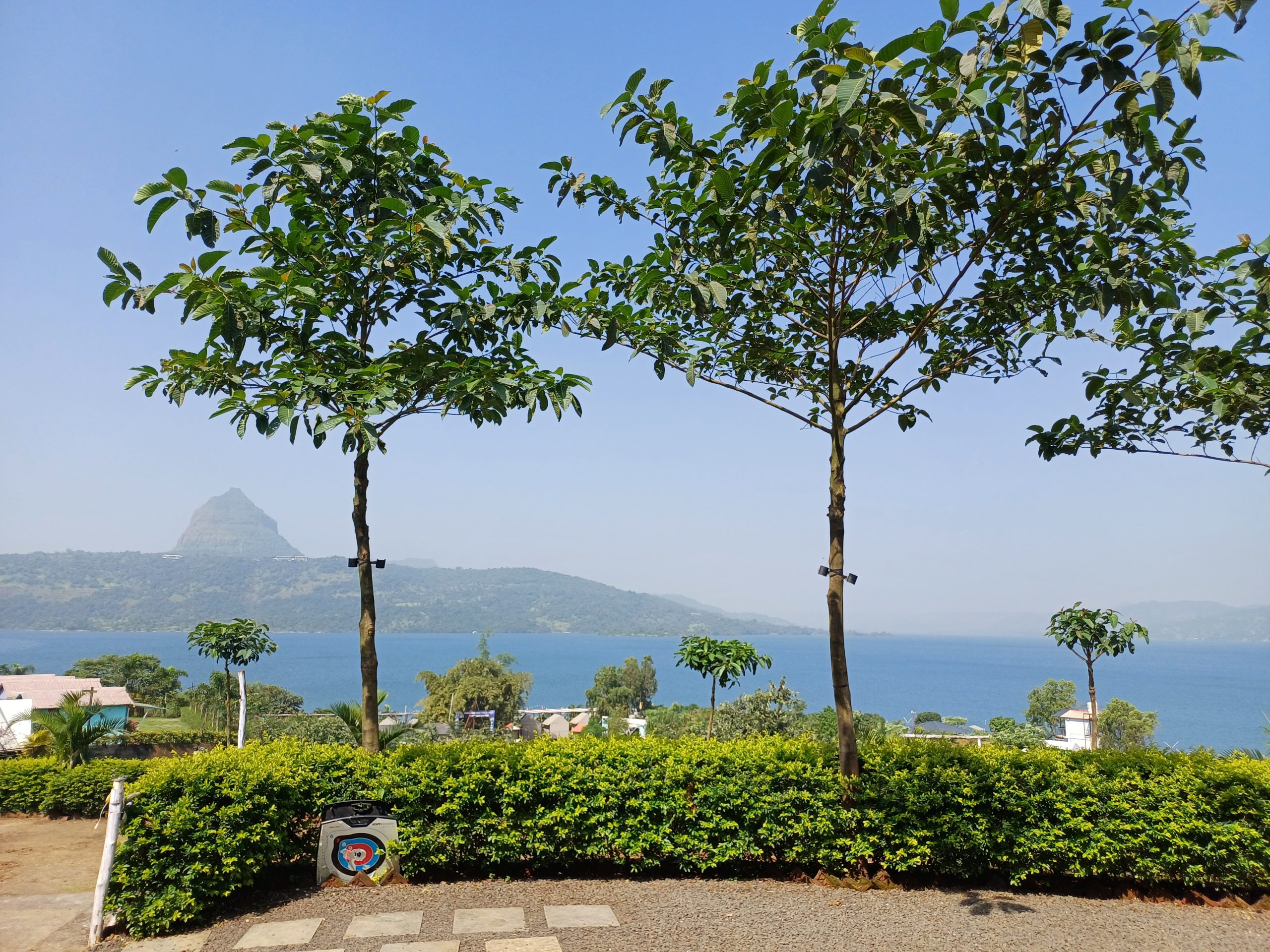
Pavana Lake backwaters, Maharashtra (representative image), Wikimedia Commons, CC BY 4.0









Environment
Buxa Tiger Reserve gets its first tiger under reintroduction plan
A three-year-old tigress, T138, brought from Bihar’s Valmiki Tiger Reserve was released in West Bengal’s Buxa Tiger Reserve on October 2, starting the state’s first tiger reintroduction programme.
Buxa Tiger Reserve in Alipurduar district received tigress T138 on October 2.
She was released into the core zone.
She came from Bihar’s Valmiki Tiger Reserve.
Union Environment Minister Bhupender Yadav and Chief Minister Suvendu Adhikari took part.
A tourism centre is planned on about 2,000 acres near Jayanti, according to the Chief Minister.
She was then flown to north Bengal and reached Buxa on Wednesday, ahead of the October 2 release.
The release marks the start of West Bengal’s first tiger reintroduction programme.
The project is run by the West Bengal Forest Department with the National Tiger Conservation Authority, or NTCA.
Buxa had no resident tigers before the release, although a camera trap had recorded a tiger that was believed to have entered from Assam or Bhutan.
Chief Minister Adhikari said three more tigers would be released in the next two months, according to the Free Press Journal.
Forest Minister Manoj Kumar Oraon said six tigers in all would be introduced in phases, with five more over the next three years, in 2027, 2028 and 2029.
Other reports said more tigers were expected from Assam’s Manas or Kaziranga reserves.
The reports differ on the pace of the later releases, with the two ministers describing different timetables.
The Chief Minister also announced a tourism centre planned on about 2,000 acres near Jayanti, according to the Free Press Journal.
The release date had been pushed back from an earlier plan because of the monsoon and delays in relocating villages inside Buxa.
Buxa Tiger Reserve lies in the Alipurduar district of north Bengal, close to the borders with Assam and Bhutan.
Reintroduction means releasing animals into an area where the species has disappeared, with the aim of building a population that can sustain itself.
A tiger translocation involves capturing and tranquilising the animal, moving it, and releasing it under monitoring in the new habitat.
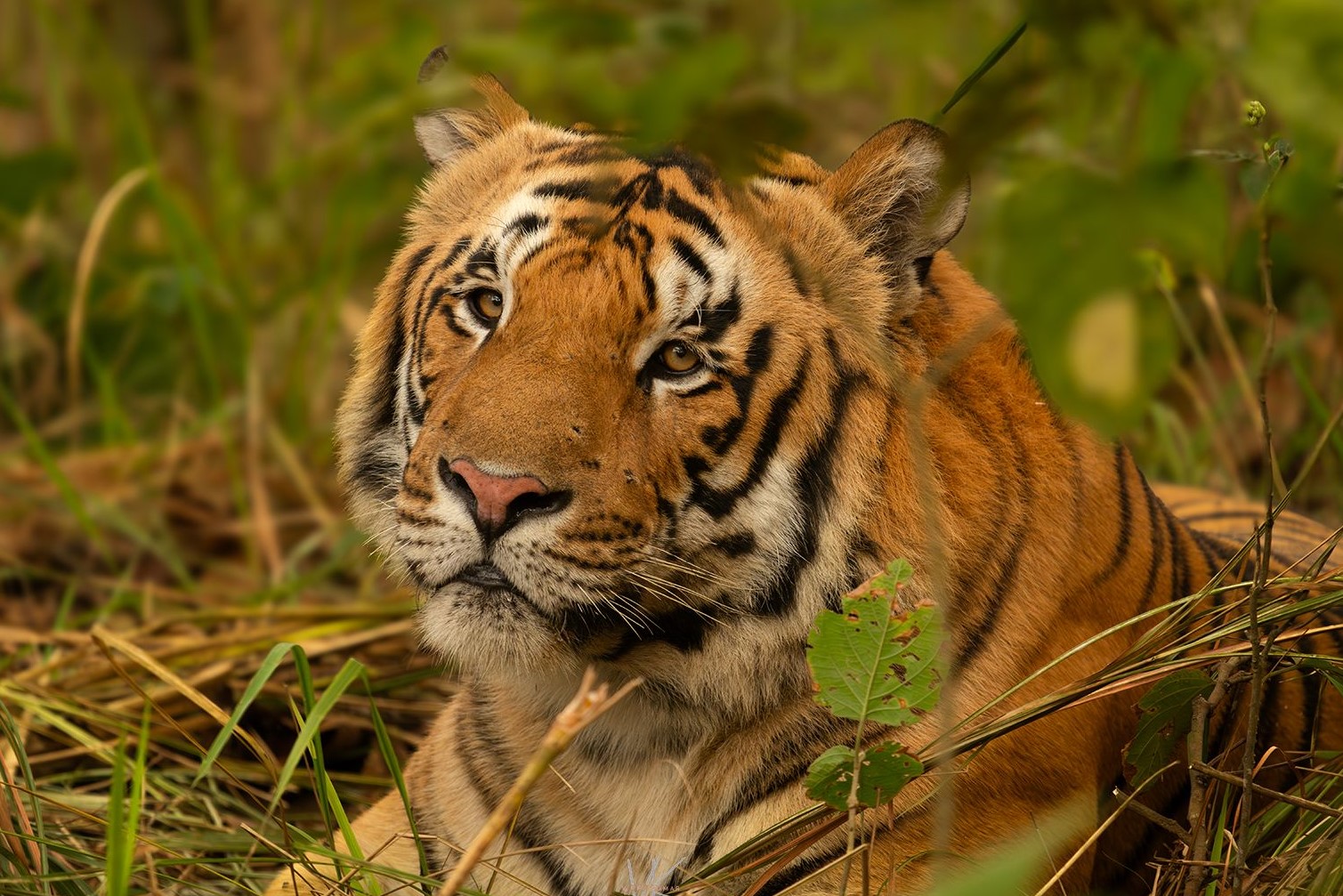
Bengal tigress at Pilibhit Tiger Reserve (representative image), Wikimedia Commons, CC0


Central, Connected, Accessible: The Location Case for Hotel Mahadev Villa in Mid-City Jaipur

Weather on October 6: State-by-state IMD forecast

Mumbai airport slot cuts: What passengers should know

Redfox Overseas: Customize Your Own Energy Drink and Stand Out in the Market

Zamzam Company CEO Chhote Bhai-Bade Bhai gave a grand welcome to Indian writer Devhari Sirvi in Dubai

Shikha Sharma: The Fashion Journalist, Blogger, and Plus-Size Model Taking the Industry by Storm
-
 Brandpost2 years ago
Redfox Overseas: Customize Your Own Energy Drink and Stand Out in the Market
-
 Brandpost2 years ago
Zamzam Company CEO Chhote Bhai-Bade Bhai gave a grand welcome to Indian writer Devhari Sirvi in Dubai
-
 Fashion2 years ago
Shikha Sharma: The Fashion Journalist, Blogger, and Plus-Size Model Taking the Industry by Storm
-
Entertainment2 years ago
Lucky Roxx’s “Yadav Ki Pukar” Goes Viral! Youth Celebrate Unity & Power
-

 Entertainment9 years ago
New Season 8 Walking Dead trailer flashes forward in time
-
Entertainment9 years ago
Meet Superman’s grandfather in new trailer for Krypton
-
Uncategorized2 years ago
Hello world!
-

 Brandpost2 years ago
From Local Hero to National Icon: Satyam Yadav’s Journey with TwentyOne