
Politics
SIR in Maharashtra explained: Deadline, camps and online options
Maharashtra’s Chief Electoral Officer has announced voter registration camps at all polling stations on October 10 and 11, ahead of the October 12 deadline for claims, objections and new enrolment in the Special Intensive Revision.

The Special Intensive Revision is the Election Commission’s re-verification of electoral rolls.
In Maharashtra, claims and objections close on October 12.
Camps are on October 10 and 11 at polling stations.
Online applications can be made at voters.eci.gov.in.
Keep supporting documents ready.
From October 5 to 9, special camps were held at all colleges and universities in the state.
Booth Level Officers helped students to fill in application forms and answered their questions at the campus camps.
Booth Level Officers have also been visiting homes to identify eligible citizens missing from the draft electoral roll.
They collect Form 6 after verifying eligibility.
Form 6 is the form that eligible citizens use to apply for inclusion in the electoral roll.
People who have moved and appear on the absent or migrated list compiled during house-to-house enumeration can apply for re-enrolment or correction.
That list is available on the website of the Chief Electoral Officer, Maharashtra, at ceoelection.maharashtra.gov.in.
Applications can be handed to the Electoral Registration Officer, the Assistant Electoral Registration Officer, the local Booth Level Officer or a designated polling station on camp days.
Applications can also be submitted online through the Election Commission’s voter services portal, voters.eci.gov.in, or the ECINET mobile app.
The office has appealed to people to apply digitally where they can, according to The Hans India.
Electoral Registration Officers will process complete applications with the required supporting documents for inclusion in the assembly constituency voter lists.
On October 5, Chief Minister Devendra Fadnavis defended the SIR as a routine but essential process that needs periodic, in-depth verification so that no eligible citizen is excluded.
The Supreme Court heard petitions on the Special Intensive Revision on October 5, and on the Form 6 declaration used in it.
Applicants should keep their supporting documents ready, because incomplete applications cannot be processed.
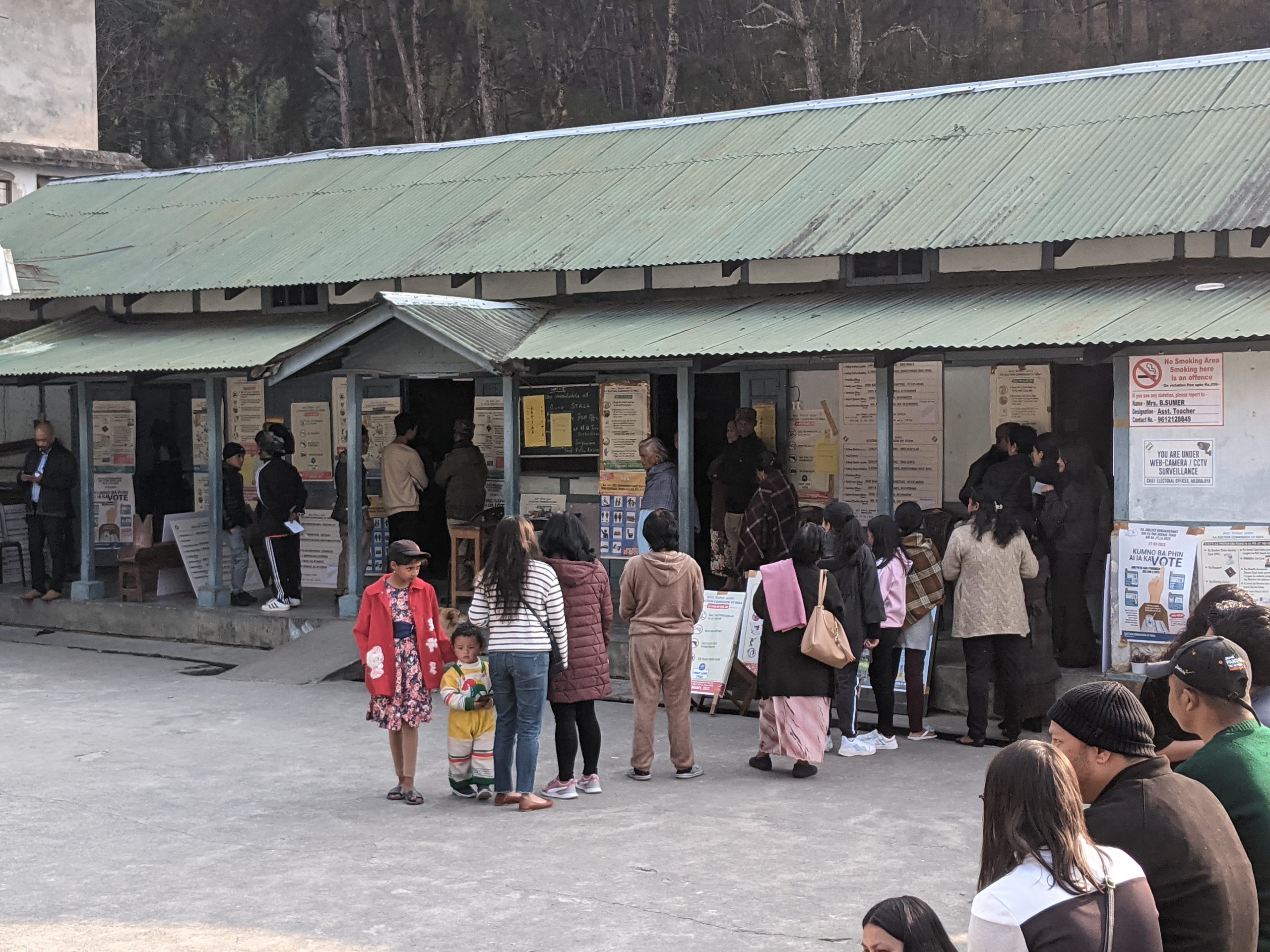
Women queueing to vote (representative image), Wikimedia Commons, CC BY 4.0






Politics
Modi’s 25 years explained: From Gujarat in 2001 to Delhi today
Prime Minister Narendra Modi marked 25 years as head of government at the BJP’s Viksit Bharat Sankalp Sabha in Delhi on October 7, crediting public trust, party workers and the people, and giving the slogan We will do it.

Narendra Modi first took the oath as Gujarat Chief Minister on October 7, 2001.
Modi has been Prime Minister since 2014.
At a BJP event on October 7, 2026, Modi said the milestone was 25 years as head of government.
Modi credited public trust and party workers.
Modi called for renewed commitment towards a developed India by 2047.
Modi credited the people, whom Modi called Janardan, and said public trust and the efforts of party workers have been the main strength.
Modi thanked BJP and NDA colleagues for their support, according to Open magazine.
Modi said the experience and trust of the 25 years belong to the country and not to Modi alone, according to India.com.
Two of the lines at the event were that service is duty and that Modi lives for mission and not ambition.
The new slogan Modi gave was We will do it, and the audience repeated it after each target named, according to NewsX and Hans India.
Modi called for renewed commitment towards the 2047 vision of a developed India.
Reports differ on how many goals were named, with some saying three, some five and some six, so this report does not give a count.
Modi recalled school days in Vadnagar, the 2001 Bhuj earthquake, the Chandrayaan mission and the Covid crisis, according to India.com.
Modi said the Bhuj earthquake taught the lesson of staying steadfast in reconstruction and the Covid crisis showed the importance of collective consciousness.
NDA leaders who attended included Andhra Pradesh Chief Minister N. Chandrababu Naidu, Deputy Chief Minister Pawan Kalyan, minister Nara Lokesh, Maharashtra Deputy Chief Minister Eknath Shinde and Union minister Chirag Paswan, according to Open magazine.
Traffic curbs were imposed on several Delhi roads from 5 am to 1 pm because of the event, according to LatestLY.
The Union Cabinet adopted a resolution listing achievements in welfare, reform, technology, security and foreign policy, which Open magazine noted are the government’s own claims.
India Gate, New Delhi (representative image), Wikimedia Commons, CC BY-SA 4.0
Politics
INDIA bloc march: What happened after the FIR
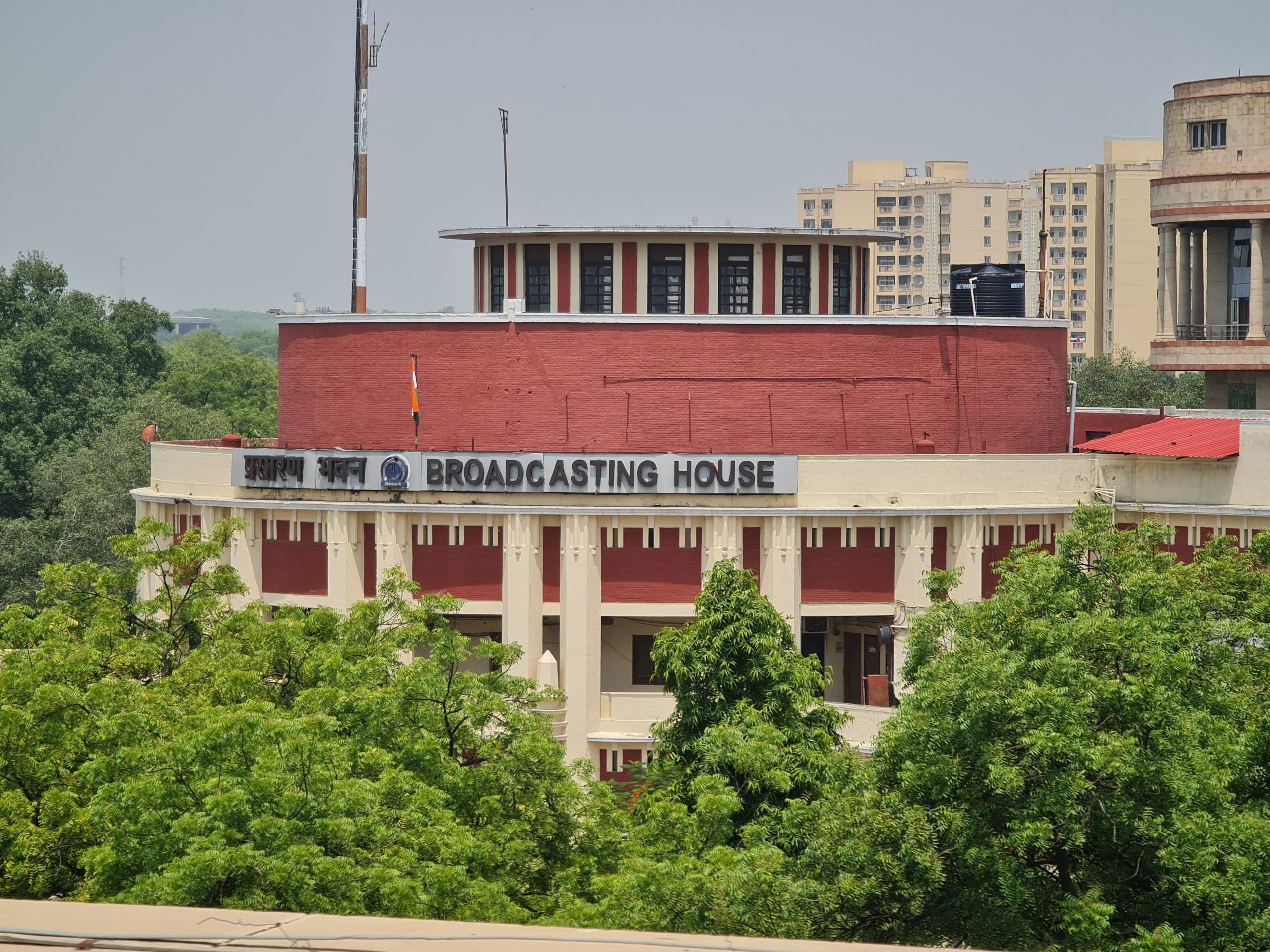
Delhi Police registered an FIR on October 7 over the alleged unauthorised entry of Rahul Gandhi, Priyanka Gandhi Vadra and other INDIA bloc MPs into Akashvani Bhawan during Tuesday’s march to the Election Commission.
About 260 people, including 10 MPs, were detained on Tuesday.
All were released before midnight from Kingsway Camp.
Delhi Police registered an FIR the next day.
Congress called it retaliation.
The opposition plans a rally at Ramlila Maidan on November 1.
The reports available on October 7 did not specify the sections or the police station.
Police said no permission had been sought for the march from Parliament House to Nirvachan Sadan.
Police said the protesters disobeyed instructions and remained at Akashvani Bhawan, which led to detentions.
About 260 people, including 10 MPs, were detained, according to ThePrint and Asian News International.
The detained leaders were taken to New Police Lines and Kingsway Camp, and all were released before midnight.
ThePrint reported that around 300 opposition MPs led by Rahul Gandhi marched from Parliament House towards the Election Commission office.
The Election Commission said the delegation had not sought an appointment through the established protocol, according to ThePrint.
The commission said it had proposed sending an officer to receive the memorandum, and that the offer was declined, according to the same report.
Congress general secretary Jairam Ramesh described the FIR as retaliation and said the leadership had adopted satyagraha to highlight alleged voter deletions.
The march was held to demand the resignation of Chief Election Commissioner Gyanesh Kumar over alleged irregularities in the Special Intensive Revision of electoral rolls.
The reports available on October 7 did not include a response from the Chief Election Commissioner to the allegations.
Akashvani Bhawan, which houses All India Radio, is on Parliament Street and is next to the Election Commission office.
Jairam Ramesh also announced a rally at Ramlila Maidan on November 1, according to Deccan Chronicle.
An FIR is the first recorded report of an alleged offence, and it does not by itself establish that an offence was committed.
Akashvani Bhawan, Parliament Street, New Delhi (file image), Wikimedia Commons, CC BY-SA 4.0
Politics
INDIA bloc march: What happened on Parliament Street
Opposition MPs of the INDIA bloc marched from Parliament towards the Election Commission headquarters on October 6 demanding Chief Election Commissioner Gyanesh Kumar’s resignation, and were stopped by police on Parliament Street.
The march started from Parliament and headed to Nirvachan Sadan.
Police stopped it between Akashvani Bhawan and the former Planning Commission building.
Rahul Gandhi and Priyanka Gandhi Vadra entered the Akashvani Bhawan premises.
Several leaders were detained.
The opposition plans a rally at Ramlila Maidan on November 1.
Delhi Traffic Police urged commuters to avoid unnecessary travel through the affected areas and to prefer the Metro.
Helpline numbers 1095 and 011-25844444 were issued for real-time assistance.
Police stopped the march on Parliament Street, between Akashvani Bhawan and the former Planning Commission building, according to ThePrint and Deccan Chronicle.
Rahul Gandhi, Leader of the Opposition in the Lok Sabha, and Priyanka Gandhi Vadra entered the Akashvani Bhawan premises after getting past police barricades.
Congress MP Deepender Hooda also entered the premises, according to Deccan Chronicle.
Samajwadi Party chief Akhilesh Yadav, Trinamool Congress MPs Abhishek Banerjee and Derek O’Brien, CPI MP P. Sandosh Kumar and BJD MPs were among those who joined the march.
Several opposition leaders were detained, and Priyanka Gandhi Vadra was briefly placed on a bus before rejoining the protest, according to Deccan Chronicle.
ThePrint reported that the Gandhi siblings sat under a tree on the premises and said they would not leave until they were allowed to reach the Election Commission office.
Area DCP Sachin Sharma arrived with police personnel and asked the protesters to vacate the premises.
Congress general secretary Jairam Ramesh said the opposition’s solidarity would be sustained, and announced a rally at Ramlila Maidan on November 1, according to Deccan Chronicle.
The reports available on October 6 did not include a response from Gyanesh Kumar or the Election Commission to the march.
The Special Intensive Revision is the process by which the Election Commission re-verifies electoral rolls state by state.
On October 5, the Supreme Court said it had not approved any modified Form 6 used in the revision, and asked the commission to produce records.
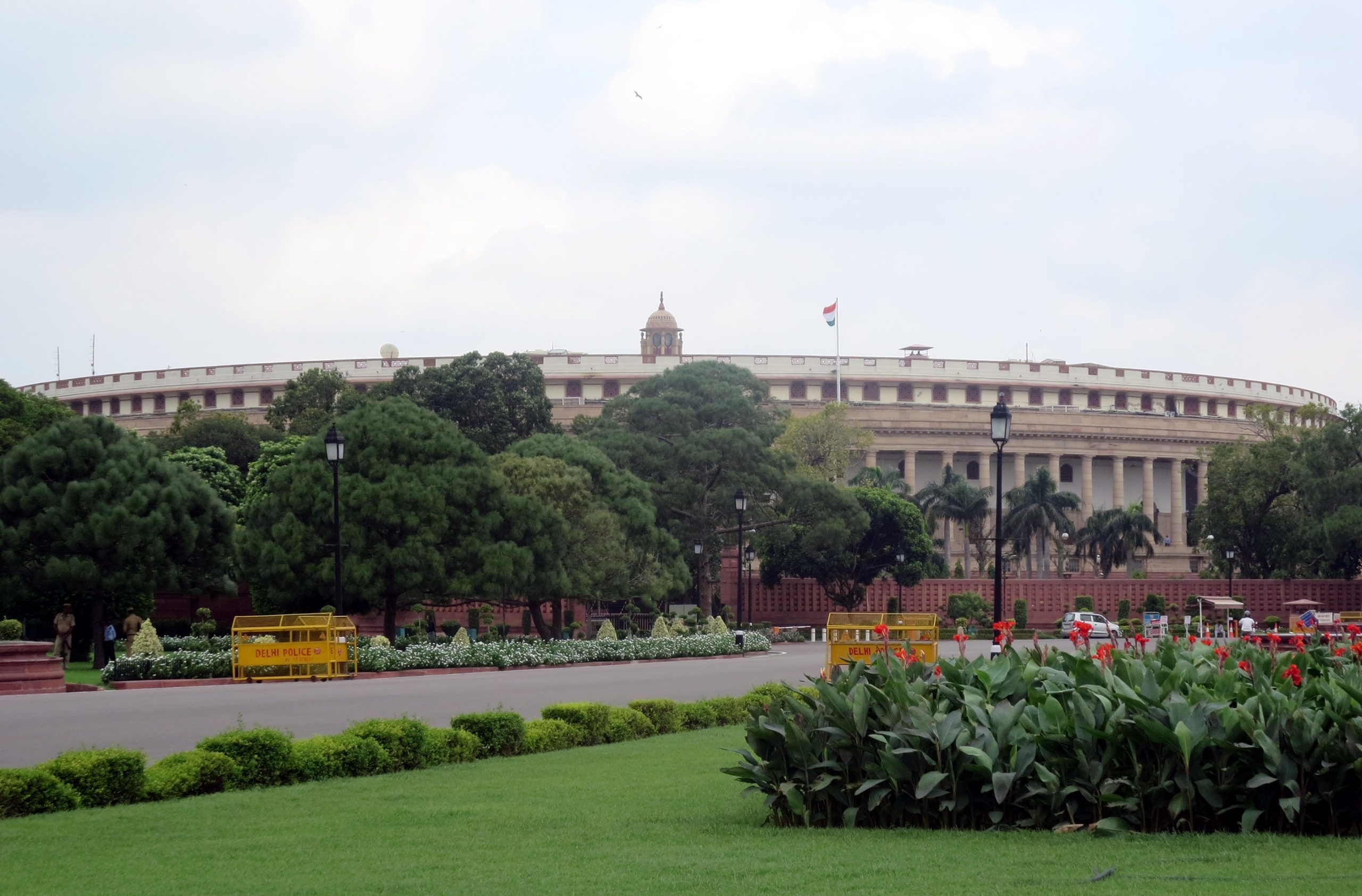
Sansad Bhavan, Delhi (file image), Wikimedia Commons, CC BY-SA 4.0


CJP protest violence probe explained: What is known and what is not

SIR in Maharashtra explained: Deadline, camps and online options

Crude above $100 again: What it means for India

Redfox Overseas: Customize Your Own Energy Drink and Stand Out in the Market

Zamzam Company CEO Chhote Bhai-Bade Bhai gave a grand welcome to Indian writer Devhari Sirvi in Dubai

Shikha Sharma: The Fashion Journalist, Blogger, and Plus-Size Model Taking the Industry by Storm
-
 Brandpost2 years ago
Redfox Overseas: Customize Your Own Energy Drink and Stand Out in the Market
-
 Brandpost2 years ago
Zamzam Company CEO Chhote Bhai-Bade Bhai gave a grand welcome to Indian writer Devhari Sirvi in Dubai
-
 Fashion2 years ago
Shikha Sharma: The Fashion Journalist, Blogger, and Plus-Size Model Taking the Industry by Storm
-
Entertainment2 years ago
Lucky Roxx’s “Yadav Ki Pukar” Goes Viral! Youth Celebrate Unity & Power
-

 Entertainment9 years ago
New Season 8 Walking Dead trailer flashes forward in time
-
Entertainment9 years ago
Meet Superman’s grandfather in new trailer for Krypton
-
Uncategorized2 years ago
Hello world!
-
 Brandpost2 years ago
From Local Hero to National Icon: Satyam Yadav’s Journey with TwentyOne