Explained: What is judicial custody, and how is it different from police custody?
Delhi Police on October 19 transferred the trespassing case against two Cockroach Janta Party leaders to the Inter State Cell of the Crime Branch, shortly after a magistrate extended their judicial custody by two days.
Judicial custody means the accused is held in jail on the order of a magistrate.
In police custody, the accused is held by the police for questioning.
Two leaders of the Cockroach Janta Party were in judicial custody, which a magistrate extended until October 21.
Delhi Police moved their trespassing case to the Crime Branch.
No court has found them guilty.
The two leaders were produced before a newly appointed Special Executive Magistrate at the Mandir Marg police station on Monday and sent to judicial remand for two more days, according to ThePrint.
Onmanorama reports that the custody was extended until October 21 and that the magistrate rejected the sureties offered for their release.
According to that report, one surety’s photograph did not match the image on the Aadhaar card, and another surety’s documents lacked basic details, including parentage.
The party’s leaders were detained on October 13 after allegedly entering the Jantar Mantar area, and reports say they raised slogans against the Chief Election Commissioner and unfurled the national flag, according to ThePrint.
On October 14, a Special Executive Magistrate sent the two leaders to judicial custody, according to the same report.
Police allege that they trespassed through private premises to reach Jantar Mantar, which had been de-notified as a protest site a day earlier, and that they violated bonds requiring them to keep the peace.
Delhi Police allege that the protesters obstructed police personnel from discharging their duties, according to ThePrint.
Two FIRs are involved, according to ThePrint. The Connaught Place police station FIR invokes Sections 223A, 332 and 61(2) of the Bharatiya Nyaya Sanhita.
Section 223A deals with disobedience of an order promulgated by a public servant, Section 332 with house-trespass to commit an offence, and Section 61(2) with criminal conspiracy.
The Parliament Street police station FIR invokes Sections 221, 115(2), 132, 121(1) and 3(5), which relate to obstructing a public servant, causing hurt, assaulting a public servant and common intention, according to ThePrint.
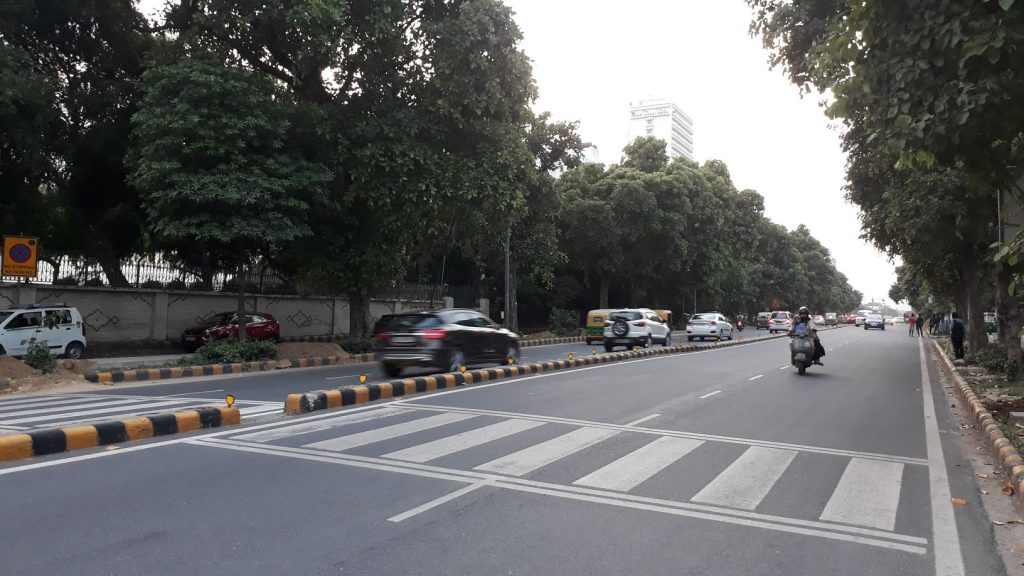
Barakhamba Road, New Delhi (file image), Wikimedia Commons, CC BY-SA 4.0
Follow Daily Viewer on InstagramBreaking news, explainers and stories in your feed.
Follow