


A match is called off without a result when play cannot resume in time for a result to be possible.
The series is then decided on the matches already completed.
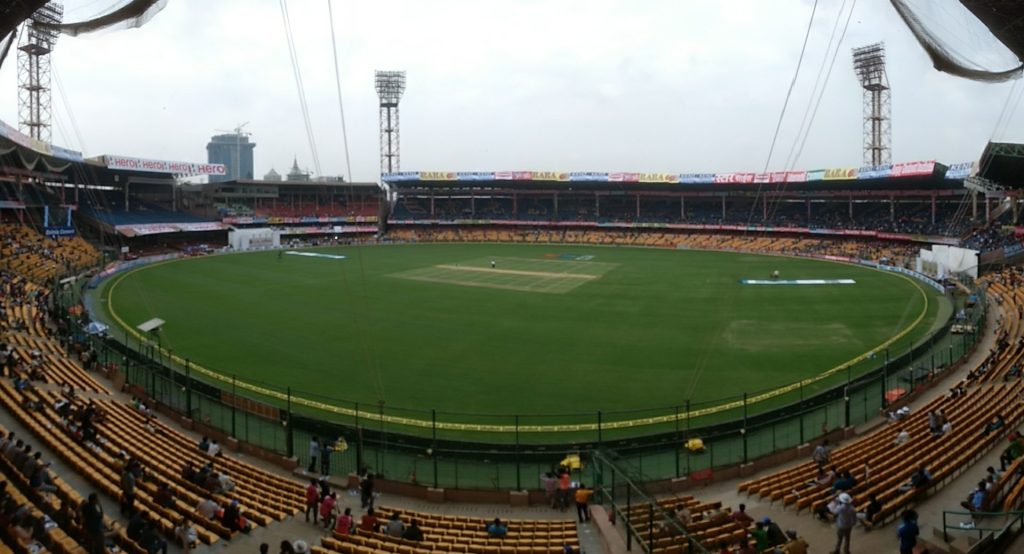
In Bengaluru, the India-West Indies decider was abandoned and the series ended 2-2.
The Duckworth-Lewis-Stern method sets a revised target only if the chase has started.
West Indies’ chase never began, so no result was possible.
Ishan Kishan was the main scorer for India with 30 off 10 balls, according to Outlook India and Olympics.com.
Keemo Paul took two wickets in his two overs but conceded 34 runs, according to Outlook India.
Shamar Joseph dismissed Ishan Kishan, and Shamar Springer dismissed Sanju Samson and Tilak Varma, according to the same report.
Showers returned during the innings break, and the match was abandoned without a ball being bowled in the West Indies chase, according to Outlook India.
Outlook India says West Indies needed 85 runs from five overs, while Sports Digest gives the revised target as 84 from five overs. Both agree the chase never began.
Both teams shared the series trophy, according to Outlook India and Sports Digest.
The result denied West Indies a chance to win their first bilateral T20I series on Indian soil, according to Olympics.com.
West Indies hit 105 sixes in the series, the fourth-highest tally in a bilateral T20I series between Full Member nations, according to Outlook India.
Their run rate of 10.98 in the series is the highest in such a series, ahead of New Zealand’s 10.57 on their 2026 tour of India, according to the same report.
The reports reviewed did not name a player of the series.
Bhuvneshwar Kumar had been added to India’s T20I squad as cover for the injured Arshdeep Singh before the decider, according to a news digest.
Outlook India’s report on the match was published on October 17, 2026.
M. Chinnaswamy Stadium, Bengaluru (file image), Wikimedia Commons, CC BY 2.0