


Deep-tech refers to startups built on advanced science or engineering research.
Examples include artificial intelligence, biotechnology and advanced materials.
About 150 deep-tech startups will take part in ESTIC 2026 through dedicated stalls.
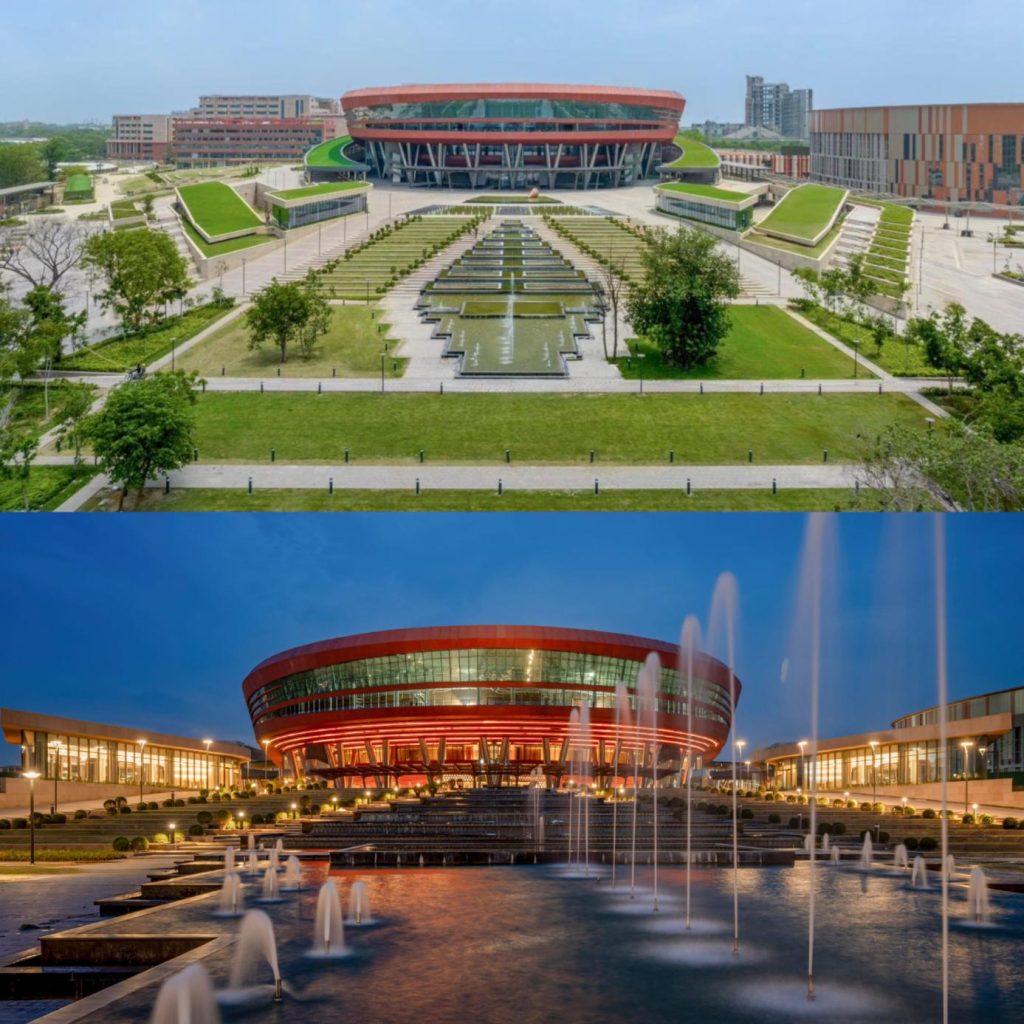
The conclave runs from October 27 to 29 at Bharat Mandapam.
It is organised by the CSIR.
The event aims to strengthen India’s science, technology and innovation ecosystem in support of the vision of Viksit Bharat 2047, according to the reports.
Scientists, researchers, academicians, policymakers, industry leaders, startups and international experts are expected to attend, according to the reports.
A technology and innovation exhibition will show indigenous achievements, according to IANS.
About 150 deep-tech startups will participate through dedicated stalls, according to the reports.
Deliberations will cover 12 thematic areas, including artificial intelligence, biotechnology, energy, climate science and ocean research, according to the reports.
The faculty will include three Nobel laureates, Joachim Frank, Sir Richard J Roberts and Kostya Novoselov, according to a statement by Union Minister Jitendra Singh in the PIB release.
The first edition drew 13 ministries, leading institutions, industry partners and more than 5,000 delegates, according to the Principal Scientific Adviser as quoted in the reports.
Union Minister Jitendra Singh has asked the organisers for a roadmap with short-term and long-term milestones, according to a PIB-linked report. The reports reviewed do not say whether a formal roadmap will be issued.
The reports reviewed were published before the inauguration, so they do not describe what the Prime Minister said or announced.
Deep-tech refers to startups built on advanced science or engineering research, such as artificial intelligence, biotechnology and advanced materials.
A conclave is a gathering of experts and officials to discuss a subject and agree on priorities.
The Council of Scientific and Industrial Research is India’s largest network of public research laboratories.
The Principal Scientific Adviser’s office advises the government on science and technology policy.
Bharat Mandapam, New Delhi (file image), Wikimedia Commons, GODL-India