
Brandpost
How Digital Printing Can Help You Launch Your Fashion Brand with Zero Inventory Risk


Launching a fashion brand has traditionally required significant investment in inventory, production, and logistics. However, digital textile printing has revolutionized the industry, enabling designers to start their brands with minimal capital and zero inventory risk. Many independent designers and boutique brands are already leveraging this technology to carve their niche in the fashion space. There are certain services in the industry who have made this transition even smoother by offering flexible, no-MOQ digital printing solutions. Here’s how digital printing can be a game-changer for aspiring fashion entrepreneurs:
1. No Upfront Inventory Investment
Traditional fashion brands require bulk production to achieve cost efficiency, leading to unsold stock and financial losses. Digital printing allows you to produce garments on demand, eliminating the need for pre-manufactured inventory. You only print what sells, reducing wastage and unnecessary costs. With partners like Print Zombies, designers can test their ideas in small quantities before scaling up, ensuring they invest only in what works.
2. Unlimited Design Possibilities
With digital textile printing, designers can easily experiment with colors, patterns, and intricate designs without additional setup costs. Unlike conventional printing, where each design change requires new screens and additional expenses, digital printing enables limitless creativity with no extra burden. This means designers can launch multiple collections without worrying about expensive setup fees or production minimums. Again, services like Print Zombies offer designers complete creative freedom, letting them bring any concept to life.
3. Small-Batch and One-Off Production
One of the biggest advantages of digital printing is the ability to produce even a single piece at a competitive price. This is ideal for fashion startups looking to test different designs and styles before committing to larger runs. Whether it’s a one-off custom order or a small batch for an exclusive drop, this approach ensures that every piece serves a purpose and finds a buyer.
4. Eco-Friendly and Sustainable Approach
Sustainability is a key concern in the fashion industry, and digital printing is helping designers build environmentally conscious brands. This process significantly reduces water and chemical usage compared to traditional dyeing and screen printing methods. Plus, with only necessary quantities being produced, there’s minimal textile waste—allowing brands to maintain both ethical and financial sustainability.
5. Faster Turnaround Times
Speed is crucial in fashion, especially for brands that want to stay ahead of trends. Digital printing allows rapid production cycles, meaning new designs can be brought to market quickly. Whether it’s a limited-edition drop or a trending design, brands can respond swiftly without being held back by long production lead times. Print Zombies helps designers meet fast-moving market demands with quick printing and shipping options.
6. Low Risk, High Flexibility
With digital printing, brands can easily operate on a pre-order model, ensuring that every piece produced already has a buyer. This reduces financial risk and gives greater control over cash flow. Additionally, designs, colors, or patterns can be modified without worrying about leftover stock. The ability to pivot based on customer feedback makes it a smart approach for new-age fashion businesses. Print Zombies provides a seamless printing experience, making it easier for brands to test, tweak, and scale without financial stress.
7. Seamless Customization and Personalization
Today’s consumers love personalized fashion, and digital printing makes it incredibly easy to offer unique pieces tailored to individual tastes. Whether adding personal messages, custom prints, or limited-edition collaborations, brands can create more meaningful connections with their customers. This level of customization was once costly and complex, but digital printing has made it effortless and accessible. With Print Zombies, designers can effortlessly bring unique, one-of-a-kind pieces to their customers.
8. Global Accessibility without Physical Presence

By leveraging digital printing and drop shipping, many fashion brands are running operations without maintaining a physical inventory. Partnering with the right digital printing providers allows brands to fulfill orders globally without needing large warehouses or costly supply chains. This means even independent designers can launch worldwide without the traditional barriers of fashion production. Print Zombies’ global accessibility ensures that designers can cater to customers anywhere, without worrying about logistics.
Conclusion
Digital printing removes the traditional barriers to entry in the fashion industry, making it possible for designers to launch and scale their brands without the risks of unsold inventory. With on-demand production, creative freedom, and sustainable manufacturing, fashion entrepreneurs can now focus on their designs rather than logistics.
For those looking to explore this model, working with a reliable digital printing partner can make the process seamless. Print Zombies provides a trusted, designer-friendly platform that supports fashion entrepreneurs at every stage—from prototyping to full-scale production. With its no-MOQ policy, unlimited customization, and efficient global shipping, it’s never been easier to turn your fashion dreams into reality. Print Zombies’ exceptional service is reflected in their amazing Google reviews, and their presence in prestigious institutes like National Institute of Fashion Technology (NIFT), Vidya University, and more highlights Print Zombies’ commitment to nurturing the next generation of designers.
If you’ve ever dreamed of launching your own fashion brand, now is the perfect time—create, print, and sell without limitations!
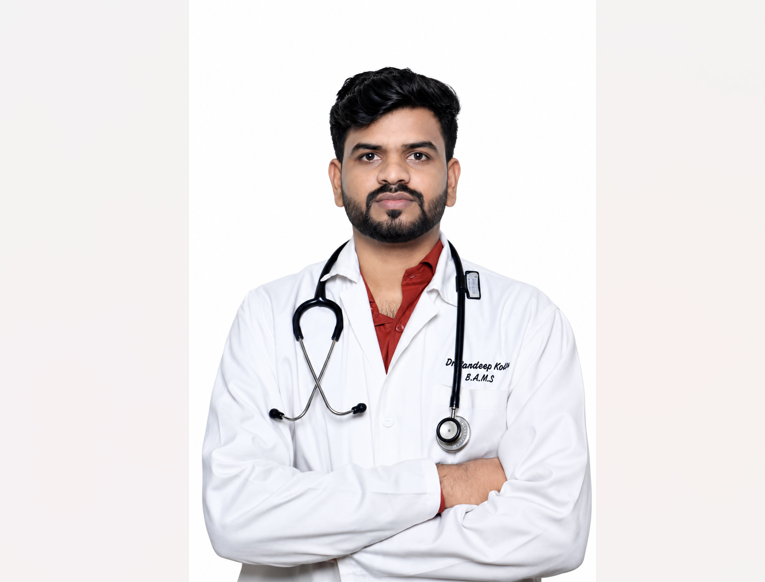
Profile | Ayurveda & Healthcare | Pune, Maharashtra
In a healthcare landscape increasingly dominated by high-cost surgical interventions and long hospital stays, Dr. Sandeep Kolte has carved out a distinct identity as an Ayurvedic physician who believes that ancient medical wisdom still has powerful answers for some of today’s most common — and most under-discussed — health problems. A qualified practitioner holding a B.A.M.S. (Bachelor of Ayurvedic Medicine & Surgery) degree, Dr. Kolte has spent his career focused on a segment of medicine that many patients find difficult to even talk about: anorectal disorders such as piles (hemorrhoids), fissures, and fistula.
Today, Dr. Sandeep Kolte is recognized not only as a practicing Anorectal Consultant but also as an entrepreneur who has built an organization aimed at making Ayurvedic treatment for these conditions more structured, more accessible, and more comfortable for patients across Maharashtra and beyond. He is the CEO and Founder of Guruved Health Care, an Ayurveda-focused healthcare organization he has led since 2022.
An Ayurvedic Foundation Built on Formal Training
Dr. Kolte’s academic journey began with rigorous, formal training in classical Ayurvedic medicine. He completed his B.A.M.S. degree from the College of Ayurved & Research Centre in Nigdi, Pune, Maharashtra — one of the region’s recognized institutions for Ayurvedic education. The B.A.M.S. program is a comprehensive undergraduate medical course that blends classical Ayurvedic texts and treatment methodologies with modern anatomy, physiology, pathology, and clinical practice, preparing graduates to diagnose and treat a wide range of conditions using time-tested Ayurvedic protocols.
This dual grounding — in traditional Ayurvedic science and structured clinical training — has shaped the way Dr. Kolte approaches patient care. Rather than treating Ayurveda as an alternative to be used only after conventional options are exhausted, he positions it as a primary, evidence-informed pathway for conditions like piles, fissures, and fistula, where minimally invasive and non-surgical management can often spare patients from more aggressive procedures.
Specializing in a Field Patients Rarely Discuss Openly
Anorectal health remains one of the most under-addressed areas of everyday medicine. Conditions such as piles, anal fissures, and fistula affect a significant portion of the adult population at some point in their lives, yet social hesitation, embarrassment, and lack of awareness often prevent people from seeking timely treatment. Many patients delay consultation for months or even years, allowing manageable conditions to worsen.
Dr. Sandeep Kolte has built his clinical focus specifically around this gap. As an Anorectal Consultant, his practice centers on diagnosing and managing piles, fissures, and fistula using Ayurvedic methods, with an emphasis on reducing patient discomfort, avoiding unnecessary invasive procedures where possible, and creating a consultation environment where patients feel comfortable discussing sensitive symptoms without judgment.
From Clinical Practice to Entrepreneurship
In 2022, Dr. Kolte took the step from being a practicing Ayurvedic doctor to becoming a healthcare entrepreneur, founding Guruved Health Care. The decision reflected a broader ambition: rather than limiting his impact to a single clinic or a fixed patient base, he wanted to build a system capable of reaching a far larger number of people who needed anorectal and Ayurvedic care but did not know where to find it, or were unable to access it due to geography, time, or social stigma.
As CEO and Founder of Guruved Health Care, Dr. Kolte oversees an organization that blends clinical Ayurvedic expertise with technology-enabled patient support, including teleconsultation systems designed to let patients connect with qualified Ayurvedic guidance without needing to travel long distances for an initial consultation. This approach has positioned Guruved Health Care as part of a growing wave of Ayurveda-based healthcare startups that are trying to modernize how traditional Indian medicine is delivered, without diluting its core principles.
A Philosophy Rooted in Accessibility and Trust
Colleagues and patients who have interacted with Dr. Kolte often point to his emphasis on accessibility as a defining trait of his professional philosophy. He has spoken about the importance of removing barriers — whether financial, geographic, or psychological — that stop people from seeking treatment for anorectal conditions early. By combining teleconsultation with structured, Ayurveda-based treatment protocols, Guruved Health Care under his leadership aims to shorten the distance between a patient’s first symptom and their first proper consultation.
This philosophy also extends to patient education. Dr. Kolte has consistently advocated for greater public awareness about piles, fissures, and fistula, encouraging people to understand that these are common, treatable medical conditions rather than sources of shame. Through Guruved Health Care’s outreach efforts, including digital content and consultation support, he has worked to normalize conversations around anorectal health.
Building a Career Rooted in Pune’s Ayurvedic Ecosystem
Pune, Maharashtra, has long been recognized as one of India’s important centers for Ayurvedic education and practice, home to several respected Ayurvedic colleges and research institutions. Dr. Kolte’s own education at the College of Ayurved & Research Centre in Nigdi placed him within this ecosystem early in his career, and he has continued to base his practice and his organization, Guruved Health Care, in the same region.
Operating from Pune has allowed Dr. Kolte to stay closely connected to Maharashtra’s strong Ayurvedic academic and clinical community, while using digital tools to extend his reach well beyond the city itself. This combination — a strong regional foundation paired with a technology-enabled, scalable service model — reflects a broader trend among younger Ayurvedic practitioners who are trying to balance tradition with modern healthcare delivery expectations.
Looking Ahead
As Guruved Health Care continues to grow under his leadership, Dr. Sandeep Kolte’s stated focus remains consistent: expanding access to Ayurvedic anorectal treatment, improving patient comfort and trust, and building sustainable healthcare infrastructure rooted in classical Ayurvedic principles. For a physician who began his journey with a B.A.M.S. degree from a Pune-based Ayurvedic college, the transition into entrepreneurship has not been a departure from medicine, but an extension of it — a way to bring the same clinical care to more people, more consistently.
With a growing patient base, an established organization in Guruved Health Care, and a clear specialization in an area of healthcare that badly needs more open, accessible options, Dr. Sandeep Kolte’s professional story reflects a wider shift underway in Indian healthcare: one where traditional medicine, technology, and entrepreneurship increasingly intersect.
Conatact detail 9699630049
Website.guruvedayurved.com

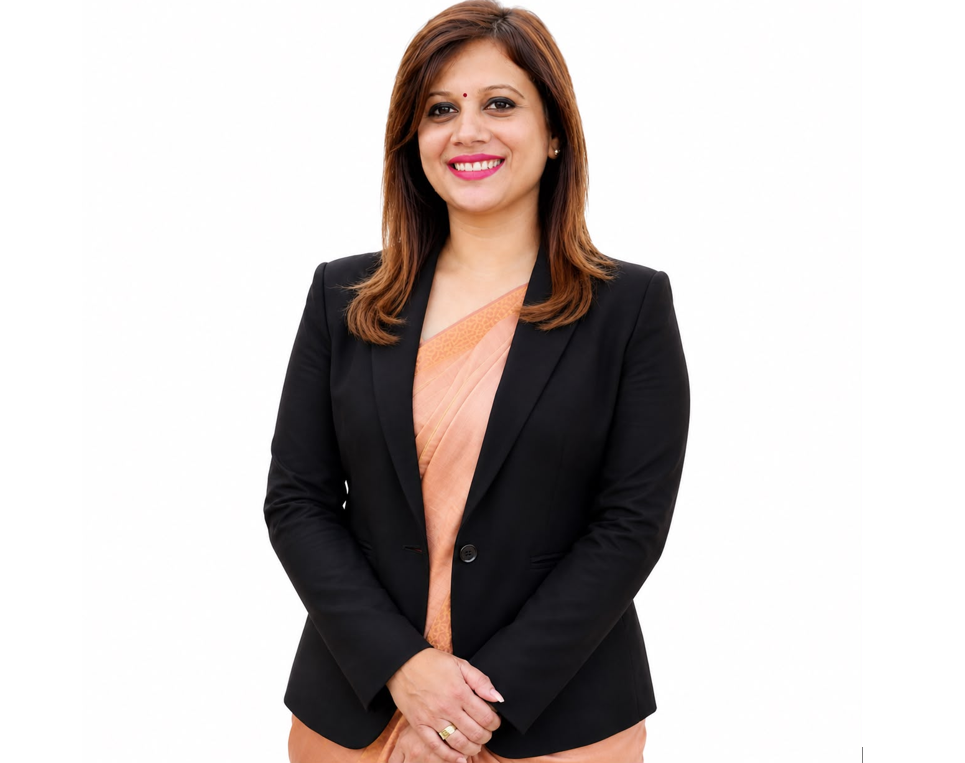
Prof. Maria M
Principal
United international business school
Artificial Intelligence (AI) is rapidly changing education and employment. It is now used in almost every sector, including finance, healthcare, marketing, HR, and manufacturing. Therefore, education must prepare students for future AI-driven jobs.
AI and Jobs
AI is not only replacing jobs but also changing them. According to the International Labour Organization (ILO), AI is more likely to support and improve jobs rather than fully replace them.
A 2024 Microsoft–LinkedIn report found that:
- 75% of workers already use AI at work
- 66% of employers prefer candidates with AI skills
- 71% prefer less-experienced candidates with AI skills over experienced ones without them
This shows that AI skills are now essential for employment.
India’s Situation
In India, the impact is even stronger:
- 92% of workers already use AI
- 75% of employers will not hire without AI skills
- 80% prefer candidates with AI skills over more experienced ones
This means students must learn AI along with their main subjects.
AI in Education
AI should be included in all fields:
- Commerce: accounting, taxation, auditing
- Finance: forecasting and investment analysis
- Management: decision-making and HR
- Marketing: customer analysis and digital marketing
- HR: recruitment and workforce planning
- Analytics: data and prediction models
This helps students understand how AI is used in real jobs.
Skills Needed
Future employees need both technical and human skills:
- AI and digital literacy
- Data analysis
- Critical thinking
- Problem-solving
- Creativity
- Communication
- Teamwork
- Ethical awareness
Students should learn how to use AI wisely, not depend on it completely.
Role of Teachers
Teachers will remain important. Their role will shift to guiding students, improving thinking skills, and helping them use AI responsibly.
Challenges
AI also brings risks like plagiarism, misinformation, and over-dependence. Students must be trained to use AI ethically and carefully.
Conclusion
AI is changing the future of work. Jobs will not disappear completely, but they will change. Students who learn AI skills along with their subjects will have better career opportunities.
Education should aim to make students AI-ready, not just degree holders.
College link: https://www.uibsblr.com/vision-mission-and-goal
Brandpost
From Diet Charts to Real-Life Change: Dt. Priyanka Gupta Brings Personalized Nutrition Guidance Online
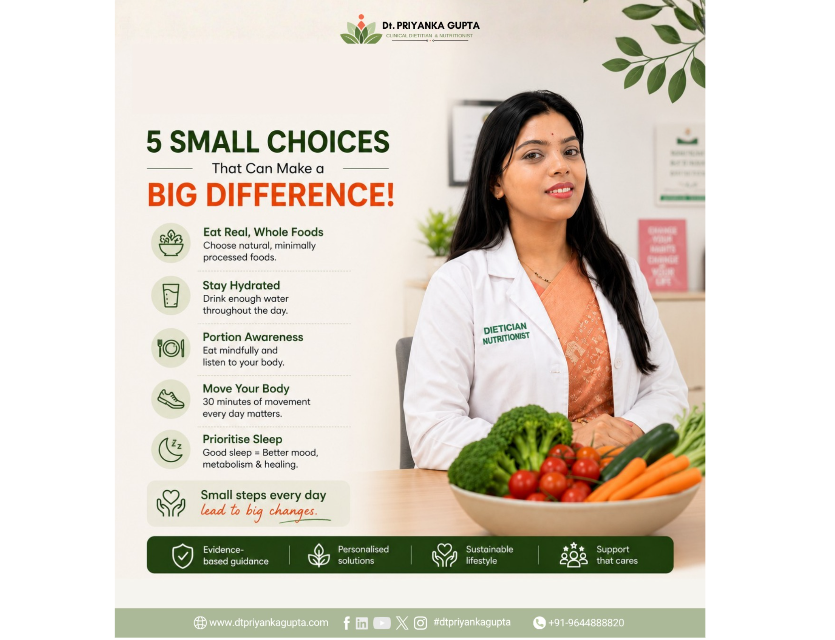
INDIA — August 2026: What if eating healthy didn’t have to mean completely changing the way you live? For many people trying to improve their health, the internet has created an overwhelming amount of nutrition advice. One diet recommends cutting carbohydrates. Another promotes intermittent fasting. Social media offers a new “perfect” meal plan every week. The result, for most people navigating this landscape, is more information but often less clarity about what actually applies to their own life.
This is the gap Dt. Priyanka Gupta, a Clinical Dietitian and Nutritionist, is working to close, building an online presence around a simple objective: help people understand nutrition and make healthier eating practical for everyday life rather than another temporary experiment. With her digital presence at dtpriyankagupta.com, she is bringing personalized nutrition consultations and diet-planning services to people looking for structured, professional guidance they can access online rather than only in a clinic waiting room.
A Philosophy Built Around Fit, Not Restriction
“You Don’t Need Another Diet. You Need a Plan That Fits Your Life.”
That message sits at the center of Dt. Priyanka Gupta’s brand. Rather than presenting nutrition as a collection of rigid rules, her stated philosophy focuses on personalized diet planning, practical food choices, evidence-based nutrition guidance and sustainable habits over quick-fix promises. The framing is particularly relevant for people who have tried multiple diets in the past but struggled to maintain them alongside work schedules, family responsibilities, social occasions and the general unpredictability of everyday routines.
A nutrition plan can look perfect on paper, laid out with precise macros and meal timings, but if it does not fit someone’s actual lifestyle — their working hours, their family’s cooking habits, their travel schedule, their food preferences — following it consistently can become difficult very quickly. That disconnect between a theoretically ideal plan and a livable one is, according to her stated approach, one of the most common reasons diets fail even when the underlying nutrition science behind them is sound.
Personalized Diet Plans, Not One-Size-Fits-All Charts
One of the central services offered through Dt. Priyanka Gupta’s platform is personalized diet planning. Instead of relying on a generic meal chart handed to every client regardless of their circumstances, her nutrition guidance is designed to take into account an individual’s food preferences, daily routine, lifestyle constraints and specific health goals. The stated objective is to make nutrition easier to understand and, just as importantly, easier to actually implement day to day.
For Indian families in particular, this approach can mean making room for familiar, everyday foods rather than treating healthy eating as something entirely separate from normal life. Dal, roti, rice, vegetables, fruits, curd, paneer and other staples common to Indian kitchens can be incorporated into a balanced eating pattern when planned appropriately for portion size, timing and combination — rather than being eliminated wholesale in favor of unfamiliar packaged “diet foods” that may be harder for a family to sustain together.
Nutrition Education Beyond Weight Loss
Although weight management remains an important area of nutrition support and one of the most common reasons people seek out a dietitian, Dt. Priyanka Gupta’s brand is not built around weight loss alone. Her practice also provides nutrition-focused guidance across several other areas, including general healthy eating, PCOS (polycystic ovary syndrome) nutrition, diabetes nutrition, thyroid nutrition and digestive health — conditions where dietary management is commonly recommended as a complement to, though not a replacement for, medical treatment and a healthcare provider’s guidance.
The broader stated goal is to help people develop a better working understanding of food and nutrition generally, rather than simply handing them a temporary diet to follow without explanation. That distinction matters for long-term outcomes: guidance built around understanding why certain food choices matter tends to translate more naturally into habits that persist once a structured program ends, compared with rules followed without context.
A Qualified Clinical Dietitian and Nutritionist
Dt. Priyanka Gupta holds an M.Sc. in Food & Nutrition and a B.Sc. in Clinical Nutrition, and has clinical dietetics experience underpinning her consultation practice. Her professional positioning combines formal nutrition education with what is described as an approachable, practical communication style — a distinction that carries particular weight in an environment where social media is increasingly filled with conflicting, and sometimes unqualified, nutrition claims from influencers without formal training.
The brand’s stated aim is to make professional, evidence-informed nutrition information accessible without resorting to unrealistic promises or promoting extreme dietary restriction — an approach that positions her consultation practice differently from the more aggressive, rapid-transformation marketing common among some online diet programs.
Why Personalized Nutrition Matters
There is no single universal meal plan that works equally well for every person. Two individuals can have completely different work schedules, food preferences, cultural eating patterns, activity levels and underlying health goals, even if they are nominally trying to achieve something similar, such as weight management or better energy levels. That variability is precisely why personalization sits at the center of Dt. Priyanka Gupta’s stated service philosophy.
Instead of asking clients to fit themselves into a pre-built diet template, the objective described in her practice is to construct nutrition guidance that works around the individual’s existing life — their routine, their kitchen, their preferences — rather than requiring them to restructure their life around a diet. In principle, that reversal can make sustained healthy eating feel considerably less complicated and more achievable over the long term, though, as with any nutrition approach, individual results depend on consistency, underlying health status and factors beyond diet alone.
Building a Trusted Nutrition Brand Online
Through dtpriyankagupta.com, Dt. Priyanka Gupta is building an online destination centered on personalized diet plans, nutrition consultations and practical nutrition education. The website is positioned to serve as a growing resource for people searching for reliable information about diet planning, weight management, healthy eating, PCOS nutrition, diabetes-friendly nutrition, thyroid nutrition, digestive health and everyday Indian nutrition specifically — a niche that general international nutrition content does not always address well, given how much traditional Indian cooking and eating patterns differ from the Western diet frameworks many popular nutrition resources are built around.
Alongside one-on-one consultations and diet plans, the brand has stated plans to continue publishing educational content covering food choices, nutrition fundamentals, healthy meal ideas and answers to common nutrition questions, positioning the website as an ongoing resource rather than a one-time consultation touchpoint.
The Bigger Message Is Simple
Healthy eating doesn’t have to be perfect. It needs to be practical, personalized and sustainable. And sometimes, the most useful nutrition advice isn’t another complicated diet trend borrowed from social media — it’s simply having someone qualified help translate general nutrition science into a plan that fits an individual’s actual life, family, and food culture.
Frequently Asked Questions
What services does Dt. Priyanka Gupta offer?
Her practice offers personalized diet plans, nutrition consultations, and guidance across weight management, PCOS nutrition, diabetes nutrition, thyroid nutrition and digestive health.
What are Dt. Priyanka Gupta’s qualifications?
She holds an M.Sc. in Food & Nutrition and a B.Sc. in Clinical Nutrition, along with clinical dietetics experience.
Are consultations available online?
Yes, consultations and diet-planning services are offered online through dtpriyankagupta.com, in addition to any in-person availability.
Does Dt. Priyanka Gupta only focus on weight loss?
No. While weight management is one area of focus, her practice also covers PCOS, diabetes, thyroid-related nutrition, digestive health and general healthy eating guidance.
Can Indian home foods be part of the diet plans?
Yes — her stated approach incorporates familiar foods such as dal, roti, rice, vegetables, curd and paneer into personalized, balanced eating plans rather than eliminating them.
Website- www.dtpriyankagupta.com
Phone: 9644888820
Brand: Dt. Priyanka Gupta – Clinical Dietitian & Nutritionist
Location: India | Online Nutrition Consultations


Makop Ransomware Recovery for Computers, NAS, Servers and VMware

Om Infra Swings to ₹11.45 Crore Q1 Profit as Revenue Climbs 19% on Strong Project Pipeline

Lava Virat V1 Pro 5G launches in India, priced around Rs 14,999

Redfox Overseas: Customize Your Own Energy Drink and Stand Out in the Market

Zamzam Company CEO Chhote Bhai-Bade Bhai gave a grand welcome to Indian writer Devhari Sirvi in Dubai

Shikha Sharma: The Fashion Journalist, Blogger, and Plus-Size Model Taking the Industry by Storm
-
 Brandpost2 years ago
Redfox Overseas: Customize Your Own Energy Drink and Stand Out in the Market
-
 Brandpost2 years ago
Zamzam Company CEO Chhote Bhai-Bade Bhai gave a grand welcome to Indian writer Devhari Sirvi in Dubai
-
 Fashion2 years ago
Shikha Sharma: The Fashion Journalist, Blogger, and Plus-Size Model Taking the Industry by Storm
-
Entertainment1 year ago
Lucky Roxx’s “Yadav Ki Pukar” Goes Viral! Youth Celebrate Unity & Power
-

 Entertainment9 years ago
Meet Superman’s grandfather in new trailer for Krypton
-
Entertainment9 years ago
New Season 8 Walking Dead trailer flashes forward in time
-
 Brandpost2 years ago
From Local Hero to National Icon: Satyam Yadav’s Journey with TwentyOne
-
Uncategorized2 years ago
Hello world!