
India
Mangroves, Sand Dunes and the Coastal Lifeline of Cuddalore: Why Protecting the Uppanar Ecosystem Matters

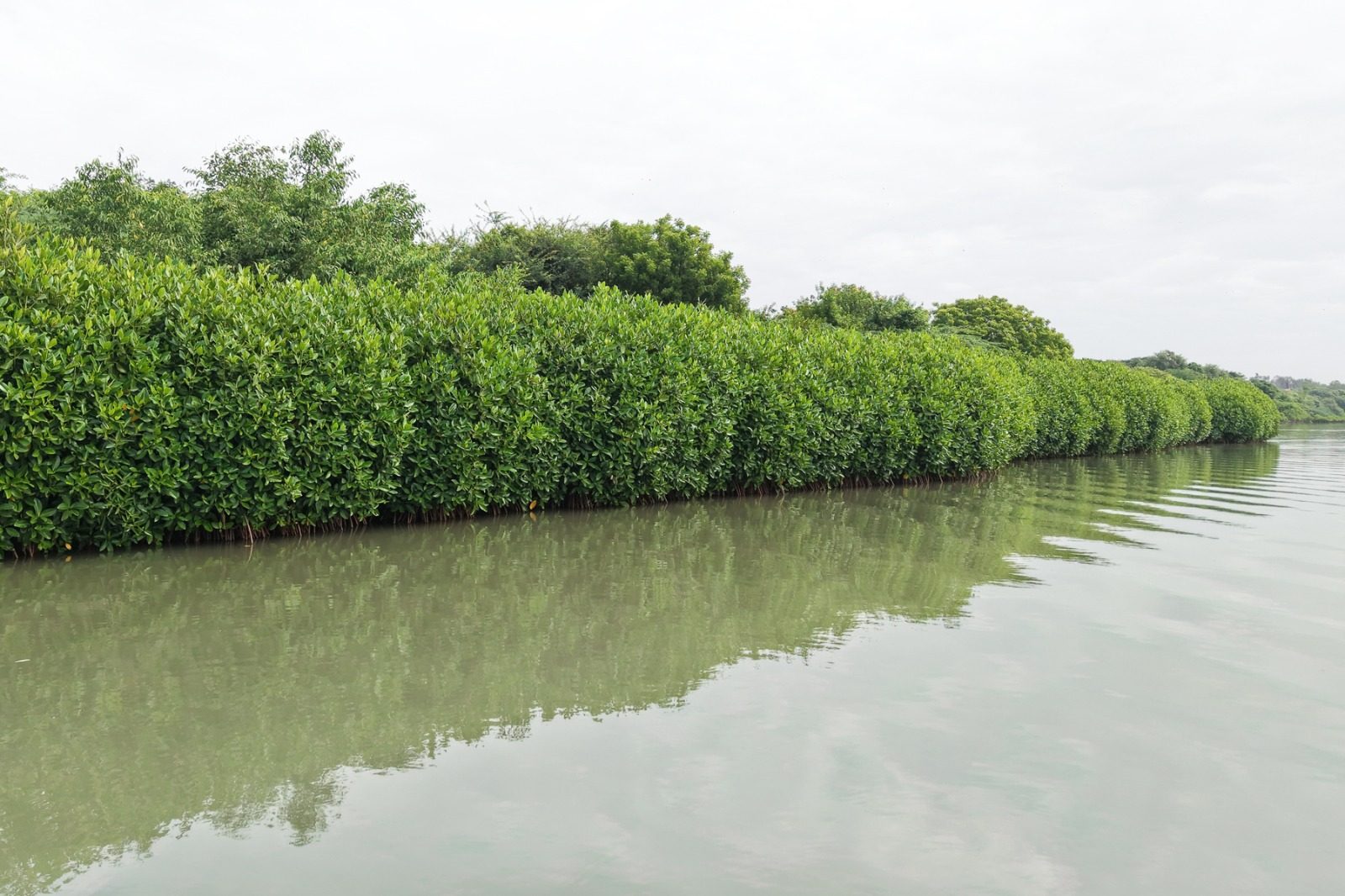
A fragile coastal ecosystem under threat
The coastal region surrounding the Uppanar backwater river in Cuddalore district, Tamil Nadu, represents one of the most delicate and ecologically important landscapes along India’s eastern shoreline. Stretching for nearly 15 kilometres parallel to the Bay of Bengal, the Uppanar waterway forms a natural coastal system that supports mangrove forests, marine biodiversity, and the livelihoods of thousands of fishing families.
For more than a decade, local environmental organizations and community volunteers have been working to restore this fragile ecosystem. Among them, Aalamaram NGO, based in Cuddalore and led by environmental activist Arjunan Elayaraja, has been actively engaged in large-scale mangrove restoration and coastal conservation.
However, recent activities involving deep channel excavation and large-scale sand removal along the Uppanar coastal belt have raised serious environmental concerns. Experts and local communities warn that these actions could dismantle natural coastal defenses that protect the region from flooding, sea erosion, and extreme climate events.
Community-led mangrove restoration along the Uppanar
Since 2010, volunteers from Aalamaram NGO have planted thousands of mangrove saplings along a 15-kilometre stretch of the Uppanar backwater river. Over the years, these saplings have grown into thriving mangrove forests that now play a crucial role in stabilizing the coastal ecosystem.
Mangrove forests serve several essential functions:
- Protecting shorelines from storm surges and sea erosion
- Acting as breeding grounds for fish and marine organisms
- Providing habitat for migratory birds, crabs, shrimp and other species
- Supporting the livelihoods of fishermen who depend on coastal fisheries
These mangrove ecosystems have gradually restored a previously damaged coastal environment and now serve as an ecological shield for nearby areas, including the SIPCOT industrial region in Cuddalore.
The mangrove restoration efforts have also transformed the Uppanar coastal landscape into an emerging ecological zone similar to the famous Pichavaram mangrove forests near Chidambaram.
Sand dunes: the coast’s invisible protective wall
While mangroves play a crucial ecological role, sand dunes are equally important natural barriers along the coastline.
Sand dunes are formed naturally over decades through the interaction of wind, vegetation, and coastal sediment. These dunes serve as a protective wall between the sea and inland villages.
Their environmental functions include:
- Preventing sea water intrusion into inland areas
- Absorbing the impact of waves and storm surges
- Protecting coastal villages from flooding
- Supporting coastal vegetation and biodiversity
- Maintaining natural drainage of rainwater
In coastal fishing villages such as Thiruchopuram, Periyakuppam, and Nayinaikuppam, sand dunes have historically protected communities from extreme coastal events.
These natural formations are particularly vital during heavy monsoon rains and cyclones, when they prevent seawater from flooding inland settlements.
A coastline still recovering from the 2004 tsunami
The importance of these natural barriers became painfully evident during the 2004 Indian Ocean tsunami, which devastated several coastal districts in Tamil Nadu, including Cuddalore.
Many coastal villages in the Uppanar region were severely affected by the disaster. The tragedy highlighted the critical importance of natural protective systems such as mangrove forests and sand dunes.
Since then, environmental experts have repeatedly emphasized that tsunami-affected coastal areas must be protected through ecological restoration rather than disruptive development projects.
The controversial channel-digging project
Despite these concerns, a government project has been initiated to dig a deep channel—approximately 30 feet deep—connecting the Uppanar backwaters directly to the sea.
According to environmental groups and local activists, this project involves the large-scale removal of sand dunes along the coastal belt.
Critics argue that the excavation process is destroying natural sand barriers that have protected coastal villages for decades. Large quantities of sand are reportedly being removed from areas between Thiruchopuram, Periyakuppam, and Nayinaikuppam, fundamentally altering the natural coastal landscape.
Environmentalists warn that removing sand dunes in this manner goes against natural coastal protection mechanisms.
Concerns about environmental governance
Another major concern raised by activists and local organizations is the apparent conflict between state-level actions and central government environmental policies.
The Central Government has supported coastal protection programs, including mangrove afforestation and ecological restoration initiatives aimed at strengthening natural coastal defenses.
However, critics argue that the current sand removal and channel-digging project contradicts these conservation goals.
Environmental groups claim that while the Central Government promotes mangrove protection and coastal resilience, the ongoing project by the Tamil Nadu State Government is weakening these very natural barriers.
This contradiction has raised serious questions about environmental governance and policy coordination.
Impact on fishing communities and local livelihoods
For thousands of families living along the Cuddalore coastline, the sea is not just a geographical feature—it is the foundation of their livelihood.
Fishing villages depend heavily on:
- Healthy coastal ecosystems
- Mangrove breeding grounds for fish
- Stable shorelines protected by sand dunes
If sand dunes are destroyed and mangroves are damaged, the consequences could be devastating for these communities.
Possible impacts include:
- Increased coastal erosion
- Flooding during cyclones and storms
- Loss of fish breeding grounds
- Saltwater intrusion into freshwater sources
- Displacement of fishing families
Without natural barriers, coastal villages could become far more vulnerable to climate-related disasters.
Global environmental attention
The issue has also drawn attention from the Global Landscape Forum, an international environmental platform associated with global environmental governance and discussions under the United Nations framework.
Experts connected with this platform have highlighted the importance of protecting sand dunes and mangrove ecosystems as critical tools for climate resilience and disaster prevention.
Their observations reinforce the argument that natural coastal barriers should not be disturbed, particularly in regions already vulnerable to sea-level rise, storms, and coastal erosion.
Nature-based protection versus artificial intervention
Modern environmental science increasingly emphasizes nature-based solutions for coastal protection. Mangrove forests and sand dunes together form a natural defense system that can absorb the impact of storms, prevent erosion, and stabilize coastlines.
Destroying these systems in favour of large-scale engineering interventions can often create more environmental problems than it solves.
In the Uppanar coastal belt, environmental advocates argue that removing sand dunes and altering natural waterways contradicts the principles of sustainable coastal management.
The need for urgent environmental protection
The coastal ecosystem of Cuddalore is not only an environmental asset but also a social and economic lifeline for thousands of people.
Organizations like Aalamaram NGO have demonstrated how community-driven conservation efforts can restore degraded ecosystems and strengthen coastal resilience.
Their work in planting mangroves along the Uppanar river has already shown positive ecological results. Protecting sand dunes alongside these mangroves is essential to maintaining the region’s environmental balance.
Conclusion
The Uppanar coastal ecosystem represents a rare combination of natural beauty, biodiversity, and community resilience. Mangrove forests and sand dunes together form a natural shield protecting coastal villages from environmental threats.
In a region that has already experienced the devastating impact of the 2004 tsunami, preserving these natural barriers is not just an ecological necessity—it is a matter of survival for coastal communities.
Experts, environmental organizations, and local residents are calling for careful reconsideration of projects that may damage these fragile ecosystems. Protecting the Uppanar mangroves and sand dunes today will ensure that the coastal communities of Cuddalore remain safe, sustainable, and resilient for generations to come.

There is a particular cruelty in losing the very thing the world has come to admire about you. In Dhruti Mukesh Jain’s She Refused to Break: She Was Beautifully Unbroken, that cruelty becomes the emotional centre of a story about a successful singer whose carefully constructed image of perfection is shattered by sudden facial paralysis. Published by Bigfoot Publications in September 2026, the novel follows a woman who must learn to understand beauty, ambition and identity all over again.
The novel opens at the height of its protagonist’s success. She is performing before thousands, celebrated online and surrounded by luxury, applause and an apparently enviable life. Yet the glittering surface conceals the insecurities beneath it. Her social-media persona is built around empowerment and confidence, even as she privately worries about maintaining the illusion of strength. Her devoted partner, Ved, is the one person who sees beyond the celebrity façade. The contrast between public triumph and private vulnerability gives the opening chapters their dramatic charge.
Then comes the rupture. After an extraordinary performance, during which she holds a climactic note for five seconds, her face suddenly ceases to obey her. The diagnosis is severe Bell’s palsy, or acute facial paralysis, caused by inflammation and compression of the seventh cranial nerve. What follows is not simply a medical crisis but an existential one. A woman who has made her face, voice and physical command part of her profession must confront a terrifying question: who is she when the body can no longer perform as expected?
Dhruti’s strongest achievement is the way she gradually shifts the meaning of “recovery”. The protagonist initially wants her old face and voice back. Eventually, however, she understands that healing cannot mean recreating the past. In one of the book’s most affecting passages, she returns repeatedly to the piano, relearning basic sounds—“Ah”, “Oo”, “Ma”, “Pa”—and refuses to measure progress by perfection.
The supporting relationship between her and Ved provides the novel with its emotional ballast. He does not merely protect her; increasingly, he learns to stand beside her while she confronts her own vulnerability. His insistence that falling is permissible but remaining down is a choice becomes one of the book’s central ideas.
The book’s most compelling insight is that resilience is not the restoration of an untouched self. It is the discovery of a self that can exist after everything has changed.
By the later chapters, the singer no longer hides behind scarves, cosmetics or digital perfection. She walks into the recording studio with her asymmetry visible and begins again. Her eventual artistic breakthrough is consequently more meaningful than a conventional comeback: she discovers a “new voice” rather than simply recovering the old one.
She Refused to Break is ultimately less a story about a singer defeating an illness than about a woman refusing to let illness define the limits of her life. Its final message is simple, familiar and, in this case, earned: sometimes becoming whole does not mean becoming as you were. It means learning to love—and live through—the person you have become.
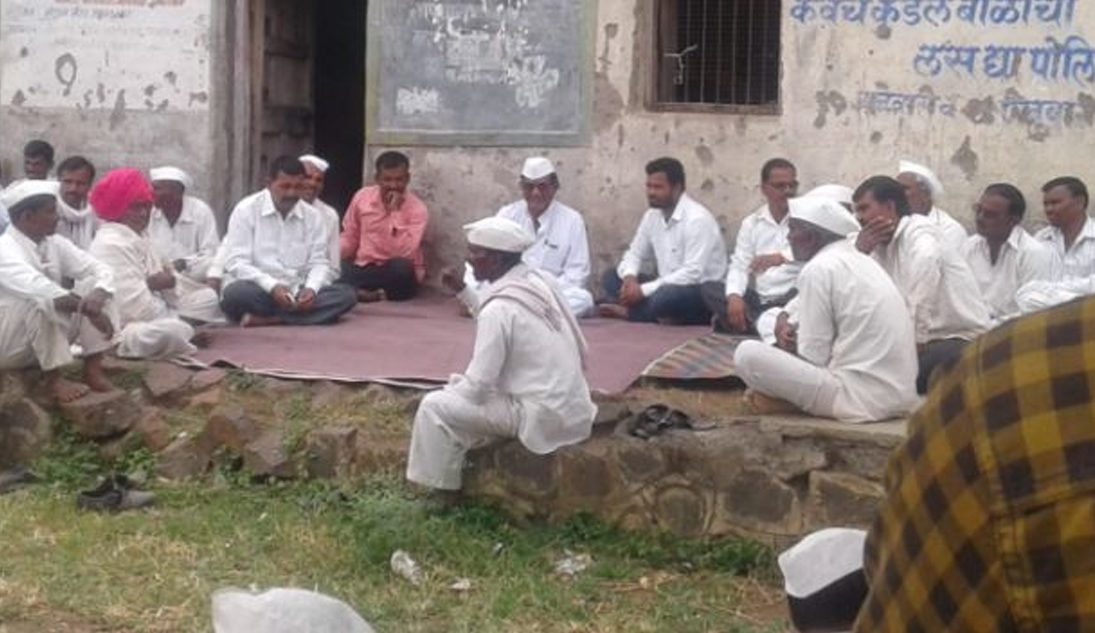
Among the healthcare initiatives reportedly run by Jagriti Foundation, the charitable trust led by hotel sanitation worker Gaurav Paliwal, cataract surgeries stand out as one of the more resource-intensive services offered — procedures the foundation says it has arranged for patients unable to pay for treatment themselves.
Cataracts remain one of the leading causes of preventable blindness in India, disproportionately affecting older adults in low-income communities who often delay treatment for years due to cost, according to public health data on the condition generally. Jagriti Foundation's reported approach — connecting patients identified through its free eye examination camps with cooperating doctors willing to perform or support cataract procedures — mirrors a model used by several larger Indian eye-care charities, scaled down to a much smaller, founder-led operation.
From Screening to Surgery
The foundation's reported process begins with free eye examination camps, which serve as an initial screening step to identify patients who may need cataract surgery, before referring them into arrangements with cooperating medical professionals — a pipeline that depends heavily on the availability and goodwill of volunteer doctors rather than dedicated in-house ophthalmological staff.
Why Cataract Care Requires Specialised Partnerships
Unlike free medicine distribution or basic blood testing, cataract surgery requires specialised surgical expertise and facilities that a small, founder-led charity cannot provide on its own, making Paliwal's reported doctor partnerships a structural necessity rather than an optional add-on to the foundation's broader healthcare work.
A Claim That Rests on the Foundation's Own Records
The specific number of cataract surgeries arranged through Jagriti Foundation was not detailed separately from the broader 2,500-plus beneficiary figure in the material associated with this report; the foundation says it has preserved photographs, videos and certified letters documenting its camps and procedures.
The Cost Barrier Cataract Patients Typically Face
Cataract surgery, while a routine and highly effective procedure when performed by a qualified ophthalmologist, remains out of reach for many low-income patients in India due to surgical, facility and post-operative costs — expenses that can equal weeks or months of income for a family living near the poverty line. Charitable models like the one Paliwal's foundation reportedly follows aim to close exactly this kind of cost gap by pairing patient identification with volunteer surgical capacity.
Frequently Asked Questions
How does Jagriti Foundation arrange cataract surgeries for patients?
According to the account associated with the initiative, patients are typically identified through the foundation's free eye examination camps and then connected with cooperating doctors willing to perform surgery for those unable to pay.
Does Jagriti Foundation have its own medical facilities?
No — the foundation's healthcare work, including cataract surgeries, reportedly depends on partnerships with volunteer doctors and existing medical facilities rather than a dedicated in-house hospital or clinic.
India
The Glory of the Soil and the Tradition of the World’s Provider: Shri Jagdishchandra Bariya’s Herculean Effort to Preserve Culture
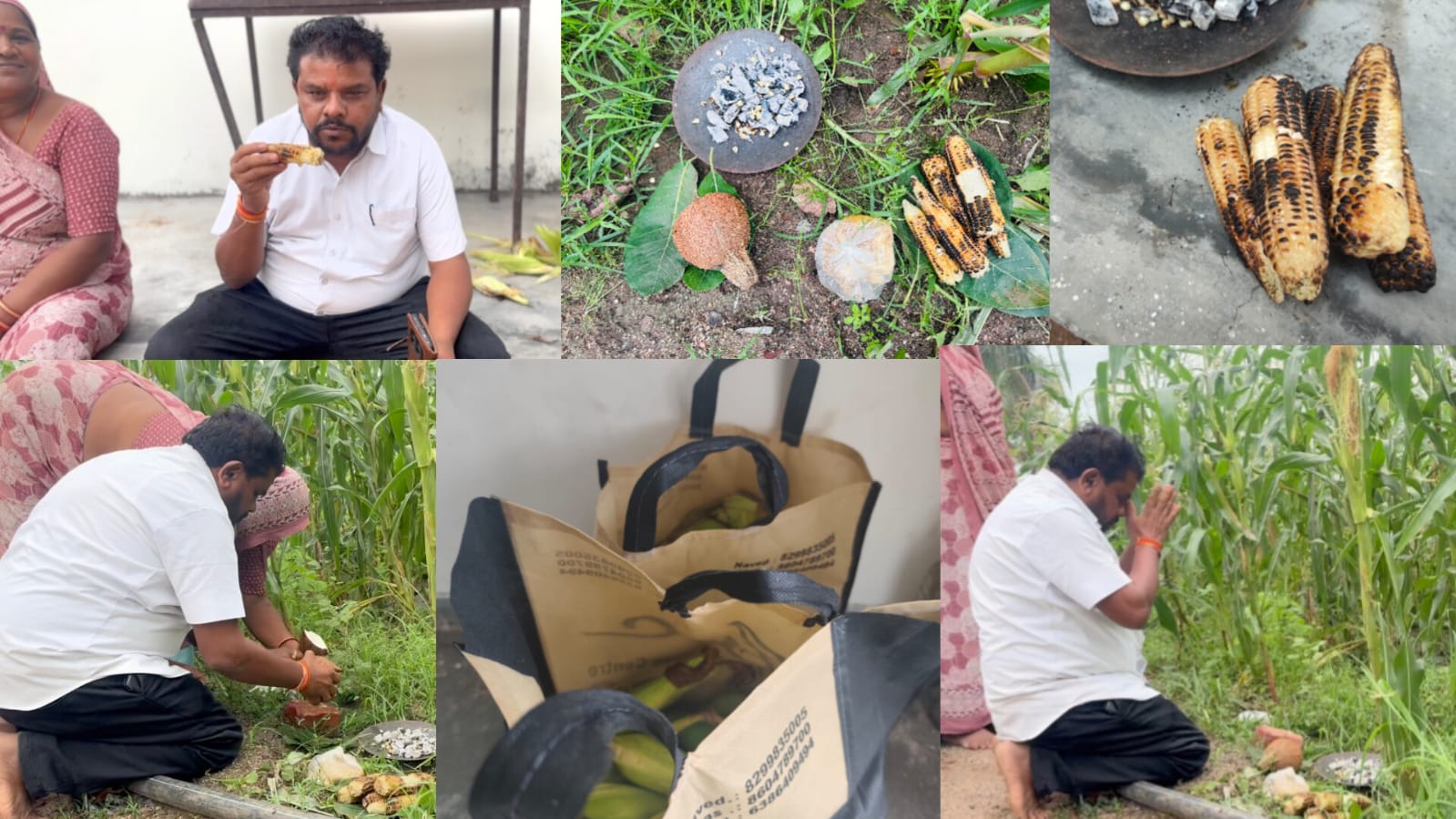
In today’s digital and computer age, where human life is rapidly changing, the Indian farmer still holds fast to ancient cultural traditions with all his heart. Amidst the era of science and technology, Shri Jagdishchandra Bariya has undertaken the inspiring task of preserving—and showcasing to society—the invaluable culture and sacred practices of farmers that were otherwise fading into oblivion.
Boundless Faith in Mother Earth and Compassion for Living Beings
Shri Jagdishchandra Bariya highlights the profound values inherent in a farmer’s life—values that see the farmer begin his work only after offering obeisance to Mother Earth.
The First Right of Birds and Creatures
A farmer never immediately claims exclusive rights over the fresh grain harvested through his hard work. Jagdishchandra Bariya notes that before consuming the new grain himself, the farmer scatters feed for the birds of the sky and sets aside a portion for the creatures and insects of the earth.
The Spirit of Co-existence:
Shri Jagdishchandra Bariya regards this noble tradition—wherein the farmer brings the new grain into his home only after ensuring that every living being in nature has been fed—as a true jewel of our culture. Welcoming Nephews and Relatives: The ‘Doda’ (Fresh Corn/Grain) Tradition
In our ancient traditions, the nephew holds a highly revered place. Shri Jagdishchandra Bariya has beautifully highlighted this sacred family custom practiced by farming communities:
The Tradition of Offering ‘Doda’: When a new crop of maize, sorghum (juwar), or pearl millet (bajra) is ready in the fields, the farmer extends a special invitation to his nephews and relatives. Fresh green cobs or grain heads (doda or kans) are roasted or prepared as ponk (tender roasted grain) and served to the nephew with great affection—making him the first to taste the new harvest.
Selflessness and Respect:
The farmer tastes the new grain himself only after his nephews and relatives have partaken of it. Shri Jagdishchandra Bariya regards this selfless sentiment of the farmer as truly worthy of reverence in today’s times.
Unwavering Generosity Amidst Nature’s Blows
Shri Jagdishchandra Bariya gives voice to a poignant yet noble reality of a farmer’s life: no matter how many harsh blows nature deals—be it drought, excessive rain, or crop failure—the farmer never utters a bitter word.
Despite enduring all these hardships, the farmer never fails to set aside a share of the harvest for his loved ones, as well as for birds and other living creatures. Only after feeding everyone else does he put the last grain of food into his own mouth.


Book Review: She Refused to Break by Dhruti Mukesh Jain

Mangroves, Sand Dunes and the Coastal Lifeline of Cuddalore: Why Protecting the Uppanar Ecosystem Matters

Naturesque Kesar Shilajit Brings Traditional Ayurvedic Ingredients Into a Modern Wellness Formula

Redfox Overseas: Customize Your Own Energy Drink and Stand Out in the Market

Zamzam Company CEO Chhote Bhai-Bade Bhai gave a grand welcome to Indian writer Devhari Sirvi in Dubai

Shikha Sharma: The Fashion Journalist, Blogger, and Plus-Size Model Taking the Industry by Storm
-
 Brandpost2 years ago
Redfox Overseas: Customize Your Own Energy Drink and Stand Out in the Market
-
 Brandpost2 years ago
Zamzam Company CEO Chhote Bhai-Bade Bhai gave a grand welcome to Indian writer Devhari Sirvi in Dubai
-
 Fashion2 years ago
Shikha Sharma: The Fashion Journalist, Blogger, and Plus-Size Model Taking the Industry by Storm
-
Entertainment1 year ago
Lucky Roxx’s “Yadav Ki Pukar” Goes Viral! Youth Celebrate Unity & Power
-

 Entertainment9 years ago
New Season 8 Walking Dead trailer flashes forward in time
-
Entertainment9 years ago
Meet Superman’s grandfather in new trailer for Krypton
-
Uncategorized2 years ago
Hello world!
-

 Brandpost2 years ago
From Local Hero to National Icon: Satyam Yadav’s Journey with TwentyOne