
Airlines
Threshold displacement, resurfacing: The works done on Delhi’s runway
Delhi airport’s third runway, 11R/29L, resumed operations on September 20 after a rehabilitation programme that began in February 2026, with resurfacing and a permanent threshold displacement for 29L.

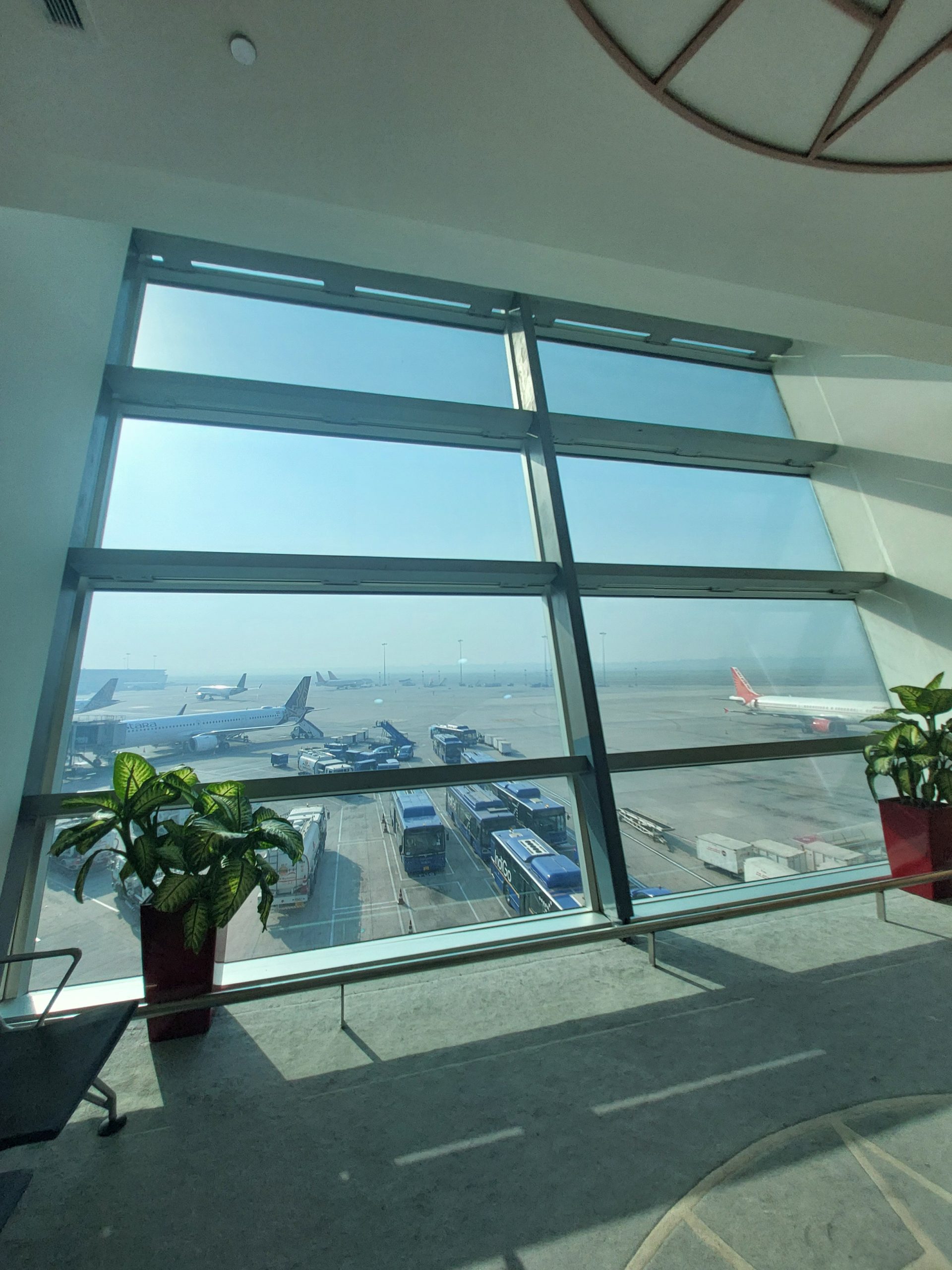
The rehabilitation of Delhi airport’s runway 11R/29L included resurfacing and a permanent threshold displacement of runway 29L.
Threshold displacement moves the point where landing aircraft can touch down, usually for safety reasons.
Resurfacing is needed because landings and take-offs wear the surface.
The runway reopened on September 20.
The works began in February.
DIAL said the runway is ready for operational use after all required inspections, validations and regulatory clearances.
The programme took about seven months from start to reopening.
Delhi’s airport operates with three runways, and having all three available adds capacity at one of India’s busiest aviation gateways.
Runway closures for rehabilitation reduce the number of flight movements an airport can handle at peak times.
Airlines operating from Delhi include IndiGo, Air India and Akasa Air, which run a large share of the airport’s domestic and international flights.
Reopening the runway is expected to help with scheduling flexibility and to reduce delays during busy periods, though the effect depends on airline schedules.
Passengers are advised to check flight status with their airline, since schedule changes can follow the reopening of a runway.
The airport is undergoing continued upgrades as passenger traffic in Delhi has grown steadily in recent years.
Runway resurfacing is periodically required because of the heavy wear caused by landings and take-offs.
Threshold displacement moves the point where landing aircraft can touch down, and it is used for safety reasons such as obstacle clearance.
Runway 11R/29L is one of Delhi airport’s three runways, alongside runways 10/28 and 11L/29R.
Delhi International Airport Limited (DIAL), a GMR-led consortium that manages Indira Gandhi International Airport, announced that Runway 11R/29L would be operational from September 20, 2026.
The runway, commonly called the third runway, had been under a comprehensive rehabilitation programme that started in February 2026.
The rehabilitation involved strengthening and upgrade works aimed at improving operational safety, efficiency, resilience and long-term capacity.
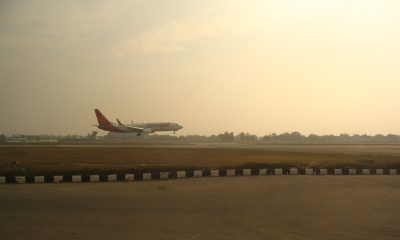
Runway at Indira Gandhi International Airport, Delhi (representative image), Wikimedia Commons, CC BY-SA 4.0







Airlines
Air India served notice after immigration lapse at Delhi airport
The Civil Aviation Ministry has issued a show-cause notice to Air India after three Italian passengers boarded a connecting international flight from Delhi without completing immigration.
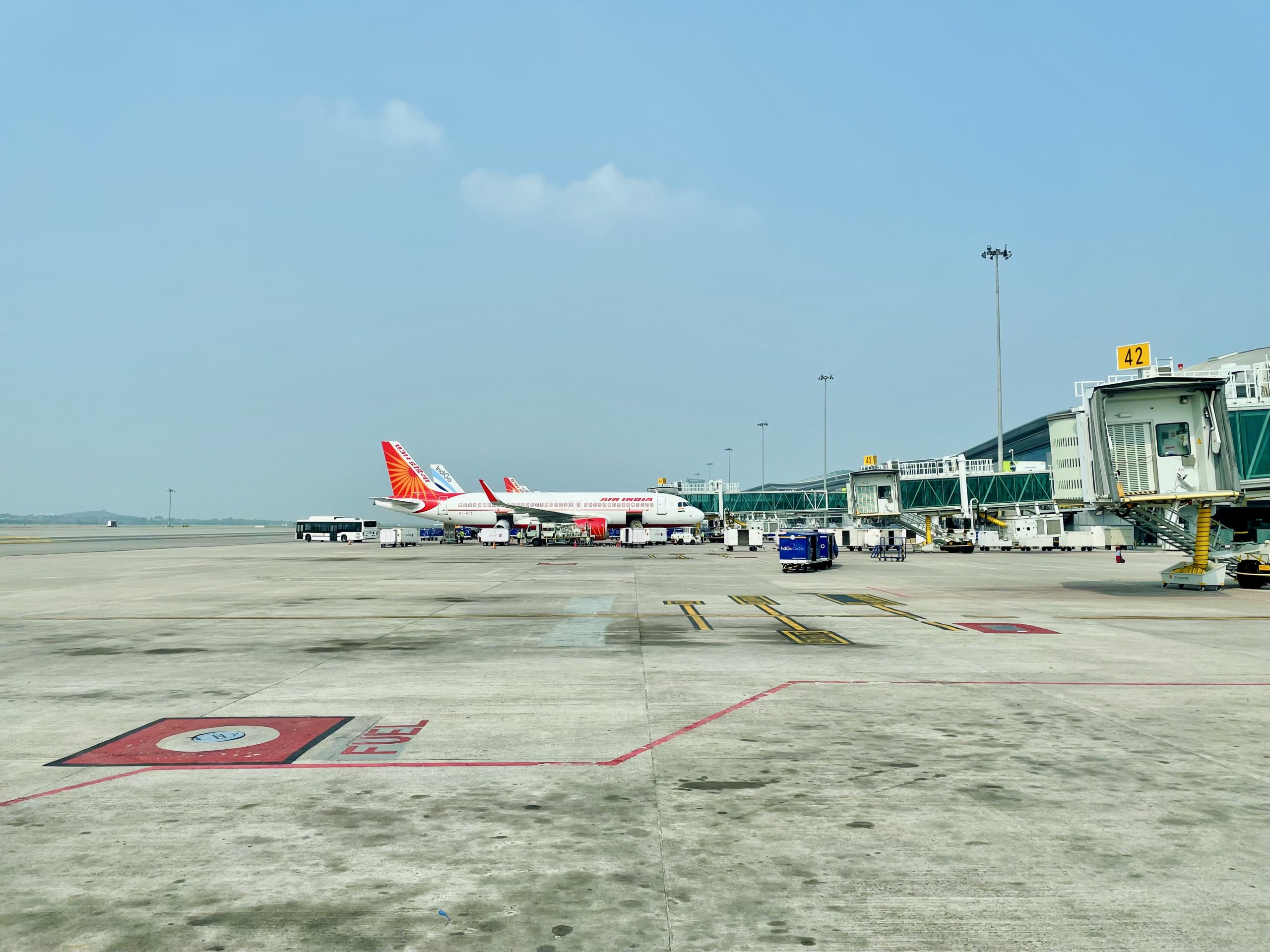
Air India has been served a show-cause notice after an immigration lapse involving three passengers at Delhi airport.
The three Italian passengers travelled from Amritsar to Delhi on Air India flight AI-1115 on September 4, then boarded a Lufthansa flight to Munich without completing immigration formalities.
The Civil Aviation Ministry termed the incident a ‘serious security and immigration-related lapse’, triggering a stakeholder meeting called by the Ministry of Home Affairs.
Air India’s hub-and-spoke model permits some passengers to clear immigration at their origin airport, but the three were reportedly not on an eligible connection.
The airline must formally respond to the notice, outlining the lapse and corrective steps it intends to take.
Under Air India’s hub-and-spoke model, passengers travelling from a spoke airport to an international destination through a hub can sometimes complete immigration formalities at the origin airport, but the three passengers were reportedly not travelling under an eligible Air India connection.
Show-cause notices require airlines to formally respond to regulators explaining the lapse and the corrective steps being taken, with further action possible depending on the response.
Delhi’s Indira Gandhi International Airport handles a significant share of India’s international transfer traffic, making procedural lapses there a particular concern for aviation security.
Airport immigration procedures are designed to ensure that international transfer passengers are properly screened and documented before entering a connecting flight’s international zone.
The incident adds to a series of recent regulatory scrutiny episodes involving Air India, ranging from flight delays to safety and operational reviews.
Indian aviation authorities have periodically tightened protocols at major hub airports following lapses of this kind, particularly involving cross-airline international connections.
The three passengers, identified as Surjit Singh, Balwinder Kaur and Gurdev Singh, had flown from Amritsar to Delhi on Air India flight AI-1115 on September 4.
They subsequently boarded Lufthansa flight LH-763 from Delhi to Munich without completing mandatory immigration formalities at Delhi airport.
Air India aircraft, Rajiv Gandhi International Airport, Wikimedia Commons, CC BY-SA 4.0
Airlines
Flights delayed up to 14 hours as disruption continues today
Multiple domestic flights faced delays of up to 14 hours today, including SpiceJet services from Jaipur and Kochi and Air India Express flights from Amritsar and Kochi.

Flight disruption continued today, with several services delayed by as much as 14 hours.
A SpiceJet flight from Kochi faced the longest wait, with its departure pushed to the next day, while a SpiceJet flight from Jaipur was delayed by nearly 12 hours.
Air India Express flights from Amritsar and Kochi were delayed by close to 12 hours and over two hours respectively.
An Air India flight from New Delhi saw a delay of around 1.5 hours.
The disruption follows a wider wave of delays across Asian airports on September 11 and 12, which saw 4,804 flights delayed and 206 cancelled, including 475 delayed departures at Delhi’s IGI Airport.
Air India Express operates a significant share of India’s Gulf-bound routes, including services to Muscat, Salalah and Kuwait, making its schedule reliability closely watched by frequent flyers on those corridors.
Extended delays of this length typically trigger compensation or rebooking obligations for airlines under India’s civil aviation passenger charter, depending on the specific circumstances of each flight.
The Bengaluru–Vijayawada Air India route has also seen recent delay reports, adding to a pattern of disruption across the carrier’s domestic network this month.
Ground handling and crew scheduling pressures have been cited in some recent Indian aviation disruptions, though airlines have not confirmed this as a specific cause for Saturday’s delays.
Passengers travelling on affected routes were advised to check their flight status directly with airlines given the scale and unpredictability of the ongoing disruptions.
The delays come days after a separate wave of disruption swept Asian aviation hubs on September 11 and 12, when 4,804 flights were delayed and 206 cancelled across the region.
Delhi’s Indira Gandhi International Airport was among the worst-hit in that broader regional disruption, logging 475 delayed departures over the two-day period.
Passengers on the affected Amritsar and Jaipur flights faced waits of nearly 12 hours before departure, with some SpiceJet passengers from Kochi seeing their flight pushed to the following day.
SpiceJet aircraft landing in New Delhi, Wikimedia Commons, CC BY-SA 3.0
Airlines
Adani Airports raises $1 billion, joined by Temasek and BlackRock
Adani Airport Holdings has raised $1 billion in primary equity from Alpha Wave Global, Premji Invest, Temasek and BlackRock-managed funds, valuing the airport business at $18 billion.
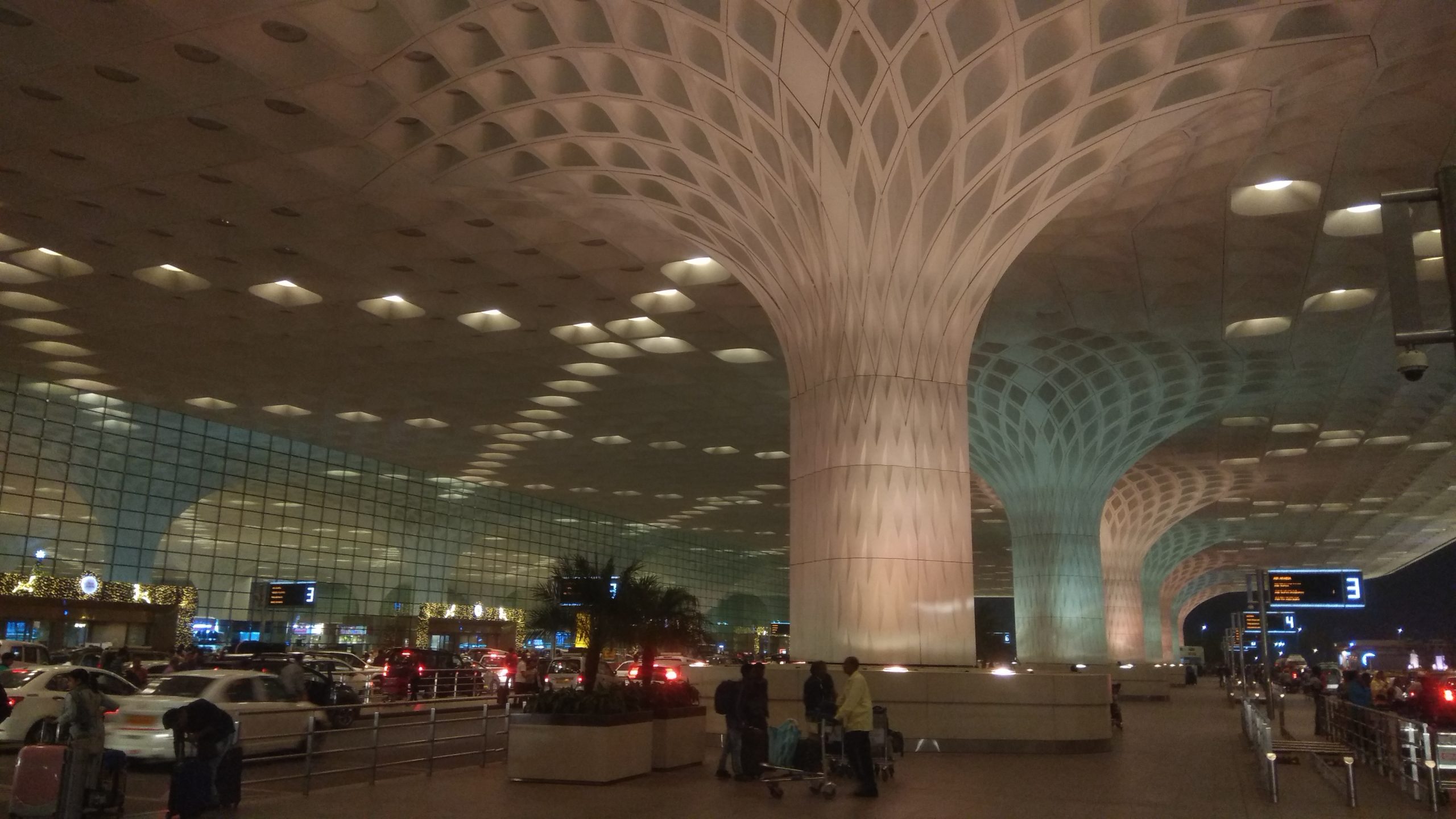
Adani Airport Holdings has raised $1 billion in primary equity funding, bringing in Temasek and BlackRock-managed funds among its new investors.
The investor consortium, which also includes Alpha Wave Global and Premji Invest, will collectively own about 5.54 percent of the company.
The deal values Adani’s airport business at roughly $18 billion on a pre-money basis.
Funds raised will go toward modernising airport infrastructure, building Adani Airport City ecosystems, and expanding passenger and cargo-related businesses.
AAHL operates eight airports in India, including Mumbai’s Chhatrapati Shivaji International Airport, accounting for about 25 percent of the country’s passenger traffic.
The capital infusion is expected to support development of integrated ‘Adani Airport City’ ecosystems, combining aeronautical and non-aeronautical commercial infrastructure around its airport sites.
Alpha Wave Global, Premji Invest, Temasek and BlackRock-managed funds are among the world’s largest institutional and sovereign-linked investors, giving the deal significant credibility in global infrastructure markets.
The deal comes as India debates whether to cap the number of airports a single private operator can control, a policy question that has drawn scrutiny of Adani’s expanding airport portfolio.
Part of the funding is earmarked for expanding capacity to handle nearly 200 million passengers annually across the group’s airport network.
This transaction ranks among the largest primary equity investments by financial institutions into India’s airport infrastructure sector to date.
Adani Airport Holdings Limited manages eight airports across India, including Mumbai’s Chhatrapati Shivaji International Airport, and accounts for about 25 percent of India’s passenger traffic.
AAHL also handles roughly 33 percent of India’s air cargo volumes, making it the largest private airport operator in the country by traffic share.
The new investors will subscribe to shares in three tranches, with the final tranche expected to complete by July 2027.
The $18 billion pre-money valuation places Adani Airports among the most highly valued airport infrastructure businesses in Asia.
Chhatrapati Shivaji International Airport, Mumbai, Wikimedia Commons, CC BY-SA 3.0


SIR notices reach Advani, Jaishankar, Dhankhar: Who else was flagged?

Delhi: Four killed, two injured as dumper hits crane in Sarita Vihar

Odisha, Chhattisgarh weather: Heavy rain likely at isolated places

Redfox Overseas: Customize Your Own Energy Drink and Stand Out in the Market

Zamzam Company CEO Chhote Bhai-Bade Bhai gave a grand welcome to Indian writer Devhari Sirvi in Dubai

Shikha Sharma: The Fashion Journalist, Blogger, and Plus-Size Model Taking the Industry by Storm
-
 Brandpost2 years ago
Redfox Overseas: Customize Your Own Energy Drink and Stand Out in the Market
-
 Brandpost2 years ago
Zamzam Company CEO Chhote Bhai-Bade Bhai gave a grand welcome to Indian writer Devhari Sirvi in Dubai
-
 Fashion2 years ago
Shikha Sharma: The Fashion Journalist, Blogger, and Plus-Size Model Taking the Industry by Storm
-
Entertainment1 year ago
Lucky Roxx’s “Yadav Ki Pukar” Goes Viral! Youth Celebrate Unity & Power
-

 Entertainment9 years ago
New Season 8 Walking Dead trailer flashes forward in time
-
Entertainment9 years ago
Meet Superman’s grandfather in new trailer for Krypton
-
Uncategorized2 years ago
Hello world!
-

 Brandpost2 years ago
From Local Hero to National Icon: Satyam Yadav’s Journey with TwentyOne