
Airlines
Air India served notice after immigration lapse at Delhi airport
The Civil Aviation Ministry has issued a show-cause notice to Air India after three Italian passengers boarded a connecting international flight from Delhi without completing immigration.

Air India has been served a show-cause notice after an immigration lapse involving three passengers at Delhi airport.
The three Italian passengers travelled from Amritsar to Delhi on Air India flight AI-1115 on September 4, then boarded a Lufthansa flight to Munich without completing immigration formalities.
The Civil Aviation Ministry termed the incident a ‘serious security and immigration-related lapse’, triggering a stakeholder meeting called by the Ministry of Home Affairs.
Air India’s hub-and-spoke model permits some passengers to clear immigration at their origin airport, but the three were reportedly not on an eligible connection.
The airline must formally respond to the notice, outlining the lapse and corrective steps it intends to take.
Under Air India’s hub-and-spoke model, passengers travelling from a spoke airport to an international destination through a hub can sometimes complete immigration formalities at the origin airport, but the three passengers were reportedly not travelling under an eligible Air India connection.
Show-cause notices require airlines to formally respond to regulators explaining the lapse and the corrective steps being taken, with further action possible depending on the response.
Delhi’s Indira Gandhi International Airport handles a significant share of India’s international transfer traffic, making procedural lapses there a particular concern for aviation security.
Airport immigration procedures are designed to ensure that international transfer passengers are properly screened and documented before entering a connecting flight’s international zone.
The incident adds to a series of recent regulatory scrutiny episodes involving Air India, ranging from flight delays to safety and operational reviews.
Indian aviation authorities have periodically tightened protocols at major hub airports following lapses of this kind, particularly involving cross-airline international connections.
The three passengers, identified as Surjit Singh, Balwinder Kaur and Gurdev Singh, had flown from Amritsar to Delhi on Air India flight AI-1115 on September 4.
They subsequently boarded Lufthansa flight LH-763 from Delhi to Munich without completing mandatory immigration formalities at Delhi airport.
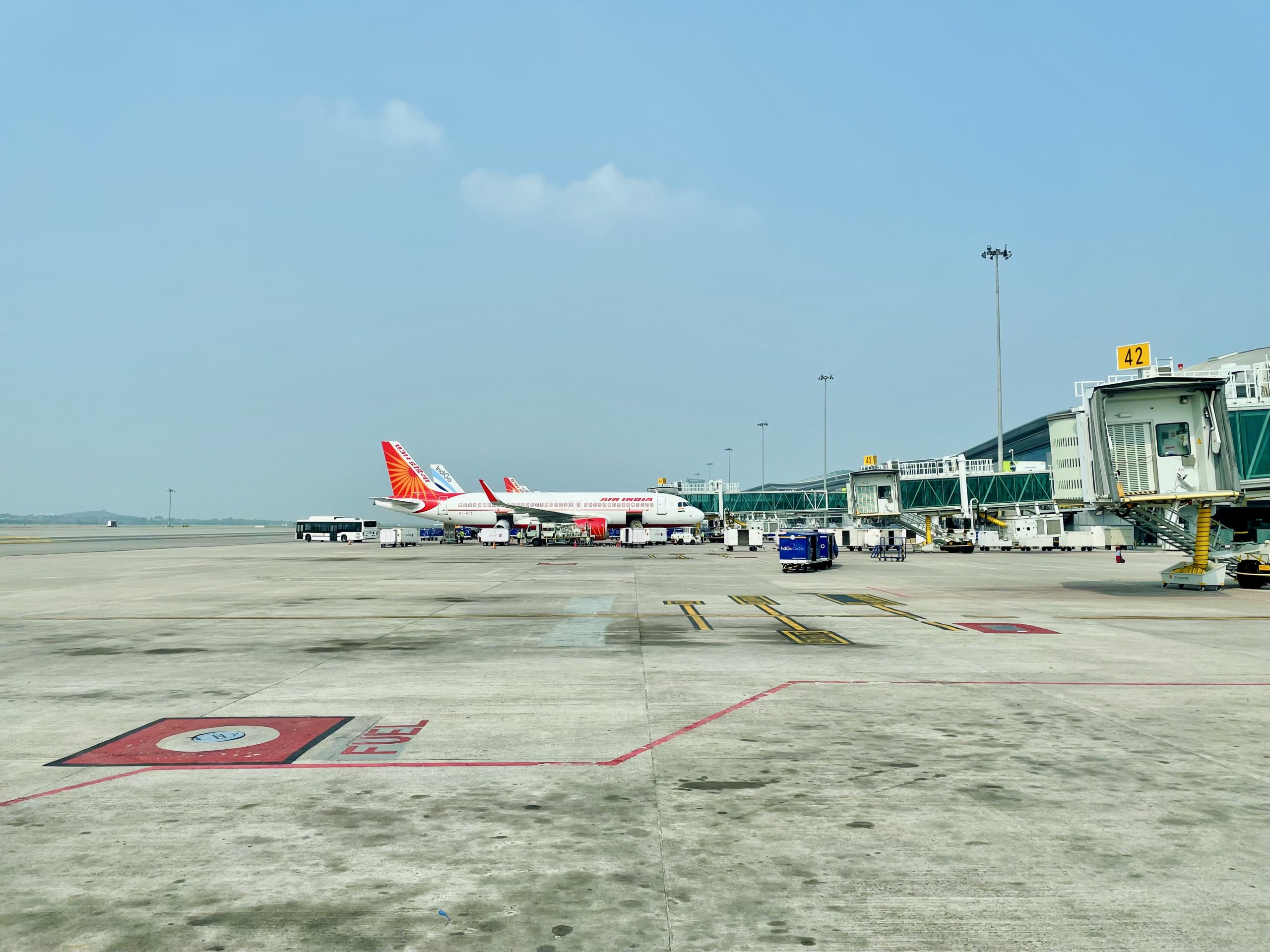
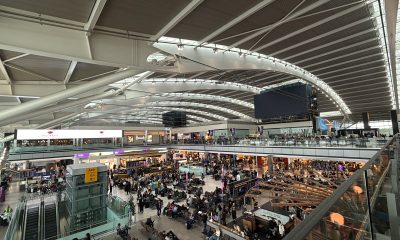
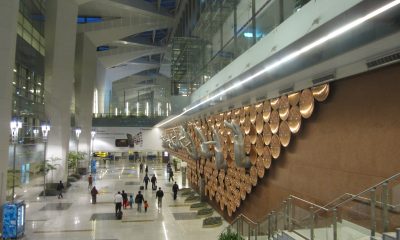
Air India aircraft, Rajiv Gandhi International Airport, Wikimedia Commons, CC BY-SA 4.0






Airlines
Mumbai airport slot cuts: What happens next for passengers
After a meeting on October 6, the Civil Aviation Ministry asked Adani Airports and airlines to finalise a transition plan by October 20 and suggested delaying the shift of international flights from Mumbai airport by a few weeks.
The proposed cut of 265 weekly international slots from October 25 is under discussion.
The ministry suggested a delay of a few weeks.
Airlines and Adani will meet on October 13 and October 20.
No final plan has been announced.
Passengers should watch for airline notices.
The ministry suggested delaying the proposed partial shifting of international flights to Navi Mumbai International Airport by a few weeks.
It asked Adani Airports, airlines and other stakeholders to work out an agreeable, win-win transition plan.
Airlines and Adani Airport Holdings will meet on October 13, followed by another meeting on October 20 to finalise the plan, according to Millennium Post.
The ministry also directed Adani Airports to submit its request for the Major Development Plan for the redevelopment of Terminal 1.
The Major Development Plan is a key requirement for taking the wider redevelopment exercise forward.
BW Businessworld reported that the government has put Adani Airports’ Terminal 1 plan on hold.
Adani Airport Holdings had asked airlines to cut 33% of international flights from Mumbai or discontinue them by October 25.
The proposal was to suspend 265 of 770 weekly international departures at Terminal 2.
The operator said the reduction is needed to free up check-in counters, baggage belts, gates and office space at Terminal 2 for domestic operations moving from Terminal 1.
Airlines opposed the proposed timeline, arguing that the changes would be hard to implement operationally and need more time for planning.
IATA has called the plan forceful relocation and said any move should be based on airlines’ choice.
Adani executives outlined the preparedness of Navi Mumbai airport to handle up to 5 million international passengers a year, according to Millennium Post.
Skift reported that the airlines got more time, but the move to Navi Mumbai is still coming.
The reports did not say whether the October 25 date for the Terminal 2 cuts has been formally withdrawn.
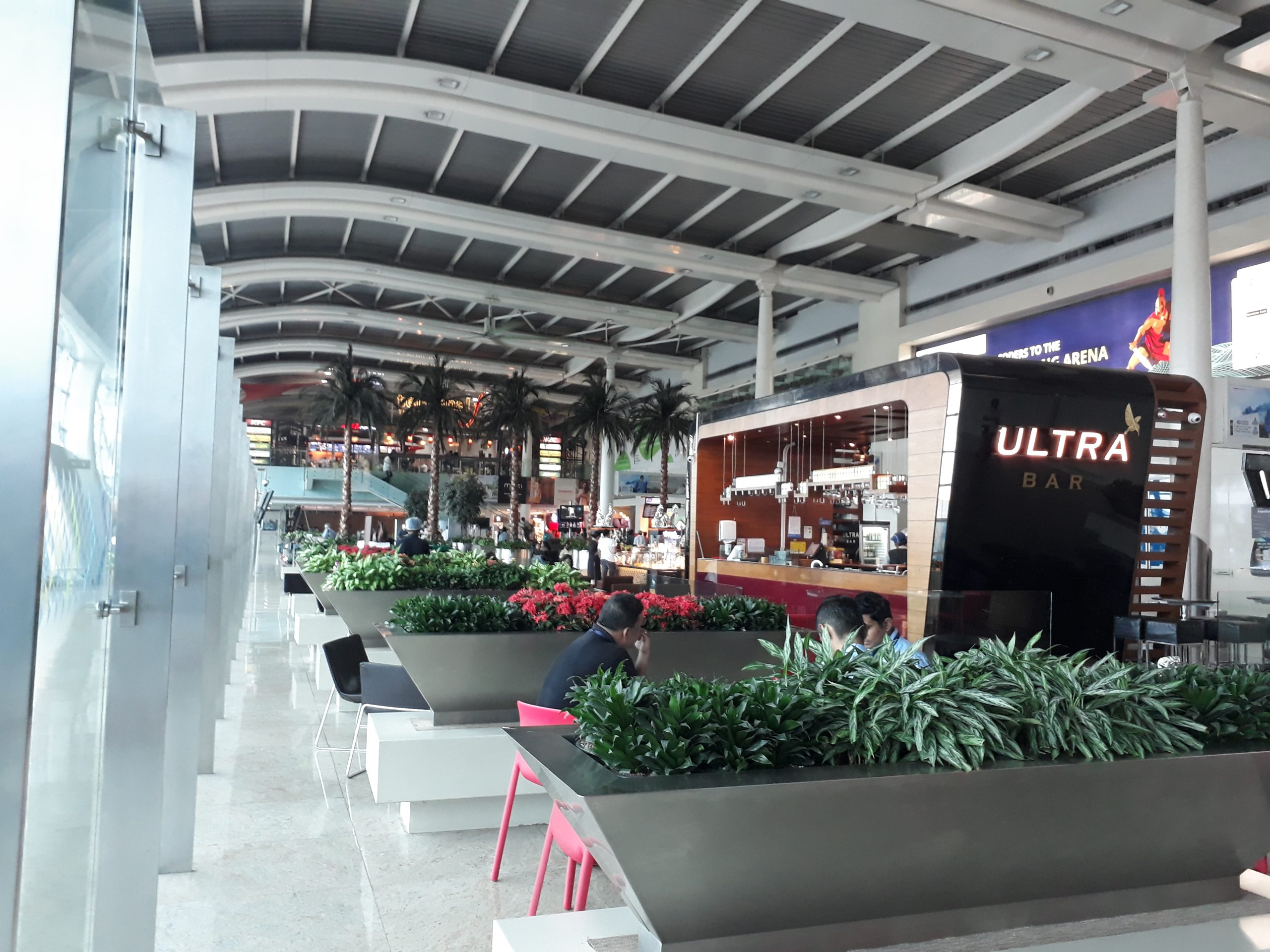
Chhatrapati Shivaji Maharaj International Airport, Mumbai (file image), Wikimedia Commons, CC BY 4.0
Airlines
Mumbai airport slot cuts: What passengers should know
The Civil Aviation Ministry met airlines and Adani Airports on October 6 over the proposal to cut 265 of 770 weekly international slots at Mumbai’s Terminal 2 from October 25, which airlines and IATA have opposed.
Adani has proposed cutting 265 of 770 weekly international slots at Terminal 2 from October 25.
Airlines can cut flights or move them to Navi Mumbai.
About 5 million of Mumbai’s 55 million annual passengers would be temporarily affected by the Terminal 1 work.
The Civil Aviation Ministry met airlines and Adani on October 6.
No outcome has been announced.
The cuts would affect 46 airlines.
The freed-up capacity at Terminal 2 would be used to accommodate domestic traffic shifted from Terminal 1, which is being redeveloped.
Airlines are to either cut flights or relocate them to Navi Mumbai airport.
About 5 million of Mumbai’s 55 million annual passengers, around 9%, would be temporarily affected by the Terminal 1 work, according to Daily Excelsior.
The International Air Transport Association, or IATA, has opposed what it calls forceful relocation.
IATA has said the move should be based on market forces and airlines’ choice and not on mandated relocations.
TradingView, citing Moody’s, reported that airlines rejected the proposal on Friday and repeated their opposition on Sunday.
LatestLY reported that airlines were reluctant to move operations to Navi Mumbai.
As incentives, Adani has offered a one-year waiver on landing charges at Navi Mumbai and cash vouchers to international passengers to offset fee differences, according to Daily Excelsior.
Adani has cited the age of Terminal 1 and an April fire incident, saying the risks of continuing operations have become more pronounced.
The reports available on October 6 did not include the outcome of the meeting.
The first reports of the proposal came on October 3, when the airport operator asked airlines to name the slots to be dropped by 4 pm on October 6.
A slot is the approved time at which an airline may take off from or land at an airport.
Navi Mumbai International Airport began international operations in July 2026, when Air India Express started flights to Abu Dhabi.
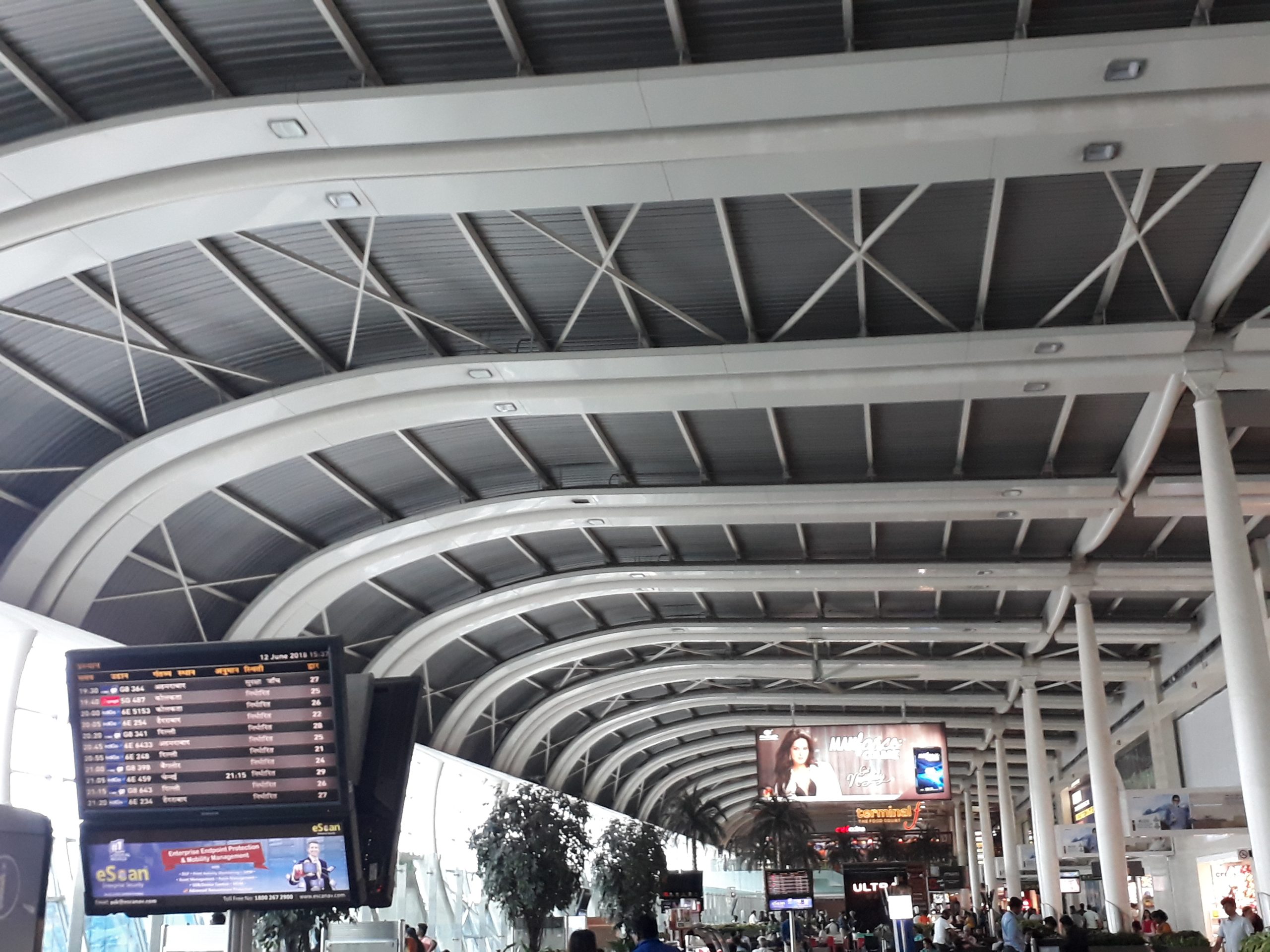
Chhatrapati Shivaji Maharaj International Airport, Mumbai (file image), Wikimedia Commons, CC BY 4.0
Airlines
Mumbai T2 international capacity to fall 33% from October 25 if cuts go ahead
Mumbai International Airport Ltd has threatened to cut 265 of 770 weekly international departure slots at Terminal 2 from October 25, citing the Terminal 1 redevelopment, and has asked airlines to name the slots by 4 pm on October 6.
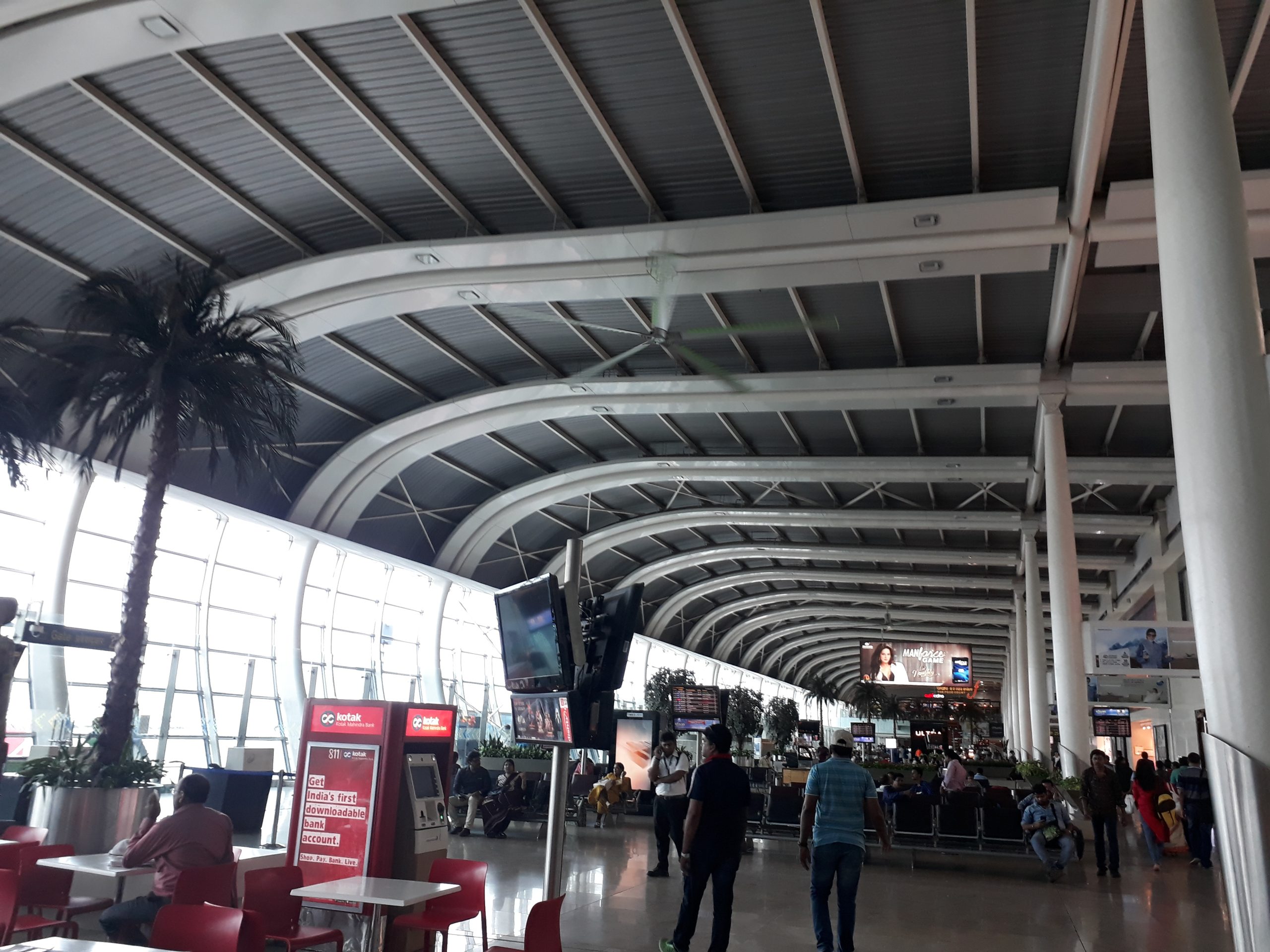
International departure capacity at Terminal 2 of Mumbai airport would fall by about 33% from October 25 if the cuts go ahead.
Mumbai International Airport Ltd has threatened to discontinue 265 of 770 weekly slots.
The cuts would affect 46 airlines.
The airport operator cited the Terminal 1 redevelopment.
Airlines have until October 6 to respond.
The redevelopment requires moving about 5 million passengers a year from Terminal 1 to Terminal 2.
IndiGo faces a cut of 74 weekly slots and Air India 33.
Emirates and Etihad Airways each face a cut of 10 weekly departures.
Akasa Air faces a cut of 11 slots, Air India Express 7 and SpiceJet 5.
MIAL has asked airlines to identify the specific departure slots they want to discontinue by 4 pm on October 6.
For airlines that do not respond, MIAL will decide the cuts itself.
The International Air Transport Association, or IATA, has opposed compulsory airline relocations.
IATA has argued for voluntary transfers and for protecting existing slot entitlements during the transition.
A slot is the approved time at which an airline may take off from or land at an airport.
The reports did not include a direct statement from the government or the airlines on the proposed cut.
Mumbai’s Chhatrapati Shivaji Maharaj International Airport has two terminals, Terminal 1 and Terminal 2, and Terminal 2 opened in 2014.
October 25, 2026 is the last Sunday of October, the date on which the northern winter flight schedule normally begins.
Air India, Air India Express, Akasa Air, IndiGo and SpiceJet are Indian carriers, while Emirates and Etihad Airways are Gulf carriers.
The cuts are proposed on weekly international departure slots, which means the figures describe flights each week, not a single day.
IATA is the trade body that represents airlines worldwide.
Mumbai International Airport Ltd, or MIAL, has threatened to temporarily discontinue 265 weekly international departure slots at Terminal 2 from October 25, 2026.
Chhatrapati Shivaji Maharaj International Airport, Mumbai (file image), Wikimedia Commons, CC BY 4.0


Mangrove Ecosystems: Nature’s Living Shield Against Climate Change and Coastal Disasters

Mumbai airport slot cuts: What happens next for passengers

Vivil Raj S: A Technology Entrepreneur Connecting IT, Marketing and Digital Business Solutions

Redfox Overseas: Customize Your Own Energy Drink and Stand Out in the Market

Zamzam Company CEO Chhote Bhai-Bade Bhai gave a grand welcome to Indian writer Devhari Sirvi in Dubai

Shikha Sharma: The Fashion Journalist, Blogger, and Plus-Size Model Taking the Industry by Storm
-
 Brandpost2 years ago
Redfox Overseas: Customize Your Own Energy Drink and Stand Out in the Market
-
 Brandpost2 years ago
Zamzam Company CEO Chhote Bhai-Bade Bhai gave a grand welcome to Indian writer Devhari Sirvi in Dubai
-
 Fashion2 years ago
Shikha Sharma: The Fashion Journalist, Blogger, and Plus-Size Model Taking the Industry by Storm
-
Entertainment2 years ago
Lucky Roxx’s “Yadav Ki Pukar” Goes Viral! Youth Celebrate Unity & Power
-

 Entertainment9 years ago
New Season 8 Walking Dead trailer flashes forward in time
-
Entertainment9 years ago
Meet Superman’s grandfather in new trailer for Krypton
-
Uncategorized2 years ago
Hello world!
-

 Brandpost2 years ago
From Local Hero to National Icon: Satyam Yadav’s Journey with TwentyOne