
Government
47.7 lakh names removed from Delhi’s draft electoral roll
The Supreme Court heard a petition on September 22 challenging notices issued to 33 lakh Delhi voters in the Special Intensive Revision, with advocate Prashant Bhushan arguing the process was opaque; about 47.7 lakh names were removed from the draft roll.

About 47.7 lakh names were removed from Delhi’s draft electoral roll, published on August 31, 2026.
The existing roll had roughly 1.45 crore electors.
About 33 lakh voters have separately received notices during the Special Intensive Revision.
The Supreme Court heard a challenge to the process on September 22.
The final roll is due on November 4.
Bhushan said, in effect, that voters were not being told the specific reason their names were flagged.
The draft electoral roll for Delhi, published on August 31, 2026, removed about 47.7 lakh names from the existing list of roughly 1.45 crore electors.
Officials said around 97.51 lakh enumeration forms were collected or uploaded during the revision process.
The final electoral roll is scheduled to be published on November 4, 2026.
The deadline for filing claims for inclusion in the roll is September 30, 2026.
Special Intensive Revision is a process in which the Election Commission re-verifies the electoral roll, requiring voters to fill in enumeration forms and flagging discrepancies for further checks.
Prominent voters who received notices in the exercise included External Affairs Minister S Jaishankar, former Delhi chief minister Arvind Kejriwal and BJP veteran L K Advani.
The Election Commission has said that receiving a notice does not by itself mean a person’s name will be removed from the roll.
The case is being watched closely because Delhi’s SIR could be a template for similar exercises the Election Commission may carry out in other states.
A Supreme Court bench of Chief Justice Surya Kant, Justice Joymalya Bagchi and Justice V Mohana agreed to hear the plea on Delhi’s Special Intensive Revision on September 22.
The petition challenges notices issued to about 33 lakh people during the exercise.
Advocate Prashant Bhushan, appearing for the petitioners, argued that the process was opaque.
He said the Election Commission had not disclosed the basis for flagging people as a ‘logical discrepancy’ or ‘unmapped’, either in the notices or on its website.
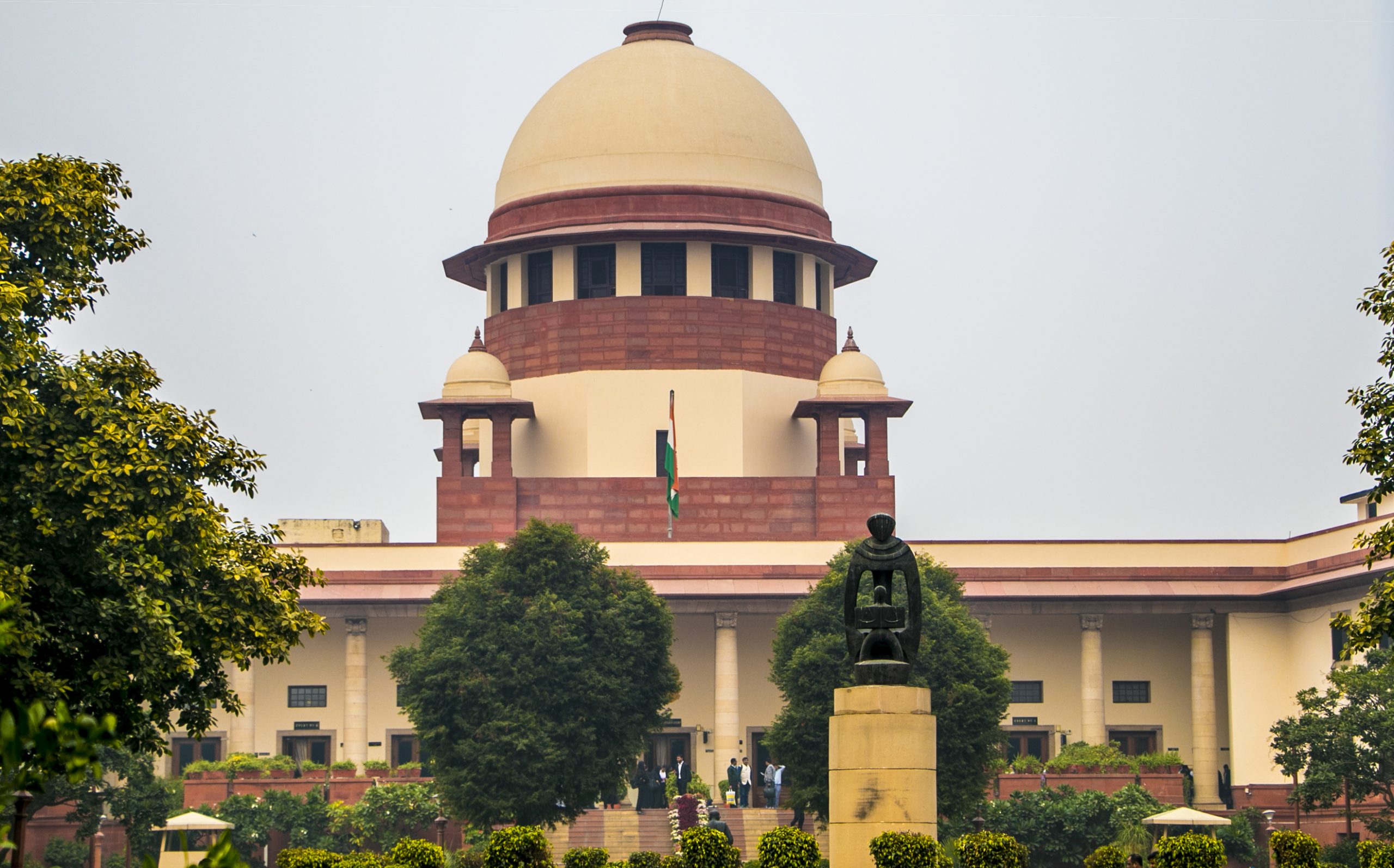
Supreme Court of India, New Delhi (representative image), Wikimedia Commons, CC BY-SA 4.0


Government
SIR notices reach Advani, Jaishankar, Dhankhar: Who else was flagged?
About 33 lakh Delhi voters are being issued notices in the Special Intensive Revision of the electoral roll, including prominent names such as S Jaishankar, Arvind Kejriwal and L K Advani; the notices are meant for verification and do not by themselves remove a name.
SIR notices have reached L K Advani, S Jaishankar and Jagdeep Dhankhar among prominent voters.
Arvind Kejriwal, Manish Sisodia and Chief Minister Rekha Gupta were also reported among those flagged.
The Election Commission clarified Ms Gupta’s case.
The notices relate to discrepancies in enumeration forms.
They do not by themselves mean removal from the roll.
The Election Commission later clarified the case of Chief Minister Rekha Gupta, saying her electoral details had been verified.
The notices give voters an opportunity to verify their details and establish their eligibility.
Receiving a notice does not by itself mean that a person’s name will be removed from the electoral roll.
A petition in the Supreme Court seeks greater transparency in the Delhi SIR process, including disclosure of the names of voters who received notices and the reasons for the notices.
Most reports said the Supreme Court will hear the matter on September 22, while one Delhi listing gave September 21 as the date.
The Special Intensive Revision is an exercise in which the Election Commission re-verifies the electoral roll by having voters fill in enumeration forms.
Discrepancies typically flagged include mismatches in names, relatives’ details or addresses between the enumeration form and earlier records.
Voters who receive a notice are generally asked to submit supporting documents within a specified period to confirm their details.
The exercise has become politically contentious, with parties raising questions about how the notices were issued and to whom.
Voters can check their status through the Election Commission’s helpline and portal, and can approach their booth-level officer for assistance.
According to officials, about 33.13 lakh voters in Delhi are being issued notices over discrepancies in the details furnished in their enumeration forms during the Special Intensive Revision (SIR) of the electoral roll.
Another report put the number at 31.6 lakh, so the figure varies between accounts.
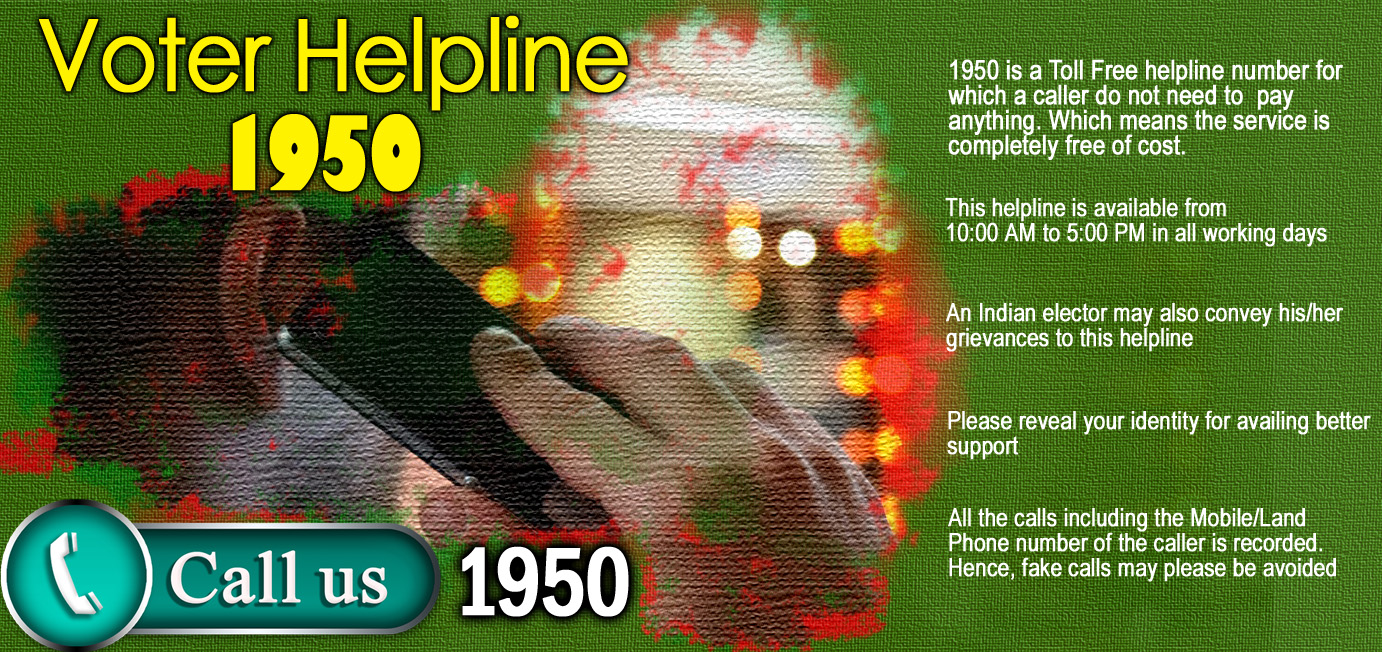
Election Commission of India voter helpline display (representative image), Wikimedia Commons, CC BY-SA 4.0
Government
BJP vs ruling alliance: Who protested what in J&K Assembly
The seven-day autumn session of the Jammu and Kashmir Assembly began on September 21 on a stormy note, with BJP members storming the Well and treasury benches raising slogans for the restoration of statehood.
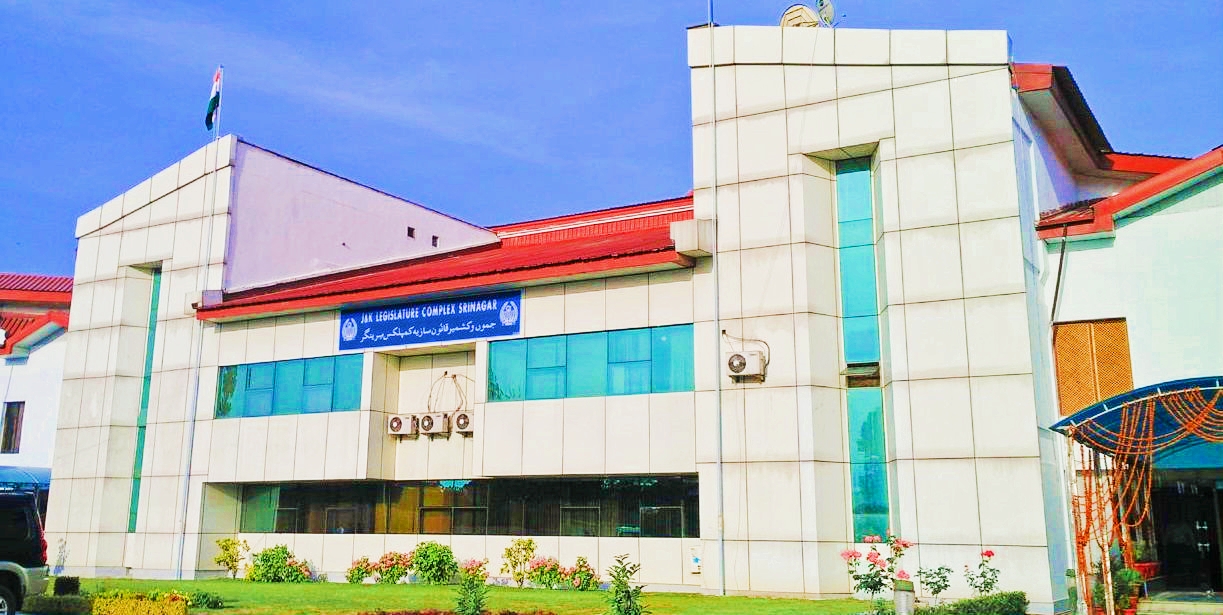
In the J&K Assembly on Monday, the BJP protested over public issues by storming the Well.
The ruling alliance’s members raised slogans demanding statehood.
The two sets of protests overlapped on the first day of the seven-day session.
Chief Minister Omar Abdullah asked for a constructive debate.
The session began in Srinagar on September 21.
Chief Minister Omar Abdullah said the session is an opportunity for meaningful debate and discussion on the issues faced by the public.
He sought a constructive debate during the session.
The session is expected to take up issues ranging from employment and reservation to development, electricity, governance and public welfare.
The demand for the restoration of statehood is expected to be one of the central themes of the session.
Jammu and Kashmir has been a Union Territory with a legislature since the reorganisation of the erstwhile state in 2019.
The treasury benches pointed to the Centre’s pending promise of restoring statehood while raising slogans in the House.
The session is being held for seven days, giving the government and the opposition a platform to debate the issues.
Private members’ resolutions are among the business that the Assembly typically takes up during its sessions.
Disruptions on the opening day often lead to adjournments, and the business of the House can be affected until order is restored.
The high stakes for the ruling coalition in this session were flagged in advance by local media.
The Speaker presides over the House and can adjourn proceedings when order is disrupted.
Over the seven days, the government and the opposition are expected to contest these issues in daily proceedings.
The seven-day autumn session of the Jammu and Kashmir Legislative Assembly began in Srinagar on Monday, September 21, 2026.
The opening was overshadowed by protests, with BJP members storming the Well of the House over public issues.
Jammu and Kashmir Legislative Assembly building, Srinagar (representative image), Wikimedia Commons, CC BY 3.0
Government
Maratha quota: Jarange ends fast at Patoda in Beed
Maratha quota activist Manoj Jarange ended his 20-day fast on September 17 after talks with a Maharashtra government delegation and gave the state three months to act on his demands on historical gazette records.
Manoj Jarange ended his fast at Patoda in Beed district on September 17.
He had been fasting for 20 days.
The fast ended after talks with a state government delegation.
He demands recognition of historical gazettes to prove Kunbi lineage.
The government has been given three months.
Such records are used to help Marathas prove Kunbi lineage and claim reservation benefits under the Other Backward Classes category.
Jarange said the government should give it in writing that not a single Kunbi record will be ignored.
Minister Vikhe Patil said processing the gazette documentation would take around three to four months after a review by the advocate general.
Jarange warned that if the community is betrayed in the next three months, supporters will go directly to Mumbai along with their families.
He had begun a march from Jalna on September 15 and had planned to reach Mumbai’s Azad Maidan for an indefinite hunger strike.
His health deteriorated on the second day of the march, and he was given saline before the talks led to the fast being called off.
The Maratha reservation agitation has been a long-running issue in Maharashtra, with several rounds of protests and hunger strikes led by Jarange.
The three-month deadline would fall in mid-December 2026.
The Hyderabad, Satara and Aundh gazettes are historical administrative records from the former Hyderabad, Satara and Aundh administrations.
Manoj Jarange ended his 20-day fast on September 17, 2026, at Patoda in Beed district of Maharashtra.
He did so after talks with a Maharashtra government delegation and gave the government a three-month ultimatum to act on his demands.
The delegation included ministers Radhakrishna Vikhe Patil and Dadaji Bhuse, MLC Prasad Lad, MLA Suresh Dhas, the Beed District Collector and other officials.
His main demand is official recognition of historical administrative records, including the Hyderabad Gazette, the Satara Gazette and the Aundh Gazette.
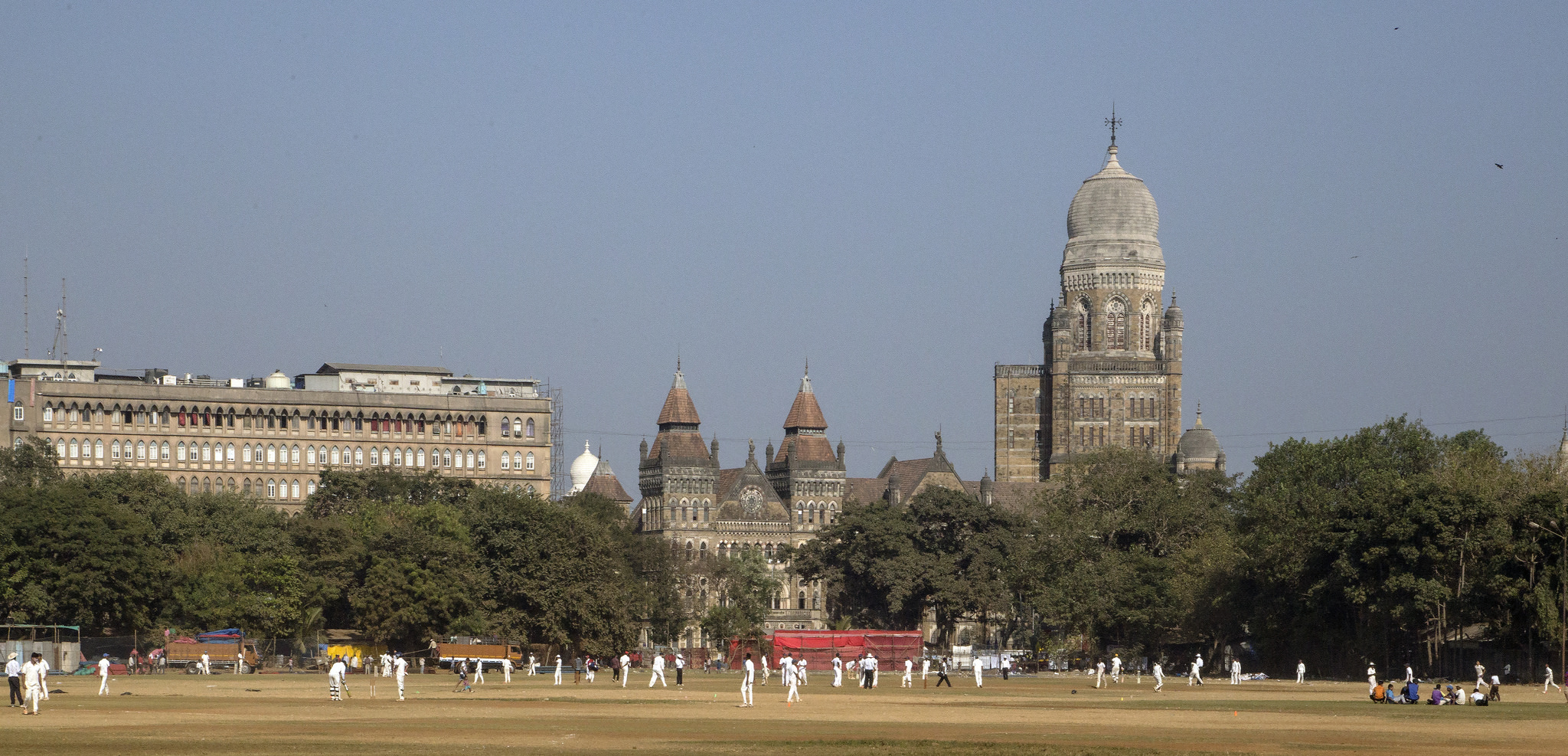
Azad Maidan, Mumbai (representative image), Wikimedia Commons, CC BY-SA 4.0


Starship to fly reused heatshield tiles for the first time

Anant Nag receives Dadasaheb Phalke Award at National Film Awards

Shafali Verma’s century sets up Asian Games final against Sri Lanka

Redfox Overseas: Customize Your Own Energy Drink and Stand Out in the Market

Zamzam Company CEO Chhote Bhai-Bade Bhai gave a grand welcome to Indian writer Devhari Sirvi in Dubai

Shikha Sharma: The Fashion Journalist, Blogger, and Plus-Size Model Taking the Industry by Storm
-
 Brandpost2 years ago
Redfox Overseas: Customize Your Own Energy Drink and Stand Out in the Market
-
 Brandpost2 years ago
Zamzam Company CEO Chhote Bhai-Bade Bhai gave a grand welcome to Indian writer Devhari Sirvi in Dubai
-
 Fashion2 years ago
Shikha Sharma: The Fashion Journalist, Blogger, and Plus-Size Model Taking the Industry by Storm
-
Entertainment1 year ago
Lucky Roxx’s “Yadav Ki Pukar” Goes Viral! Youth Celebrate Unity & Power
-

 Entertainment9 years ago
New Season 8 Walking Dead trailer flashes forward in time
-
Entertainment9 years ago
Meet Superman’s grandfather in new trailer for Krypton
-
Uncategorized2 years ago
Hello world!
-
 Brandpost2 years ago
From Local Hero to National Icon: Satyam Yadav’s Journey with TwentyOne