Government
Delhi’s command centre arrives ahead of the winter pollution plan
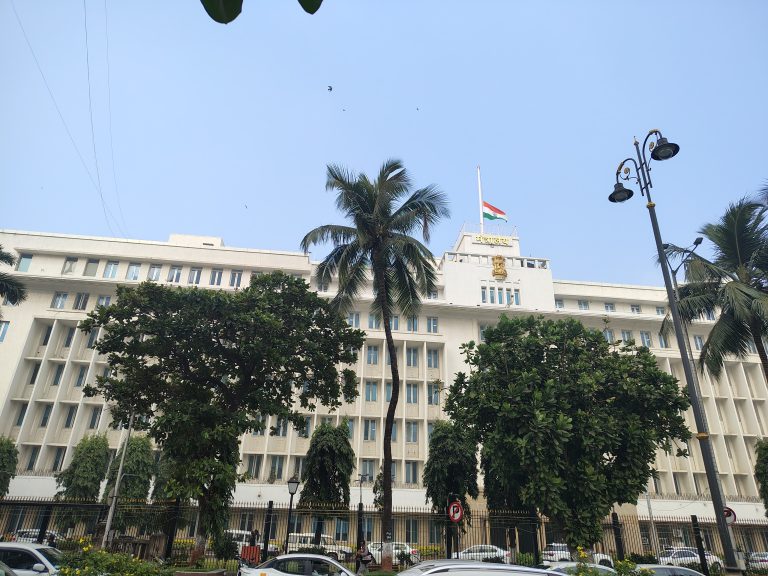
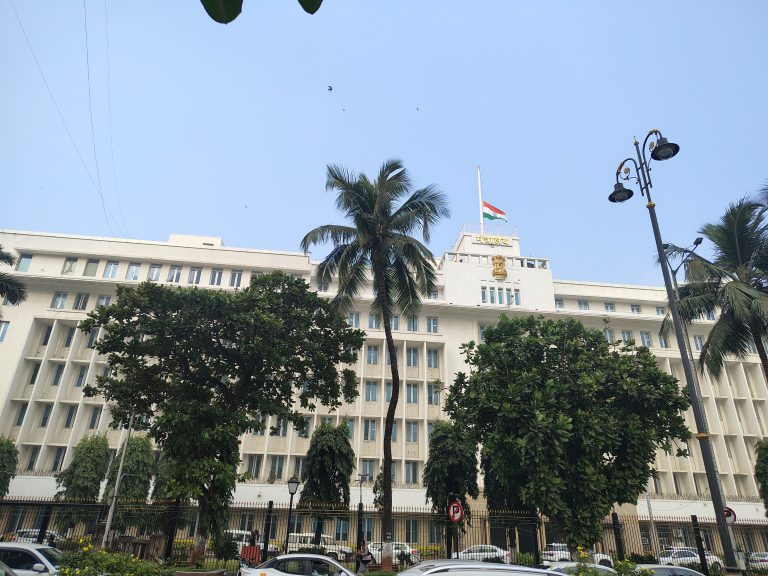
Delhi Chief Minister Rekha Gupta inaugurated an Integrated Command and Control Centre on October 2 to monitor pollution sources in real time, using AI cameras on more than 700 construction sites and GPS tracking of sweeping machinery.
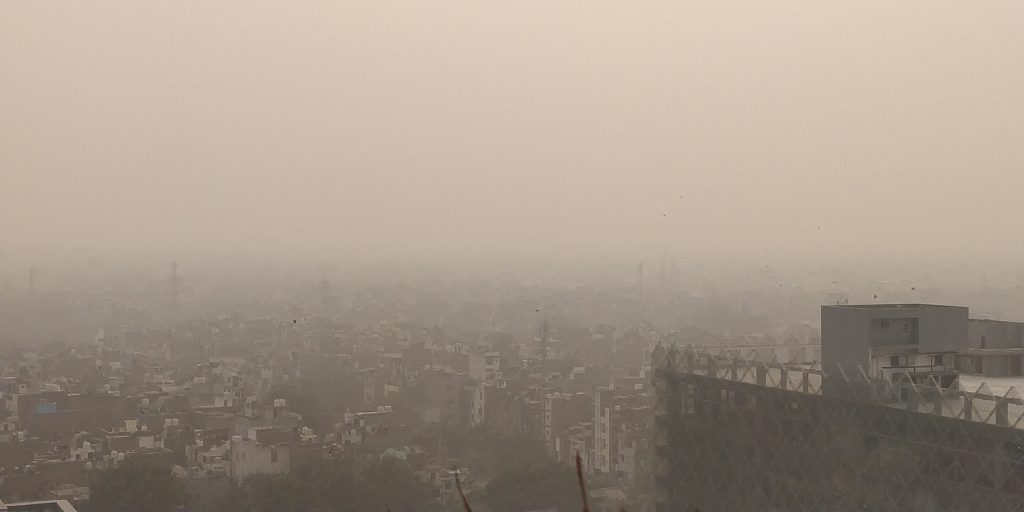
Delhi’s new pollution command centre launched ahead of the winter pollution action plan.
The plan takes effect from November 1 and runs through February 2027.
The centre will monitor construction sites, sweeping machinery and open burning.
It was inaugurated by CM Rekha Gupta on October 2.
AI cameras will cover more than 700 construction sites.
AI-driven cameras will monitor construction sites larger than 500 square metres.
More than 700 identified construction sites are covered by the monitoring.
GPS will be used to track mechanical road-sweeping machinery and pollution-control towers across Delhi.
The centre will also monitor pollution hotspots and open burning.
It integrates complaints and inspection data so that the relevant departments can act faster.
The launch comes ahead of Delhi’s winter pollution action plan, which takes effect from November 1 and runs through February 2027.
Construction dust, road dust and open burning are among the local sources of air pollution in Delhi.
Delhi’s air quality typically worsens sharply in the winter months as local emissions combine with weather conditions that trap pollutants.
Real-time monitoring is intended to make enforcement against violators faster than periodic manual inspections allow.
Delhi’s winter action plan also includes staggered office timings, doubled parking charges and a ban on non-BS-VI vehicles from outside the city from November 1.
A ‘No PUCC, No Fuel’ campaign is also planned for petrol pumps across the city.
Union Environment Minister Bhupender Yadav and Chief Minister Rekha Gupta reviewed the winter plan in late September.
Pollution-control towers and mechanical sweepers are among the equipment Delhi uses to reduce dust and particulate matter on roads.
Integrated command centres are used in several Indian cities to combine data from cameras, sensors and complaints in one place.
Enforcement agencies in Delhi include the city government’s environment department, the municipal corporation and the pollution control committee.
Delhi air pollution (representative image), Wikimedia Commons, CC BY-SA 4.0
Government
What the INDIA bloc wants from the Supreme Court on SIR
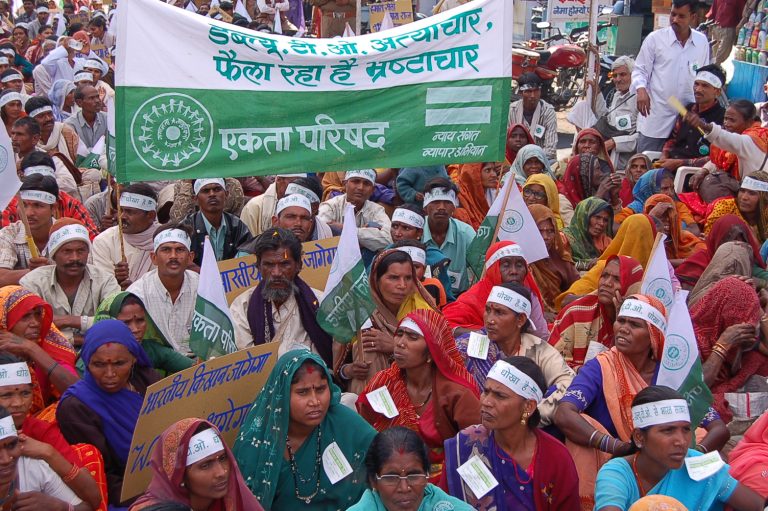
The INDIA bloc announced ‘Save Democracy’ marches in all districts from October 2-8 and a march to the Election Commission on October 6, demanding elections be held on ballot paper and seeking an early Supreme Court hearing on SIR-related cases.
The INDIA bloc has decided to appeal to the Supreme Court for an early hearing on cases related to the Special Intensive Revision.
The decision came alongside the announcement of ‘Save Democracy’ marches from October 2-8.
Opposition MPs will march to the Election Commission on October 6.
The bloc also wants all future elections held on ballot paper.
The campaign follows a meeting attended by leaders of 19 political parties.
Kharge said laws framed by what he called the ‘vote chori government’ should be annulled.
The INDIA bloc decided to appeal to the Supreme Court for an early hearing on cases related to the Special Intensive Revision.
Leaders of the Opposition in both houses of Parliament will seek an appointment with the President.
A representation to the President is planned for the second week of October.
District-level demonstrations will be held outside district magistrates’ offices, with youth and NGOs invited to participate.
The protests stem from allegations of irregularities in the Special Intensive Revision of electoral rolls.
The dispute has also involved a demand for the resignation of Chief Election Commissioner Gyanesh Kumar.
AAP and DMK had skipped an earlier INDIA bloc meeting on the same issue but indicated separate support for related demands.
The Special Intensive Revision is a process in which the Election Commission re-verifies electoral rolls across states.
The INDIA bloc is a coalition of opposition parties that has coordinated on select issues since its formation.
Protest marches of this scale typically require coordination among state-level party units across the country.
The opposition INDIA bloc announced ‘Save Democracy’ marches to be held in all districts from October 2 to 8.
All opposition MPs will separately march to the Election Commission on October 6.
The announcement came at a meeting attended by leaders of 19 political parties.
Congress chief Mallikarjun Kharge said there was unanimous agreement that all future elections should be held on ballot paper.
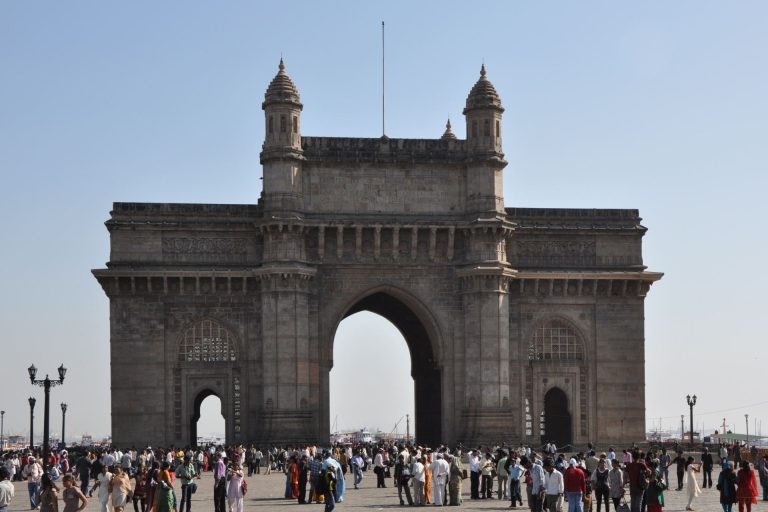
Public rally in India (representative image), Wikimedia Commons, CC BY-SA 3.0
Government
UP Rajya Sabha polls: Seat breakdown explained
Samajwadi Party leaders Ram Gopal Yadav and Dhanraj Parimal Nathwani filed nomination papers for the Rajya Sabha from Uttar Pradesh, with polling for the state’s 10 seats set for October 16 if required.
Ten Rajya Sabha seats from Uttar Pradesh fall vacant with terms expiring on November 25.
Eight of these seats are currently held by the BJP, and one each by the SP and BSP.
Samajwadi Party’s Ram Gopal Yadav and Dhanraj Nathwani have filed nominations for the seats.
October 6 is the last date for filing nominations.
Polling, if required, will be held on October 16.
He is the Samajwadi Party’s second nominee for the seats.
October 6 is the last date for filing nominations, according to the Election Commission’s schedule.
Scrutiny of nominations will be held on October 7.
Candidates can withdraw their nominations until October 9.
Polling, if required, will be held from 9 am to 4 pm on October 16.
Counting of votes will take place the same day as polling.
The terms of 10 Rajya Sabha members from Uttar Pradesh are set to expire on November 25.
Of the 10 outgoing seats, eight are currently held by the BJP, with the Samajwadi Party and Bahujan Samaj Party holding one each.
Rajya Sabha members from Uttar Pradesh are elected by the state’s legislative assembly members.
Uttar Pradesh is India’s most populous state and sends the largest number of members to the Rajya Sabha of any state.
The Samajwadi Party is one of the principal opposition parties in Uttar Pradesh’s state assembly.
Election to the Rajya Sabha uses a system of proportional representation through a single transferable vote.
Candidates for Rajya Sabha seats require a minimum number of assembly members to propose their nomination.
Samajwadi Party leaders Ram Gopal Yadav and Dhanraj Parimal Nathwani filed nomination papers for the Rajya Sabha from Uttar Pradesh.
Ram Gopal Yadav is a veteran SP leader and the party’s Secretary-General, seeking another term in the Rajya Sabha.
He has been a Rajya Sabha member since 2008.
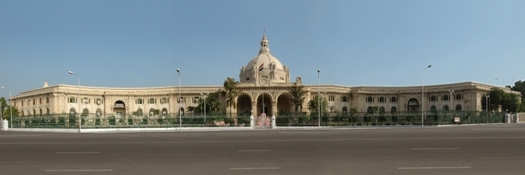
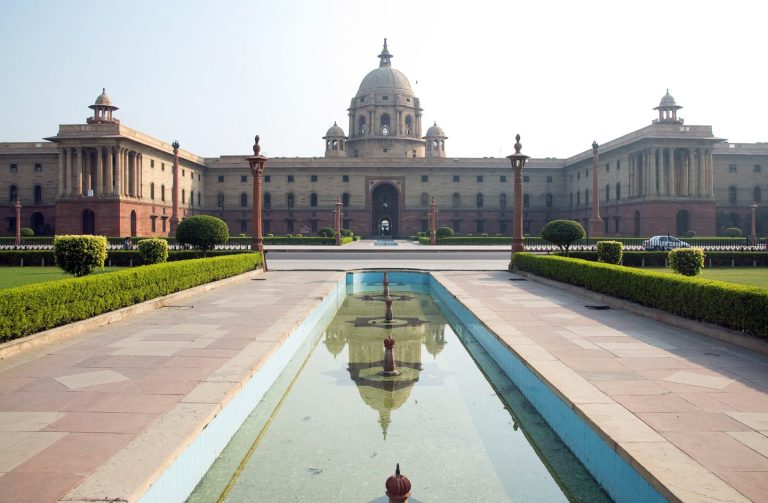
State legislative assembly building (representative image), Wikimedia Commons, CC BY-SA 4.0
Government
PRAGATI-50: A ‘City as a Whole’ approach to cleanliness
Union Housing and Urban Affairs Minister Manohar Lal launched the PRAGATI-50 initiative on September 29 to develop 50 cities across 24 states as model cities for urban cleanliness under Swachh Bharat Mission-Urban 2.0.
PRAGATI-50 uses a ‘City as a Whole’ approach, involving all stakeholders including Urban Local Bodies.
The initiative covers 50 cities across 24 states.
It was launched by Union Minister Manohar Lal on September 29.
Key focus areas include solid waste management, sanitation and citizen participation.
It falls under the Swachh Bharat Mission-Urban 2.0 framework.
It will use intensive, technology-enabled monitoring to track progress in the selected cities.
The 50 selected cities include major cities, cities of cultural importance, high tourism destinations and economic centres.
Key focus areas include solid waste management, used water management, sanitation and citizen participation.
The initiative uses a ‘City as a Whole’ approach, involving all stakeholders including Urban Local Bodies in planning and implementation.
A Swachhata Behaviour Change Digital Kosh was also launched alongside PRAGATI-50, offering a digital repository of communication and campaign material.
A Standard Operating Procedure for setting up secondary collection centres for construction and demolition waste was released as part of the launch.
Guidelines for source segregation of municipal solid waste were also released.
Chandigarh is among the cities set to be developed as a model city for urban cleanliness under PRAGATI-50.
The Ministry of Housing and Urban Affairs oversees urban development and sanitation programmes at the national level.
Swachh Bharat Mission-Urban 2.0 builds on the original Swachh Bharat Mission launched in 2014.
State governments and municipal corporations are expected to coordinate closely with the central ministry on implementation.
Independent monitoring and periodic reviews are expected to track each selected city’s progress under the initiative.
Urban sanitation infrastructure, including waste segregation and treatment facilities, varies significantly across Indian cities.
The initiative is expected to serve as a template for wider rollout to other cities in subsequent phases.
Union Housing and Urban Affairs Minister Manohar Lal launched the PRAGATI-50 initiative on September 29, 2026.
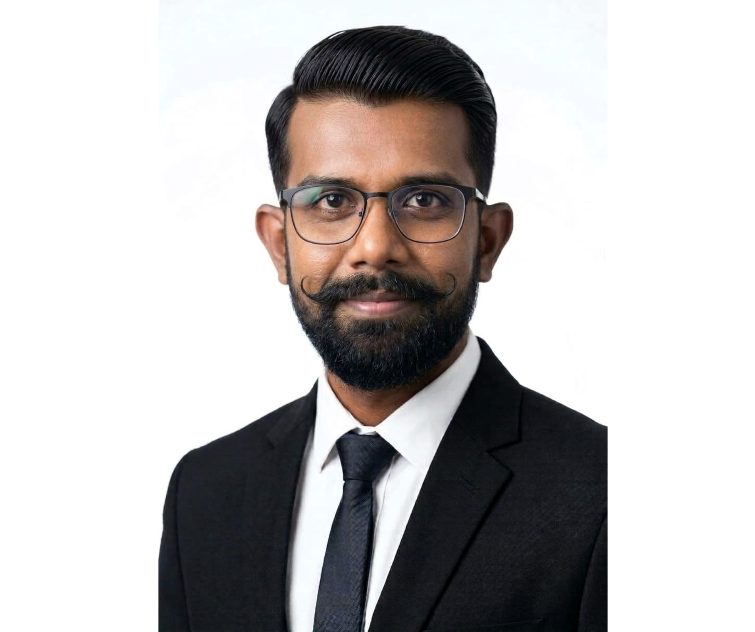
Swachh Bharat Mission cleanliness drive (representative image), Wikimedia Commons, GODL-India
-
Brandpost2 years agoRedfox Overseas: Customize Your Own Energy Drink and Stand Out in the Market
-
Brandpost2 years agoZamzam Company CEO Chhote Bhai-Bade Bhai gave a grand welcome to Indian writer Devhari Sirvi in Dubai
-
Fashion2 years agoShikha Sharma: The Fashion Journalist, Blogger, and Plus-Size Model Taking the Industry by Storm
-
Entertainment2 years ago
Lucky Roxx’s “Yadav Ki Pukar” Goes Viral! Youth Celebrate Unity & Power
-
Entertainment9 years agoNew Season 8 Walking Dead trailer flashes forward in time
-
Entertainment9 years agoMeet Superman’s grandfather in new trailer for Krypton
-
Uncategorized2 years ago
Hello world!
-
Brandpost2 years agoFrom Local Hero to National Icon: Satyam Yadav’s Journey with TwentyOne