
Government
East Delhi gets new elevated link to South Delhi
Union Home Minister Amit Shah inaugurated the Barapullah Phase III corridor in Delhi on September 29, a signal-free elevated link between Mayur Vihar Phase I and Sarai Kale Khan that cuts Mayur Vihar-AIIMS travel time to about 15 minutes.

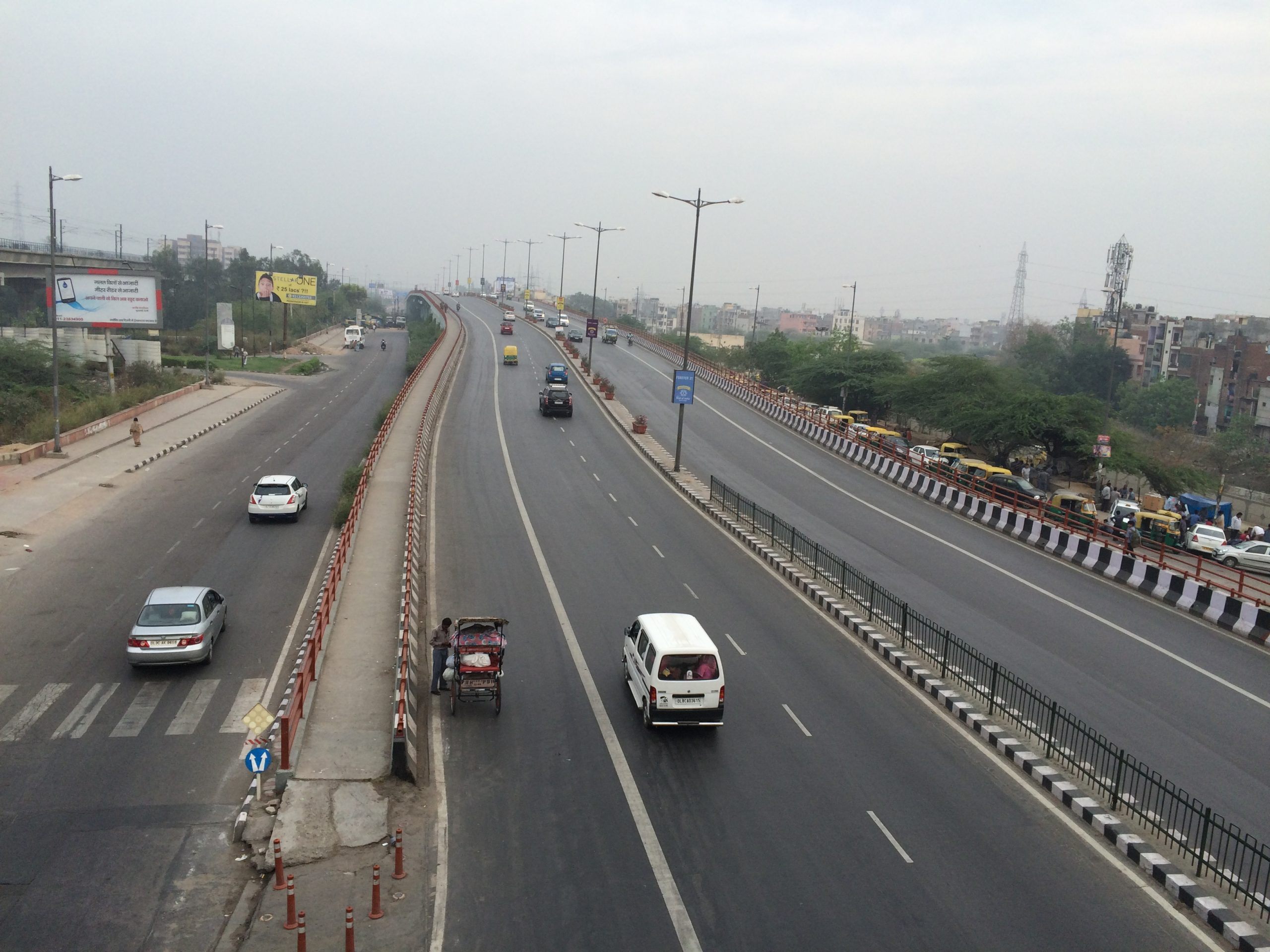
East Delhi now has a new signal-free elevated link to South Delhi via the Barapullah Phase III corridor.
It connects Mayur Vihar Phase I to Sarai Kale Khan, with further connectivity toward AIIMS.
The corridor was inaugurated on September 29 by Union Home Minister Amit Shah.
Travel time between Mayur Vihar and AIIMS is expected to fall to about 15 minutes.
The project had faced past delays linked to land acquisition.
Delhi Chief Minister Rekha Gupta and PWD Minister Parvesh Verma also attended the inauguration.
The project had faced delays in the past, partly linked to land acquisition issues.
The corridor is expected to ease congestion on roads connecting East and South Delhi.
It provides further connectivity toward AIIMS and other parts of South Delhi from Sarai Kale Khan.
Areas such as Maharani Bagh and Ashram Chowk are expected to see reduced traffic pressure as a result of the new corridor.
The Barapullah corridor project has been developed in phases over several years.
Elevated, signal-free corridors of this kind are designed to reduce the number of traffic signals commuters pass through on a given route.
Delhi’s Public Works Department has been responsible for executing major road and flyover projects across the city.
Improved east-west connectivity has been a recurring priority in Delhi’s urban infrastructure planning.
The project was executed by Delhi’s Public Works Department in coordination with other civic agencies.
Officials said the corridor is expected to reduce commuting stress for thousands of daily travellers between East and South Delhi.
The inauguration event drew attention from residents who had followed the project’s progress over several years.
Delhi has seen several major road and flyover projects completed in recent years as part of broader efforts to ease traffic congestion.
Similar elevated, signal-free corridors have been built in other parts of Delhi to address chronic traffic bottlenecks.
Elevated flyover, Delhi (representative image), Wikimedia Commons, CC BY-SA 4.0
Government
Rajya Sabha polls: What comes after the EC notification
The Election Commission issued notification on September 29 for biennial and bye-elections to 27 Rajya Sabha seats across ten states, including Gujarat, Rajasthan, Madhya Pradesh, Karnataka, Andhra Pradesh and Jharkhand, ahead of November polling.
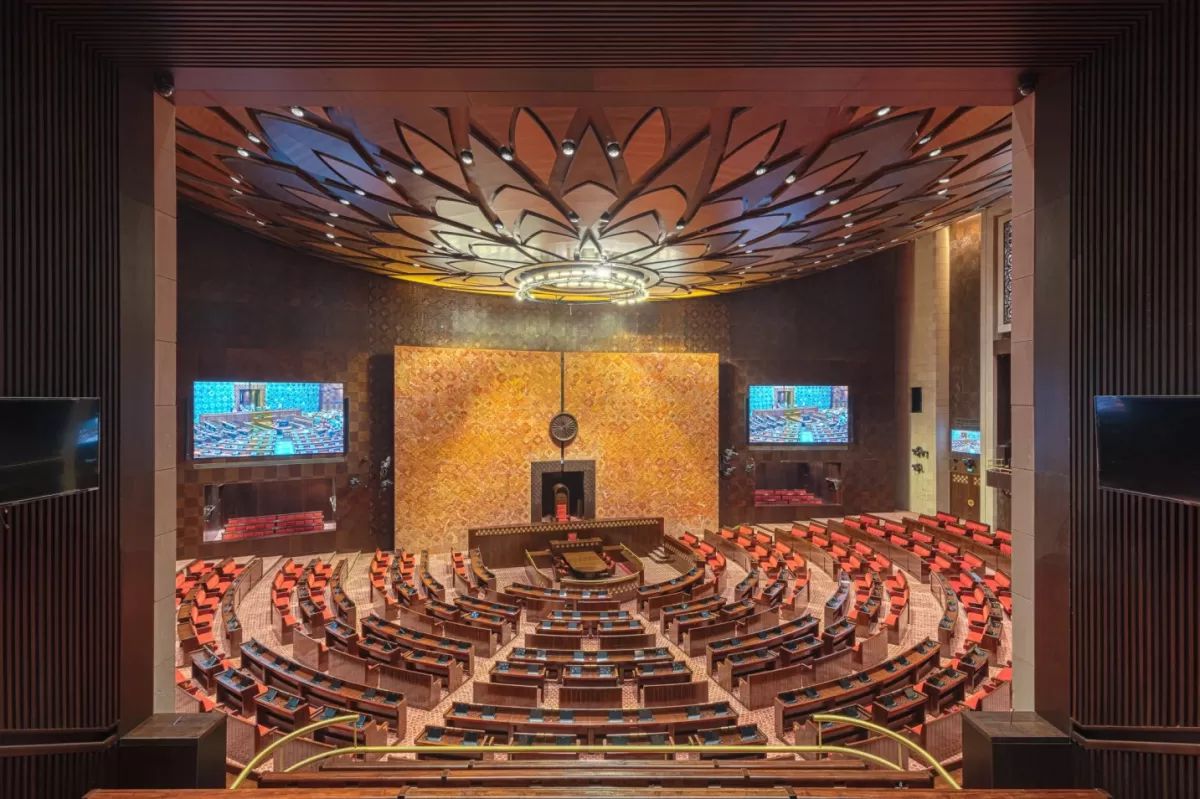
The Election Commission’s September 29 notification opens the process for Rajya Sabha elections across ten states.
Nomination, scrutiny and polling dates will follow as part of the announced schedule.
Political parties typically begin candidate selection soon after a notification is issued.
State assembly numbers determine each party’s vote share in electing Rajya Sabha members.
A total of 27 seats are up for election.
The election uses a system of proportional representation through a single transferable vote.
The Rajya Sabha, or Council of States, has 245 members in total, with 233 elected by states and union territories and 12 nominated by the President.
One-third of Rajya Sabha members retire every two years, with elections held to fill the resulting vacancies.
The 2026 Rajya Sabha election cycle overall covers 72 seats across the year, from March through November.
Political parties typically begin candidate selection processes soon after an Election Commission notification is issued.
State assembly numbers determine the vote share each party commands in electing its state’s Rajya Sabha members.
Rajya Sabha elections do not involve direct voting by the general public, unlike Lok Sabha elections.
The Rajya Sabha plays a co-equal role with the Lok Sabha in most legislative matters, except money bills.
Election schedules, including nomination, scrutiny and polling dates, are announced by the Election Commission following the notification.
The Rajya Sabha is a permanent body that is never fully dissolved, unlike the Lok Sabha.
Each state’s number of Rajya Sabha seats is roughly proportional to its population, as fixed under the Fourth Schedule of the Constitution.
Independent candidates can also contest Rajya Sabha elections, though party-backed candidates dominate most contests.
The Election Commission of India issued notification on September 29 for elections to 27 Rajya Sabha seats.
The seats fall vacant across ten states: Andhra Pradesh, Gujarat, Jharkhand, Madhya Pradesh, Manipur, Meghalaya, Rajasthan, Arunachal Pradesh, Karnataka and Mizoram.
Rajya Sabha chamber, New Parliament building (representative image), Wikimedia Commons, GODL-India
Government
BRICS 2026: India’s chairship priorities explained
External Affairs Minister S Jaishankar outlined four broad priorities for India’s BRICS 2026 Chairship: resilience, innovation, cooperation and sustainability, describing India’s approach as humanity- and people-centric.
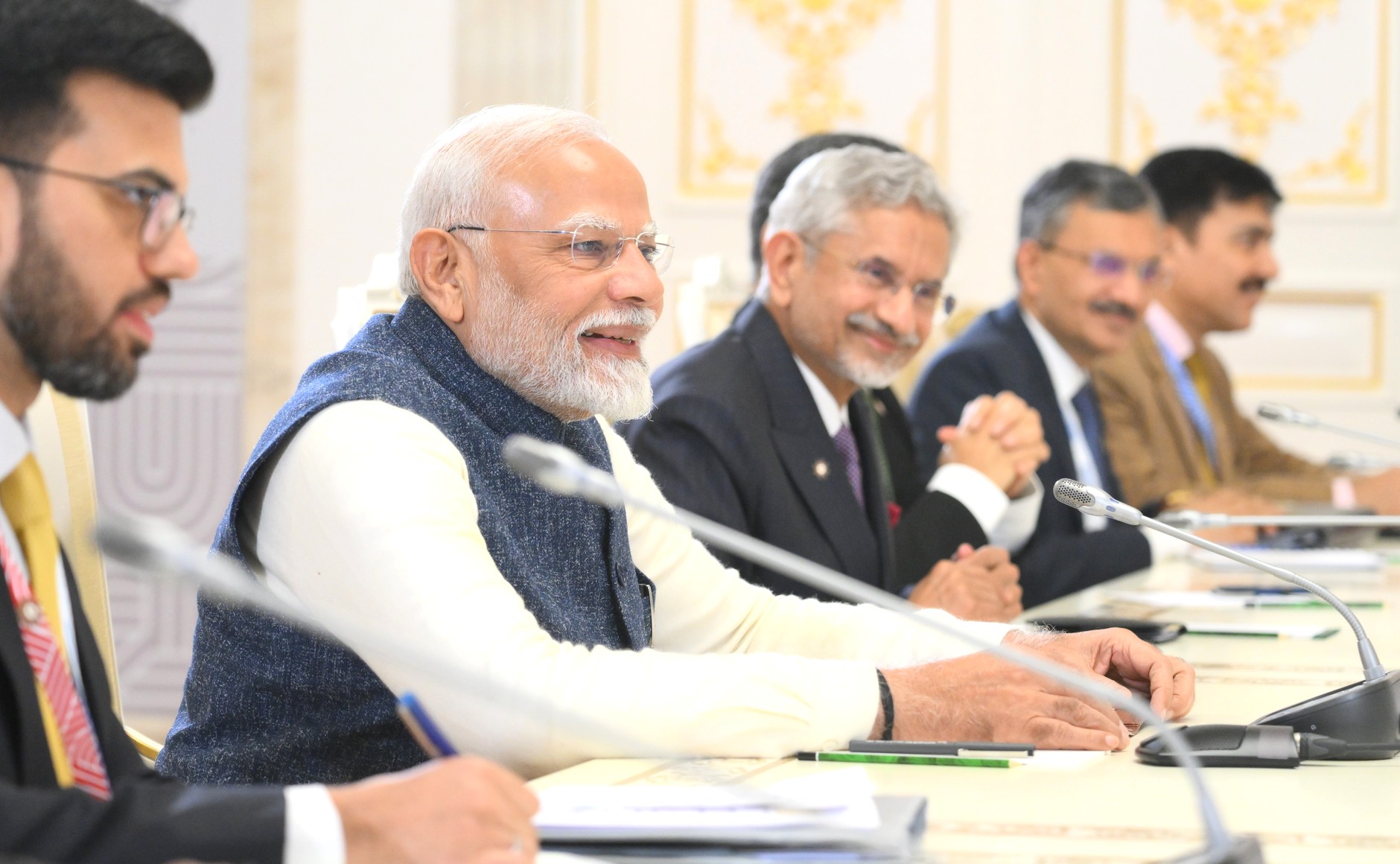
India’s BRICS 2026 chairship rests on four priorities outlined by EAM S Jaishankar.
These are resilience, innovation, cooperation and sustainability.
Each priority is tied to specific focus areas, from supply chains to clean energy.
The priorities span BRICS’s political-security, economic and cultural pillars.
India’s chairship theme reflects these four pillars directly.
Innovation focuses on leveraging new technologies and promoting start-ups and MSMEs to drive inclusive economic development.
Cooperation focuses on deepening political, economic and cultural collaboration, including people-to-people exchanges.
Sustainability focuses on advancing climate action, clean energy and fair development pathways.
Jaishankar said India is approaching its BRICS chairship with a humanity-first, people-centric approach.
India’s chairship theme is ‘Building for Resilience, Innovation, Cooperation and Sustainability’.
The theme reflects India’s stated belief that cooperation among BRICS members can help address shared challenges in a balanced and inclusive manner.
BRICS is a grouping of major emerging economies that has expanded in membership in recent years.
India previously launched the logo, theme and website for its BRICS chairship earlier in 2026.
India’s chairship responsibilities include hosting a series of ministerial meetings and a leaders’ summit during its term.
BRICS originally comprised Brazil, Russia, India, China and South Africa before expanding its membership further.
India has held the BRICS chairship on a previous occasion, hosting a summit in earlier years.
The rotating chairship model gives each member country an opportunity to shape the grouping’s annual agenda and priorities.
Foreign ministers of BRICS countries typically meet on the sidelines of major multilateral gatherings during a chairship year.
External Affairs Minister S Jaishankar outlined four broad priorities for India’s BRICS 2026 Chairship.
The priorities are resilience, innovation, cooperation and sustainability.
They are meant to provide a coherent framework across BRICS’s three foundational pillars: political and security, economic and financial, and cultural and people-to-people exchanges.
Resilience focuses on strengthening institutions to withstand global shocks in areas such as agriculture, health, energy, disaster management and supply chains.
India at a BRICS summit (representative image), Wikimedia Commons, CC BY 4.0
Government
Delhi’s winter plan: 50% work-from-home, doubled parking fees
Delhi finalised its winter pollution action plan for 2026-27, with 50% work-from-home, doubled parking charges, staggered office timings and a construction ban effective November 1, alongside a ban on non-BS-VI vehicles from outside Delhi.
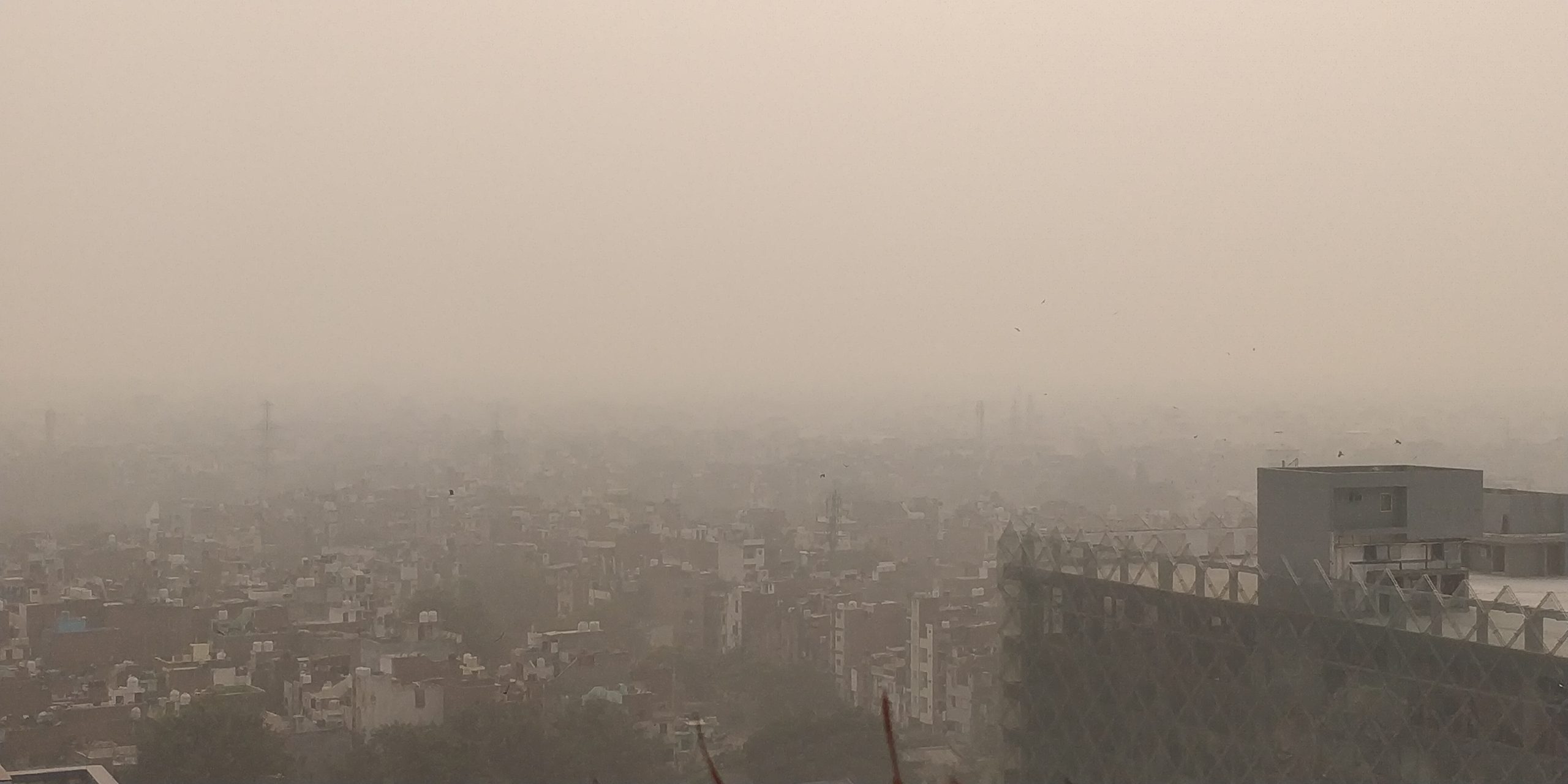
Delhi’s winter pollution action plan includes 50% work-from-home arrangements for certain sectors.
Parking charges will be doubled as part of the same plan.
Staggered office timings and a construction ban are also included, effective November 1.
The plan runs through February 2027.
It follows a review meeting between Union Minister Bhupender Yadav and CM Rekha Gupta.
A construction activity ban is also part of the plan.
The government will launch a ‘No PUCC, No Fuel’ awareness campaign in October, strictly enforcing valid pollution certificates at petrol pumps.
Yadav directed that Jan Bhagidari public-participation events be organised at Delhi’s 37 identified pollution hotspots by October 10.
Specific action points have been prepared for each of the 37 hotspots.
The meeting focused on coordinated enforcement covering vehicular emissions, road dust, waste burning, industrial pollution and traffic congestion.
Delhi has completed redevelopment work on 1,193 km of roads, with the remaining work targeted for completion by November 15.
Delhi’s air quality typically worsens sharply during the winter months due to a combination of local emissions, stubble burning in neighbouring states, and weather conditions that trap pollutants.
The Delhi government has introduced winter action plans in previous years with varying combinations of similar measures.
Coordination between the central and Delhi governments on pollution control has been a recurring feature of the annual winter planning process.
Enforcement agencies typically ramp up monitoring of construction sites and industrial units during the winter action plan period.
Public health experts have repeatedly linked Delhi’s winter air quality decline to a rise in respiratory illnesses during the season.
Union Environment Minister Bhupender Yadav chaired a high-level meeting with Delhi Chief Minister Rekha Gupta to review the capital’s winter pollution action plan.
The Winter Protocol includes restrictions on polluting vehicles, doubled parking charges, staggered office timings and 50% work-from-home arrangements.
Delhi air pollution (representative image), Wikimedia Commons, CC BY-SA 4.0


India’s medal tally rises to 53 after Day 10 at Asian Games

Rajya Sabha polls: What comes after the EC notification

Book Review | The Inner Evolution: Talks from Satsang with Maitreya

Redfox Overseas: Customize Your Own Energy Drink and Stand Out in the Market

Zamzam Company CEO Chhote Bhai-Bade Bhai gave a grand welcome to Indian writer Devhari Sirvi in Dubai

Shikha Sharma: The Fashion Journalist, Blogger, and Plus-Size Model Taking the Industry by Storm
-
 Brandpost2 years ago
Redfox Overseas: Customize Your Own Energy Drink and Stand Out in the Market
-
 Brandpost2 years ago
Zamzam Company CEO Chhote Bhai-Bade Bhai gave a grand welcome to Indian writer Devhari Sirvi in Dubai
-
 Fashion2 years ago
Shikha Sharma: The Fashion Journalist, Blogger, and Plus-Size Model Taking the Industry by Storm
-
Entertainment1 year ago
Lucky Roxx’s “Yadav Ki Pukar” Goes Viral! Youth Celebrate Unity & Power
-

 Entertainment9 years ago
New Season 8 Walking Dead trailer flashes forward in time
-
Entertainment9 years ago
Meet Superman’s grandfather in new trailer for Krypton
-
Uncategorized2 years ago
Hello world!
-

 Brandpost2 years ago
From Local Hero to National Icon: Satyam Yadav’s Journey with TwentyOne