
Airlines
Akasa Air debuts Akasa Elevate loyalty programme as airline turns 4
Akasa Air has launched its Akasa Elevate loyalty programme, marking the airline’s fourth anniversary, with CEO Vinay Dube calling it a thank-you to customers.

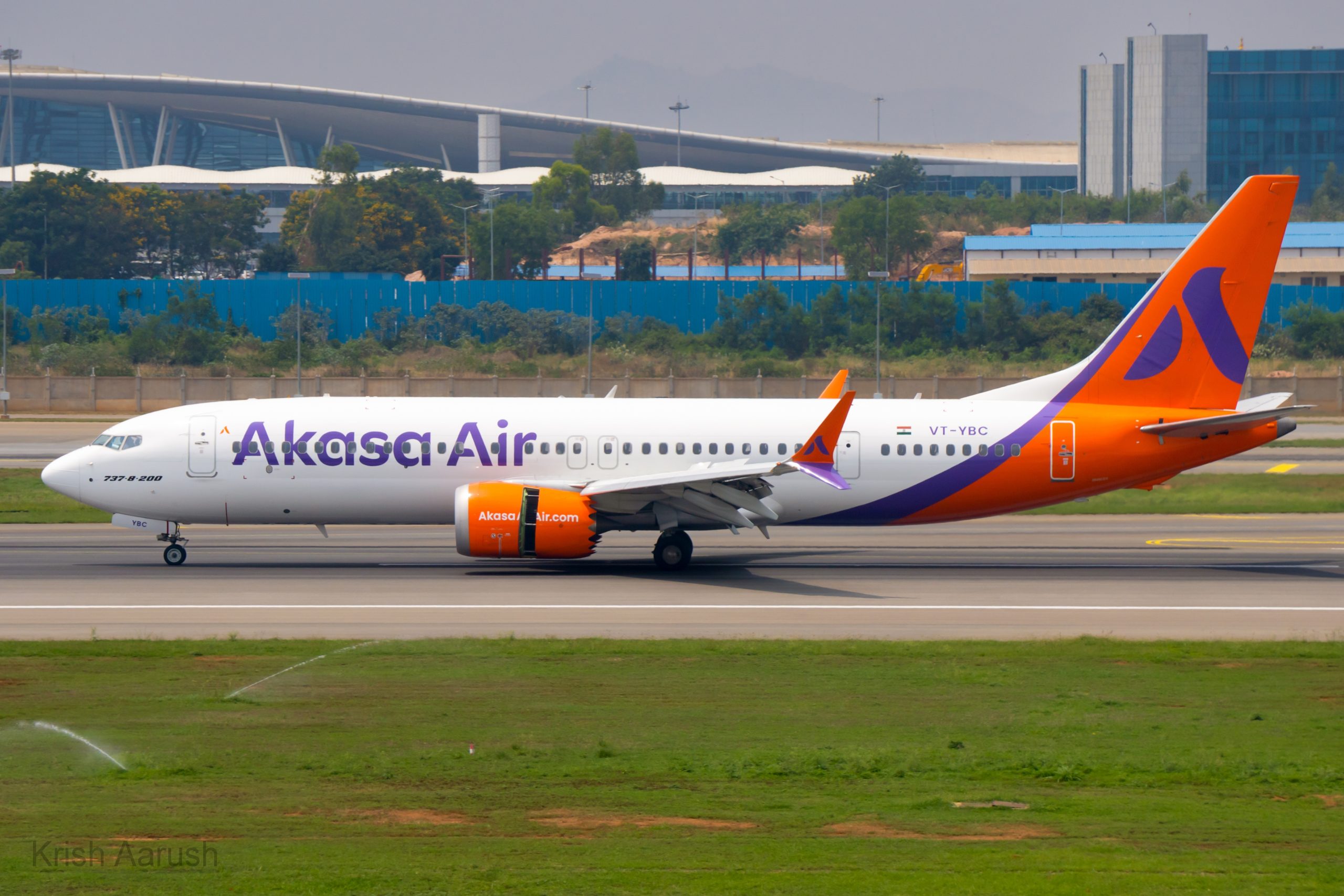
Akasa Air has debuted Akasa Elevate, its new loyalty programme, to mark the airline’s fourth anniversary of commercial operations.
Members can earn points on eligible flights and ancillary products and services, with passengers who have flown since April 1 this year able to join and claim points retrospectively.
Founder and CEO Vinay Dube said the programme reflects Akasa Air’s philosophy of putting customers first, calling the airline’s journey so far ‘extremely exciting.’
Dube said the loyalty programme launch is a natural extension of the carrier’s positioning as an ‘Experience-Led Carrier’ and a way of thanking its customers.
Akasa Elevate offers fast tier progression via eligible flights or spending, earnings on flights and ancillary products with extra rewards for direct bookings, and unlimited priority services as members climb tiers.
Akasa Air began commercial operations on August 7, 2022, and has since grown its domestic and international network, including routes to Gulf destinations such as Doha.
Akasa Air has positioned the loyalty programme as part of a broader push to deepen relationships with repeat customers as the airline’s route network and flight frequency have grown since its 2022 launch.
Akasa Air positions itself as an ‘Experience-Led Carrier,’ and Dube described the loyalty programme launch as a natural extension of that philosophy and a way of thanking customers.
The programme features fast tier progression based on either eligible flights or spending, earnings on flights and ancillary products, extra rewards for direct bookings, and unlimited priority services as members climb through membership tiers.
Akasa Air began commercial operations on August 7, 2022, and has since expanded its domestic and international network, including routes to Gulf destinations such as Doha.
The airline said its rapid growth over four years has been built on a young, all-Boeing 737 MAX fleet and a focus on operational reliability across its expanding route network.
Photo by Krish Aarush, Wikimedia Commons, CC BY-SA 4.0

Airlines
550+ flights delayed as Delhi red alert rain hits IGI Airport
Heavy rain triggered an IMD red alert in Delhi on Friday, flooding IGI Airport and delaying more than 550 flights, with 10 aircraft diverted to nearby cities.

More than 550 flights faced delays at IGI Airport on Friday after a red alert rain spell hit Delhi.
Palam saw the city’s highest rainfall total at 75.6mm, with Naraina, Janakpuri, Lodhi Road and Safdarjung also recording heavy downpours.
Ten flights were diverted during the disruption, with five sent to Jaipur, four to Lucknow, and one each to Ahmedabad and Chandigarh.
Flooding around Terminal 3 and the Vasant Kunj underpass slowed access to the airport, adding to the day’s travel woes.
IndiGo and Air India issued advisories urging passengers to check flight status before heading out and to allow for slower road travel.
IndiGo and Air India both issued advisories asking passengers to check their flight status before leaving for the airport and to allow extra time given slow road movement.
The IMD’s red alert signals the most severe warning level, reserved for extremely heavy rainfall expected to cause significant disruption to daily life and infrastructure.
Delhi has faced repeated bouts of airport disruption this monsoon season, with heavy rain periodically triggering diversions and delays at IGI in recent weeks.
IGI Airport is one of the busiest in the country, typically handling well over a thousand flight movements a day, meaning disruptions there tend to cascade across the wider domestic network.
Passengers travelling to and from Delhi in the coming days have been advised to monitor airline communications closely given the ongoing unsettled weather pattern.
Palam recorded the highest rainfall in Delhi at 75.6mm by late afternoon, while Naraina registered 54mm, Janakpuri 48.5mm, Lodhi Road 34.6mm and Safdarjung 32.6mm.
Five aircraft were redirected to Jaipur, four to Lucknow, and one each to Ahmedabad and Chandigarh as the airport struggled to handle the volume of traffic during the downpour.
Waterlogging paralysed traffic around Terminal 3 and the underpass linking the airport to Vasant Kunj, compounding the disruption for passengers travelling to and from IGI.
Photo by Ravi Dwivedi, Wikimedia Commons, CC BY-SA 4.0
Airlines
Air India’s Manila route gets bigger plane as rivals eye entry
Air India will deploy a larger 256-seat Boeing 787 on its Delhi-Manila route from October 25, as IndiGo and Philippine Airlines both move to launch competing India-Philippines services.

Air India’s Delhi-Manila route is getting a bigger aircraft, with the airline set to deploy a 256-seat Boeing 787 Dreamliner from October 25, 2026, in place of the current 188-seat Airbus A321.
The daily service has grown steadily since it launched in October 2025 with just five weekly flights, a ramp-up that reflects sustained travel demand between the two countries.
Load factors on the Manila-Delhi sector have twice touched the low 80s, according to aviation analyst Ameya Joshi, a figure that helps explain Air India’s decision to add capacity now.
The move comes as competition builds on the route, with IndiGo applying for Philippine regulatory approval to begin its own flights to Manila and Cebu.
Philippine Airlines is separately preparing to launch Delhi and Mumbai services during the winter schedule, drawing on a bilateral agreement that permits up to 28 weekly flights between the two countries’ key cities.
Indian arrivals in the Philippines rose 43% year-on-year in the first half of 2026, with visa-free travel access for Indian passport holders cited as a major factor behind the growth.
Indian arrivals in the Philippines rose 43% year-on-year in the first half of 2026, with more than 60,000 Indian travellers visiting the country in that period alone.
Visa-free access for Indian passport holders travelling to the Philippines has been cited by industry watchers as a key driver behind the surge in leisure and business travel between the two countries.
India and the Philippines elevated their bilateral relationship to a strategic partnership in 2025, a diplomatic shift that has coincided with expanded airline interest in connecting the two markets.
IndiGo, which already dominates India’s domestic skies with roughly two-thirds market share, has been steadily building out its international network beyond South Asia and the Gulf in recent quarters.
The Boeing 787-9 Dreamliner that Air India will deploy on the upgraded Manila service is a twin-aisle, twin-class aircraft commonly used on the airline’s long-haul international routes.
Photo by Steve Knight, Wikimedia Commons, CC BY 2.0
Airlines
Annual drug tests for all pilots weighed by government
The government is considering annual mandatory drug tests for every pilot, up from the current 10% sampling, following an Air India hydraulic failure incident linked to a positive marijuana test.
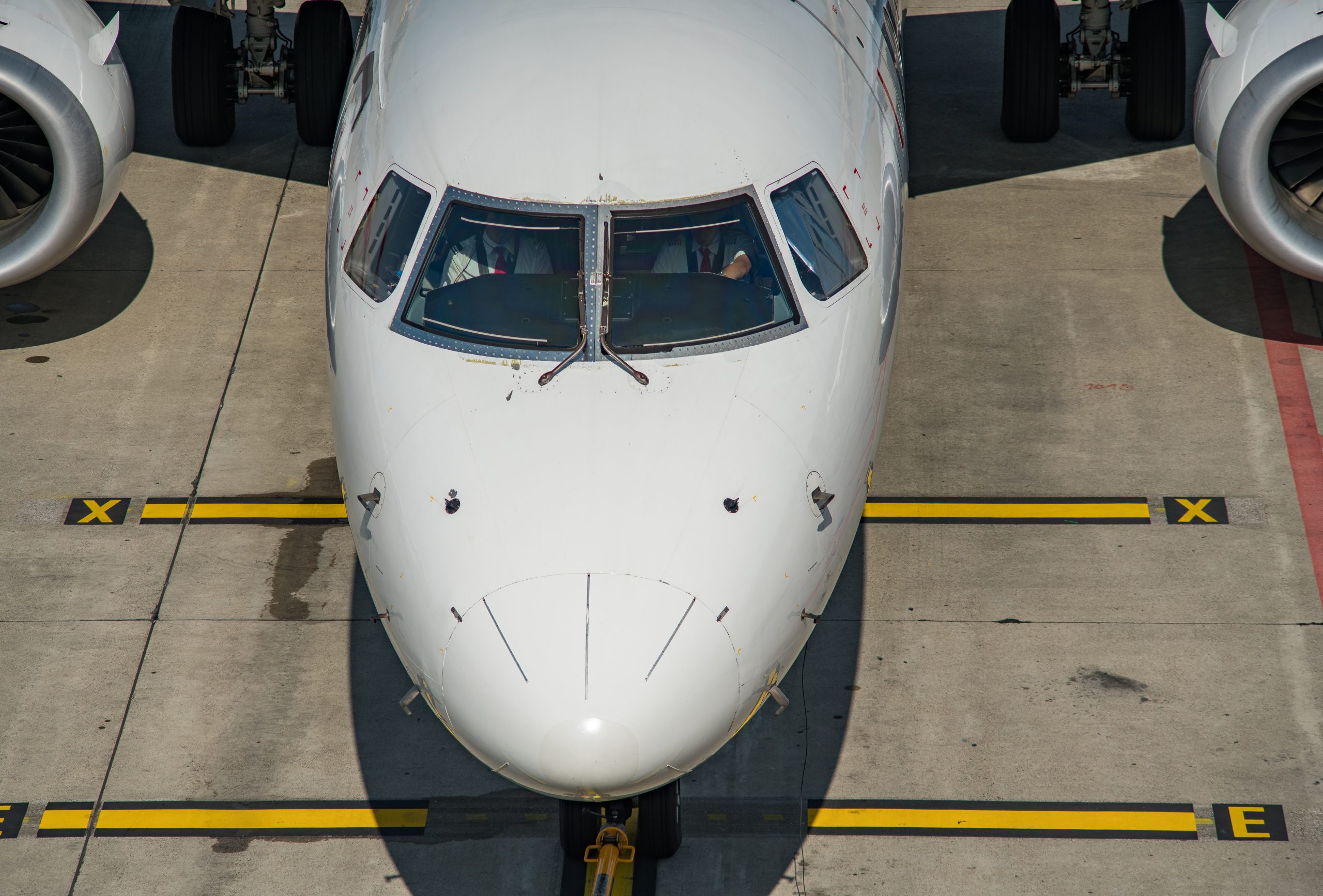
The government is weighing a proposal to make drug testing mandatory for every pilot once a year, up from the current 10% sampling of the overall pilot network.
Civil Aviation Minister Ram Mohan Naidu said, “Right now, the rule says 10 per cent across the overall pilot network,” while confirming that the DGCA is in discussions with stakeholders on expanding the testing regime.
The proposal follows the August 4 Air India flight AI2379 incident, when the Phuket-Delhi Airbus A320 lost around 300 feet of altitude after a hydraulic failure, injuring 17 people onboard before landing safely in Delhi.
The incident triggered concerns after a subsequent confirmatory drug test of the pilot-in-command reportedly returned positive for marijuana.
Air India subsequently expanded drug screening across its pilot workforce, with two more pilots later found to have failed preliminary drug tests and being removed from flight duties as a precaution.
Around 400 pilots have so far been screened as part of the airline’s expanded internal testing exercise following the incident.
Naidu said the discussions on strengthening testing rules are separate from the ongoing investigation into the Air India incident itself, which continues under separate review.
India’s aviation sector has been expanding rapidly in recent years, adding pressure on regulators to scale up safety and compliance infrastructure, including staffing and laboratory capacity for expanded testing regimes.
The incident triggered concerns after a subsequent confirmatory drug test of the pilot-in-command reportedly returned positive for marijuana.
Air India subsequently expanded drug screening across its pilot workforce, with two more pilots later found to have failed preliminary drug tests and being removed from flight duties as a precaution.
Around 400 pilots have so far been screened as part of the airline’s expanded internal testing exercise following the incident.
The Federation of Indian Pilots has urged consideration of oral-fluid testing as a complementary methodology within the existing regulatory framework, to help expand testing capacity as India’s aviation sector grows.
Photo by Chad Davis, Wikimedia Commons, CC BY 2.0


Inside the Claims: What “Hygienically Packed” Actually Means at Dakloni Masala

Maharashtra family’s celebration of first daughter in 200 years goes viral

Daily horoscope, September 5: Cancer’s moment, Aries told to slow down

Redfox Overseas: Customize Your Own Energy Drink and Stand Out in the Market

Zamzam Company CEO Chhote Bhai-Bade Bhai gave a grand welcome to Indian writer Devhari Sirvi in Dubai

Shikha Sharma: The Fashion Journalist, Blogger, and Plus-Size Model Taking the Industry by Storm
-
 Brandpost2 years ago
Redfox Overseas: Customize Your Own Energy Drink and Stand Out in the Market
-
 Brandpost2 years ago
Zamzam Company CEO Chhote Bhai-Bade Bhai gave a grand welcome to Indian writer Devhari Sirvi in Dubai
-
 Fashion2 years ago
Shikha Sharma: The Fashion Journalist, Blogger, and Plus-Size Model Taking the Industry by Storm
-
Entertainment1 year ago
Lucky Roxx’s “Yadav Ki Pukar” Goes Viral! Youth Celebrate Unity & Power
-

 Entertainment9 years ago
New Season 8 Walking Dead trailer flashes forward in time
-
Entertainment9 years ago
Meet Superman’s grandfather in new trailer for Krypton
-

 Brandpost2 years ago
From Local Hero to National Icon: Satyam Yadav’s Journey with TwentyOne
-
Uncategorized2 years ago
Hello world!