Connect with us

Local

Delhi tears down unsafe building next to collapse site

The MCD began demolishing an unsafe structure adjoining Delhi’s Satya Niketan building collapse site on September 9, as the Supreme Court prepares to hear a plea on nationwide building safety.

Published

on

Delhi authorities tore down an unsafe building adjoining the Satya Niketan collapse site on Tuesday, part of the fallout from a collapse that killed seven people on September 6.

The MCD’s demolition order for the adjoining property, P-13 Satya Niketan, cited Section 348 read with Section 491 of the Delhi Municipal Corporation Act, 1957.

The owner of the collapsed building has been arrested, five MCD officials suspended, and a contractor also held.

The National Human Rights Commission issued notices to the Delhi government and the University Grants Commission on September 8 over the collapse.

The Supreme Court is scheduled to hear a plea on September 10 seeking a nationwide investigation into unsafe buildings, including a time-bound safety audit of hostels and PG accommodations near Delhi colleges.

Delhi Chief Minister Rekha Gupta had earlier ordered a case against the collapsed building’s owner and a magisterial inquiry into the circumstances of the collapse.

Satya Niketan is a densely packed neighbourhood near Delhi University’s South Campus, home to a large number of paying-guest accommodations and student hostels.

The Supreme Court’s scheduled hearing is expected to consider whether a nationwide investigation into unsafe buildings, particularly those used as student housing, is warranted.

Structural safety violations in PG and hostel buildings have been a recurring concern in Delhi, with authorities periodically ordering inspections after individual incidents rather than systematic citywide audits.

The five suspended MCD officials are expected to face a separate departmental inquiry into how the adjoining unsafe structure went unflagged prior to the collapse.

The Satya Niketan building collapse on September 6 killed seven people, with rescue operations by NDRF and Delhi Fire Services continuing through the following days.

The demolition order for the adjoining property, P-13 Satya Niketan, was issued on September 6 under Section 348 read with Section 491 of the Delhi Municipal Corporation Act, 1957.

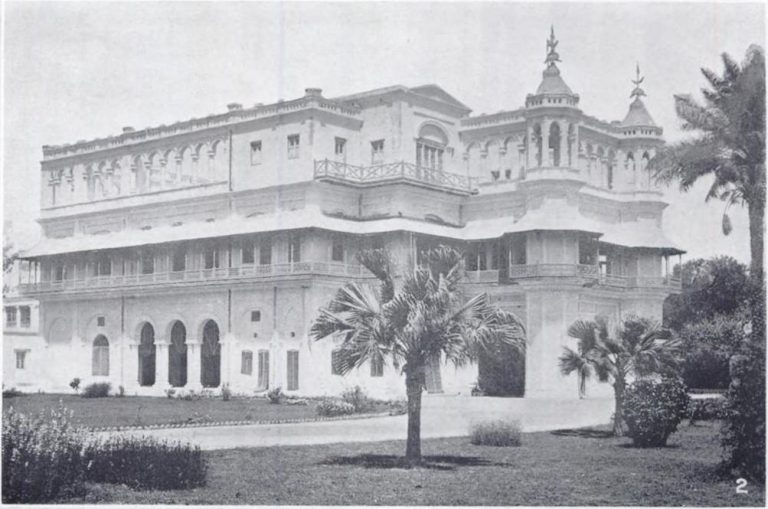
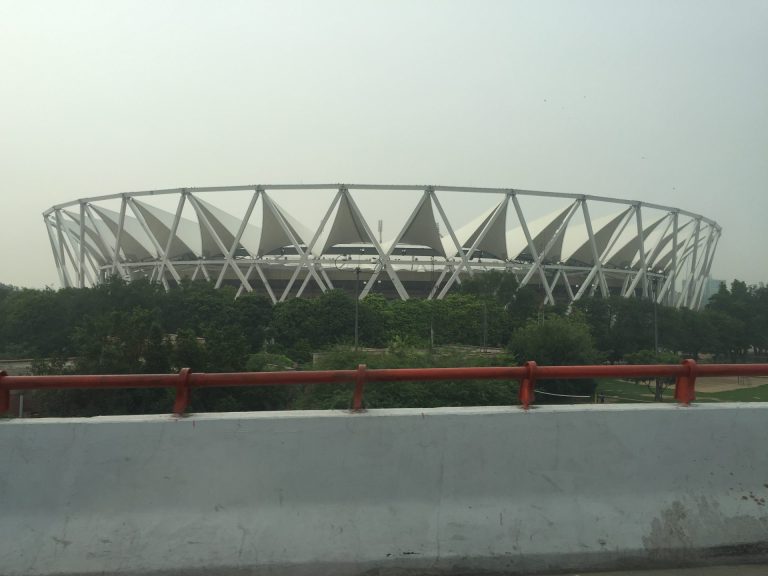
MCD Civic Centre, New Delhi, Wikimedia Commons, CC BY-SA 3.0

Continue Reading
Click to comment

Leave a Reply

Your email address will not be published. Required fields are marked *

Local

Delhi: Four killed, two injured as dumper hits crane in Sarita Vihar

Four workers installing CCTV cameras for the traffic police were killed and two injured when a dumper rammed into a stationary crane and an auto-rickshaw in Delhi’s Sarita Vihar around 3:20 am on Sunday; the driver, who fled, was later apprehended.

Published

on

Four people were killed and two injured when a dumper hit a crane in Delhi’s Sarita Vihar.

The crane was being used for CCTV installation.

An auto-rickshaw carrying workers was also hit.

The crash was at about 3:20 am on Sunday.

The driver was later apprehended.

Four people, including an HR manager, were killed, and two others were injured.

The dead worked for the company that was installing the CCTV cameras, and they included two cousins.

The dumper driver fled the scene after the collision and was later apprehended by police.

Investigators are checking CCTV footage, the dumper’s speed and route, the positioning of the crane and the auto-rickshaw, and the safety arrangements at the work site.

The injured were taken to hospital for treatment.

Work on roads at night is usually done to avoid daytime traffic, but it needs barricades, reflective markings and warning signs to keep workers safe.

Road safety guidelines call for traffic cones, lighting and advance warning signs around roadside work zones.

Police typically register a case for causing death by negligence in such accidents, and examine whether the driver was speeding or impaired.

The families of those killed are yet to receive full details, and the investigation is continuing.

The accused driver is presumed innocent until proven guilty, and the circumstances of the crash are still being established.

Sarita Vihar is a neighbourhood in south-east Delhi.

A medium-sized dumper is a commercial vehicle typically used to carry construction materials such as sand and stone.

Heavy vehicles are generally allowed to move through Delhi mainly at night, which is why night-time road work sites face particular risk.

The accident took place at about 3:20 am on Sunday, September 20, 2026, in Sarita Vihar in south-east Delhi.

A medium-sized dumper with a Haryana registration number, travelling from Noida towards Delhi, collided with a crane parked on the roadside.

Delhi Police vehicle (representative image), Wikimedia Commons, CC BY-SA 4.0

Continue Reading

Local

Why DTC drivers are on strike: A quick explainer

Delhi’s DTC contract drivers’ strike over wages and service conditions continued into the weekend, leaving thousands of buses off the road and commuters relying on the Metro, autos and e-rickshaws.

Published

on

Contractual DTC drivers and conductors are on strike over pay and service conditions.

They earn Rs 862 a day and are asking for Rs 2,000.

They also want medical facilities, social security, an annual bonus, paid holidays and leave.

The government says some benefits have already been approved.

The union says the protest will continue until its demands are met.

Thousands of buses remained parked at depots across the capital.

Services were reported to be hit in areas including Burari, Wazirpur, Nehru Place, Rajghat, Rani Khera, Ghumanhera and Sarita Vihar.

Long queues were seen at bus stops, and some e-rickshaw drivers were asking Rs 15 to Rs 20 for distances of two to two and a half kilometres.

Delhi Metro added train services during peak hours as more commuters switched to it.

Transport Minister Pankaj Singh said the administration had already approved certain benefits, including medical facilities, leave compensation, additional kilometre payments and death assistance.

The government distinguished between direct DTC employees and those hired through private contractors.

Union president Lalit Chaudhary said the drivers were not asking for anything unreasonable and that the protest would continue until the demands were met.

Reports differed on the day count, with one report calling Friday the fourth day of the strike and another saying it entered its fifth day on Saturday.

No emergency order to end the strike was reported in the accounts reviewed.

The strike began earlier in the week and continued through the weekend.

Many Delhi residents rely on DTC buses for daily commuting, so even a short strike has a wide impact on the city.

The strike by contractual drivers and conductors of the Delhi Transport Corporation continued through the weekend of September 19 and 20.

It is led by the DTC Karmachari Ekta Union, which claims that more than 10,000 drivers and conductors are taking part.

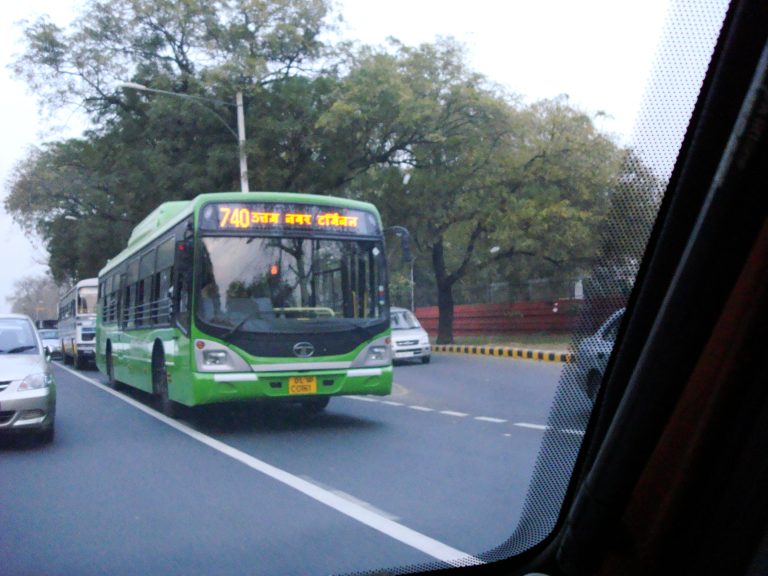
DTC low-floor bus, Delhi (representative image), Wikimedia Commons, CC BY 2.0

Continue Reading

Local

Ganeshotsav tragedy in Mumbai: Two dead, four injured in electrocution

Two people, including an 8-year-old girl, died and several others were injured after electric shocks from a loose wire at a stall near a Ganesh pandal in Mumbai’s Lalbaug-Kalachowki area early on Sunday; police have registered an FIR for negligence.

Published

on

A tragedy during the Ganesh festival in Mumbai left two people dead and four others injured in an electrocution incident.

It happened early on Sunday near a pandal in the Lalbaug-Kalachowki area.

The victims included an 8-year-old girl and a woman.

Police have booked the stall operator for negligence.

Investigators are looking into the electrical fittings at the spot.

At least four others, aged between 8 and 20, were reported to have suffered burn injuries and were undergoing treatment.

Police have registered an FIR against the operator of the nearby stall under Sections 106(1) and 125(b) of the Bharatiya Nyaya Sanhita, alleging negligence.

Section 106(1) of the Bharatiya Nyaya Sanhita deals with causing death by negligence, and Section 125 deals with acts that endanger life or the personal safety of others.

An investigation has begun into how the loose wire came to be exposed and who was responsible for the electrical fitting.

The Lalbaug area draws large crowds during the Ganesh festival, and pandals and nearby stalls use temporary electrical connections.

Officials and civic bodies usually issue safety advisories about temporary wiring, earthing and open cables before festival crowds gather.

Devotees are advised not to touch loose or hanging wires, especially in wet conditions, and to report exposed cables to local authorities.

Wet conditions raise the risk of electric shocks from damaged wiring in crowded public places, which is why safety advisories stress caution in the monsoon season.

The injured were taken to nearby hospitals, and the woman who died had been admitted to Global Hospital in Parel.

The incident took place at around 2 am on Sunday, September 20, when devotees were present near the Ganesh pandal.

Electric shocks from a loose wire at a cold drink stall near Aastha Hospital on Dattaram Lad Marg in Kalachowki injured several people.

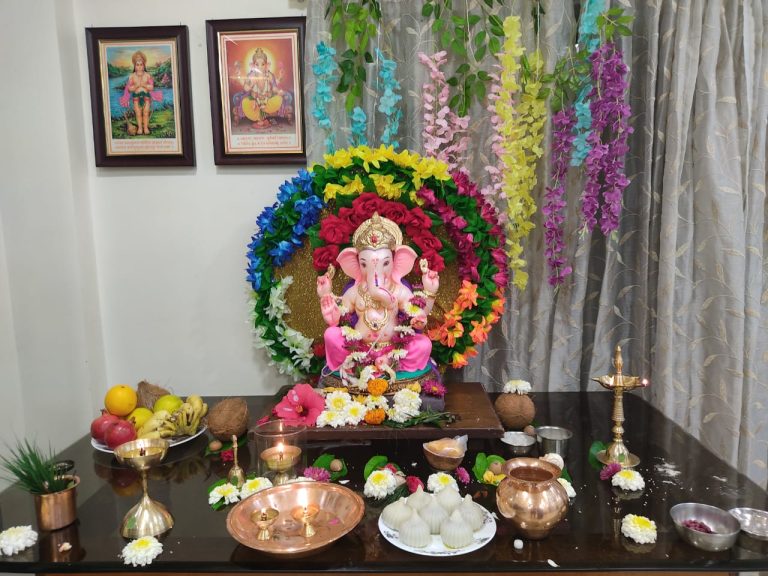
Ganesh festival decoration (representative image), Wikimedia Commons, CC BY-SA 4.0

Continue Reading

Trending