Connect with us

International

MEA: India to protect trade interests after US sanctions law

US President Donald Trump signed the Sanctioning Russia and Iran Act of 2026 into law on September 18, allowing tariffs of up to 100 percent on the five largest buyers of Russian oil and gas; India says it will protect its trade and economic interests.
Published

on

The Ministry of External Affairs said India has made clear its determination to take all necessary measures to protect its trade and economic interests.

The statement came after the US signed a law on Russia sanctions.

The government will work with Indian trade and industry bodies on the implications.

The law allows tariffs of up to 100 percent on the five largest buyers of Russian oil and gas.

It was signed on September 18.

India is among the countries that could fall within the law’s scope because of its substantial purchases of Russian energy.

India imported about 2.08 million barrels per day of Russian crude in August 2026, around 45 percent of its total imports.

In July 2026, Russian crude accounted for about 2.82 million barrels per day, or 56 percent of India’s imports.

India is the world’s third-largest consumer of crude oil.

The Ministry of External Affairs said it had taken note of the passage of the bill and was monitoring developments.

It said India remains firmly committed to ensuring energy security for its 1.4 billion people through diversified sourcing and evolving market dynamics.

The ministry said India has made clear its determination to take all necessary measures to protect its trade and economic interests.

It added that the government will work closely with Indian trade and industry bodies to deal with the implications.

China has also opposed the law, calling it unilateral sanctions with no basis in international law.

Brent crude has been trading above 100 dollars a barrel in recent weeks, and markets remain sensitive to sanctions-related news.

President Donald Trump signed the Lindsey O. Graham Sanctioning Russia and Iran Act of 2026 into law on Friday, September 18, 2026.

The law authorises tariffs of up to 100 percent on imports from the five largest purchasers of Russian crude oil and gas.

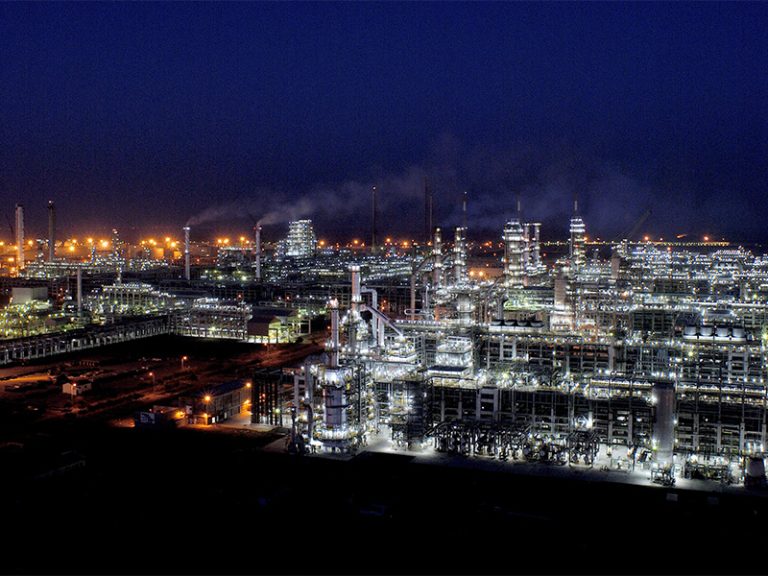
Essar Oil refinery, India (representative image), Wikimedia Commons, CC BY 2.0

Continue Reading
Click to comment

Leave a Reply

Your email address will not be published. Required fields are marked *

International

US set to sign Russia sanctions bill, India assesses oil impact

The US is set to sign a Russia sanctions bill that could affect India’s oil imports; India’s MEA says it is closely monitoring the situation and remains committed to energy security.

Published

on

The US is set to sign a Russia sanctions bill today, prompting India to assess its potential impact on oil imports.

The Sanctioning Russia and Iran Act of 2026 grants tariff authority of up to 100% on countries buying Russian oil and gas.

India’s Ministry of External Affairs said it is closely monitoring developments and remains committed to energy security for its population.

Concerns have been raised in New Delhi over the bill’s impact on bilateral relations and global energy markets.

China has also opposed the legislation, calling it unilateral ‘long-arm jurisdiction’ with no basis in international law.

China has also opposed the sanctions bill, with its Foreign Ministry rejecting what it called ‘long-arm jurisdiction’ and unilateral sanctions lacking a basis in international law.

India has significantly increased its imports of discounted Russian crude oil since 2022, making it one of the largest buyers of Russian oil globally.

Indian refiners have cited cost savings from discounted Russian crude as a key factor supporting the country’s energy affordability in recent years.

The US has previously raised concerns over India’s Russian oil purchases, with earlier rounds of tariff threats and penalties discussed in prior years.

Energy security has remained a consistent priority in India’s foreign policy, with the government emphasizing diversified sourcing to manage price volatility.

Global oil markets remain sensitive to geopolitical developments of this kind, with sanctions-related uncertainty often influencing crude price movements.

Indian officials have historically maintained that energy purchasing decisions are driven by national interest and affordability considerations for its population.

The legislation, known as the Sanctioning Russia and Iran Act of 2026, gives the US President authority to impose tariffs of up to 100% on countries buying Russian oil and gas.

The bill does not automatically impose these tariffs on India, but it increases pressure on New Delhi’s energy sourcing decisions going forward.

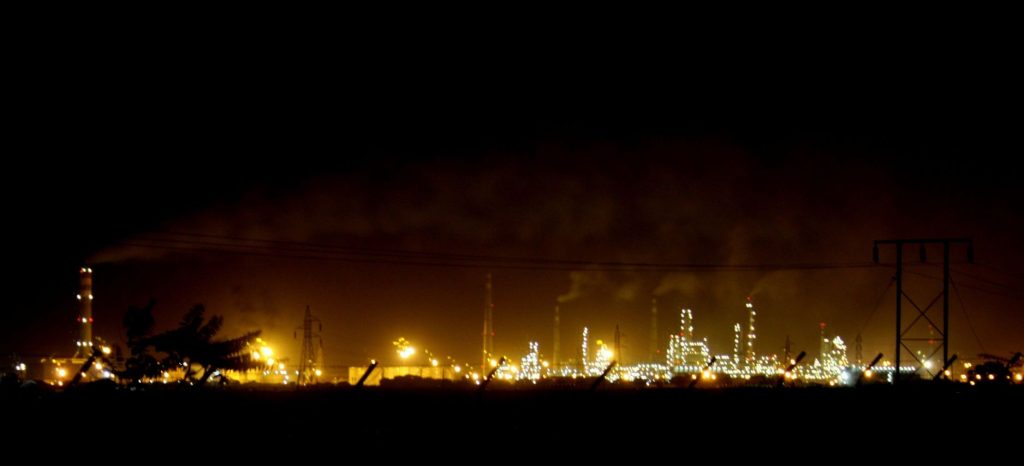
Jamnagar Refinery, India (representative image), Wikimedia Commons, CC BY-SA 4.0

Continue Reading

Trending