Connect with us

Local

NCRTC boosts Namo Bharat frequency for Raksha Bandhan with 47 extra trips

NCRTC operated 47 additional Namo Bharat trips on the Delhi-Meerut corridor on August 27 and 28, running trains every 8 minutes to handle Raksha Bandhan travel demand.
Published

on

NCRTC boosted Namo Bharat frequency on the Delhi-Meerut corridor with 47 extra trips run over August 27 and 28 to manage Raksha Bandhan travel.

The additional trips brought train intervals down to eight minutes on both days, well above the corridor’s regular operating pace.

Services ran across the entire route between Sarai Kale Khan in Delhi and Modipuram in Meerut, expanding options for commuters throughout the corridor.

NCRTC said the frequency boost was designed to help women travelling to meet their brothers for the festival, as well as families travelling together.

The Delhi-Ghaziabad-Meerut RRTS corridor covers roughly 55 kilometres across eleven stations, offering a faster alternative to road travel on the route.

NCRTC has previously run similar special schedules during other major festivals, treating frequency increases as a routine tool for managing predictable demand surges.

The additional trips were particularly aimed at benefiting women travelling to meet their brothers for Raksha Bandhan, as well as families making the journey together.

Regular commuters on the corridor also benefited from the shorter wait times during the two-day window, even outside the specific festival-driven travel demand.

NCRTC publicised the revised timetable in advance through its official channels, giving passengers time to plan their festival travel around the enhanced schedule.

The Namo Bharat service has positioned itself as a faster, more predictable alternative to road travel on the often-congested Delhi-Meerut corridor, particularly during high-traffic festival periods.

The enhanced services covered the entire operational corridor between Sarai Kale Khan in Delhi and Modipuram in Meerut, giving commuters more frequent options across the full route.

NCRTC said the extra trips were aimed at accommodating the seasonal spike in passenger footfall as families travelled to be together for the festival.

The corridor has been steadily ramping up frequency since its launch, with NCRTC periodically adding services around major festivals and long weekends to manage demand spikes.

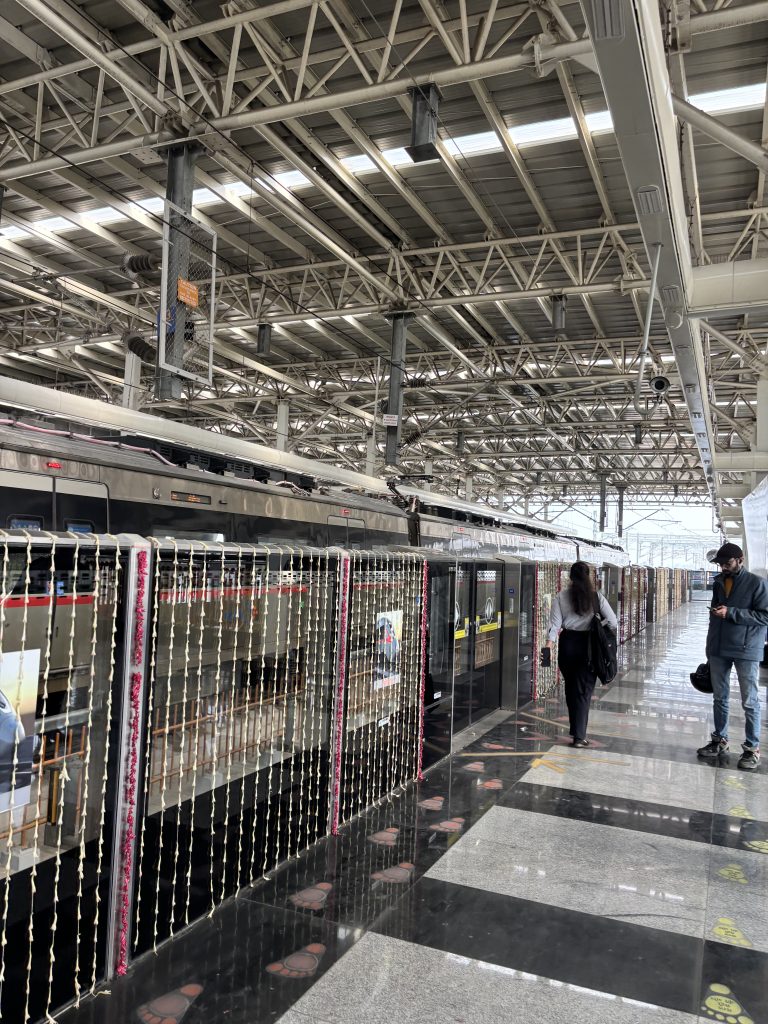
Photo of a Namo Bharat RRTS platform, Wikimedia Commons, CC BY-SA 4.0

Continue Reading
Click to comment

Leave a Reply

Your email address will not be published. Required fields are marked *

Local

Why DTC drivers are on strike: A quick explainer

Delhi’s DTC contract drivers’ strike over wages and service conditions continued into the weekend, leaving thousands of buses off the road and commuters relying on the Metro, autos and e-rickshaws.

Published

on

Contractual DTC drivers and conductors are on strike over pay and service conditions.

They earn Rs 862 a day and are asking for Rs 2,000.

They also want medical facilities, social security, an annual bonus, paid holidays and leave.

The government says some benefits have already been approved.

The union says the protest will continue until its demands are met.

Thousands of buses remained parked at depots across the capital.

Services were reported to be hit in areas including Burari, Wazirpur, Nehru Place, Rajghat, Rani Khera, Ghumanhera and Sarita Vihar.

Long queues were seen at bus stops, and some e-rickshaw drivers were asking Rs 15 to Rs 20 for distances of two to two and a half kilometres.

Delhi Metro added train services during peak hours as more commuters switched to it.

Transport Minister Pankaj Singh said the administration had already approved certain benefits, including medical facilities, leave compensation, additional kilometre payments and death assistance.

The government distinguished between direct DTC employees and those hired through private contractors.

Union president Lalit Chaudhary said the drivers were not asking for anything unreasonable and that the protest would continue until the demands were met.

Reports differed on the day count, with one report calling Friday the fourth day of the strike and another saying it entered its fifth day on Saturday.

No emergency order to end the strike was reported in the accounts reviewed.

The strike began earlier in the week and continued through the weekend.

Many Delhi residents rely on DTC buses for daily commuting, so even a short strike has a wide impact on the city.

The strike by contractual drivers and conductors of the Delhi Transport Corporation continued through the weekend of September 19 and 20.

It is led by the DTC Karmachari Ekta Union, which claims that more than 10,000 drivers and conductors are taking part.

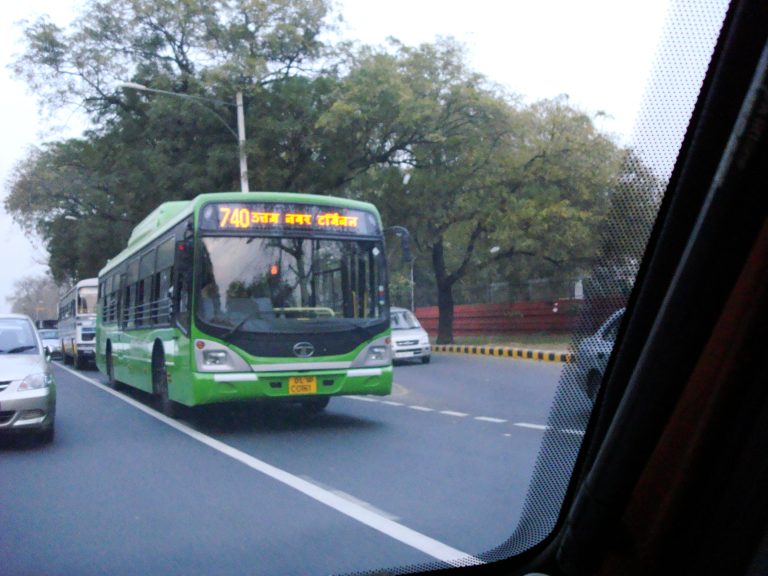
DTC low-floor bus, Delhi (representative image), Wikimedia Commons, CC BY 2.0

Continue Reading

Local

Ganeshotsav tragedy in Mumbai: Two dead, four injured in electrocution

Two people, including an 8-year-old girl, died and several others were injured after electric shocks from a loose wire at a stall near a Ganesh pandal in Mumbai’s Lalbaug-Kalachowki area early on Sunday; police have registered an FIR for negligence.

Published

on

A tragedy during the Ganesh festival in Mumbai left two people dead and four others injured in an electrocution incident.

It happened early on Sunday near a pandal in the Lalbaug-Kalachowki area.

The victims included an 8-year-old girl and a woman.

Police have booked the stall operator for negligence.

Investigators are looking into the electrical fittings at the spot.

At least four others, aged between 8 and 20, were reported to have suffered burn injuries and were undergoing treatment.

Police have registered an FIR against the operator of the nearby stall under Sections 106(1) and 125(b) of the Bharatiya Nyaya Sanhita, alleging negligence.

Section 106(1) of the Bharatiya Nyaya Sanhita deals with causing death by negligence, and Section 125 deals with acts that endanger life or the personal safety of others.

An investigation has begun into how the loose wire came to be exposed and who was responsible for the electrical fitting.

The Lalbaug area draws large crowds during the Ganesh festival, and pandals and nearby stalls use temporary electrical connections.

Officials and civic bodies usually issue safety advisories about temporary wiring, earthing and open cables before festival crowds gather.

Devotees are advised not to touch loose or hanging wires, especially in wet conditions, and to report exposed cables to local authorities.

Wet conditions raise the risk of electric shocks from damaged wiring in crowded public places, which is why safety advisories stress caution in the monsoon season.

The injured were taken to nearby hospitals, and the woman who died had been admitted to Global Hospital in Parel.

The incident took place at around 2 am on Sunday, September 20, when devotees were present near the Ganesh pandal.

Electric shocks from a loose wire at a cold drink stall near Aastha Hospital on Dattaram Lad Marg in Kalachowki injured several people.

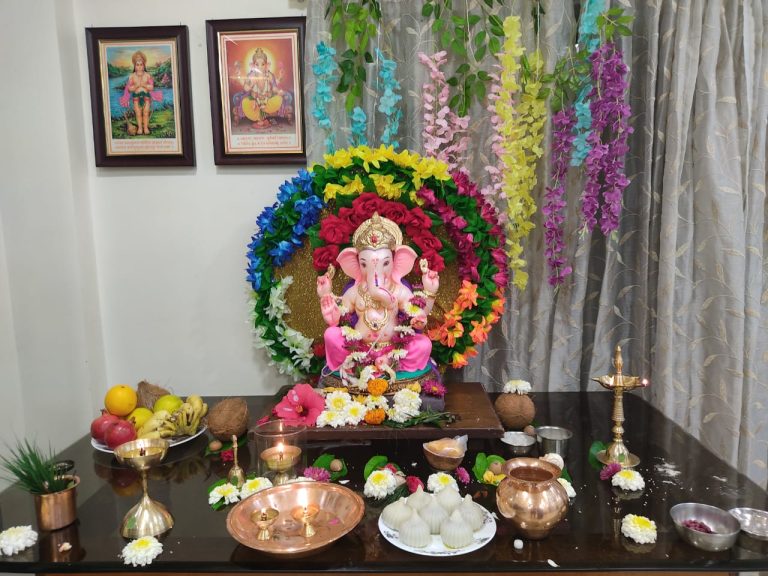
Ganesh festival decoration (representative image), Wikimedia Commons, CC BY-SA 4.0

Continue Reading

Local

Four held with 47.3 kg heroin, three pistols in Faridkot

Faridkot Police busted a cross-border heroin network and arrested four people, seizing 47.3 kg of heroin, three pistols, 15 cartridges and two vehicles.

Published

on

Four people were held with 47.3 kg of heroin and three pistols in Faridkot.

The arrests came from a checkpoint by the CIA Faridkot team.

Fifteen cartridges and two vehicles were also seized.

The accused are from Ferozepur district.

An FIR has been registered at Sadiq police station.

The four occupants of the car were apprehended, and the heroin and weapons were found during the search.

All four accused are residents of villages in Ferozepur district.

According to police, the gang received consignments of heroin and weapons dropped by drones from across the border in the border areas of Fazilka and Ferozepur.

The gang then supplied the consignments further within Punjab, police said.

An FIR has been registered at Sadiq police station in Faridkot.

Investigators are working to establish the forward and backward linkages of the network.

Punjab, which shares a long border with Pakistan, has seen repeated drone-dropped drug and weapon consignments in border districts.

Police recoveries of this kind are typically followed by questioning of the accused to trace the suppliers across the border and the buyers within the state.

The accused are yet to be tried, and the allegations against them remain to be proved in court.

The recovery included both narcotics and firearms, which police say shows the gang handled more than one kind of illegal consignment.

Baba Farid Agman Purab is a major annual religious event in Faridkot, and police step up checking in the district ahead of it.

Ferozepur and Fazilka, the districts named in the case, lie on the border with Pakistan.

Crime Investigation Agency units in Punjab districts focus on organised crime and narcotics cases.

The Faridkot Police arrested four operatives of a cross-border smuggling network and seized 47.3 kg of heroin.

They also recovered three pistols, three magazines, 15 cartridges and two vehicles.

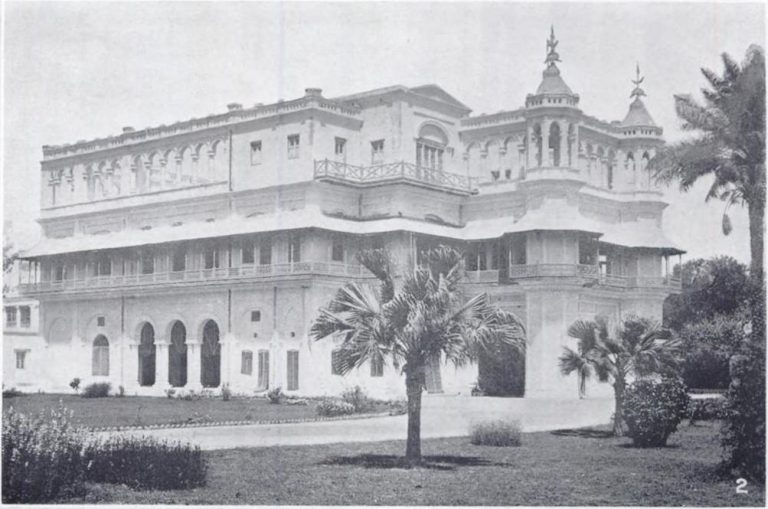
Raj Mahal palace, Faridkot (representative image), Wikimedia Commons, public domain

Continue Reading

Trending