
Business
Safar Cabs: Revolutionizing Ride-Hailing with Unmatched Features


Safar Cabs is set to launch its quick, on-demand ride-hailing platform in Delhi/NCR, Indore, Bengaluru, and Ahmedabad. With a mission to redefine the ride-hailing experience, Safar Cabs promises a suite of unparalleled features for both customers and drivers.
Customer-Centric Features
3-Minute Ride Arrival: Safar Cabs guarantees that your ride will arrive within three minutes, ensuring minimal waiting time and maximum convenience.
Zero Surge Pricing: Say goodbye to unpredictable fare hikes. Safar Cabs offers a zero-surge pricing model, maintaining consistent and affordable rates regardless of demand fluctuations.
Lowest Affordable Charges: Committed to providing the best value, Safar Cabs offers the lowest charges in the market, making daily commuting budget-friendly.
Pre-Schedule Rides: Customers can pre-schedule rides, ensuring they have a cab ready whenever they need it.
Zero Cancellation: Once a ride is booked, there are no cancellations, providing reliability and peace of mind.
Fair Pricing Policy: Transparent and fair pricing ensures customers know exactly what they are paying for, with no hidden charges.
Safe & Secure Rides: Safar Cabs prioritizes passenger safety with secure rides, GPS tracking, and robust safety protocols.
Trained & Professional Drivers: All drivers undergo rigorous training and background checks to ensure a professional and pleasant ride experience.
Driver-Focused Benefits
Safar Cabs isn’t just about customers; it’s a game-changer for drivers as well.
Zero Commission: Drivers earn the full fare of each ride without any commission deductions, maximizing their earnings.
Customer Pickup Charges: Drivers receive compensation for customer pickups, ensuring every trip is profitable.
Instant Withdrawal of Money: Earnings are instantly withdrawable, providing financial flexibility and stability.
Lucrative Incentive Plan: An attractive incentive plan rewards drivers for their hard work and dedication.
Best Rates Per Km: Safar Cabs offers the best rates per kilometer in the industry, ensuring drivers earn more for every mile they drive.
Diverse Vehicle Options
Safar Cabs caters to various travel needs with a range of vehicle options including cars, bikes, and autos. Whether you need a quick bike ride through traffic, a comfortable car ride, or an economical auto journey, Safar Cabs has you covered.
Comprehensive Services
Safar Cabs offers both in-city and out-of-station services, making it a versatile solution for all your travel needs. Whether you’re commuting within the city or planning a trip out of town, Safar Cabs provides reliable and efficient transportation options.
With these unique selling propositions, Safar Cabs is poised to transform the ride-hailing landscape, offering unmatched convenience, affordability, and security for customers, while providing lucrative and fair opportunities for drivers. As Safar Cabs launches in Delhi/NCR, Indore, Bengaluru, and Ahmedabad, the future of urban commuting looks bright and promising.
Business
Explained: Why a weak rupee and costly crude hurt Indian stocks
The Sensex fell 547.65 points to 71,924.68 and the Nifty 50 lost 157.10 points to 22,363.35 on October 12, after early gains faded on foreign fund outflows, elevated crude oil and a weak rupee.

A weaker rupee raises the cost of imports such as crude oil.
Higher costs can add to inflation and squeeze company margins.
On October 12, the Sensex fell 547.65 points even though the rupee opened stronger.
Analysts also cited foreign fund outflows and higher bond yields.
Crude oil was around 106 dollars a barrel at one point.
The decline followed Friday’s rebound, which had ended a prolonged losing streak, according to HDFC Sky.
Market breadth was nearly even, with 2,187 stocks advancing, 2,066 declining and 235 unchanged on the BSE, according to HDFC Sky.
The Nifty Midcap index was flat, while the Nifty Smallcap index rose 1.4%.
Among sectors, Nifty Media rose 4.6%, Realty gained 1%, Auto rose 0.9% and Pharma rose 0.3%, according to HDFC Sky.
IT, metal, private bank, PSU bank and FMCG indices each fell between 0.4% and 1%, according to the same report.
Among Nifty 50 stocks, ITC, Tech Mahindra, L&T, Hindalco and Hindustan Unilever were among the top losers, with falls of about 2% to 3%.
Dr Reddy’s Laboratories, Bajaj Auto, Tata Motors Passenger Vehicles, Bharat Electronics and BSE Ltd were among the top gainers, according to HDFC Sky.
The rupee opened stronger, about 94 to 98 paise higher at around 95.75 to 95.77 per dollar against Friday’s close of 96.73, according to India TV and Analytics Insight.
HDFC Sky said the early recovery in the rupee did not translate into sustained buying in equities, and no closing rupee level was given in the reports reviewed.
Over the weekend, the Reserve Bank of India directed oil companies to source their dollar needs away from the spot market and tightened rules on foreign exchange hedging, according to HDFC Sky.
The RBI had recently raised the repo rate by 25 basis points to 5.5%, according to the same report.
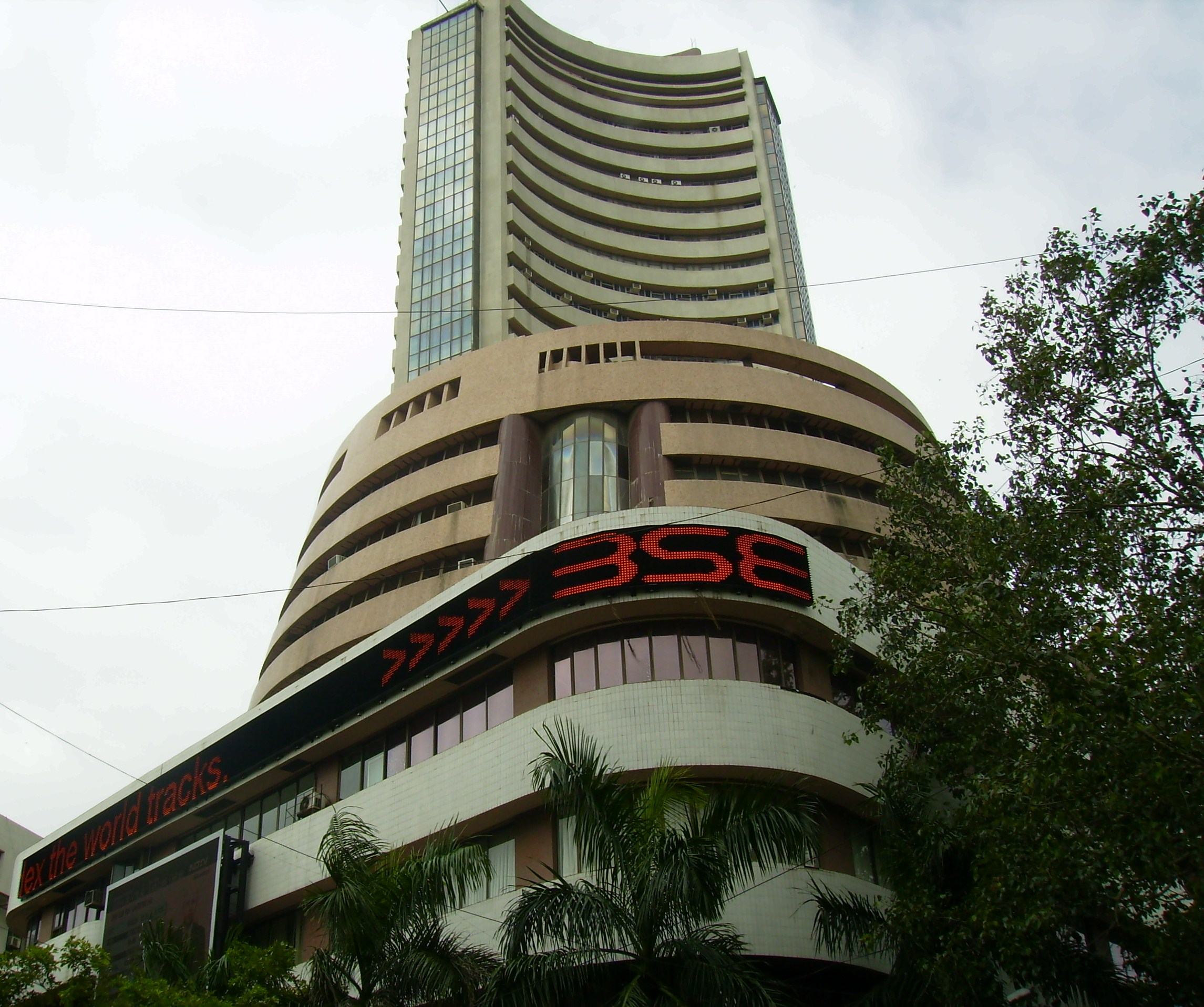
BSE building, Mumbai (file image), Wikimedia Commons, CC BY 2.0
Business
Markets bounce back: Where the Sensex and Nifty stand after three sessions
The Sensex rebounded 879 points to close at 72,472.33 and the Nifty gained 289 points to 22,520.45 on October 9, snapping a two-day losing streak as IT stocks rallied and crude prices eased.
On October 7, the Sensex fell 429 points.
On October 8, it fell 1,045 points to 71,593.24.
On October 9, it rose 879 points to 72,472.33.
The Nifty closed at 22,520.45.
The RBI’s rate hike, oil prices and foreign selling remain in focus.
The Nifty IT index was the biggest gainer, up 3.02%, followed by the Nifty FMCG index, up 2.20%, according to Upstox.
One analyst credited Tata Consultancy Services’ better-than-expected September quarter results for lifting the IT sector.
Apollo Hospitals, ITC and Eicher Motors were the top Nifty gainers, according to Business Standard.
Among Sensex stocks, ITC, TCS, Adani Ports, Infosys and HCL Tech were the major gainers, and ITC rose 4.78%.
Reliance Industries was the only major Sensex laggard, with its shares falling 0.55%.
Global crude prices were trading below $103 a barrel on Friday, after reaching $105.02 a barrel on the previous evening.
Lower oil eased concerns over inflation and corporate profits.
Reduced fears of an immediate escalation between the US and Iran also helped restore risk appetite, according to one report.
Another report attributed the rebound to value buying and short covering after the sharp correction.
At 1 pm the Sensex was up 828 points, and at 3 pm it was up about 1,043 points before easing at the close.
In the closing auction session, the Nifty was at 22,535.65, which is why the headline figure differs from the settled 22,520.45.
The RBI had raised the repo rate by 25 basis points to 5.50% on October 7, its first hike since February 2023.
On October 8, the Sensex had fallen 1,045 points to 71,593.24 and the Nifty 371 points to 22,231.80.
The Sensex is the 30-share index of the BSE, and the Nifty 50 is the benchmark index of the NSE.
This report is not investment advice, and market direction can change quickly.
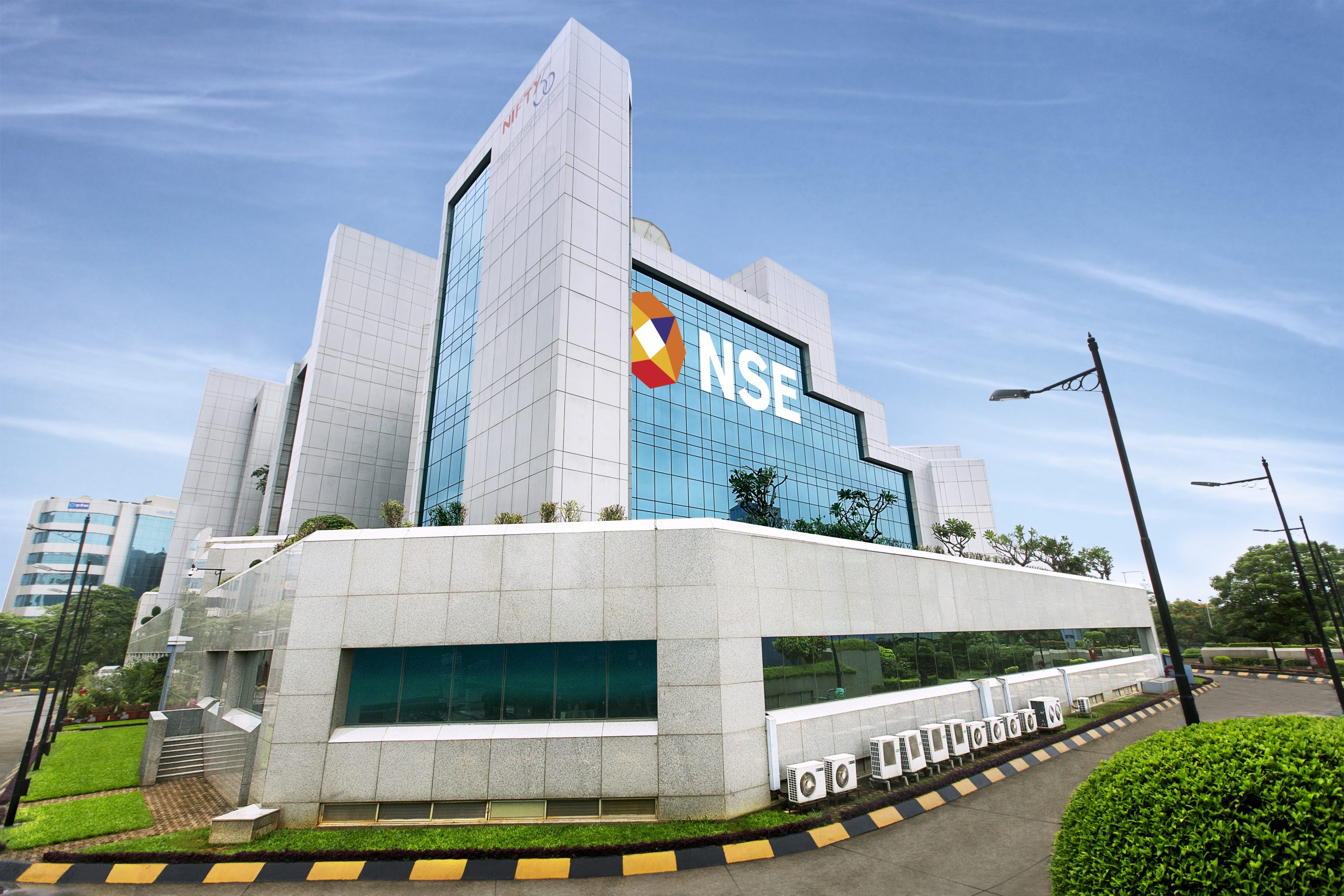
National Stock Exchange of India, Mumbai (file image), Wikimedia Commons, CC BY-SA 4.0
Business
US sanctions on Indian firms explained: Allegations, scope and next steps
The US State Department has sanctioned two Mumbai-based companies and five Indian nationals over alleged dealings in Iranian petroleum products, as part of a wider action against 10 entities, six individuals and five vessels.
The US alleges that two Mumbai firms facilitated imports of Iranian petroleum products.
These are allegations, and the reports carried no response from the firms.
Five Indian nationals linked to the firms are also sanctioned.
Samudra Marine Services has until October 23 to wind down.
The Indian government has not commented in the reports.
The five Indian nationals are linked to the two companies and are blocked from transactions related to their respective firms.
This report does not name the individuals, because the reports describe allegations only.
The State Department’s overall action covered 10 entities, six individuals and five vessels tied to Iranian-origin petroleum, petroleum products and petrochemical products.
The department says that the entities channelled millions of dollars to Iran.
The US Treasury Department separately sanctioned 17 entities and their shadow fleet vessels.
Samudra Marine Services has been authorised to carry out wind-down transactions until October 23, 2026.
The action is part of Operation Economic Outcast, a US campaign to cut off Iran’s oil revenue.
A shadow fleet generally means vessels used to move sanctioned oil outside normal shipping oversight.
The Tribune’s report, based on PTI, did not carry a statement from the Indian government or the Ministry of External Affairs.
Coverage noted that the sanctions could affect India’s energy interests, despite recent limited resumptions of Iranian oil purchases, according to The Daily Jagran.
US sanctions can block the sanctioned persons’ assets under US jurisdiction and bar US persons from dealing with them.
Companies outside the US can face secondary consequences if they deal with sanctioned entities.
Brent crude was trading above $100 a barrel this week amid supply concerns in the Middle East.
On the same day, Indian shares fell sharply as Brent rose above $104 a barrel.
The figures for the total number of entities and vessels vary by agency, so readers should check the official State and Treasury releases.
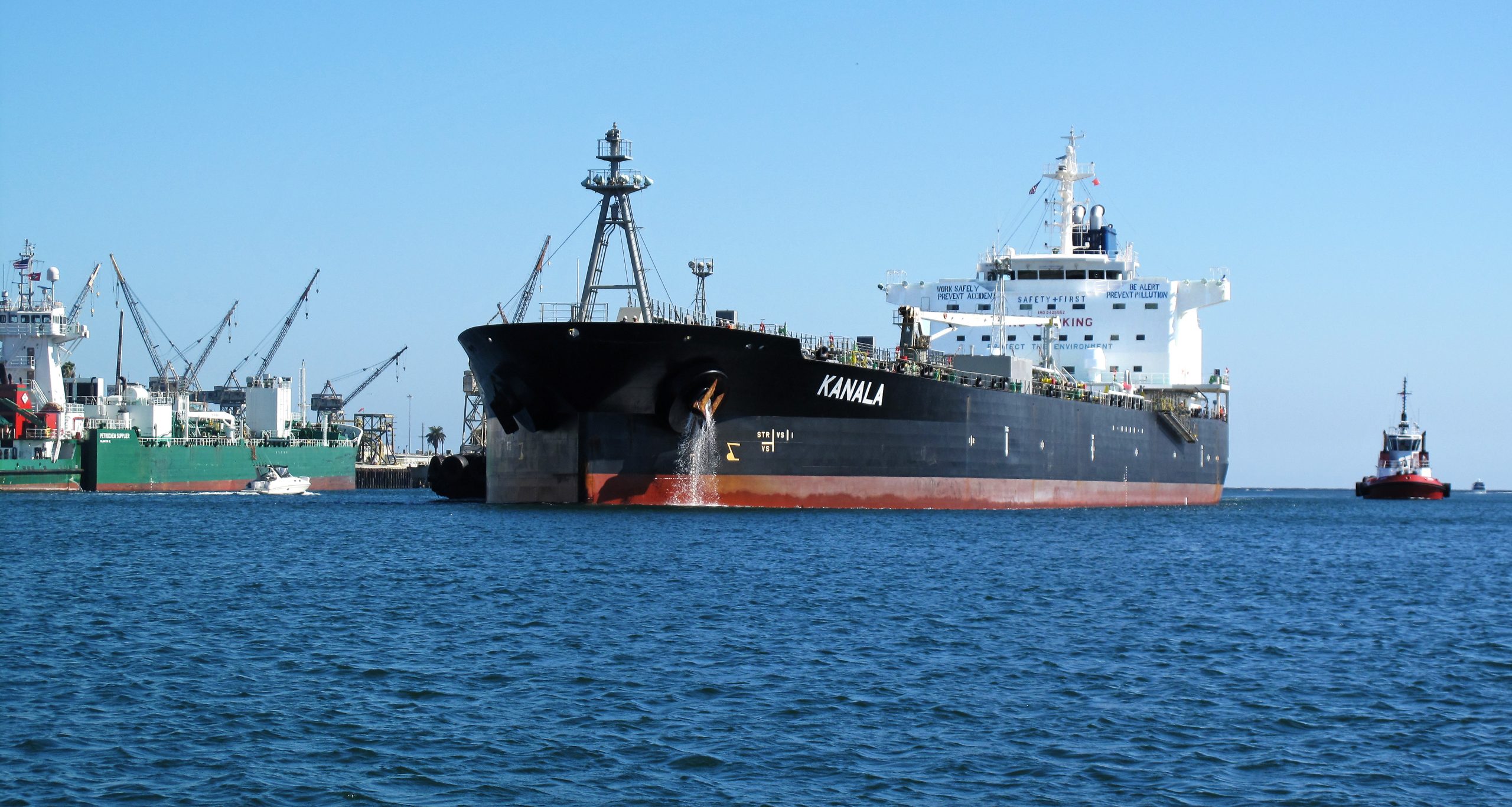
Oil products tanker (representative image), Wikimedia Commons, CC BY-SA 4.0


Explained: What is a periscope camera, as used in the Motorola Signature 27?

Explained: Why a weak rupee and costly crude hurt Indian stocks

Explained: What is a special intensive revision of electoral rolls, and why is it in court?

Redfox Overseas: Customize Your Own Energy Drink and Stand Out in the Market

Zamzam Company CEO Chhote Bhai-Bade Bhai gave a grand welcome to Indian writer Devhari Sirvi in Dubai

Shikha Sharma: The Fashion Journalist, Blogger, and Plus-Size Model Taking the Industry by Storm
-
 Brandpost2 years ago
Redfox Overseas: Customize Your Own Energy Drink and Stand Out in the Market
-
 Brandpost2 years ago
Zamzam Company CEO Chhote Bhai-Bade Bhai gave a grand welcome to Indian writer Devhari Sirvi in Dubai
-
 Fashion2 years ago
Shikha Sharma: The Fashion Journalist, Blogger, and Plus-Size Model Taking the Industry by Storm
-
Entertainment2 years ago
Lucky Roxx’s “Yadav Ki Pukar” Goes Viral! Youth Celebrate Unity & Power
-

 Entertainment9 years ago
New Season 8 Walking Dead trailer flashes forward in time
-
Entertainment9 years ago
Meet Superman’s grandfather in new trailer for Krypton
-
Uncategorized2 years ago
Hello world!
-
 Brandpost2 years ago
From Local Hero to National Icon: Satyam Yadav’s Journey with TwentyOne