
Business
Sarvam AI co-founder joins Odisha’s new economic advisory panel
Odisha has constituted a Chief Minister’s Economic Advisory Council, modelled on the EAC-PM, to guide the state toward a $500 billion economy by 2036 and a $1.5 trillion economy by 2047 under its Viksit Odisha framework.

The co-founder of Sarvam AI is among the members of Odisha’s new Chief Minister’s Economic Advisory Council.
The council also includes economists and former bureaucrats.
It will advise on macroeconomic management and long-term growth strategy.
Odisha aims for a $1.5 trillion economy by 2047.
CM Mohan Charan Majhi has described Odisha as India’s growth engine for the next 25 years.
It brings together economists, former bureaucrats and industry experts, including the co-founder of Sarvam AI.
The panel will advise on macroeconomic management, fiscal prudence and long-term growth strategy.
Odisha has set a target of a $500 billion economy by 2036 under its Samruddha Odisha vision.
The state has also set a target of a $1.5 trillion economy by 2047 under its Viksit Odisha framework.
The council’s mandate includes strengthening evidence-based policymaking and providing strategic guidance on long-term development.
Focus areas for the council include MSME expansion, industrial clusters and green energy transitions.
The CM-EAC was formed four months after Odisha announced the State Institute for Transformative Initiatives, or SITI-Odisha.
Odisha is the fifth Indian state to set up a high-level panel of domain experts to support a trillion-dollar economy goal.
Chief Minister Mohan Charan Majhi has described Odisha as poised to become India’s growth engine for the next 25 years.
The state has separately set a target of creating over one crore jobs by 2047.
State-level economic advisory councils have become more common among Indian states pursuing long-term growth targets.
The Economic Advisory Council to the Prime Minister advises the central government on a range of macroeconomic issues.
Odisha’s economy has traditionally relied significantly on mining, metals and agriculture.
State governments pursuing trillion-dollar economy goals typically focus on infrastructure, manufacturing and services sector growth.
Policy continuity and implementation capacity are commonly cited as key factors in whether long-term state economic visions succeed.
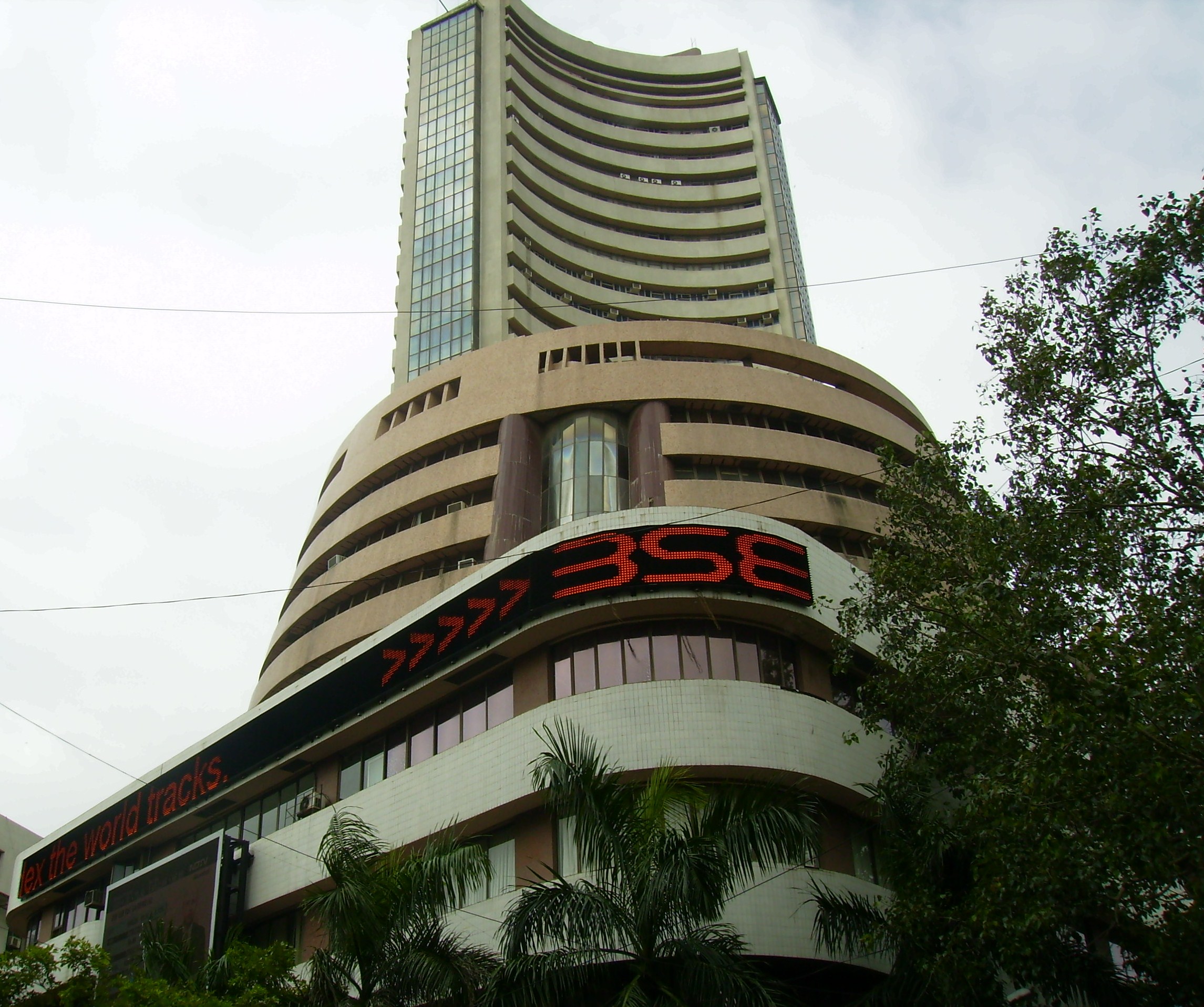
Stock exchange building (representative image), Wikimedia Commons, CC BY 2.0


Business
Indian refiners diversify crude sourcing amid tightening supply
India’s total crude oil imports averaged about 5.3 million barrels a day in September, up from August, with Russia remaining the top supplier even as Russian crude imports fell to a five-month low of about 1.75 million barrels a day.
Indian refiners have been diversifying their crude oil sourcing amid tightening Russian supplies.
Competition from China for Russian crude has also been a factor.
Russian imports fell to about 1.75 million barrels a day in September, a five-month low.
Russia still remained India’s top crude supplier for the month.
India’s total crude imports rose to about 5.3 million barrels a day in September.
India’s imports of Russian crude fell to about 1.75 million barrels a day in September, their lowest level since April.
That marks a second consecutive monthly decline from a record 2.8 million barrels a day reached in July.
In March 2026, India had nearly doubled its intake of Russian crude in a single month, to 2.25 million barrels a day.
The United Arab Emirates and Venezuela followed Russia among India’s top crude suppliers in September.
Indian refiners have been diversifying crude supply sources amid tightening Russian supplies and competition from China.
India is one of the world’s largest importers of crude oil, given its limited domestic production relative to demand.
Crude oil import volumes and sourcing patterns are closely watched indicators of India’s energy security strategy.
Global crude oil markets have seen shifting trade patterns in recent years amid geopolitical and sanctions-related pressures.
Refiners typically adjust their crude sourcing mix based on price, availability and logistics considerations.
India’s major state-run and private refiners include Indian Oil Corporation, Reliance Industries and Bharat Petroleum, among others.
Crude oil price movements globally can significantly affect India’s import bill given its heavy reliance on imports.
Sanctions and trade restrictions on some oil-producing nations have periodically reshaped global crude trade flows in recent years.
India’s total crude oil imports averaged about 5.3 million barrels a day in September 2026.
That is up roughly 600,000 barrels a day from August and about 700,000 barrels a day from a year earlier.
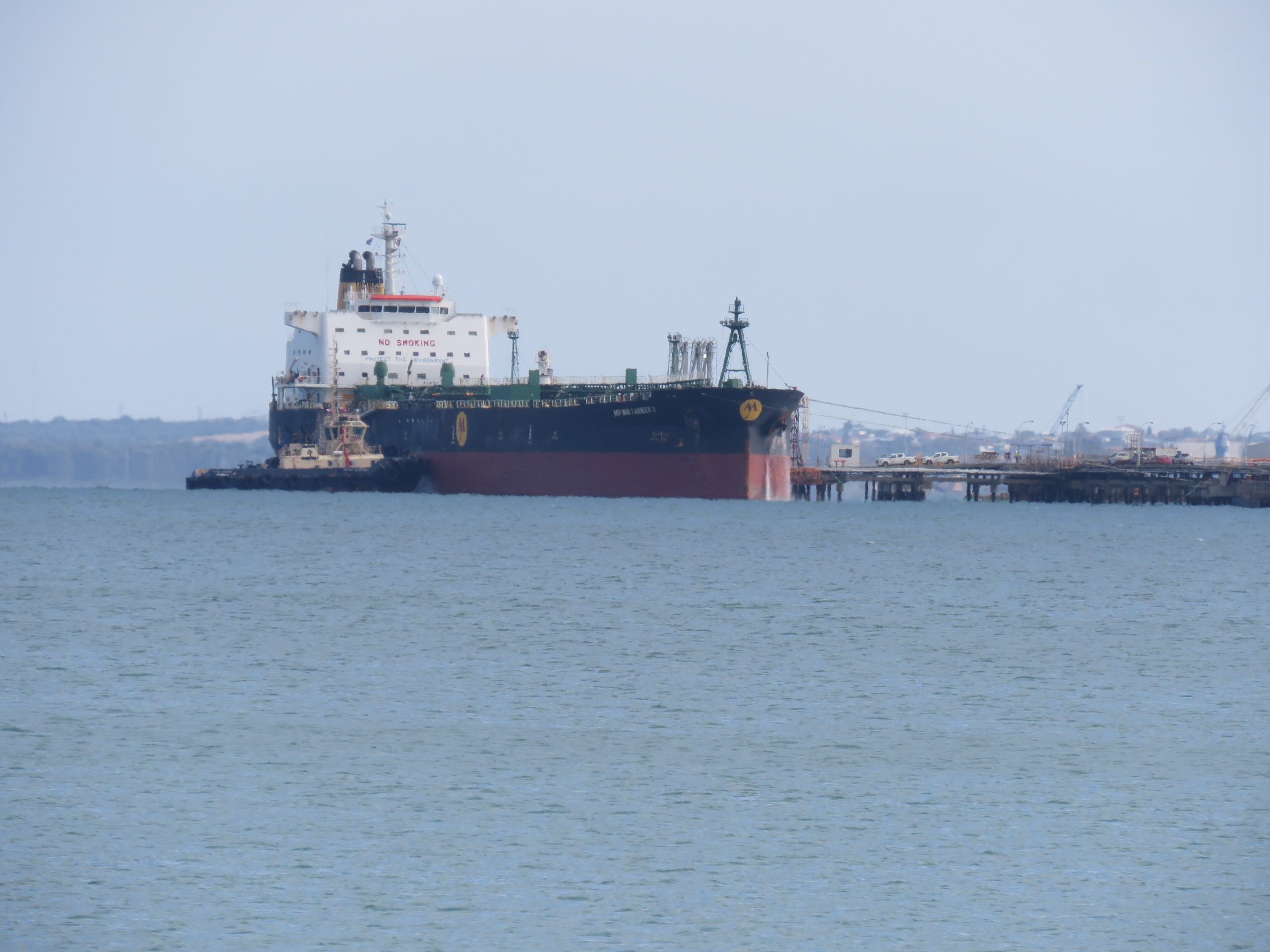
Oil tanker at a refinery jetty (representative image), Wikimedia Commons, CC BY-SA 4.0
Business
Tata Aeris deliveries begin October 11
Tata Motors launched the Aeris sedan on September 26, priced from Rs 5.29 lakh, replacing the Tigor with reworked styling, a 10.25-inch touchscreen and ventilated front seats; deliveries begin October 11.
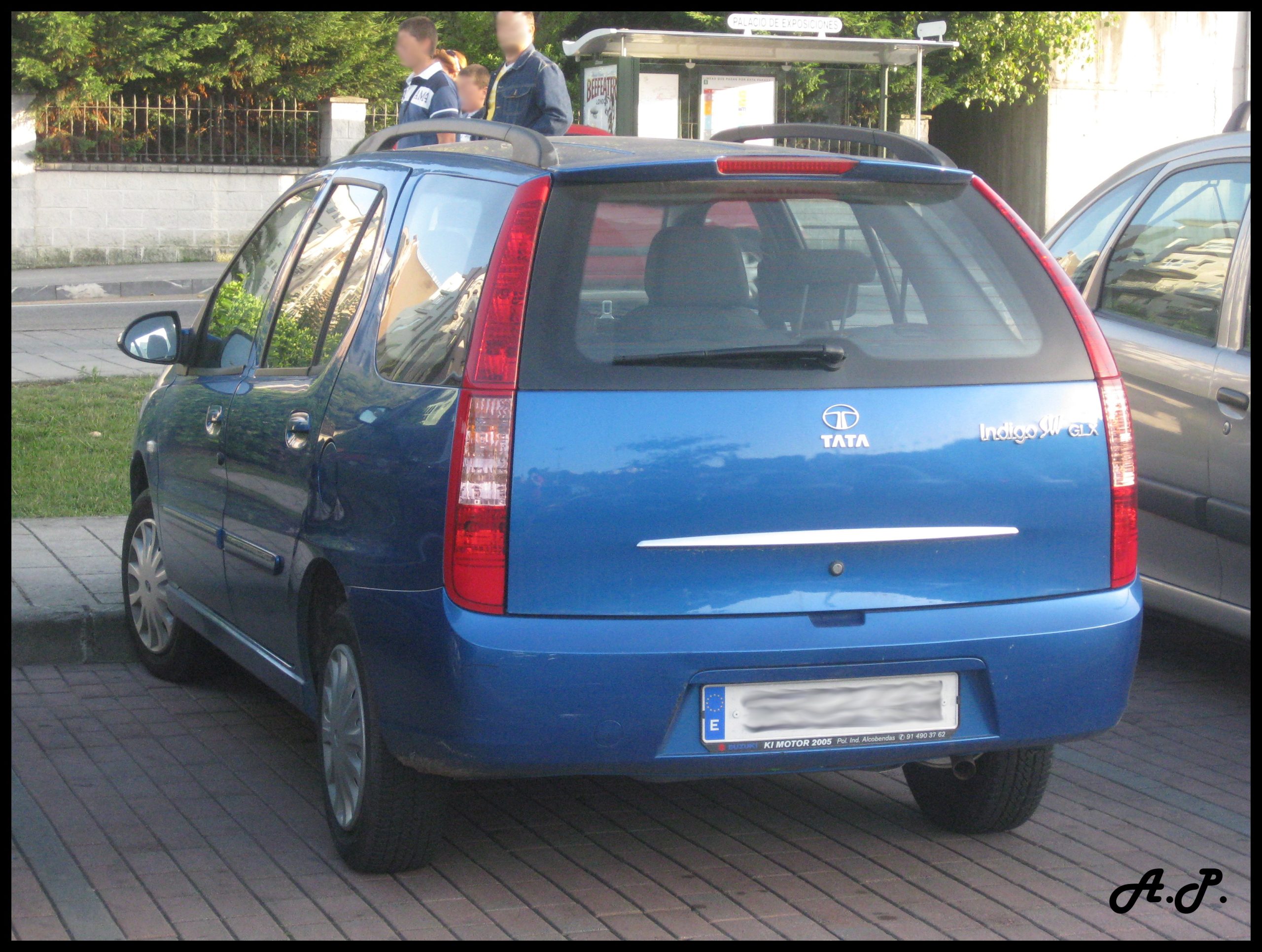
Tata Motors will begin deliveries of the new Aeris sedan on October 11, 2026.
The car was launched on September 26, priced from Rs 5.29 lakh.
It replaces the Tigor, with the base variant priced Rs 40,000 lower.
The Aeris offers 419 litres of boot space.
It features a 1.2-litre petrol engine with manual or AMT transmission options.
The car retains the Tigor’s notchback roofline but gets reworked styling, including a slim gloss-black grille and rectangular LED headlamps.
It also gets wheel arch cladding, a sharkfin antenna, and connected LED taillamps similar to the Tata Curvv.
The cabin borrows its theme from the refreshed Tiago, with a lighter beige and cream interior.
Key features include a 10.25-inch touchscreen with wireless Android Auto and Apple CarPlay.
Other features include automatic climate control, ventilated front seats, a wireless phone charger and cruise control.
Higher variants add a 360-degree camera and a built-in dashcam.
Standard safety features include six airbags, three-point seatbelts for all occupants, and rear parking sensors.
The Aeris is powered by a 1.2-litre naturally aspirated petrol engine producing 86 PS, paired with a 5-speed manual or AMT.
A CNG variant producing 76 PS is also available.
The car offers 419 litres of boot space.
Tata Motors positions the Aeris in India’s compact sedan segment, which competes on price, space and features.
The Tigor had been on sale in India for several years before being replaced by the Aeris.
Tata Motors sells vehicles across hatchback, sedan, SUV and electric vehicle segments in India.
The Curvv, whose taillamp design has influenced the Aeris, is a newer coupe-SUV model in Tata’s line-up.
Compact sedans in India are typically judged on a combination of fuel efficiency, boot space and in-cabin technology.
Tata Motors launched the Aeris sedan on September 26, 2026.
Prices start at Rs 5.29 lakh, ex-showroom Delhi, for the base ‘Smart’ petrol variant.
Tata sedan (representative image), Wikimedia Commons, CC BY 2.0
Business
India’s four mega ports: Full list and criteria explained
India notified its first four ‘mega ports’ under the Indian Ports Act 2025: Mundra, Deendayal (Kandla), Jawaharlal Nehru Port and Paradip, based on cargo-handling thresholds, with the classification effective from September 25.
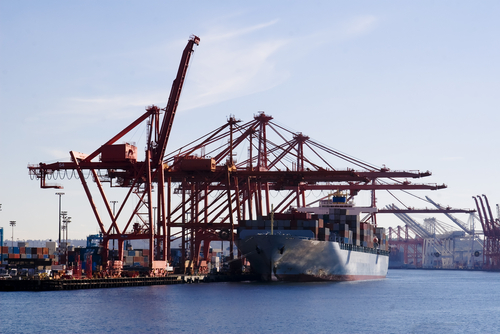
India’s four newly notified mega ports are Mundra, Deendayal (Kandla), Jawaharlal Nehru Port and Paradip.
The classification requires ports to handle at least 150 million tonnes of bulk cargo or 7.5 million TEUs of container traffic annually.
It was introduced under Section 73 of the Indian Ports Act, 2025.
The notification took effect from September 25, 2026.
It is the first such classification introduced in India.
The five-year classification is based on annual cargo-handling thresholds of 150 million tonnes for bulk ports or 7.5 million TEUs for container ports.
Mundra Port, operated by Adani Ports and Special Economic Zone, is the only privately owned facility among the four.
The other three mega ports are government-run facilities.
Paradip Port is the only mega port on India’s east coast among the four notified.
This is the first time India has introduced a mega port classification, following the enactment of the Indian Ports Act, 2025.
Jawaharlal Nehru Port, located at Nhava Sheva near Mumbai, is one of India’s busiest container ports.
Deendayal Port, formerly known as Kandla Port, is located in Gujarat.
The mega port classification is expected to be reviewed periodically based on cargo-handling performance.
India’s port sector has seen significant private and public investment in recent years as trade volumes have grown.
The Indian Ports Act, 2025, replaced an older colonial-era law governing port administration in the country.
Cargo-handling capacity at major Indian ports has expanded steadily over the past decade.
Container throughput and bulk cargo volumes are commonly used indicators of a port’s scale and economic significance.
India’s coastline spans both the western Arabian Sea coast and the eastern Bay of Bengal coast, served by different major ports.
The Ministry of Ports, Shipping and Waterways is the central government body responsible for port sector policy and regulation.
India’s Ministry of Ports, Shipping and Waterways notified four ports as the country’s first ‘mega ports’.
Mundra Port, Gujarat (representative image), Wikimedia Commons, CC BY-SA 3.0


Sarvam AI co-founder joins Odisha’s new economic advisory panel

Why Delhi stays dry while the south braces for rain

India one win from LA 2028 Olympics hockey berth

Redfox Overseas: Customize Your Own Energy Drink and Stand Out in the Market

Zamzam Company CEO Chhote Bhai-Bade Bhai gave a grand welcome to Indian writer Devhari Sirvi in Dubai

Shikha Sharma: The Fashion Journalist, Blogger, and Plus-Size Model Taking the Industry by Storm
-
 Brandpost2 years ago
Redfox Overseas: Customize Your Own Energy Drink and Stand Out in the Market
-
 Brandpost2 years ago
Zamzam Company CEO Chhote Bhai-Bade Bhai gave a grand welcome to Indian writer Devhari Sirvi in Dubai
-
 Fashion2 years ago
Shikha Sharma: The Fashion Journalist, Blogger, and Plus-Size Model Taking the Industry by Storm
-
Entertainment1 year ago
Lucky Roxx’s “Yadav Ki Pukar” Goes Viral! Youth Celebrate Unity & Power
-

 Entertainment9 years ago
New Season 8 Walking Dead trailer flashes forward in time
-
Entertainment9 years ago
Meet Superman’s grandfather in new trailer for Krypton
-
Uncategorized2 years ago
Hello world!
-

 Brandpost2 years ago
From Local Hero to National Icon: Satyam Yadav’s Journey with TwentyOne