
Business
Sensex, Nifty open higher today on global cues, easing oil prices
Indian equity benchmarks Sensex and Nifty opened higher today, tracking positive global cues and easing oil prices, though IPO-related liquidity diversion limited gains.

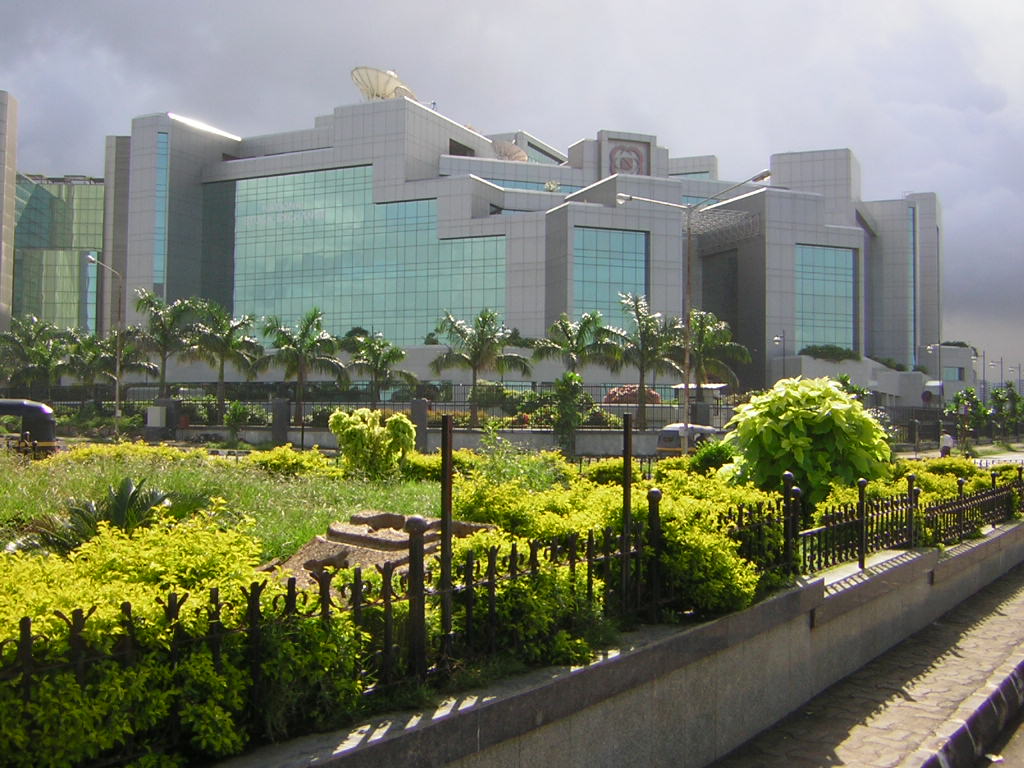
Indian equity benchmarks opened higher today, with Sensex and Nifty tracking positive cues from global markets and easing oil prices.
As of around 10:06 am, the BSE Sensex was up roughly 0.2 percent, with the NSE Nifty advancing by a comparable margin.
Liquidity diversion tied to ongoing IPO listings has limited the extent of today’s gains in the broader market.
The Sensex had closed 21.86 points lower at 74,314.59 on Thursday, while the Nifty ended the session 53 points higher at 23,270.60.
Realty and pharma stocks led Thursday’s rally, with the broader market outperforming the benchmark indices.
Realty, pharma and broader market indices had outperformed the headline benchmarks in Thursday’s session, with the Nifty Midcap 100 and Smallcap 100 both posting stronger gains.
Market breadth on Thursday was healthier than the headline numbers suggested, with more stocks advancing than declining across the exchange.
Foreign institutional investor flows and crude oil price movements remain key factors that market participants are tracking closely this week.
Sector-specific trends, including movements in IT, banking and auto stocks, continue to influence the overall direction of the benchmark indices.
Indian equity markets have shown a mixed but broadly resilient trend through much of September, navigating global rate expectations and domestic IPO activity.
Retail and institutional investors alike are watching upcoming corporate earnings and macroeconomic data releases for cues on market direction in the coming weeks.
Analysts note that while headline index moves have been modest recently, sector rotation has kept trading activity elevated across the broader market.
As of around 10:06 am today, the BSE Sensex was up roughly 0.2 percent, with the NSE Nifty advancing by a similar margin.
Positive global cues, including advancing shares across major markets and easing crude oil prices, supported the higher opening in Indian equities.
Liquidity diversion caused by a rush of IPO listings has been limiting gains in the broader market even as benchmark indices edge higher.
National Stock Exchange of India (representative image), Wikimedia Commons, CC BY-SA 2.0





Business
Markets bounce back: Where the Sensex and Nifty stand after three sessions
The Sensex rebounded 879 points to close at 72,472.33 and the Nifty gained 289 points to 22,520.45 on October 9, snapping a two-day losing streak as IT stocks rallied and crude prices eased.
On October 7, the Sensex fell 429 points.
On October 8, it fell 1,045 points to 71,593.24.
On October 9, it rose 879 points to 72,472.33.
The Nifty closed at 22,520.45.
The RBI’s rate hike, oil prices and foreign selling remain in focus.
The Nifty IT index was the biggest gainer, up 3.02%, followed by the Nifty FMCG index, up 2.20%, according to Upstox.
One analyst credited Tata Consultancy Services’ better-than-expected September quarter results for lifting the IT sector.
Apollo Hospitals, ITC and Eicher Motors were the top Nifty gainers, according to Business Standard.
Among Sensex stocks, ITC, TCS, Adani Ports, Infosys and HCL Tech were the major gainers, and ITC rose 4.78%.
Reliance Industries was the only major Sensex laggard, with its shares falling 0.55%.
Global crude prices were trading below $103 a barrel on Friday, after reaching $105.02 a barrel on the previous evening.
Lower oil eased concerns over inflation and corporate profits.
Reduced fears of an immediate escalation between the US and Iran also helped restore risk appetite, according to one report.
Another report attributed the rebound to value buying and short covering after the sharp correction.
At 1 pm the Sensex was up 828 points, and at 3 pm it was up about 1,043 points before easing at the close.
In the closing auction session, the Nifty was at 22,535.65, which is why the headline figure differs from the settled 22,520.45.
The RBI had raised the repo rate by 25 basis points to 5.50% on October 7, its first hike since February 2023.
On October 8, the Sensex had fallen 1,045 points to 71,593.24 and the Nifty 371 points to 22,231.80.
The Sensex is the 30-share index of the BSE, and the Nifty 50 is the benchmark index of the NSE.
This report is not investment advice, and market direction can change quickly.
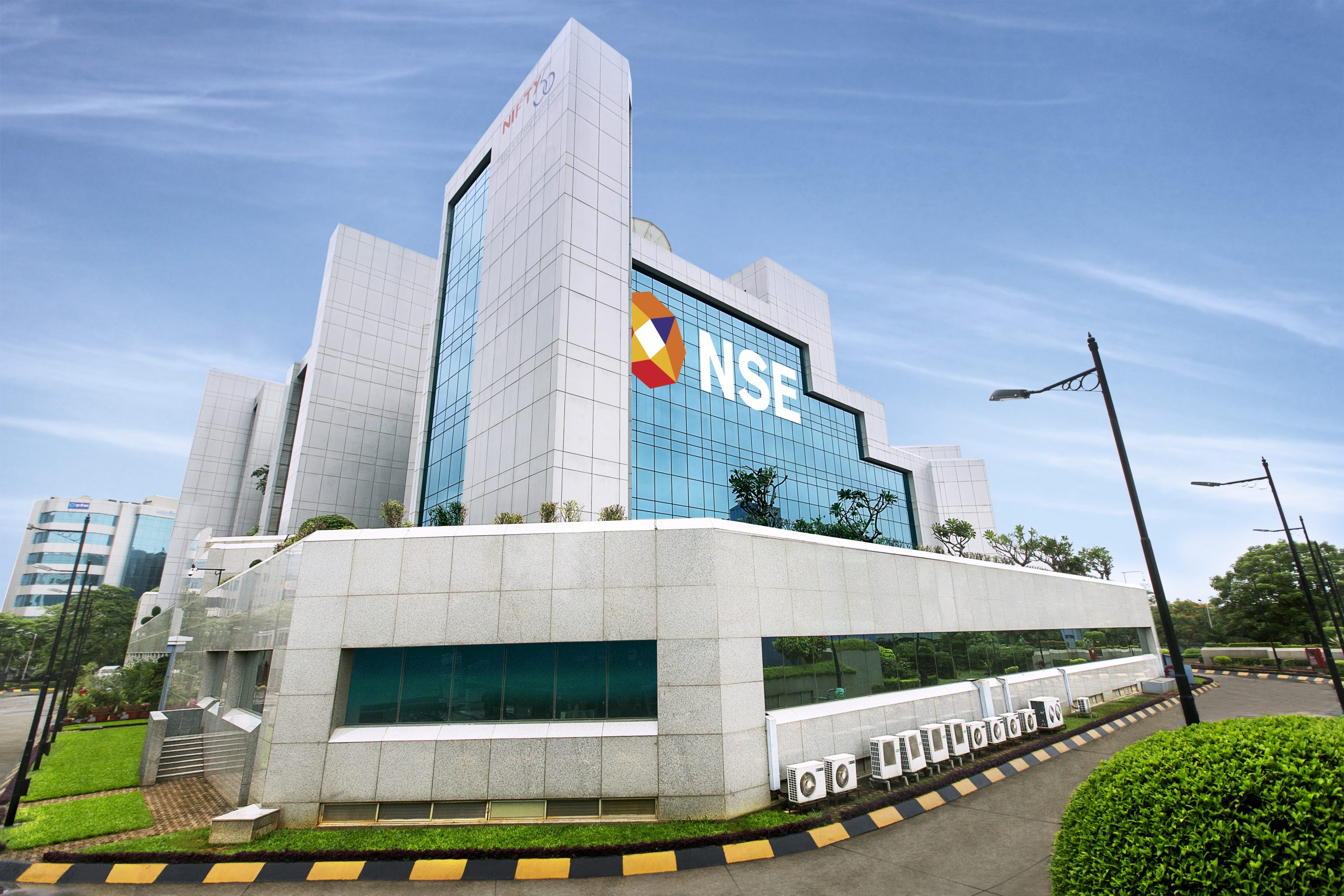
National Stock Exchange of India, Mumbai (file image), Wikimedia Commons, CC BY-SA 4.0
Business
US sanctions on Indian firms explained: Allegations, scope and next steps
The US State Department has sanctioned two Mumbai-based companies and five Indian nationals over alleged dealings in Iranian petroleum products, as part of a wider action against 10 entities, six individuals and five vessels.
The US alleges that two Mumbai firms facilitated imports of Iranian petroleum products.
These are allegations, and the reports carried no response from the firms.
Five Indian nationals linked to the firms are also sanctioned.
Samudra Marine Services has until October 23 to wind down.
The Indian government has not commented in the reports.
The five Indian nationals are linked to the two companies and are blocked from transactions related to their respective firms.
This report does not name the individuals, because the reports describe allegations only.
The State Department’s overall action covered 10 entities, six individuals and five vessels tied to Iranian-origin petroleum, petroleum products and petrochemical products.
The department says that the entities channelled millions of dollars to Iran.
The US Treasury Department separately sanctioned 17 entities and their shadow fleet vessels.
Samudra Marine Services has been authorised to carry out wind-down transactions until October 23, 2026.
The action is part of Operation Economic Outcast, a US campaign to cut off Iran’s oil revenue.
A shadow fleet generally means vessels used to move sanctioned oil outside normal shipping oversight.
The Tribune’s report, based on PTI, did not carry a statement from the Indian government or the Ministry of External Affairs.
Coverage noted that the sanctions could affect India’s energy interests, despite recent limited resumptions of Iranian oil purchases, according to The Daily Jagran.
US sanctions can block the sanctioned persons’ assets under US jurisdiction and bar US persons from dealing with them.
Companies outside the US can face secondary consequences if they deal with sanctioned entities.
Brent crude was trading above $100 a barrel this week amid supply concerns in the Middle East.
On the same day, Indian shares fell sharply as Brent rose above $104 a barrel.
The figures for the total number of entities and vessels vary by agency, so readers should check the official State and Treasury releases.
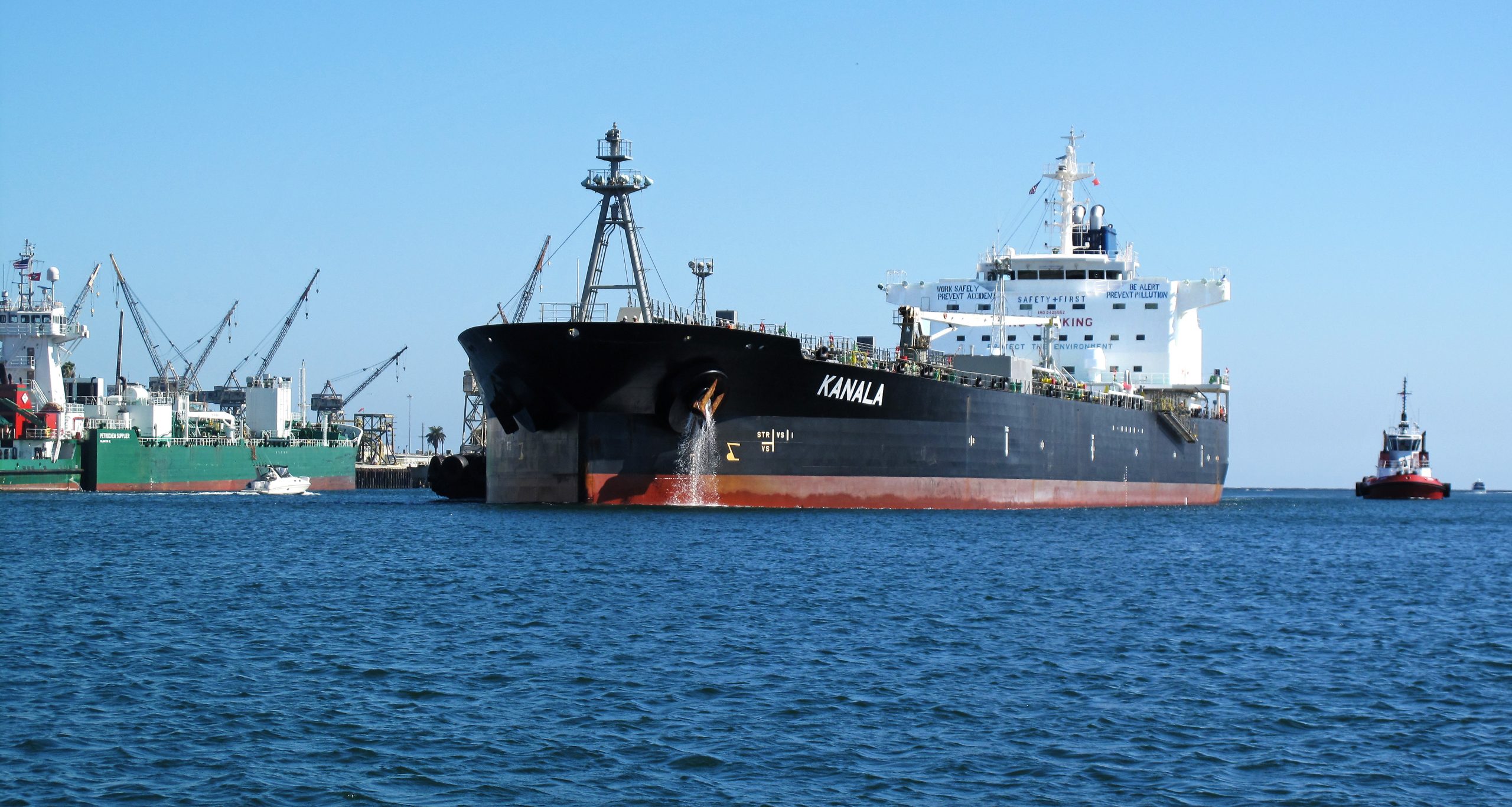
Oil products tanker (representative image), Wikimedia Commons, CC BY-SA 4.0
Business
Two-day fall explained: Sensex has lost about 1,475 points since October 6
The Sensex fell 1,045 points to 71,593.24 and the Nifty lost 371 points to 22,231.80 on October 8 as Brent crude rose above $104, foreign investors kept selling and the RBI’s rate hike weighed on sentiment.
The Sensex closed at 73,067.81 on October 6.
It closed at 71,593.24 on October 8.
That is a fall of about 1,475 points in two sessions.
Oil, foreign selling and the RBI’s rate hike were the main factors.
This report is not investment advice.
The Nifty Metal index fell 3.55%, the Nifty Realty index fell 3.16% and the Nifty Oil and Gas index fell 2.52%.
Infosys, Tech Mahindra and Axis Bank were among the Nifty gainers.
Adani Enterprises, JSW Steel and ITC were among the biggest Nifty losers.
Brent crude was above $102 in early trade and stood at $104.47 a barrel in the afternoon, according to Kotak Neo.
WTI November futures were at $91.95 a barrel.
Business Standard’s close report carried the headline that oil tops $104 and that the volatility index jumped 10%.
Elevated crude prices were tied to Middle East supply concerns, attacks on ships in the Gulf and the Strait of Hormuz.
Rising US bond yields and persistent foreign institutional investor selling also weighed on the market.
The RBI had raised the repo rate by 25 basis points to 5.50% on October 7, its first hike since February 2023.
Kotak Neo said that the weak trend is likely to persist while oil stays elevated and foreign investors keep selling.
On October 6, the Sensex had closed at 73,067.81 and the Nifty at 22,776.10.
From that close, the Sensex has lost about 1,475 points in two sessions and the Nifty about 544 points.
On MCX, December gold futures were at Rs 1,49,300 per 10 grams, up 0.13%, and silver was at Rs 2,21,440 a kg, down 0.95%.
India imports most of the crude oil it uses, so a rise in global prices weighs on inflation and the rupee.
The India VIX measures expected volatility, and a jump in it means traders expect bigger swings.
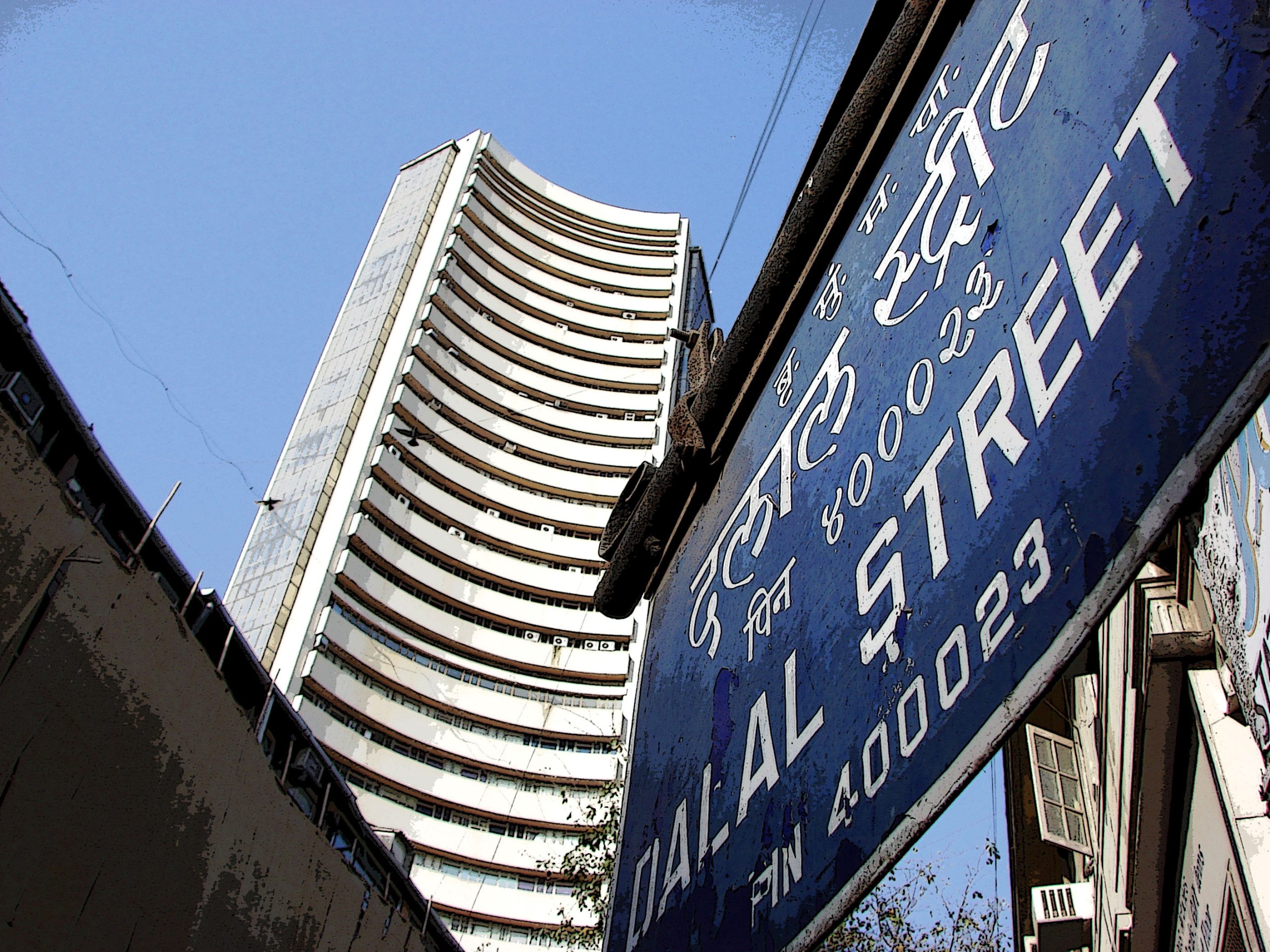
Dalal Street, Mumbai (file image), Wikimedia Commons, CC BY-SA 3.0


Markets bounce back: Where the Sensex and Nifty stand after three sessions

Records in Ranchi: West Indies’ highest T20I chase

Book Review: ‘The River Remembers’ by Omi Yadav

Redfox Overseas: Customize Your Own Energy Drink and Stand Out in the Market

Zamzam Company CEO Chhote Bhai-Bade Bhai gave a grand welcome to Indian writer Devhari Sirvi in Dubai

Shikha Sharma: The Fashion Journalist, Blogger, and Plus-Size Model Taking the Industry by Storm
-
 Brandpost2 years ago
Redfox Overseas: Customize Your Own Energy Drink and Stand Out in the Market
-
 Brandpost2 years ago
Zamzam Company CEO Chhote Bhai-Bade Bhai gave a grand welcome to Indian writer Devhari Sirvi in Dubai
-
 Fashion2 years ago
Shikha Sharma: The Fashion Journalist, Blogger, and Plus-Size Model Taking the Industry by Storm
-
Entertainment2 years ago
Lucky Roxx’s “Yadav Ki Pukar” Goes Viral! Youth Celebrate Unity & Power
-

 Entertainment9 years ago
New Season 8 Walking Dead trailer flashes forward in time
-
Entertainment9 years ago
Meet Superman’s grandfather in new trailer for Krypton
-
Uncategorized2 years ago
Hello world!
-

 Brandpost2 years ago
From Local Hero to National Icon: Satyam Yadav’s Journey with TwentyOne