Connect with us

Airlines

Thunderstorm alert for Delhi-NCR as monsoon peaks, flights could be delayed

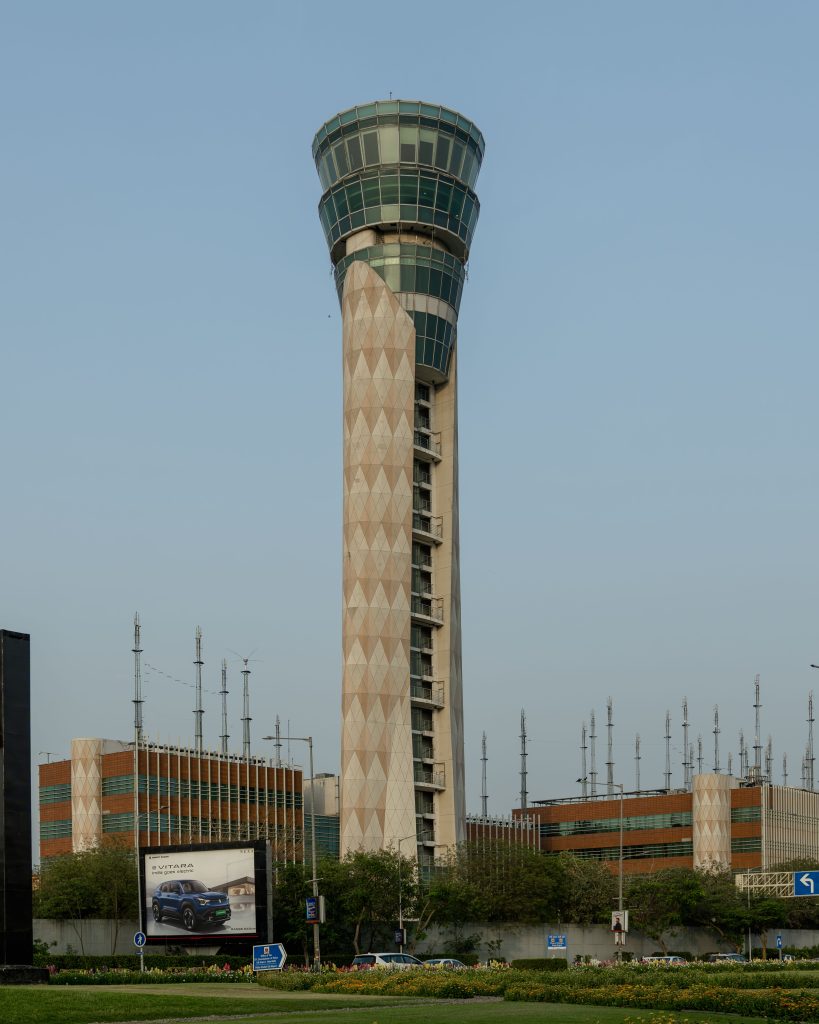
The IMD has warned of heavy rain, thunderstorms and strong winds in Delhi-NCR as the monsoon peaks, conditions that have previously triggered flight advisories at IGI Airport.
Published

on

The India Meteorological Department has warned of heavy rain, strong winds and thunderstorms across Delhi-NCR, including Delhi, Noida, Ghaziabad, Gurugram and Faridabad, as the monsoon reaches its seasonal peak.

Low-lying areas of the capital region are likely to face waterlogging as the active weather system moves through, according to the alert.

Thunderstorms combined with gusty winds of this nature have repeatedly caused flight delays and airline advisories at Indira Gandhi International Airport earlier this monsoon season.

The IMD also warned of landslide and flood risk in Kerala’s Wayanad hills due to continuous heavy rain, with coastal cities Kochi, Bengaluru and Mangalore expected to see winds of roughly 50 km/h.

Additional heavy rainfall alerts were issued for parts of Uttar Pradesh, Bihar, Madhya Pradesh, West Bengal and Odisha.

Travellers flying through Delhi are advised to check flight status directly with their airline and build in extra time to reach the airport while the alert is in force.

The southwest monsoon typically remains active over North India through August and into early September, meaning further rounds of thunderstorm and heavy-rain alerts affecting Delhi-NCR flight operations remain likely in the coming weeks.

IGI Airport, one of India’s busiest, has repeatedly seen carriers such as IndiGo, Air India and SpiceJet issue passenger advisories during comparable spells of monsoon thunderstorms and high winds earlier this season.

In Kerala, the IMD flagged landslide and flood risks for the Wayanad hills from continuous heavy rain, while Kochi, Bengaluru and Mangalore face coastal winds of around 50 km/h.

Uttar Pradesh cities including Lucknow, Kanpur and Gorakhpur, along with Bihar’s Patna, Gaya and Muzaffarpur, Madhya Pradesh’s Bhopal, Indore and Jabalpur, and West Bengal’s Kolkata and Siliguri were also placed under heavy rainfall alerts.

Airlines typically advise passengers to check flight status directly through official apps or websites and to allow extra travel time to the airport during active thunderstorm warnings, given the potential for air traffic control-driven delays.

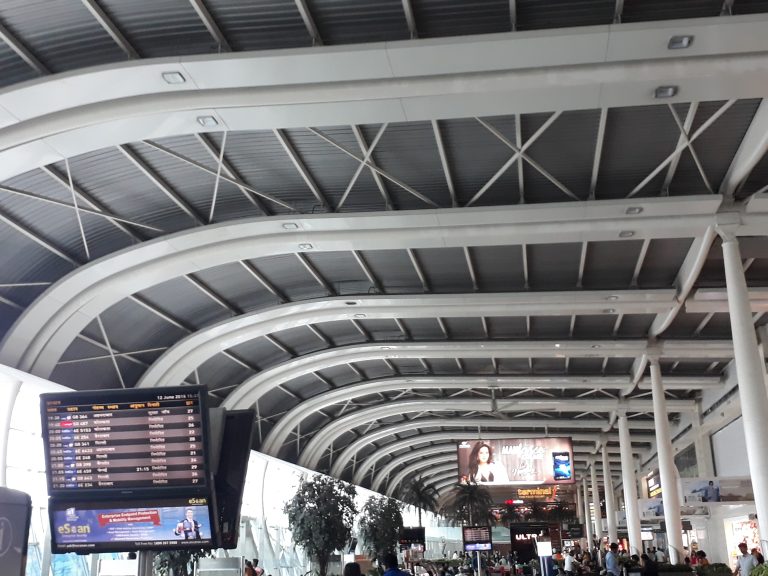
Photo by Quintin Soloviev, Wikimedia Commons, CC BY 4.0

Airlines

Air India’s Manila route gets bigger plane as rivals eye entry

Air India will deploy a larger 256-seat Boeing 787 on its Delhi-Manila route from October 25, as IndiGo and Philippine Airlines both move to launch competing India-Philippines services.

Published

on

Air India’s Delhi-Manila route is getting a bigger aircraft, with the airline set to deploy a 256-seat Boeing 787 Dreamliner from October 25, 2026, in place of the current 188-seat Airbus A321.

The daily service has grown steadily since it launched in October 2025 with just five weekly flights, a ramp-up that reflects sustained travel demand between the two countries.

Load factors on the Manila-Delhi sector have twice touched the low 80s, according to aviation analyst Ameya Joshi, a figure that helps explain Air India’s decision to add capacity now.

The move comes as competition builds on the route, with IndiGo applying for Philippine regulatory approval to begin its own flights to Manila and Cebu.

Philippine Airlines is separately preparing to launch Delhi and Mumbai services during the winter schedule, drawing on a bilateral agreement that permits up to 28 weekly flights between the two countries’ key cities.

Indian arrivals in the Philippines rose 43% year-on-year in the first half of 2026, with visa-free travel access for Indian passport holders cited as a major factor behind the growth.

Indian arrivals in the Philippines rose 43% year-on-year in the first half of 2026, with more than 60,000 Indian travellers visiting the country in that period alone.

Visa-free access for Indian passport holders travelling to the Philippines has been cited by industry watchers as a key driver behind the surge in leisure and business travel between the two countries.

India and the Philippines elevated their bilateral relationship to a strategic partnership in 2025, a diplomatic shift that has coincided with expanded airline interest in connecting the two markets.

IndiGo, which already dominates India’s domestic skies with roughly two-thirds market share, has been steadily building out its international network beyond South Asia and the Gulf in recent quarters.

The Boeing 787-9 Dreamliner that Air India will deploy on the upgraded Manila service is a twin-aisle, twin-class aircraft commonly used on the airline’s long-haul international routes.

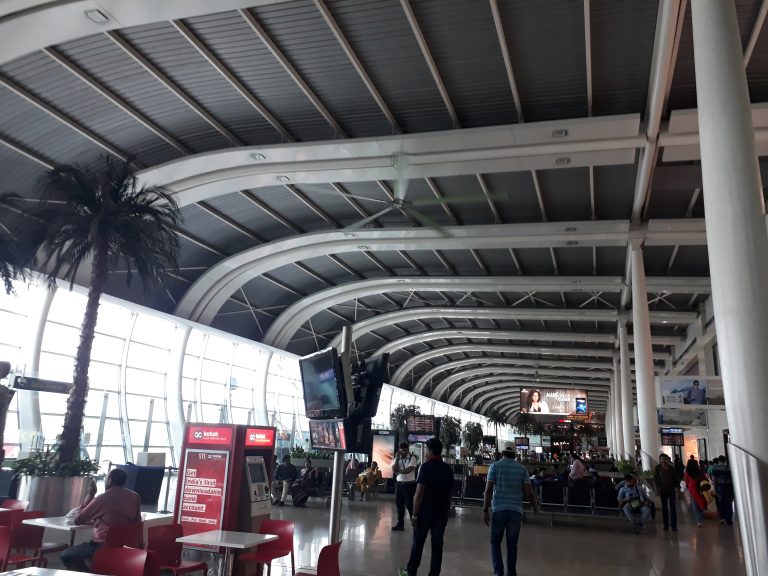
Photo by Steve Knight, Wikimedia Commons, CC BY 2.0

Continue Reading

Airlines

Annual drug tests for all pilots weighed by government

The government is considering annual mandatory drug tests for every pilot, up from the current 10% sampling, following an Air India hydraulic failure incident linked to a positive marijuana test.

Published

on

The government is weighing a proposal to make drug testing mandatory for every pilot once a year, up from the current 10% sampling of the overall pilot network.

Civil Aviation Minister Ram Mohan Naidu said, “Right now, the rule says 10 per cent across the overall pilot network,” while confirming that the DGCA is in discussions with stakeholders on expanding the testing regime.

The proposal follows the August 4 Air India flight AI2379 incident, when the Phuket-Delhi Airbus A320 lost around 300 feet of altitude after a hydraulic failure, injuring 17 people onboard before landing safely in Delhi.

The incident triggered concerns after a subsequent confirmatory drug test of the pilot-in-command reportedly returned positive for marijuana.

Air India subsequently expanded drug screening across its pilot workforce, with two more pilots later found to have failed preliminary drug tests and being removed from flight duties as a precaution.

Around 400 pilots have so far been screened as part of the airline’s expanded internal testing exercise following the incident.

Naidu said the discussions on strengthening testing rules are separate from the ongoing investigation into the Air India incident itself, which continues under separate review.

India’s aviation sector has been expanding rapidly in recent years, adding pressure on regulators to scale up safety and compliance infrastructure, including staffing and laboratory capacity for expanded testing regimes.

The incident triggered concerns after a subsequent confirmatory drug test of the pilot-in-command reportedly returned positive for marijuana.

Air India subsequently expanded drug screening across its pilot workforce, with two more pilots later found to have failed preliminary drug tests and being removed from flight duties as a precaution.

Around 400 pilots have so far been screened as part of the airline’s expanded internal testing exercise following the incident.

The Federation of Indian Pilots has urged consideration of oral-fluid testing as a complementary methodology within the existing regulatory framework, to help expand testing capacity as India’s aviation sector grows.

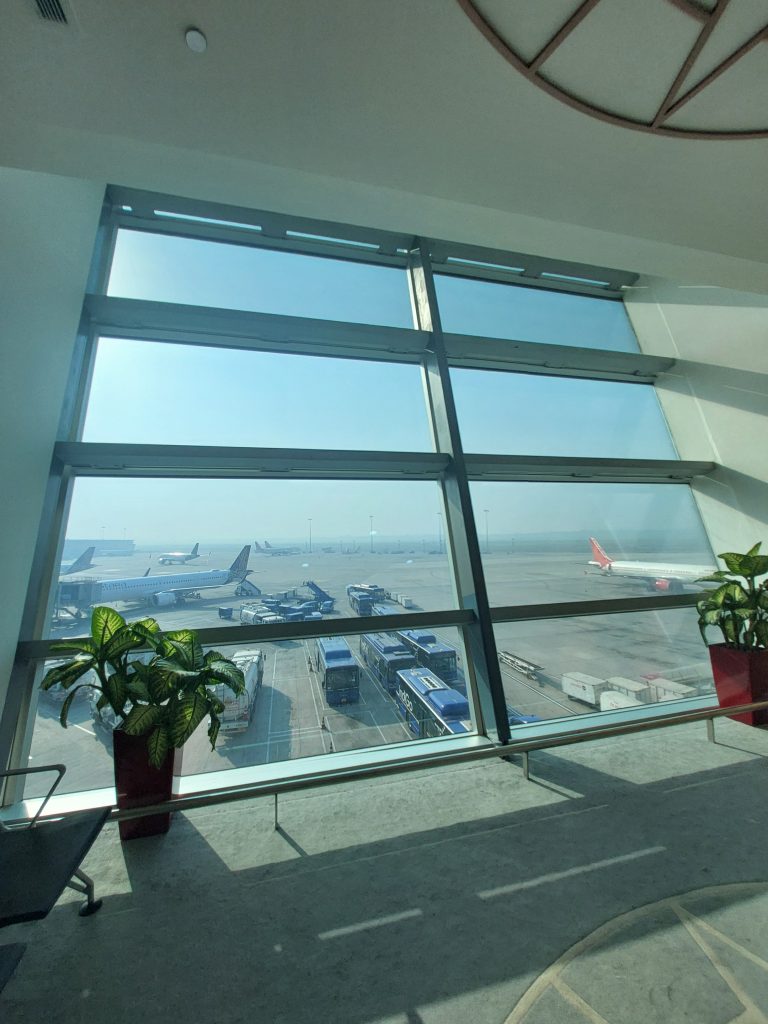
Photo by Chad Davis, Wikimedia Commons, CC BY 2.0

Continue Reading

Airlines

India targets 350 airports by 2047, boosts UDAN with Rs 28,840 crore

Civil Aviation Minister Ram Mohan Naidu has outlined plans to expand India’s airports from 166 to 350 by 2047, backed by a Rs 28,840 crore extension of the UDAN scheme.

Published

on

India is targeting an expansion of its airport network from 166 to 350 by 2047, Civil Aviation Minister Ram Mohan Naidu has said, as part of the government’s Viksit Bharat vision.

The government will spend Rs 28,840 crore over the next decade to build 100 new airports, with the UDAN regional connectivity scheme extended for another 10 years to support the plan.

Naidu also said a ‘Make in India’ aircraft could become a reality within two years, pointing to the C295 turboprop aircraft already being manufactured in Vadodara, Gujarat, with a civil version in development.

The minister flagged a growing pilot shortage as a key challenge, with India’s 63 existing Flying Training Organisations producing around 1,625 pilots annually against a requirement of roughly 2,500.

With more than 1,700 aircraft on order across Indian airlines, the government estimates the country will need close to 30,000 additional pilots over the next decade.

To address the gap, the government has approved 11 new Flying Training Organisations, with six more under review, alongside a new grading system aimed at improving training standards.

With more than 1,700 aircraft on order across Indian carriers, the government estimates the country will need close to 30,000 additional pilots over the next decade.

The government has approved 11 new Flying Training Organisations, with six more currently under review, alongside a new grading system intended to raise training standards across the sector.

India currently has 166 operational airports, up from 74 in 2014, and the government wants to more than double that number by 2047.

UDAN, the regional connectivity scheme aimed at making air travel affordable for smaller cities, has been extended for a further 10 years as part of this push.

On the manufacturing side, the minister said a ‘Make in India’ aircraft could become a reality within two years, pointing to the C295 turboprop already being manufactured in Vadodara, Gujarat.

Photo by Ashish Bhatnagar, Wikimedia Commons, CC BY-SA 3.0

Continue Reading

Trending