Connect with us

Viral

US label JW PEI changes dress name after saree backlash online

California-based fashion label JW PEI has renamed a saree-style garment after facing backlash for marketing it as a ‘draped maxi dress’ without crediting its Indian roots.

Published

on

California-based fashion label JW PEI has renamed a garment after facing online backlash for marketing what critics called a saree as a Western-style ‘draped maxi dress.’

The item was originally listed as the ‘Botanical Embellished Draped Overlay Maxi Dress,’ priced at around $229, roughly Rs 21,900 to Rs 26,000.

The controversy was raised by Indian beauty entrepreneur Arshia Moorjani, who questioned why a garment so clearly resembling a traditional saree was being marketed without acknowledging its origin.

Following the backlash, JW PEI changed the product listing to ‘Botanical Embellished Saree-Inspired Gown,’ with the updated description now stating the design is ‘inspired by the traditional South Asian saree.’

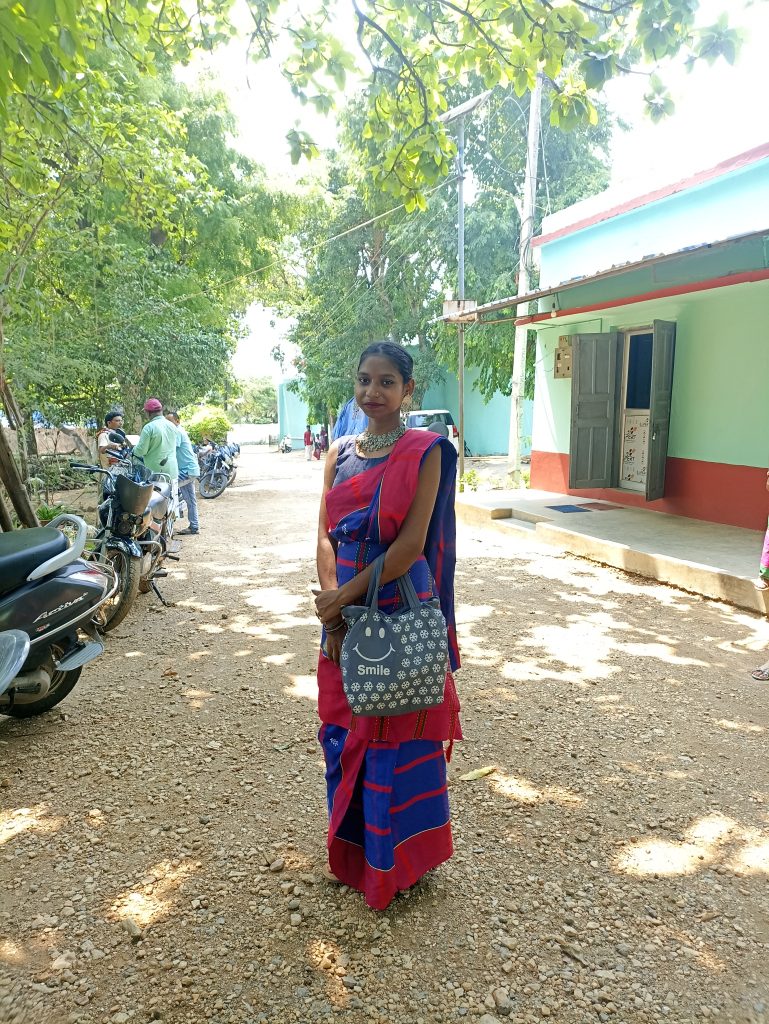
The garment in question was a navy blue pre-draped saree-style piece with a floral embroidered blouse, featuring the tight waist pleats and structured pallu characteristic of the Nivi drape, India’s most widely recognised saree style.

Social media users pointed out the pattern of Indian garments being rebranded for Western markets, drawing comparisons to earlier controversies involving dupattas marketed as ‘Scandinavian scarves’ and Prada’s Kolhapuri-inspired sandals.

This is not the first time a global fashion label has faced criticism over how it describes traditional South Asian garments, with similar rebranding disputes recurring periodically as Indian-inspired silhouettes gain traction in Western fast fashion.

The brand’s revised product listing now explicitly credits the design’s roots, a change commentators noted came only after the criticism gained visibility online rather than being part of the original marketing.

The garment in question was a navy blue pre-draped saree-style piece with a floral embroidered blouse, featuring the tight waist pleats and structured pallu characteristic of the Nivi drape, India’s most widely recognised saree style.

Social media users pointed out the pattern of Indian garments being rebranded for Western markets, drawing comparisons to earlier controversies involving dupattas marketed as ‘Scandinavian scarves’ and Prada’s Kolhapuri-inspired sandals.

Photo by Wikimedia contributor, Wikimedia Commons, CC BY-SA 4.0

Continue Reading
Click to comment

Leave a Reply

Your email address will not be published. Required fields are marked *

Viral

80s AI photo trend goes viral, from Bollywood to politics

A viral AI photo trend turning modern selfies into 1980s-style portraits has spread across Indian social media, with Piyush Goyal, Kiara Advani and Virat Kohli among those who joined in.

Published

on

An AI-driven 80s photo trend has gone viral across Bollywood, cricket and political circles on Indian social media.

The trend involves uploading a current photo to an AI tool that keeps facial features intact while changing clothing, hairstyle, lighting, background and colour grading to an 80s look.

Union Minister Piyush Goyal, Kiren Rijiju and Assam Chief Minister Himanta Biswa Sarma have shared AI-generated retro portraits, while Shashi Tharoor chose to post an actual 1980s photo instead.

Kiara Advani, Sidharth Malhotra, Virat Kohli and KL Rahul are among the other names who have joined in on social media.

The trend has spread largely via Instagram’s ‘Add Yours’ sticker and follows earlier viral AI image crazes this year, including Studio Ghibli-style portraits and action-figure avatars.

The resulting images typically mimic vintage analogue camera aesthetics, ranging from retro Bollywood-style studio portraits to classic family photo album looks.

Users generate the images by uploading a recent photo and asking an AI tool to preserve their facial features while changing clothing, hairstyle, lighting, background and colour grading to match the 1980s.

The trend has spread across Instagram, TikTok and X, with users sharing their AI-generated retro portraits alongside captions reflecting on how much has changed since the decade.

Some commentators have raised questions about the privacy and data implications of uploading personal photos to AI image tools to generate these viral portraits.

Actors Kiara Advani and Sidharth Malhotra were among the Bollywood stars who joined the trend, sharing their AI-generated 1980s portraits on social media.

The trend was popularised on Instagram through the platform’s ‘Add Yours’ sticker, which lets users chain their own versions of a viral format onto a shared thread.

Congress MP Shashi Tharoor notably opted out of using AI altogether, instead sharing an actual photograph of himself from the 1980s.

Cricketers Virat Kohli and KL Rahul were also among the public figures who shared AI-generated 80s-style portraits, adding to the trend’s reach among sports fans.

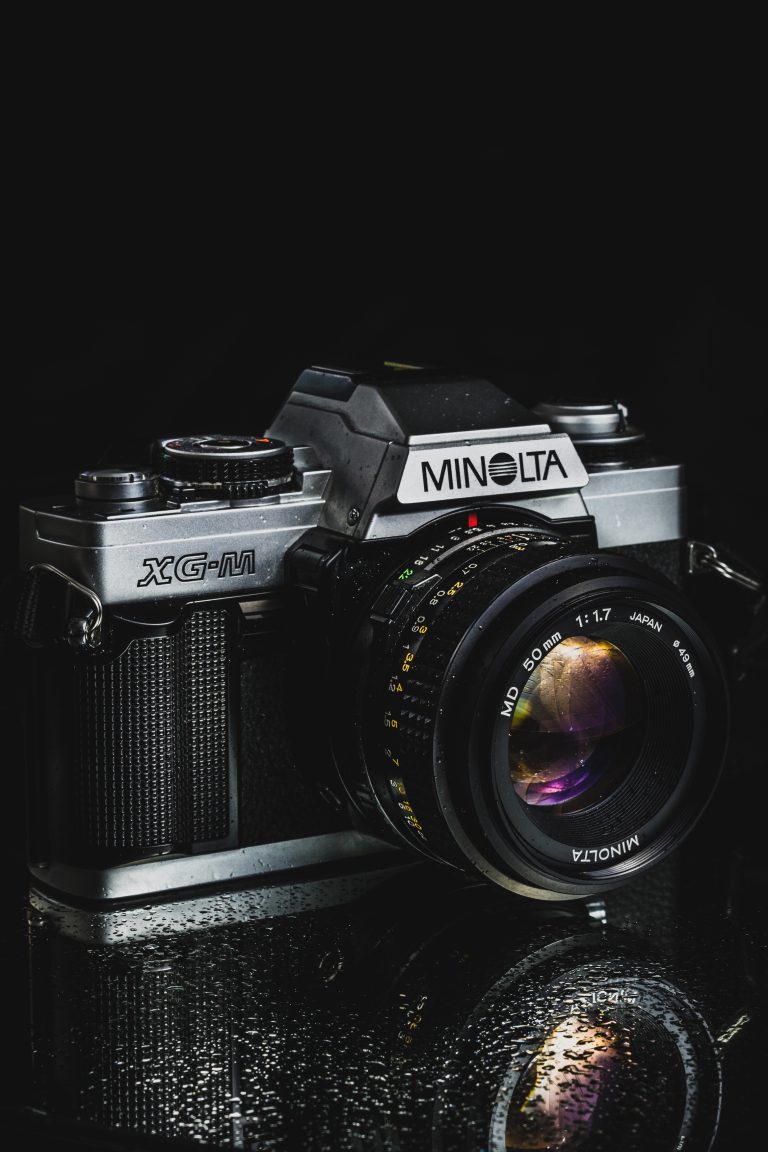
Vintage 1980s film camera (representative image), Wikimedia Commons, CC BY 2.0

Continue Reading

Viral

Video of US officer’s Punjabi conversation trends online

A video of a US Border Patrol officer greeting a Punjabi-speaking traveller in fluent Punjabi at a checkpoint has gone viral, winning praise online for the officer’s language skills.

Published

on

A video of a US Border Patrol officer’s fluent Punjabi conversation with a traveller has been trending online this week.

The officer is heard asking the driver, ‘Tusi Punjabi ho, pakke Canada wale?’, before conducting the entire routine check in Punjabi.

The clip drew widespread appreciation online for the officer’s language fluency and the friendly, warm tone of the interaction.

Punjabi is spoken by tens of millions of people worldwide, including large diaspora communities in Canada, the United States and the United Kingdom.

The video trended alongside other viral content this week, including cricket highlights from the Women’s Asia Cup and Duleep Trophy.

Punjabi is spoken by tens of millions of people worldwide, including large diaspora populations in Canada, the United States and the United Kingdom.

Social media users commented that such moments help humanise routine and often tense interactions like border checks and vehicle inspections.

The video’s popularity reflects the significant online engagement that culturally resonant, feel-good clips tend to generate among Indian and Punjabi diaspora audiences.

Several commentators pointed out that language skills among border and immigration officials can meaningfully ease communication with travellers who are more comfortable in their native tongue.

The clip was among several videos trending on Indian social media this week, alongside cricket highlights from the Women’s Asia Cup and Duleep Trophy.

The clip shows the officer asking the driver, in fluent Punjabi, ‘Tusi Punjabi ho, pakke Canada wale?’, before conducting the rest of the routine border check in the language.

The video has been widely shared across social media platforms, drawing praise for the officer’s fluency and for the warmth of the exchange.

Many viewers noted how unexpected it was to hear a US Border Patrol official communicate so naturally in Punjabi, a language spoken widely across Punjab and by large diaspora communities.

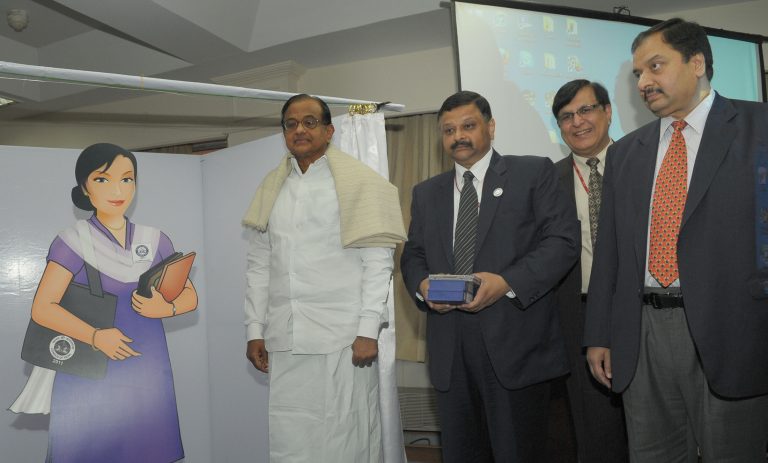
Representative image, Amritsar, Wikimedia Commons, CC BY 2.0

Continue Reading

Viral

Maharashtra family’s celebration of first daughter in 200 years goes viral

A family in Beed district, Maharashtra, celebrated the birth of their first daughter in 200 years with drums, fireworks and a decorated chariot procession, and the video has gone viral.

Published

on

A Maharashtra family’s celebration of its first daughter in 200 years has gone viral after video of the event spread online.

The baby girl, named Gargi, was brought home from the hospital in a decorated chariot as part of a festive procession.

Drumbeats, fireworks and sweets marked the occasion, with relatives and well-wishers from the community joining in.

The family, based in Parli in Beed district, said Gargi is the first daughter born into the family in four generations.

The child’s grandmother reportedly called her ‘Lakshmi Devi’, a reference to the Hindu goddess of wealth, reflecting the family’s happiness.

The family belongs to Parli in Beed district, Maharashtra, where the celebration drew attention from neighbours and local residents who joined in the festivities.

The story has since gone viral online, with the video of the procession and celebration circulating widely across social media platforms.

Observers have noted that the family’s decision to celebrate a daughter’s birth with the same grandeur traditionally reserved for a son’s birth carries a symbolic message about gender attitudes.

India has historically grappled with a skewed sex ratio in parts of the country, making stories that celebrate the birth of daughters a recurring point of positive social media attention.

The celebration has been widely shared as an example of changing attitudes toward daughters in some rural Indian communities, even as broader societal shifts remain gradual.

The baby girl was named Gargi, and family members said she is the first daughter born into the family in four generations.

The newborn was brought home from the hospital in a beautifully decorated chariot as part of the celebratory procession through the local area.

The celebration included drumbeats, fireworks, decorations and the distribution of sweets, with relatives, friends and well-wishers all taking part.

The baby’s grandmother reportedly referred to the child as ‘Lakshmi Devi’, invoking the Hindu goddess of wealth, reflecting the family’s joy at the birth.

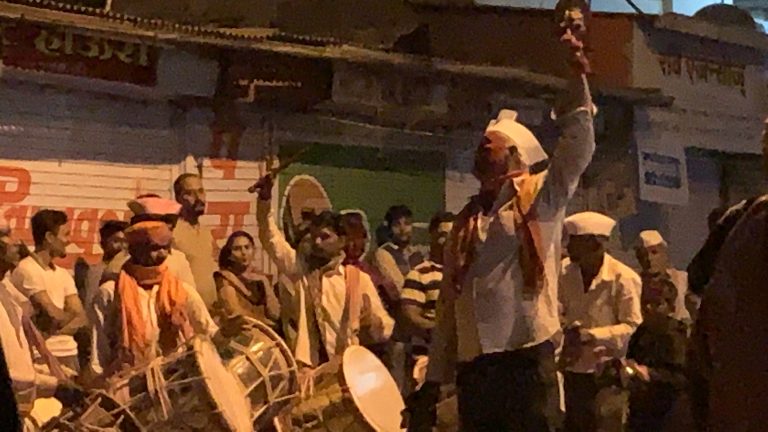
Wikimedia Commons, CC BY-SA 4.0 (representative Maharashtra drum procession image)

Continue Reading

Trending