
India
Water Testing Lab in India: What to Test, Which Standards Apply, and How to Choose

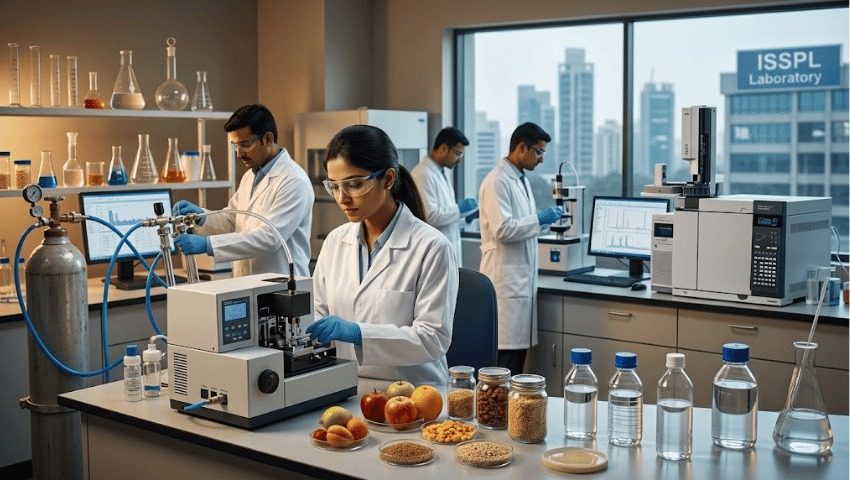
A water testing lab in India analyses drinking, packaged, groundwater, process, borewell and waste water against physicochemical and microbiological parameters. Testing checks whether water is safe for its intended use and supports compliance with standards such as IS 10500 and FSSAI requirements. Food businesses using water as an ingredient are expected to test it periodically at an FSSAI notified or NABL accredited laboratory.
When Clean-Looking Water Fails a Test
Water can look perfectly clear and still carry contamination you cannot see. A borewell that has supplied a facility for years can shift in quality after a change in the water table. A packaged water batch can pass on appearance yet fail on a single microbiological parameter. By the time the problem surfaces in a product complaint or an audit finding, the cost is no longer a laboratory fee. It is stock on hold, a delayed dispatch, or a regulatory query.
This article explains what water testing covers, which parameters matter for different water categories, the Indian standards that apply, and how often you should test. It also covers how to select a NABL accredited water testing laboratory and confirm the right scope for your purpose.
Key takeaways:
- Visual clarity tells you nothing about chemical or microbiological safety.
- Different water categories require different testing parameters.
- IS 10500 and FSSAI requirements govern much of water testing in India.
- Accreditation and approval apply to specific tests, not to a laboratory as a whole.
What Water Testing Is and Why It Matters
Water testing is the laboratory analysis of a water sample against defined parameters. The laboratory measures physical, chemical and microbiological attributes and reports whether they fall within the limits set for the water’s intended use.
The purpose is to replace assumption with evidence. A facility may believe its supply is safe. A test confirms whether it actually is. Water quality analysis in India supports three connected needs at once. It protects health where water is consumed or used in food. It protects processes where water quality affects a product. And it supports compliance where a standard or regulator sets requirements.
This does not mean every sample needs the same panel. A drinking water sample and an industrial effluent sample carry different concerns and different parameters. The appropriate scope follows the water category, its intended use, and the applicable standard.
Why Different Water Categories Need Different Testing
Water is not a single product. The reason for testing, and the parameters that matter, change with the category.
Drinking Water
Drinking water carries a direct health risk. Contaminated supply is a recognised route for waterborne illness, and pathogens such as E. coli and coliform bacteria are common indicators of faecal contamination. Drinking water testing in India typically combines physicochemical checks with microbiological analysis to confirm the water is safe for consumption.
Packaged Water
Packaged water is a regulated product, not just a supply. Packaged water testing applies to packaged drinking water and packaged natural mineral water, where both product quality and applicable standards matter. A batch that looks acceptable can still fail on a microbiological or chemical parameter, which is why testing supports release rather than assumption.
Groundwater and Borewell Water
Groundwater quality can change over time. A groundwater testing lab assesses supply drawn from below the surface, where contamination can enter through the surrounding soil, nearby activity or a shifting water table. Borewell water testing is relevant for facilities and premises relying on a borewell, because a source that tested clean once may not stay that way.
Process Water and Industrial Water
Process water can affect the product it touches. Process water testing matters where water becomes part of a manufacturing operation, a cleaning step, or the finished product itself. Industrial water testing also supports equipment reliability, since parameters such as hardness and dissolved solids can affect plant and machinery.
Wastewater
Wastewater carries environmental obligations. Wastewater testing in India assesses domestic sewage and industrial effluent against discharge related requirements, and it often connects to environmental compliance work overseen by pollution control authorities.
Swimming Pool Water
Swimming pool water needs regular monitoring. Parameters such as residual chlorine, pH and microbiological quality determine whether pool water is safe for use, and these can drift quickly with load and temperature.
Key Water Testing Parameters
Water testing parameters fall into three groups. The right combination depends on the water category and its intended use.
Physical Parameters
Physical parameters describe attributes you can often detect through the senses, measured objectively in the laboratory. These include colour, turbidity, odour and taste. They give an early indication of water quality, though they do not, on their own, confirm safety.
Chemical Parameters
Chemical parameters measure dissolved substances that affect quality and safety. Physicochemical water analysis commonly covers pH, hardness, total dissolved solids, chlorides, and residual chlorine, along with metals and other constituents depending on the source. Some parameters, such as pH, turbidity and residual chlorine, are sensitive to storage and are best checked promptly after sampling.
Microbiological Parameters
Microbiological parameters detect harmful organisms. Microbiological water testing checks for indicators of contamination such as coliforms and E. coli, which signal a food safety or public health concern. For drinking and packaged water, this analysis is central rather than optional.
The key distinction is this. Physical and chemical results describe the character of the water, while microbiological results address contamination risk. Most drinking and packaged water assessments need all three groups together.
Indian Standards and Regulatory Context
Water testing in India is guided by recognised standards. Knowing which one applies helps you define the correct scope.
IS 10500 is the Bureau of Indian Standards specification for drinking water. IS 10500 water quality standards set acceptable limits and permissible values for physical, chemical and microbiological parameters in drinking water. It is the common reference point for assessing whether water is fit for human consumption.
For food businesses, FSSAI requirements add a further layer. FSSAI guidance provides that food businesses using water as an ingredient in food should get the water tested against BIS IS 10500, other than radioactive parameters, at defined intervals, and FSSAI material indicates such testing at least once every six months from an FSSAI notified or NABL accredited laboratory. Requirements can change, so confirm the current provision that applies to your operation before finalising a testing schedule.
Broader water quality standards are also referenced by bodies such as APHA, CPCB and WHO, with the applicable norm depending on the water’s purpose. Packaged drinking water and packaged natural mineral water carry their own BIS specifications relevant to those products.
Importantly, a test report is analytical data. It supports compliance decisions, but a report on its own does not constitute regulatory approval. Compliance depends on the applicable standard, the water’s intended use, and how the data is applied.
When and How Often to Test Water
Testing once gives you a snapshot, not a trend. Frequency should follow the water category, its use, and the applicable requirement rather than a single fixed habit.
Consider testing in these situations:
- On a defined schedule for drinking water, and at least once every six months where you use water as a food ingredient, subject to the current FSSAI provision.
- Before releasing a batch of packaged water, in line with the applicable product standard.
- Periodically for groundwater and borewell supply, since source quality can shift over time.
- After any change to the source, treatment system or storage arrangement.
- Following a contamination concern, an unusual taste or odour, or an unexplained quality failure.
- Routinely for wastewater, in line with discharge related obligations.
Routine testing also builds a record. When results begin to move, a facility can often identify a developing problem before it affects health, product or compliance.
How to Select a NABL Accredited and FSSAI Approved Water Testing Lab
Choosing a laboratory is a technical decision as much as a commercial one. A few markers help you compare providers on more than price.
- Accreditation scope. NABL accreditation confirms technical competence for specific named tests. Check that your water category and parameters fall within the accredited scope of the NABL accredited water testing laboratory you are considering.
- Relevant approval. For food related testing, confirm FSSAI approved water testing status appropriate to your purpose, since FSSAI expects testing from an FSSAI notified or NABL accredited laboratory.
- Parameter coverage. Confirm the laboratory can handle the physical, chemical and microbiological parameters your category requires.
- Method suitability. The laboratory should apply validated methods appropriate to your parameters and reporting limits.
- Sampling capability. Correct sampling and prompt handling affect the reliability of results, particularly for parameters such as pH, turbidity and residual chlorine.
- Turnaround. Confirm a realistic timeline, noting that microbiological analysis requires incubation time.
Accreditation and approval both apply to defined tests and purposes. It would therefore be inaccurate to assume that a laboratory holding NABL accreditation is accredited for every water test it offers. Always check the specific parameter, on your specific water category, against the accredited scope.
How ISSPL Testing Lab Supports Water Testing
ISSPL Testing Lab is operated by IRCLASS Systems and Solutions Pvt Ltd, an independent analytical testing service provider in India. Water testing sits within its dedicated water testing services.
The coverage spans the main water categories. ISSPL provides testing for drinking water, groundwater, borewell water, packaged drinking water, packaged natural mineral water, processed water and wastewater, among other applications. This range matters because a food manufacturer, a packaged water brand and an industrial facility rarely need the same panel, and a single laboratory that covers several categories reduces the number of providers you coordinate.
On accreditation and approval, ISSPL states that its laboratory holds recognitions including NABL, accredited against ISO/IEC 17025, and FSSAI, alongside other approvals relevant to its wider testing work. For a food business required to test water as an ingredient, that combination is directly relevant, because FSSAI expects such testing from an FSSAI notified or NABL accredited laboratory. The specific parameters should still be confirmed against the applicable scope, since a recognition does not cover every test by default.
ISSPL operates across India with sampling support, which matters for water testing, where correct sample collection and prompt handling directly affect the reliability of the result. For food businesses, packaged water brands, manufacturers, industries and institutions, this allows water testing to be planned around the actual requirement rather than split across several providers.
This does not mean every business needs the full range of services. The relevant point is that the scope can be matched to your water category, your parameters and your purpose.
Frequently Asked Questions
What parameters are checked in water testing?
Water testing covers physical parameters such as colour, turbidity and odour, chemical parameters such as pH, hardness, total dissolved solids and residual chlorine, and microbiological parameters such as coliforms and E. coli. The exact combination depends on the water category and its intended use.
How often should food businesses test their water?
FSSAI guidance indicates that businesses using water as an ingredient should test it against BIS IS 10500, other than radioactive parameters, at least once every six months from an FSSAI notified or NABL accredited laboratory. Requirements can change, so confirm the current provision that applies to your operation.
What is IS 10500 in water testing?
IS 10500 is the Bureau of Indian Standards specification for drinking water. It sets acceptable and permissible limits for physical, chemical and microbiological parameters, and it serves as the common reference for assessing whether water is fit for human consumption.
Does a water test report guarantee regulatory compliance?
No. A report provides analytical data on the sample tested. Regulatory compliance depends on the applicable standard, the water’s intended use, and how the data is applied. A test report supports compliance decisions but does not by itself constitute approval.
Can one laboratory test drinking, packaged, groundwater and waste water?
Yes, where the laboratory holds coverage across those categories. A single provider reduces coordination and keeps reporting consistent. Confirm that each required test, on your specific water category, falls within the accredited or approved scope.
How much does water testing cost in India?
Cost depends on the water category, the number of parameters, the test methods and any sampling support required. Because these factors vary, pricing is best confirmed against a defined scope rather than a single fixed rate.
How long does water testing take?
Turnaround depends on the parameters requested. Microbiological analysis requires incubation time, so it typically takes longer than physical and chemical checks. Sharing your full parameter list and water category at the enquiry stage allows the laboratory to advise a realistic timeline.
Test Your Water Before It Becomes a Problem
Water quality rarely announces itself. Clear water can carry contamination, and a source that tested well once can change with time, use or season. Testing turns an assumption into verified data, and it does so while there is still time to act, whether the concern is health, product quality or compliance.
Businesses requiring water testing can contact ISSPL Testing Lab to discuss their water category, intended use, applicable parameters and the right testing scope. A short conversation about your source, your purpose and the standard that applies is usually the fastest way to define the correct panel before a quality or compliance issue arises.


India
Explained: What is a special intensive revision of electoral rolls, and why is it in court?
Rahul Gandhi, Mallikarjun Kharge and other opposition leaders filed a petition in the Supreme Court on October 12 challenging the special intensive revision of electoral rolls and seeking an audit of voter deletions, after police stopped their march.

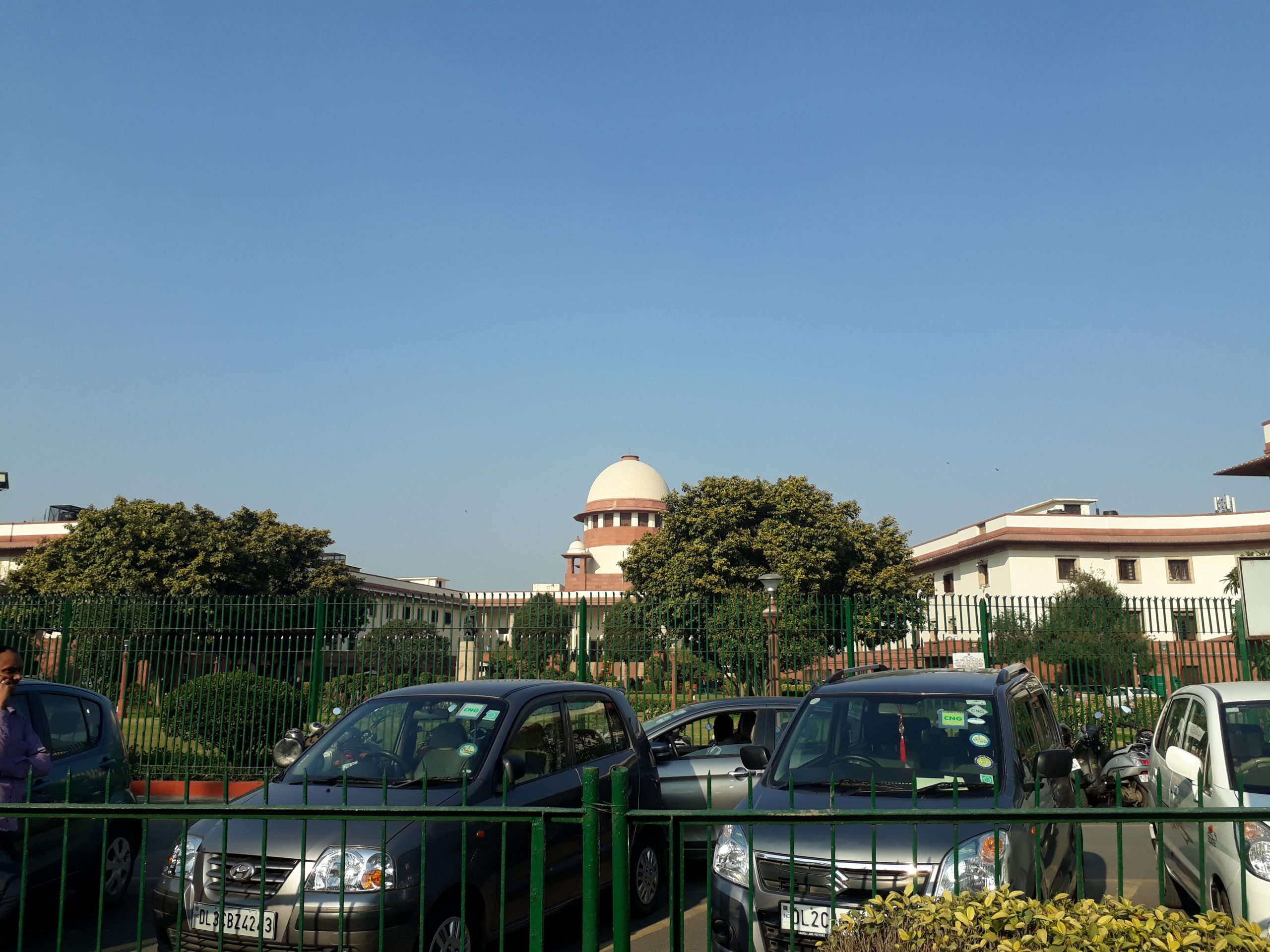
A special intensive revision is a house-to-house verification and update of electoral rolls by the Election Commission.
Opposition leaders filed a petition in the Supreme Court on October 12 challenging the exercise.
They allege large-scale deletions of voters, which are their allegations.
They want an audit by a committee headed by a retired Supreme Court judge.
They also want the revision suspended until the court decides.
It asks for an independent committee headed by a retired Supreme Court judge to audit deletions and modifications in the electoral roll databases, according to the same reports.
It also seeks an interim suspension of the ongoing SIR until the matter is decided, and seeks action against Chief Election Commissioner Gyanesh Kumar, according to the reports.
The reports published on Monday did not describe the Election Commission’s response to the petition.
India TV reported that the court could take up the petition on Tuesday, October 13, but the reports did not confirm that the case had been listed.
The petition was filed after the leaders marched from Connaught Place towards the Supreme Court, according to The Tribune’s live blog.
Police stopped the march at a barricade on Bhagwan Dass Marg, more than a kilometre from the court, according to PTI reports quoted in the same live blog.
Rahul Gandhi and Akhilesh Yadav climbed on a vehicle to address the crowd, according to the live blog. The march did not reach the Supreme Court.
Priyanka Gandhi Vadra, Tejashwi Yadav, D Raja, Supriya Sule, Sanjay Raut and Dipankar Bhattacharya were among the leaders present, according to the Tribune live blog.
Police said more than 30,000 personnel were deployed in the capital, according to the same live blog.
The Delhi Metro shut entry and exit at six central stations, Patel Chowk, Janpath, Rajiv Chowk, Mandi House, Central Secretariat and Barakhamba Road, from 6 am to 4 pm.
Supreme Court of India (file image), Wikimedia Commons, CC BY-SA 4.0
India
Explained: What is a flight diversion, and why did IndiGo divert to Hyderabad?
IndiGo flight 6E6115 from Delhi to Chennai was diverted to Hyderabad on October 11 after a passenger’s power bank caught fire; the crew put out the flames and all passengers were reported safe.

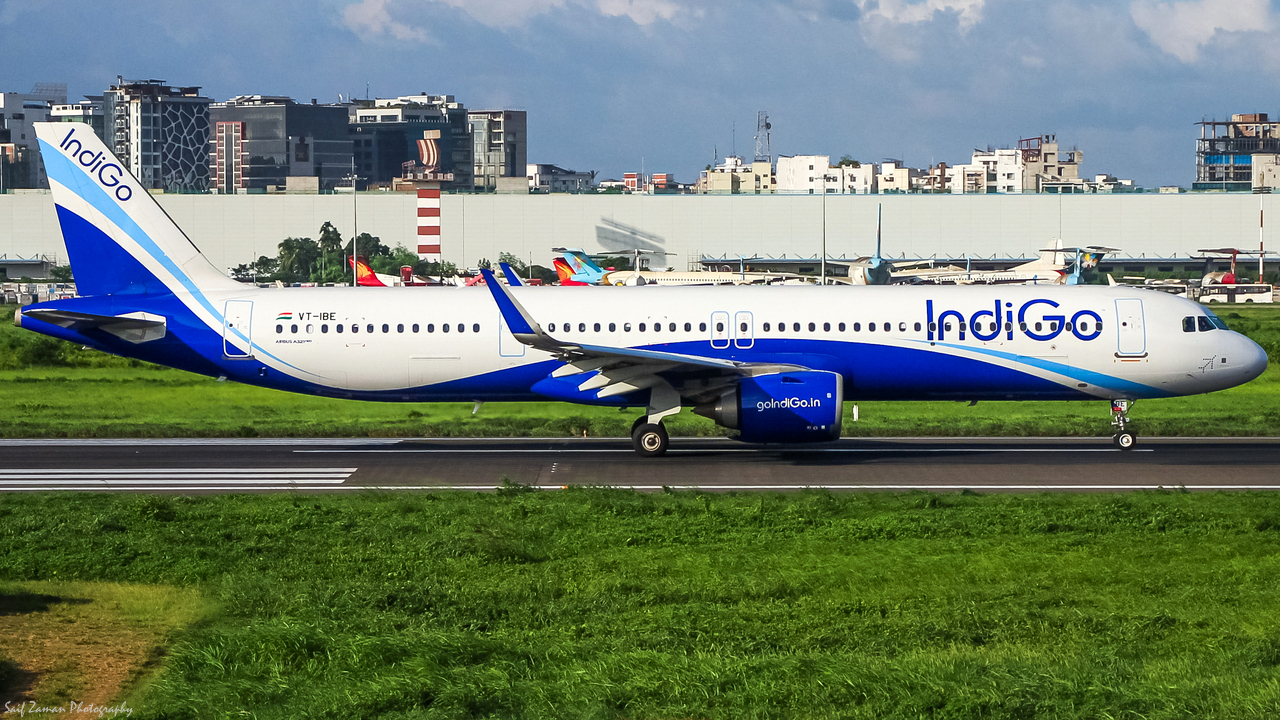
A diversion means landing at an airport other than the planned destination, usually for safety, weather or technical reasons.
IndiGo flight 6E6115 was diverted to Hyderabad after a passenger’s power bank caught fire.
Hyderabad is roughly midway between Delhi and Chennai.
The crew put out the fire and the aircraft landed safely.
All passengers were reported safe.
The aircraft landed safely at Rajiv Gandhi International Airport in Hyderabad.
All passengers were reported safe, and the reports mention no injuries.
TBS News reported that the aircraft carried 191 people, while The South First gave no passenger count, so the number is from one outlet.
IndiGo said the safety of customers and crew remains its top priority, and that the cabin crew acted promptly to control the situation before landing.
The airline apologised for the inconvenience and said it was offering refreshments and updates to passengers.
IndiGo said an alternate flight was being arranged to take passengers from Hyderabad to Chennai.
Zee News described the diversion as an emergency landing, but an airport official said no emergency or priority landing needed to be declared as the fire had already been put out.
Reports differ on the timing of the onward departure from Hyderabad, with one giving about 5:45 pm.
Power banks are lithium-ion batteries, and damaged or faulty cells can overheat and catch fire.
The Directorate General of Civil Aviation has advised airlines that passengers should carry power banks in hand baggage and not use or charge them during flights.
The cause of the fire has not been reported, and no investigation findings were available in the reports.
Passengers who see smoke or heat from a device should alert the cabin crew immediately.
A diversion is a decision to land at an airport other than the planned destination, usually for safety, weather or technical reasons.
IndiGo Airbus A321neo (file image), Wikimedia Commons, CC BY-SA 4.0
India
Explained: What is Section 163 of the BNSS, imposed in Manipur’s Kamjong?
Nine people have been killed in fresh clashes between Naga and Kuki groups in Manipur’s Kamjong, Ukhrul and Kangpokpi districts, officials said, and the Chief Minister has appealed for peace.


Section 163 of the BNSS lets a district magistrate restrict gatherings and movement to prevent disturbance.
The Kamjong district magistrate imposed it after fresh clashes between Naga and Kuki groups.
It bans gatherings of five or more people and carrying firearms or other dangerous objects in the restricted area.
Nine people have been killed in clashes in three Manipur districts, according to officials.
No fresh incidents were reported on Sunday, October 11.
Chassad is a Kuki-majority village in a predominantly Naga district, according to the same report.
That killing set off an exchange of fire between Kuki and Naga armed groups that continued on Saturday and left a man dead and about 10 houses burned, according to the reports.
On Saturday, suspected militants killed people in Kangpokpi district’s Tapon and Makui villages, and in Kamjong district’s Ningchou village near the Myanmar border, according to Daijiworld.
A man was also shot dead in a vehicle in Ukhrul district, according to the same report.
Accounts of the victims differ between outlets: one report lists six Nagas, two Kukis and a Gorkha farmer, while another says the dead were from the same family, so the breakdown is not verified.
Kuki-Zo organisations held security forces and a Naga armed group responsible for the death of the woman in Chassad, according to Daijiworld.
A Naga civil society body, the Working Committee JTC Manipur, blamed militants for another killing, according to the same report. These are claims by the groups and have not been independently verified.
Officials attributed other attacks to suspected militants and did not name a group, according to Daijiworld.
No fresh incidents were reported in the three districts on Sunday, October 11, according to the reports.
Central armed police forces and Manipur Police have intensified patrols and search operations, and additional forces were sent to Kangpokpi and Kamjong.
Manipur hills (file image), Wikimedia Commons, CC BY-SA 3.0


Explained: What is a periscope camera, as used in the Motorola Signature 27?

Explained: Why a weak rupee and costly crude hurt Indian stocks

Explained: What is a special intensive revision of electoral rolls, and why is it in court?

Redfox Overseas: Customize Your Own Energy Drink and Stand Out in the Market

Zamzam Company CEO Chhote Bhai-Bade Bhai gave a grand welcome to Indian writer Devhari Sirvi in Dubai

Shikha Sharma: The Fashion Journalist, Blogger, and Plus-Size Model Taking the Industry by Storm
-
 Brandpost2 years ago
Redfox Overseas: Customize Your Own Energy Drink and Stand Out in the Market
-
 Brandpost2 years ago
Zamzam Company CEO Chhote Bhai-Bade Bhai gave a grand welcome to Indian writer Devhari Sirvi in Dubai
-
 Fashion2 years ago
Shikha Sharma: The Fashion Journalist, Blogger, and Plus-Size Model Taking the Industry by Storm
-
Entertainment2 years ago
Lucky Roxx’s “Yadav Ki Pukar” Goes Viral! Youth Celebrate Unity & Power
-

 Entertainment9 years ago
New Season 8 Walking Dead trailer flashes forward in time
-
Entertainment9 years ago
Meet Superman’s grandfather in new trailer for Krypton
-
Uncategorized2 years ago
Hello world!
-

 Brandpost2 years ago
From Local Hero to National Icon: Satyam Yadav’s Journey with TwentyOne