Weather
Why Delhi stays dry while the south braces for rain
The IMD forecast isolated heavy rainfall for Kerala, coastal Karnataka, Tamil Nadu and Northeast India on October 1, with thunderstorms and gusty winds, even as Delhi, Haryana and Punjab stayed dry with rising temperatures.

Delhi is forecast to remain dry on October 1, even as southern India braces for isolated heavy rain.
Kerala, coastal Karnataka, Tamil Nadu and Northeast India are among the areas flagged by the IMD.
Thunderstorms and gusty winds are expected in the affected southern regions.
Haryana and Punjab are also forecast to stay dry.
Delhi’s temperatures were expected to rise through the day.
The contrasting forecast reflects how India’s weather can vary significantly across regions during early October.
Southern and northeastern India continue to see rain spells even as northern India transitions out of the monsoon season.
Coastal Karnataka districts are typically more prone to heavy rain events than the state’s interior regions.
The IMD issues regular forecasts covering rainfall, temperature and wind conditions across India’s states.
Kerala and the Northeast often see late-season rainfall extending into October in a typical monsoon withdrawal year.
Residents in areas with heavy rainfall forecasts are generally advised to avoid waterlogged roads and stay updated on local alerts.
Weather warnings of this kind are typically issued a day or two in advance to allow for local preparedness.
India’s monsoon season officially winds down through September and October, with the exact timing varying by region each year.
State disaster management authorities in the affected regions routinely monitor conditions during periods of forecast heavy rain.
The IMD tracks weather systems using satellite imagery, radar and a network of surface observation stations.
Fishermen along affected coastlines are typically advised to avoid venturing into the sea during periods of thunderstorm activity.
Gusty winds accompanying thunderstorms can pose risks to loose structures, trees and power lines in affected areas.
The IMD forecast isolated heavy rainfall for Kerala, coastal Karnataka, Tamil Nadu and Northeast India on October 1.
Thunderstorms and gusty winds were expected to accompany the rain in several southern areas.
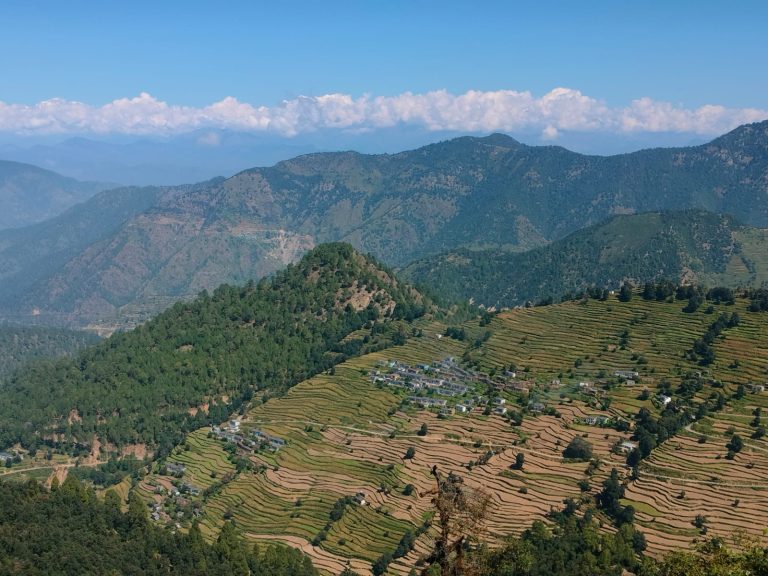
Monsoon rain in Kerala (representative image), Wikimedia Commons, CC BY-SA 4.0
Weather
Northeast India, Maharashtra see rain as Delhi stays dry
The IMD issued a yellow alert for Mumbai, Pune, Nagpur, Nashik and Satara on September 30 for thundershowers across Konkan and Madhya Maharashtra, even as Delhi stayed dry with clear skies and a high of 31°C.
Northeast India, including Assam and Meghalaya, is forecast to see widespread rainfall on September 30.
Maharashtra is separately under a yellow alert for rain in Mumbai, Pune, Nagpur, Nashik and Satara.
Delhi, meanwhile, is forecast to remain dry with clear skies and a high of 31 degrees Celsius.
The IMD said Delhi’s dry spell is expected to continue until October 5.
Weather conditions vary significantly across India’s regions on any given day.
Delhi, by contrast, is forecast to remain dry with clear skies on September 30.
Delhi’s maximum temperature was expected to reach 31 degrees Celsius, with lows around 22 degrees Celsius.
There was a 0% chance of rain forecast for Delhi on the day.
The IMD said Delhi’s dry spell is likely to continue until October 5.
Northeast India, including Assam, Meghalaya, Nagaland, Manipur, Mizoram and Tripura, was forecast to see fairly widespread to widespread rainfall on September 30.
A yellow alert indicates a need for general awareness, one level below the more serious orange and red alerts.
Maharashtra typically sees late-season rain spells through September and into early October as the monsoon withdraws.
Local authorities in flagged districts often issue additional advisories during yellow-alert conditions.
Weather patterns can vary significantly across India on any given day given the country’s size and diverse geography.
The IMD tracks regional weather systems using satellite imagery, radar and surface observation stations.
Coastal Konkan districts typically see heavier and more frequent late-season rain than inland Maharashtra.
Local disaster management authorities in Maharashtra routinely monitor low-lying and flood-prone areas during yellow-alert periods.
Farmers in the affected districts have separately been advised to take precautions for standing crops during the rain spell.
Weather forecasts of this kind are updated multiple times a day as regional systems evolve.
The IMD issued a yellow alert for parts of Maharashtra on September 30.
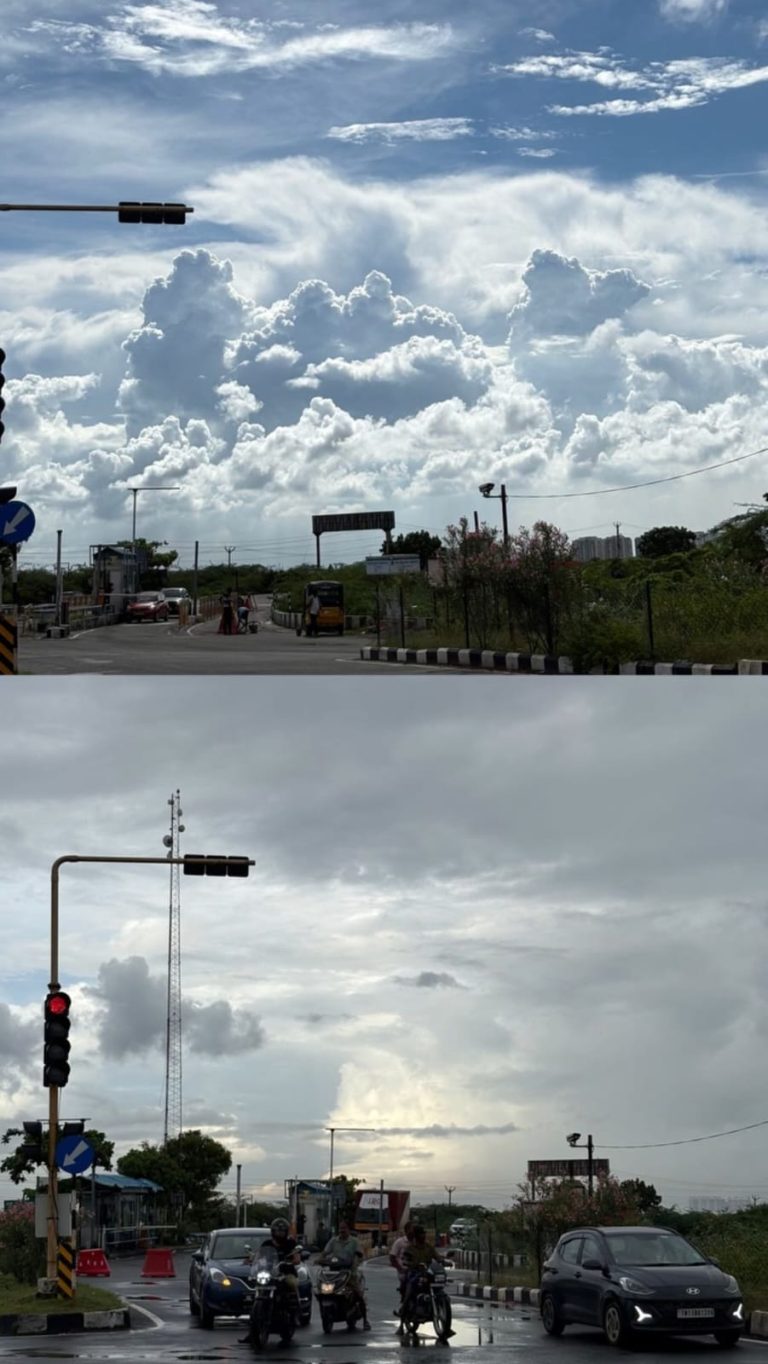
Mumbai monsoon rain (representative image), Wikimedia Commons, CC BY-SA 2.0
Weather
Weather today: Delhi dry, three regions under rain watch
Delhi gets a break from rain with partly cloudy skies and highs of 31-33°C, even as the IMD flags isolated heavy showers in Uttarakhand, the Andaman and Nicobar Islands, and South Interior Karnataka on September 28.
Delhi is dry today, September 28, with partly cloudy skies and highs of 31-33 degrees Celsius.
Three regions remain under a rain watch: Uttarakhand, the Andaman and Nicobar Islands, and South Interior Karnataka.
The IMD has flagged isolated heavy showers in these areas.
Delhi’s skies are expected to turn mainly clear from September 29.
Temperatures in Delhi are expected to rise further later in the week.
Isolated heavy rainfall remains possible in Uttarakhand despite the wider dry spell in northern India.
The Andaman and Nicobar Islands are also expected to see isolated heavy showers.
South Interior Karnataka has been flagged for isolated heavy rainfall as well.
The IMD’s forecasts are updated regularly as weather systems shift across the country.
Delhi’s weather has been mixed through September, alternating between rain spells and drier stretches.
Northern India as a whole has been seeing a gradual transition out of the monsoon season in late September.
Weather patterns can vary significantly across India on any given day given the country’s size and diverse geography.
The India Meteorological Department is the government’s nodal agency for weather forecasting and advisories.
Residents in regions with isolated heavy rain warnings are typically advised to stay updated on local alerts.
Uttarakhand’s hilly terrain makes it particularly prone to isolated but intense rainfall events during this period.
The Andaman and Nicobar Islands often see localised heavy rain due to their maritime location in the Bay of Bengal.
South Interior Karnataka includes districts that receive rainfall from both the southwest and northeast monsoon systems.
Delhi’s air quality can also be affected as the city transitions from the monsoon into the drier post-monsoon period.
The IMD typically issues day-wise forecasts covering temperature, rainfall probability and wind conditions for major cities.
Delhi is getting a break from rain, with partly cloudy skies forecast for September 28.
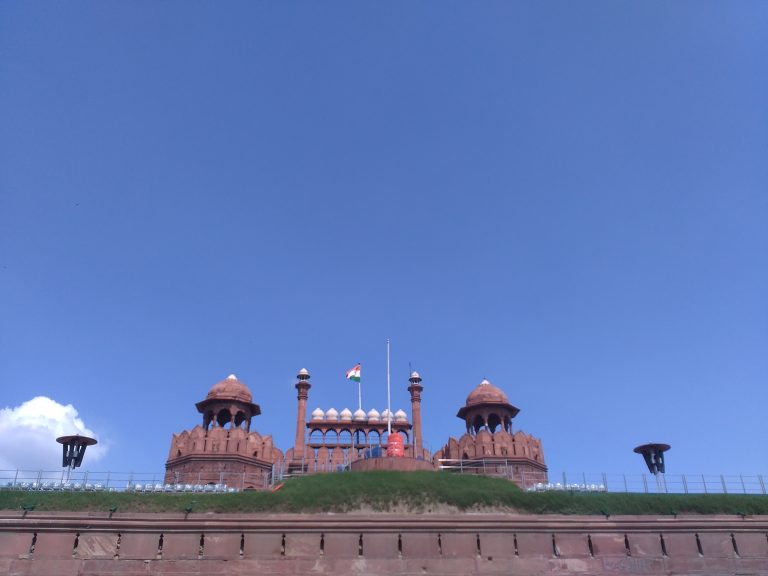
New Delhi under clear skies (representative image), Wikimedia Commons, CC BY-SA 4.0
Weather
63 districts see above-normal rain as UP floods worsen
Heavy rain killed at least 10 people in Uttar Pradesh, with wall collapses and uprooted trees among the causes, as 63 districts recorded above-normal rainfall and schools were shut in several districts including Aligarh.
Sixty-three districts across Uttar Pradesh recorded above-normal rainfall.
At least 10 people were killed in rain-related incidents, with 11 injured.
Standing crops and around 117 houses were damaged.
Schools were shut in several districts, including Aligarh, until Saturday.
The IMD has forecast continued heavy rain in parts of the state.
The state received about 19 times its normal rainfall in the 24 hours ending Saturday morning, according to reports.
Standing crops and around 117 houses were damaged by the heavy rain, thunderstorms and strong winds.
Paddy fields in districts including Jaunpur, Mirzapur and Azamgarh were among those affected.
Schools were shut in several districts, including Aligarh, where classes remained suspended until Saturday.
Some reports put the overall death toll higher, at up to 13-17 across the state, as rain-related incidents were still being tallied.
Rain that began after midnight on Thursday continued across most parts of the state through Friday and into the weekend.
Eastern Uttar Pradesh was forecast to see heavy rain on September 27, while western Uttar Pradesh was placed under a very heavy rainfall warning.
The IMD also flagged thunderstorms and lightning risk alongside the rain warnings.
Opposition leaders in the state have raised questions about infrastructure preparedness during the heavy rain spell.
State disaster relief teams have been deployed to assist with clean-up and relief work in the worst-affected districts.
Waterlogging disrupted traffic and daily life in several cities across Uttar Pradesh during the rain spell.
Local administrations have been assessing damage to houses and crops to process compensation claims for affected families.
Uttar Pradesh is India’s most populous state, and heavy rain events there routinely affect large numbers of people across multiple districts simultaneously.
The state government has set up helpline numbers in some districts for residents to report rain-related damage or emergencies.
Heavy rain in Uttar Pradesh killed at least 10 people, with 11 others injured, according to state officials.
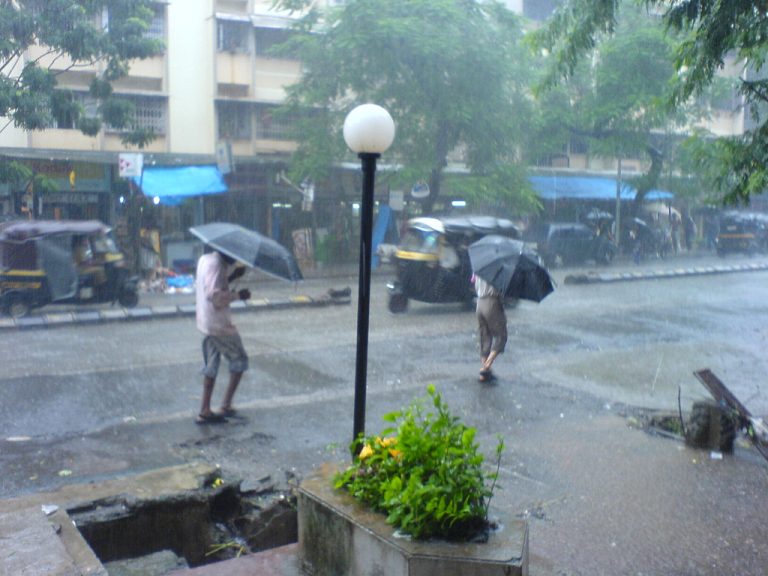
Flooded road after heavy rain (representative image), Wikimedia Commons, CC BY-SA 4.0
-
Brandpost2 years agoRedfox Overseas: Customize Your Own Energy Drink and Stand Out in the Market
-
Brandpost2 years agoZamzam Company CEO Chhote Bhai-Bade Bhai gave a grand welcome to Indian writer Devhari Sirvi in Dubai
-
Fashion2 years agoShikha Sharma: The Fashion Journalist, Blogger, and Plus-Size Model Taking the Industry by Storm
-
Entertainment1 year ago
Lucky Roxx’s “Yadav Ki Pukar” Goes Viral! Youth Celebrate Unity & Power
-
Entertainment9 years agoNew Season 8 Walking Dead trailer flashes forward in time
-
Entertainment9 years agoMeet Superman’s grandfather in new trailer for Krypton
-
Uncategorized2 years ago
Hello world!
-
Brandpost2 years agoFrom Local Hero to National Icon: Satyam Yadav’s Journey with TwentyOne