
Government
265 talukas declared drought-hit in Maharashtra
Maharashtra declared drought across 265 of its 358 talukas due to insufficient Kharif 2026 monsoon rainfall, triggering 12 relief measures including crop loan restructuring and land revenue concessions.

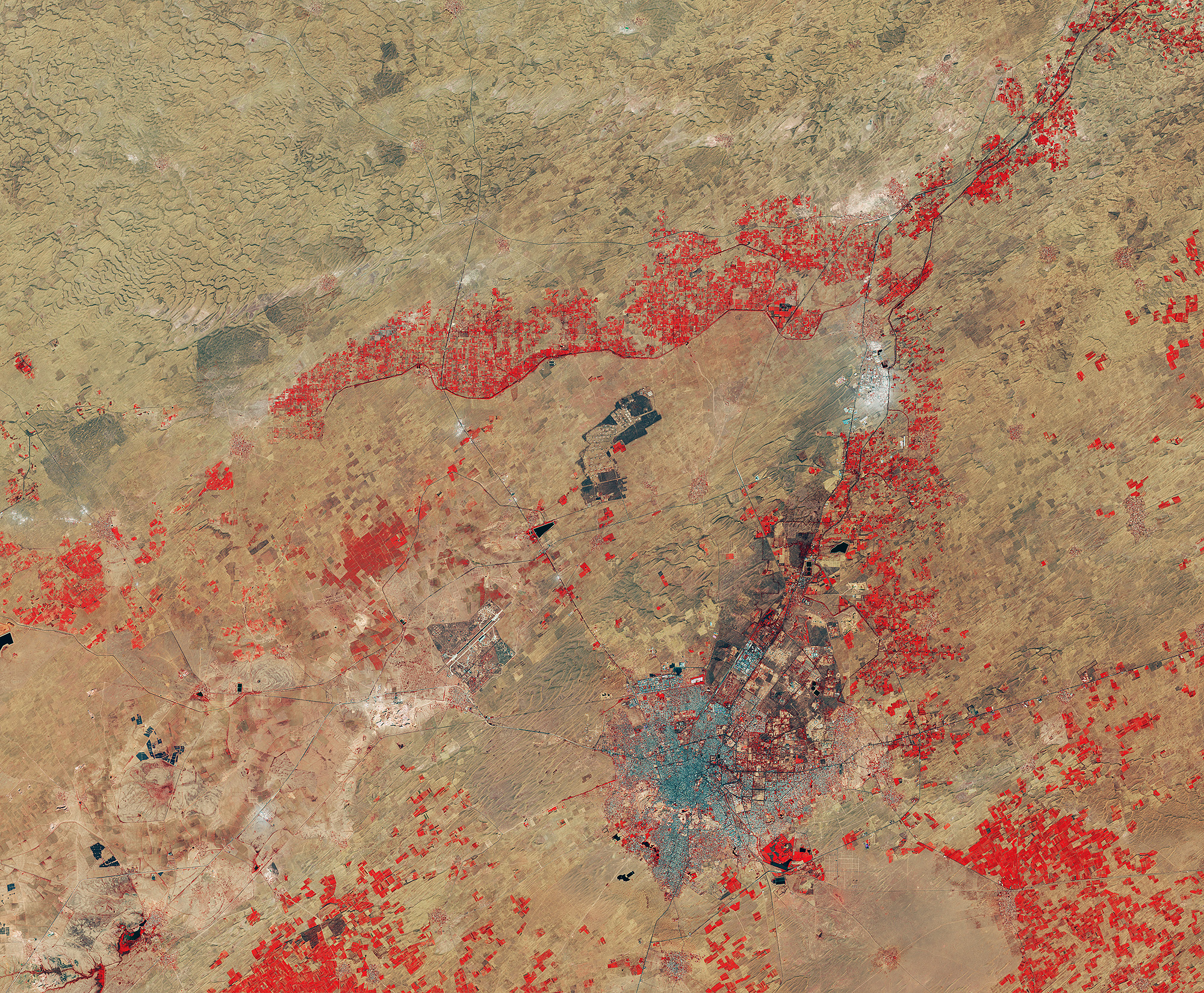
Maharashtra has declared 265 of its 358 talukas as drought-hit.
The move follows insufficient Kharif 2026 monsoon rainfall.
It triggers 12 relief measures, including crop loan restructuring and land revenue concessions.
Chief Minister Devendra Fadnavis has directed immediate crop-damage assessments.
Farmers in affected areas may also become eligible for crop insurance claims.
A taluka is an administrative sub-division within a district in Maharashtra.
Kharif crops are those sown at the start of the monsoon season and harvested in autumn, including crops like cotton, soybean and pulses.
Drought declarations of this kind typically unlock state and central relief funds for affected farmers.
Relief measures can also include waivers or deferrals on electricity bills for agricultural users in some cases.
Maharashtra has faced uneven monsoon distribution in recent years, with some regions receiving surplus rain and others falling short.
The state’s Revenue Department is typically responsible for coordinating drought assessment and relief disbursal.
Farmers in affected talukas may also become eligible for crop insurance claims linked to the drought declaration.
Maharashtra is one of India’s largest states by agricultural output, making rainfall shortfalls there significant for the country’s broader farm economy.
Past drought declarations in Maharashtra have similarly focused on crop loan restructuring as a key relief tool.
Maharashtra’s Vidarbha and Marathwada regions have historically been among the areas most affected by rainfall shortfalls.
District collectors typically play a central role in implementing relief measures once a drought is declared.
State assembly members from affected constituencies often raise drought relief demands during legislative sessions.
Delays in monsoon onset or below-normal rainfall in July and August can significantly affect Kharif crop yields.
The state government reviews drought status periodically and can expand or revise the list of affected talukas as conditions change.
Maharashtra has declared drought across 265 of its 358 talukas.
The declaration was made due to insufficient monsoon rainfall during the Kharif 2026 season.
Dry terrain (representative image), Wikimedia Commons, CC BY-SA 3.0 IGO


Government
MPSC row explained: Paper leak, protests and the proposed panel
Maharashtra Chief Minister Devendra Fadnavis has asked Governor Jishnu Dev Varma to set up a panel headed by a retired High Court judge to initiate action against current and former MPSC chairpersons and members, with a report due in three months.
A paper leak was confirmed in the MPSC’s Drug Inspector examination.
Aspirants protested in Pune.
MPSC Secretary Mahendra Harpalkar was relieved of the duties.
The Chief Minister has now recommended a committee headed by a retired High Court judge.
It is to report within three months.
The recommendation is made under Article 317 of the Constitution.
Fadnavis noted that MPSC members hold constitutional posts, and that removing them requires a strict procedure.
Under Article 317, a chairperson or member can be removed only after a formal inquiry, which involves a reference to the Supreme Court and action by the President.
The agitation by aspirants intensified in Pune after a paper leak was confirmed in the Drug Inspector examination that the MPSC conducted for the Food and Drug Administration.
After assurances given in talks between the Chief Minister and student representatives, MPSC Secretary Mahendra Harpalkar was relieved of the duties.
On September 30, Fadnavis had assured students that a retired judge would inquire into the functioning of the MPSC chairman within three months.
The MPSC had earlier postponed its State Services Main Examination, which was due on October 3, and decided to re-evaluate the 2025 answer sheets.
NCP (SP) MLA Rohit Pawar gave a 48-hour ultimatum demanding the removal of the MPSC chairman, according to the Free Press Journal.
He warned that more than 100,000 students could protest in Pune or march to Mantralaya if the demand was not met, according to the same report.
The protest was being held at SM Joshi Bridge in Pune, according to the Free Press Journal.
Opposition leaders including Uddhav Thackeray’s Shiv Sena faction have pressed the government on MPSC governance, according to UNI.
Congress leader Rahul Gandhi was expected to meet aspirants on October 7 and 8, according to the Free Press Journal.
The MPSC conducts recruitment examinations for posts in the Maharashtra government.
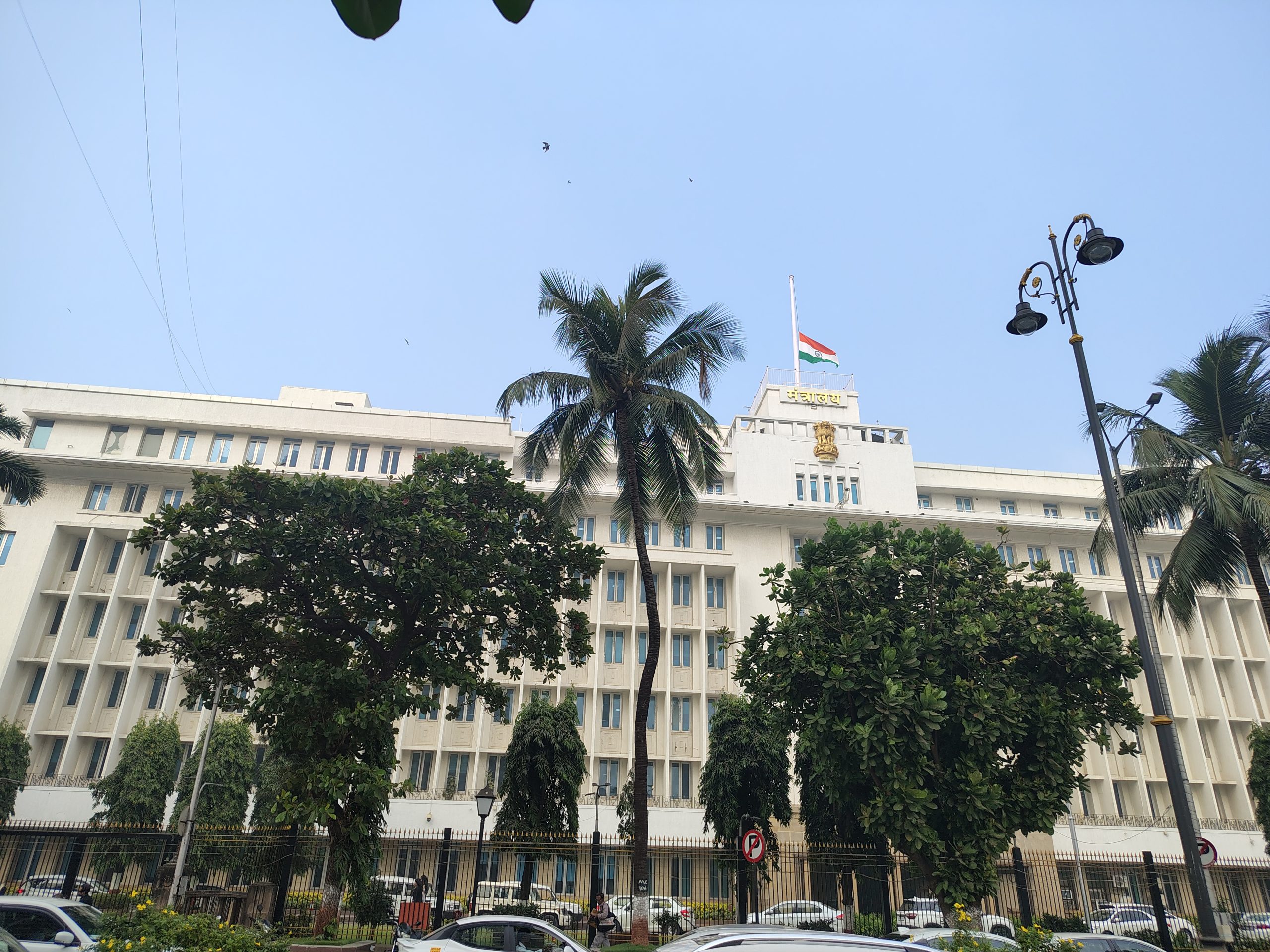
Mantralaya, Mumbai (file image), Wikimedia Commons, CC BY-SA 4.0
Government
Single exam card at Rs 100: Maharashtra’s MPSC reform promise
The Maharashtra government has terminated the deputation of MPSC Secretary Mahendra Harpalkar after Chief Minister Devendra Fadnavis met protesting aspirants, who called off an October 2 protest after he promised an inquiry into the commission chairman’s functioning.

Maharashtra has agreed to a single examination card system for MPSC candidates at a fee of Rs 100.
It is on the lines of the Rajasthan model.
The assurance was among those Chief Minister Devendra Fadnavis gave student representatives on September 30.
He also assured offline examinations and recruitment for about 30,000 posts.
An October 2 protest by aspirants was suspended.
Student representatives who attended included Nitin Andhale, who said the meeting was positive.
The students’ demands included action on alleged irregularities in the functioning of the MPSC and the chairman’s resignation.
They also demanded recruitment for 70,000 vacant posts and offline examinations.
Fadnavis assured them that a retired judge would inquire into the functioning of the MPSC chairman within three months.
He also assured the immediate transfer of the MPSC secretary and that future examinations would be held offline.
He assured recruitment for about 30,000 vacant posts, with a recruitment calendar to be announced within one month.
A single examination card system at a fee of Rs 100, on the lines of the Rajasthan model, was also agreed.
An inquiry into the paper leak issue was among the demands the government agreed to address, according to Andhale.
The reports did not say which examination the alleged paper leak concerned.
The MPSC chairman remains in his post while the inquiry is pending, and student groups and political leaders have asked for further accountability.
The Maharashtra Public Service Commission conducts recruitment examinations for posts in the Maharashtra government.
A deputation is a temporary posting of an officer to another body, and terminating it sends the officer back to the parent department.
A Lokshahi report said an October 2 protest against the MPSC paper leak was to be held under the leadership of MLA Rohit Pawar.
The Pune Police Commissioner, Amitesh Kumar, and DCP Prashant Amritkar attended the September 30 meeting as special invitees.
Mantralaya, Mumbai (file image), Wikimedia Commons, CC BY-SA 4.0
Government
Delhi’s command centre arrives ahead of the winter pollution plan
Delhi Chief Minister Rekha Gupta inaugurated an Integrated Command and Control Centre on October 2 to monitor pollution sources in real time, using AI cameras on more than 700 construction sites and GPS tracking of sweeping machinery.
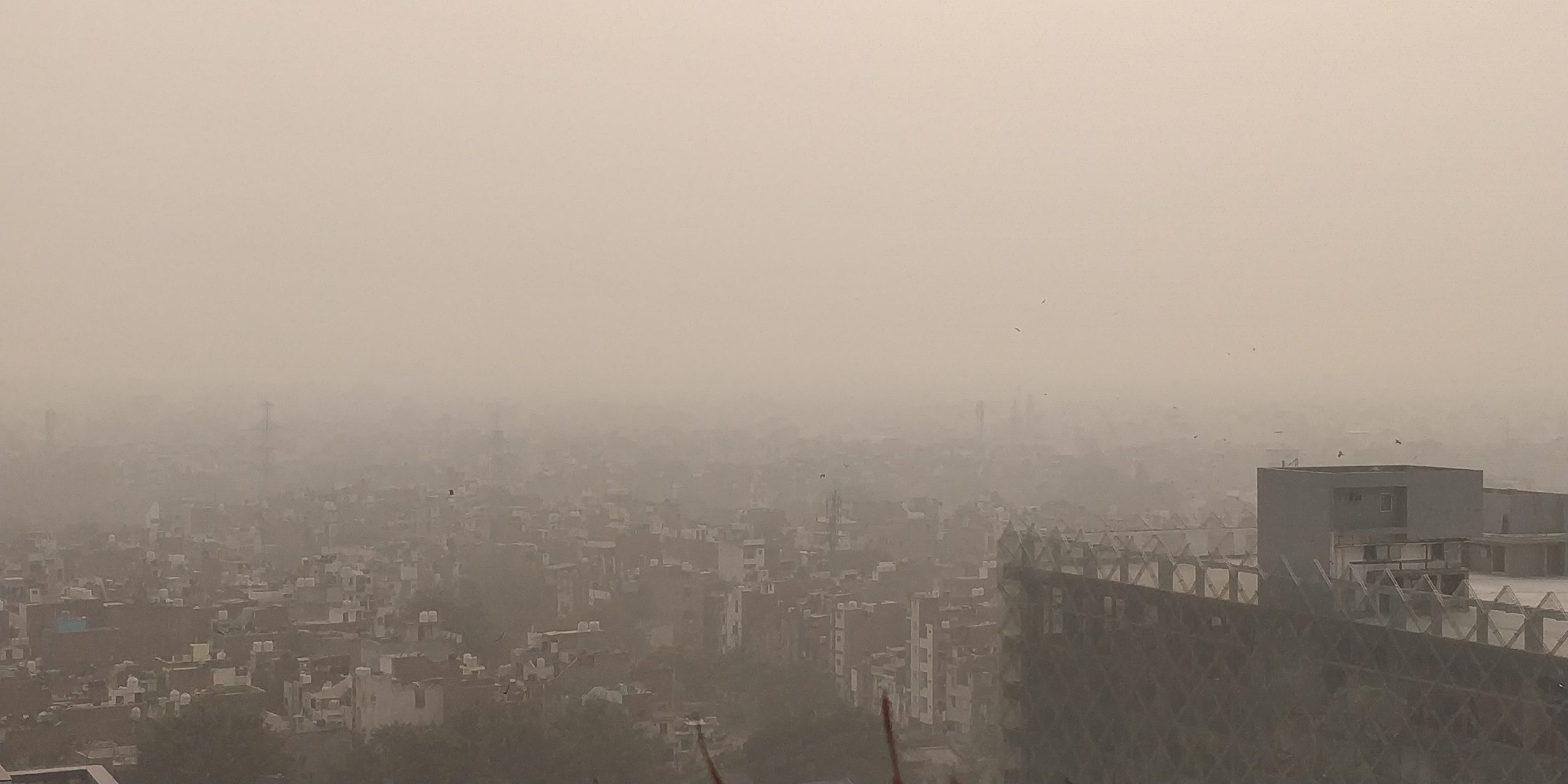
Delhi’s new pollution command centre launched ahead of the winter pollution action plan.
The plan takes effect from November 1 and runs through February 2027.
The centre will monitor construction sites, sweeping machinery and open burning.
It was inaugurated by CM Rekha Gupta on October 2.
AI cameras will cover more than 700 construction sites.
AI-driven cameras will monitor construction sites larger than 500 square metres.
More than 700 identified construction sites are covered by the monitoring.
GPS will be used to track mechanical road-sweeping machinery and pollution-control towers across Delhi.
The centre will also monitor pollution hotspots and open burning.
It integrates complaints and inspection data so that the relevant departments can act faster.
The launch comes ahead of Delhi’s winter pollution action plan, which takes effect from November 1 and runs through February 2027.
Construction dust, road dust and open burning are among the local sources of air pollution in Delhi.
Delhi’s air quality typically worsens sharply in the winter months as local emissions combine with weather conditions that trap pollutants.
Real-time monitoring is intended to make enforcement against violators faster than periodic manual inspections allow.
Delhi’s winter action plan also includes staggered office timings, doubled parking charges and a ban on non-BS-VI vehicles from outside the city from November 1.
A ‘No PUCC, No Fuel’ campaign is also planned for petrol pumps across the city.
Union Environment Minister Bhupender Yadav and Chief Minister Rekha Gupta reviewed the winter plan in late September.
Pollution-control towers and mechanical sweepers are among the equipment Delhi uses to reduce dust and particulate matter on roads.
Integrated command centres are used in several Indian cities to combine data from cameras, sensors and complaints in one place.
Enforcement agencies in Delhi include the city government’s environment department, the municipal corporation and the pollution control committee.
Delhi air pollution (representative image), Wikimedia Commons, CC BY-SA 4.0


Explained: What is a periscope camera, as used in the Motorola Signature 27?

Explained: Why a weak rupee and costly crude hurt Indian stocks

Explained: What is a special intensive revision of electoral rolls, and why is it in court?

Redfox Overseas: Customize Your Own Energy Drink and Stand Out in the Market

Zamzam Company CEO Chhote Bhai-Bade Bhai gave a grand welcome to Indian writer Devhari Sirvi in Dubai

Shikha Sharma: The Fashion Journalist, Blogger, and Plus-Size Model Taking the Industry by Storm
-
 Brandpost2 years ago
Redfox Overseas: Customize Your Own Energy Drink and Stand Out in the Market
-
 Brandpost2 years ago
Zamzam Company CEO Chhote Bhai-Bade Bhai gave a grand welcome to Indian writer Devhari Sirvi in Dubai
-
 Fashion2 years ago
Shikha Sharma: The Fashion Journalist, Blogger, and Plus-Size Model Taking the Industry by Storm
-
Entertainment2 years ago
Lucky Roxx’s “Yadav Ki Pukar” Goes Viral! Youth Celebrate Unity & Power
-

 Entertainment9 years ago
New Season 8 Walking Dead trailer flashes forward in time
-
Entertainment9 years ago
Meet Superman’s grandfather in new trailer for Krypton
-
Uncategorized2 years ago
Hello world!
-

 Brandpost2 years ago
From Local Hero to National Icon: Satyam Yadav’s Journey with TwentyOne