
Entertainment
From Studio to Stage: How Oh My Baby Became Sharon Shobana Vasudevan’s Most Celebrated Chapter YetMusic & Culture


There are moments in a creative career that arrive not with noise, but with quiet, undeniable confirmation. For Sharon Shobana Vasudevan — singer, songwriter, composer, producer, and Founder and CEO of Shooting Star Productions — that moment came when Oh My Baby was announced as the winner of the 3rd Place Best Album Award and the 1st Place Best Dancer Award at the Directors Club ‘Value 5’ Album Screening. It was, by any measure, a significant honour. But for those who have followed Sharon Shobana Vasudevan’s journey closely, it felt less like a surprise and more like an inevitability.
Every song begins somewhere before the studio. For Oh My Baby, it began with a feeling — the desire to create something that sat comfortably at the intersection of intimacy and scale. Sharon Shobana Vasudevan, who has spent years developing a creative voice that refuses easy categorisation, envisioned a track that could hold the warmth of folk, the sweep of cinematic composition, and the accessibility of romantic pop — all at once.
It was an ambitious brief. But ambition, for Sharon Shobana Vasudevan, has always been a starting point rather than a destination.
Working alongside co-composer and music director Nathanael Nilesh Raj, she began shaping the sonic landscape of the track — one that would eventually feature additional keys and rhythm programming by T. Darel Jerald Thomas, live instrumentation by Infinity Band — comprising Vimalaveeran and Sures Ravindran — and vocals performed by both Sridhar Sena and Sharon Shobana Vasudevan herself. The result was a track that felt, from the very first listen, like it had been built by people who genuinely cared about every layer of what they were making.
What separates a good song from a great production is almost always the accumulation of careful decisions made long after the composition is complete. Oh My Baby bears the fingerprints of that kind of attention throughout.
Recording took place across multiple sessions — at Atrium Sound Studio under sound engineer Ashish, and at Record Me Studio with Gunasekaran and Nathanael Nilesh Raj. Melodyne work was handled by Charan Kumar at DAW Records, while the mix and master — perhaps the most consequential final step in any production — was entrusted to A.M. Rahmathulla at AH Studios, whose work gave the track the clarity and warmth it needed to travel well across platforms.
For Sharon Shobana Vasudevan, whose background in business management has always informed the way she approaches creative projects, this level of production rigour was never incidental. It was the plan. Sharon Shobana Vasudevan has long understood that the gap between artistic intention and audience connection is frequently a craft problem — and that solving it requires both patience and precision.
Music, for Sharon Shobana Vasudevan, has never existed in isolation from its visual counterpart. Oh My Baby received its cinematic identity through the lens of director and DOP Jithesh C G, whose work on the official music video brought a richness of visual language that elevated the song into something genuinely immersive.
With art direction by Tittagudi Karthick Vasan and team, choreography by dance master Pramesh Dev, lead performances by Sabharish and Sharon Shobana Vasudevan herself, and editing by Srikanth Kanaparthi, the video became far more than a promotional piece. Colour graded by Siyayoudeen of Color Alchemist, it arrived as a fully realised visual statement — one that matched the emotional ambition of the song it accompanied.
The audience noticed.
Before awards committees convene, audiences vote in the only currency that truly matters: attention. And on that count, Oh My Baby made its case emphatically.
The song entered Spotify’s Local Pulse Chennai charts, placing within the top 5 — a meaningful achievement for an independent release in a city with one of India’s most competitive and discerning music audiences. On YouTube, the official music video surpassed 2 million views. Across streaming platforms — Spotify, Apple Music, Amazon Music, YouTube Music, JioSaavn, and Gaana — the track accumulated over 200,000 streams.
For a production released under Shooting Star Productions in association with Infinity Band, these figures told a story of genuine reach. This was not algorithmic luck or viral accident. It was a song that connected — and kept connecting.
When the Directors Club ‘Value 5’ Album Screening announced the results, Oh My Baby walked away not with one recognition but two — claiming 3rd Place for Best Album and 1st Place for Best Dancer.
The Best Album recognition placed the project among the finest independent creative productions evaluated at the screening — acknowledged by a community of directors, producers, and creative professionals who understand, from the inside, what it takes to make something genuinely worthy.
The 1st Place Best Dancer Award delivered one of the evening’s most celebrated moments — honouring the choreographic vision of dance master Pramesh Dev and the on-screen performance of Sabharish, whose presence had anchored the song’s emotional and visual narrative from the very first frame.
For Sharon Shobana Vasudevan, the dual recognition held a particular emotional resonance.
“Announcing a happy announcement to everyone — my music video ‘Oh My Baby’ from the Directors Club ‘Value 5’ album screening has won the Best Album Award,” she shared — words that, in their simplicity, captured something true about the spirit in which the entire project had been made. This was never a song built for awards. It was built for people. The awards, in that sense, were the world confirming that the people had already decided.
Sharon Shobana Vasudevan has spent her career demonstrating that creative success and structural discipline are not opposing forces — they are, in fact, each other’s most reliable allies. Oh My Baby is perhaps the clearest expression yet of that philosophy in action.
It is a song conceived with emotional intelligence, executed with production rigour, delivered with visual ambition, and received with genuine public warmth. That it has now also been recognised formally — twice over — by one of the industry’s respected platforms is, for those who have watched Sharon Shobana Vasudevan build her career — from Singapore’s interschool singing competitions to Vasantham Star, from her first independent collaboration with acclaimed Malaysian rapper Psychomantra to the founding of Shooting Star Productions — entirely consistent with the arc she has always been on.
The music, as it always has been with Sharon Shobana Vasudevan, continues to speak for itself.


Entertainment
What is a Nikah? The ceremony Mr Faisu held in Madinah
Social media star Faisal Shaikh, known as Mr Faisu, announced on October 10 that Faisu had married in a Nikah ceremony in Madinah with the family present, and is reportedly planning a reception in Mumbai on October 19.

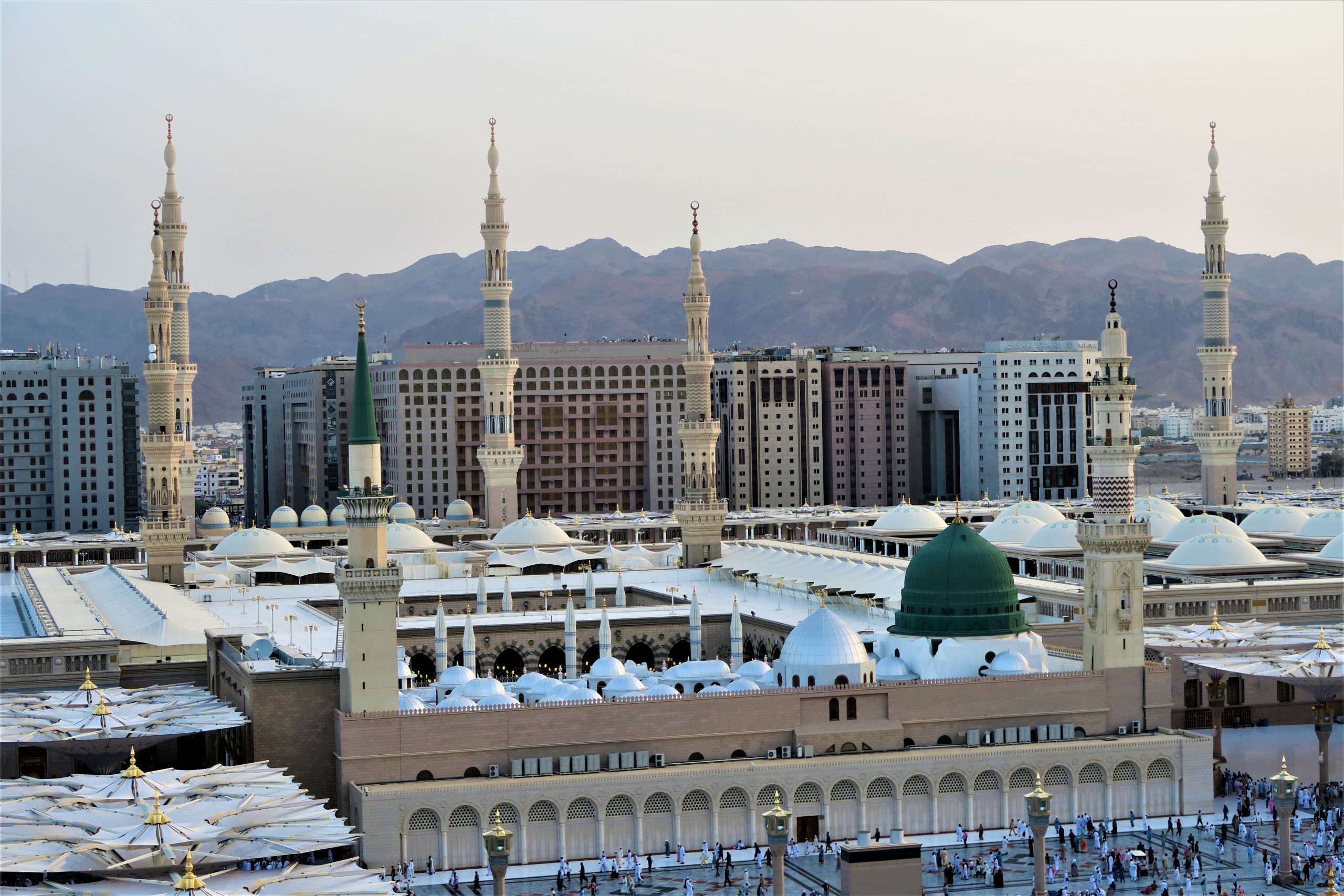
A Nikah is the Islamic marriage contract.
It is often held with family present, and a reception follows separately.
Faisu held the Nikah in Madinah on the day announced, October 10.
The photographs show Masjid al-Munawwarah in the background, according to Siasat.
A Mumbai reception is reportedly planned for October 19.
Faisu said that the entire family was present at the ceremony, according to India TV.
The photographs show the Nikah in front of Roza-e-Rasool, according to a caption shared by photographer Daniyal Chaudhry.
Siasat reported that the photos show Masjid al-Munawwarah in the background.
Siasat reported that Faisu wore a white sherwani, and that the bride wore a white gharara with a red dupatta and gold jewellery.
Faisu’s announcement did not name the bride, and the reports name her differently.
India TV and a caption shared by the photographer name the bride as Tanya, while Siasat names the bride as Nikhat.
A wedding card that went viral earlier had also used the name Tanya, according to India TV, and the reports do not explain the difference.
India TV reported that the marriage had the consent of both families, and that little else about the bride has been made public.
Faisu reportedly plans a large reception in Mumbai on October 19, according to Siasat, while India TV said only that a grand reception was expected soon.
Faisu became famous during the lockdown through viral TikTok videos and built a career as a content creator, according to the Free Press Journal.
Faisu has appeared on the reality shows Khatron Ke Khiladi, Jhalak Dikhhla Jaa 10 and The 50, according to the same report.
Faisu has 33.5 million followers on Instagram, according to the Free Press Journal.
Shreya Kalra, the winner of Lock Upp Sach Ya Sazaa, wrote Mubarak ho on the post, and actress Ayesha Khan wrote Mabrook.
Al-Masjid an-Nabawi, Madinah (file image), Wikimedia Commons, CC0
Entertainment
What are state honours? Maharashtra’s funeral for Nana Patekar explained
Veteran actor and filmmaker Nana Patekar died on October 8 at the age of 75, and the Maharashtra government announced that the funeral will be held with full state honours.
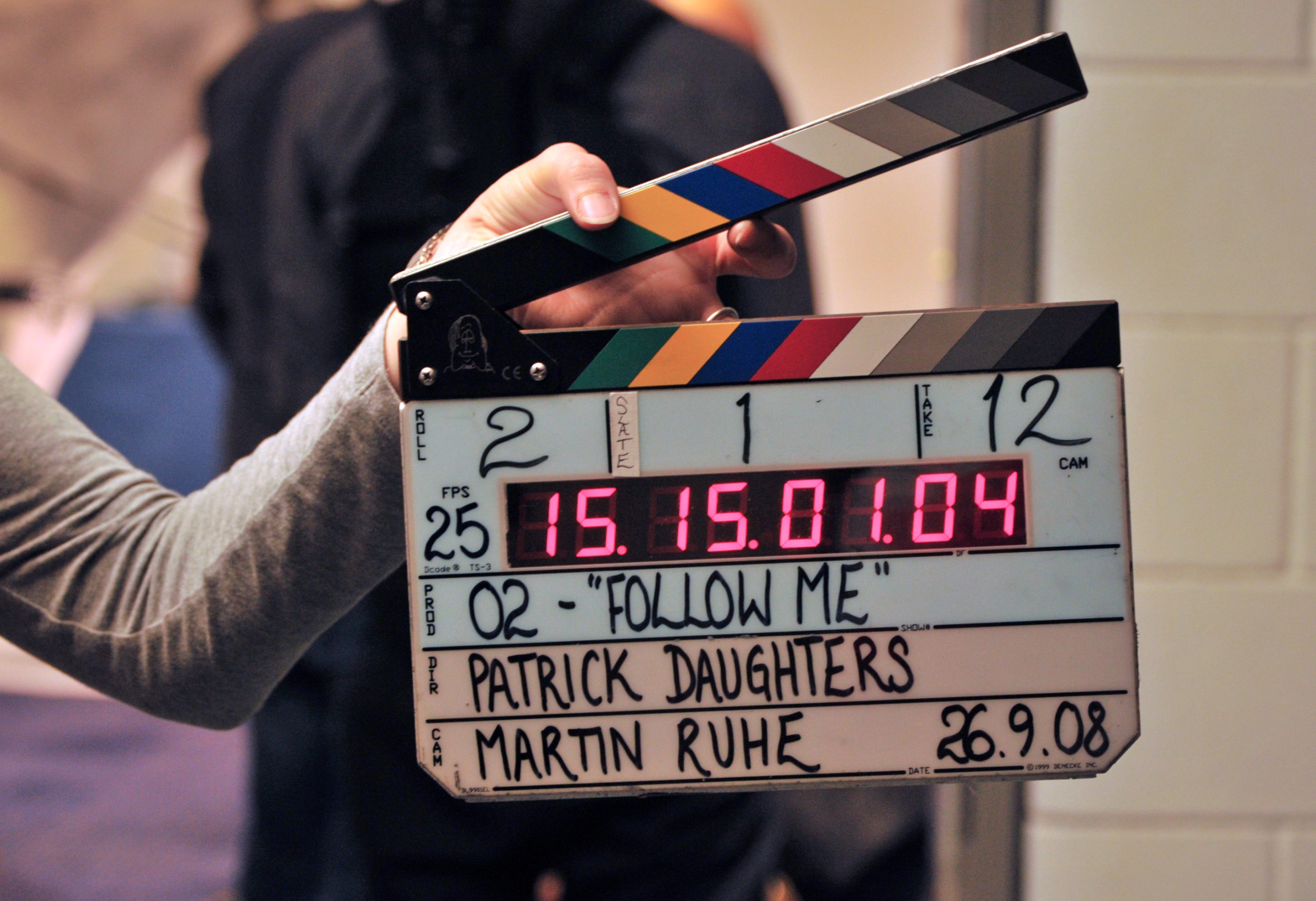
The Maharashtra government announced that Nana Patekar’s funeral will be held with full state honours.
State honours in India usually include a guard of honour and a gun salute at the cremation.
The final rites were likely to be held at a farmhouse in Donje near Pune, according to PTI.
Reports on the timing varied.
Patekar died on October 8 at the age of 75.
Shelar cited Patekar’s contribution to Marathi theatre and to both Marathi and Hindi cinema.
Chief Minister Devendra Fadnavis also said that the funeral would be held with full state honours, according to Bollywood Hungama.
Fadnavis called the loss a big loss, according to reports.
According to the Press Trust of India, the final rites were likely to be held at the family farmhouse in Donje, near Pune.
Reports on the timing of the final rites varied, so readers should check later coverage for the final arrangements.
Patekar’s film career spanned nearly five decades in Hindi and Marathi cinema, and began with the 1978 Hindi film Gaman.
Patekar was acclaimed for films including Parinda and Krantiveer, according to NBC News.
The performer worked in both mainstream Bollywood and India’s parallel cinema.
Patekar’s international profile grew through Mira Nair’s Oscar-nominated Salaam Bombay!, according to NBC News.
Patekar won three National Film Awards and was awarded the Padma Shri in 2013.
Recent work included The Vaccine War in 2023, Ole Aale and Vanvaas in 2024, Housefull 5 in 2025 and O’Romeo in 2026, according to Onmanorama.
Patekar’s final film was Subedaar, in which Patekar reunited with Anil Kapoor in a special cameo as Nana Waghmare, according to Onmanorama.
Prime Minister Narendra Modi praised Patekar’s intensity, individuality and unmistakable presence as an actor, according to NBC News.
Modi wrote on X that Patekar brought remarkable versatility to every role, according to the same report.
Film clapperboard (representative image), Wikimedia Commons, CC BY 2.0
Entertainment
Anant Nag receives Dadasaheb Phalke Award at National Film Awards
President Droupadi Murmu presented the 72nd National Film Awards at Ekta Nagar, Gujarat, on September 22, the first time the ceremony was held outside Delhi; Article 370 won Best Feature Film and Yami Gautam won Best Actress.
Veteran Kannada actor Anant Nag received the Dadasaheb Phalke Award for 2024 at the 72nd National Film Awards.
It is the highest honour in Indian cinema.
The ceremony was held at Ekta Nagar, Gujarat, on September 22.
President Droupadi Murmu presented the awards to 92 winners in total.
It was the first time the ceremony was held outside Delhi.
Yami Gautam won the Best Actress in a Leading Role award for Article 370.
Actor Randeep Hooda was honoured with the Best Debut Director award for Swatantrya Veer Savarkar.
Bhangaar won the Best Non-Feature Film award.
Ram-Nami was selected as the Best Documentary.
Veteran Kannada actor Anant Nag received the Dadasaheb Phalke Award for 2024, the highest honour in Indian cinema.
President Murmu felicitated a total of 92 winners at the ceremony.
The National Film Awards are given annually by the Directorate of Film Festivals, part of the Ministry of Information and Broadcasting.
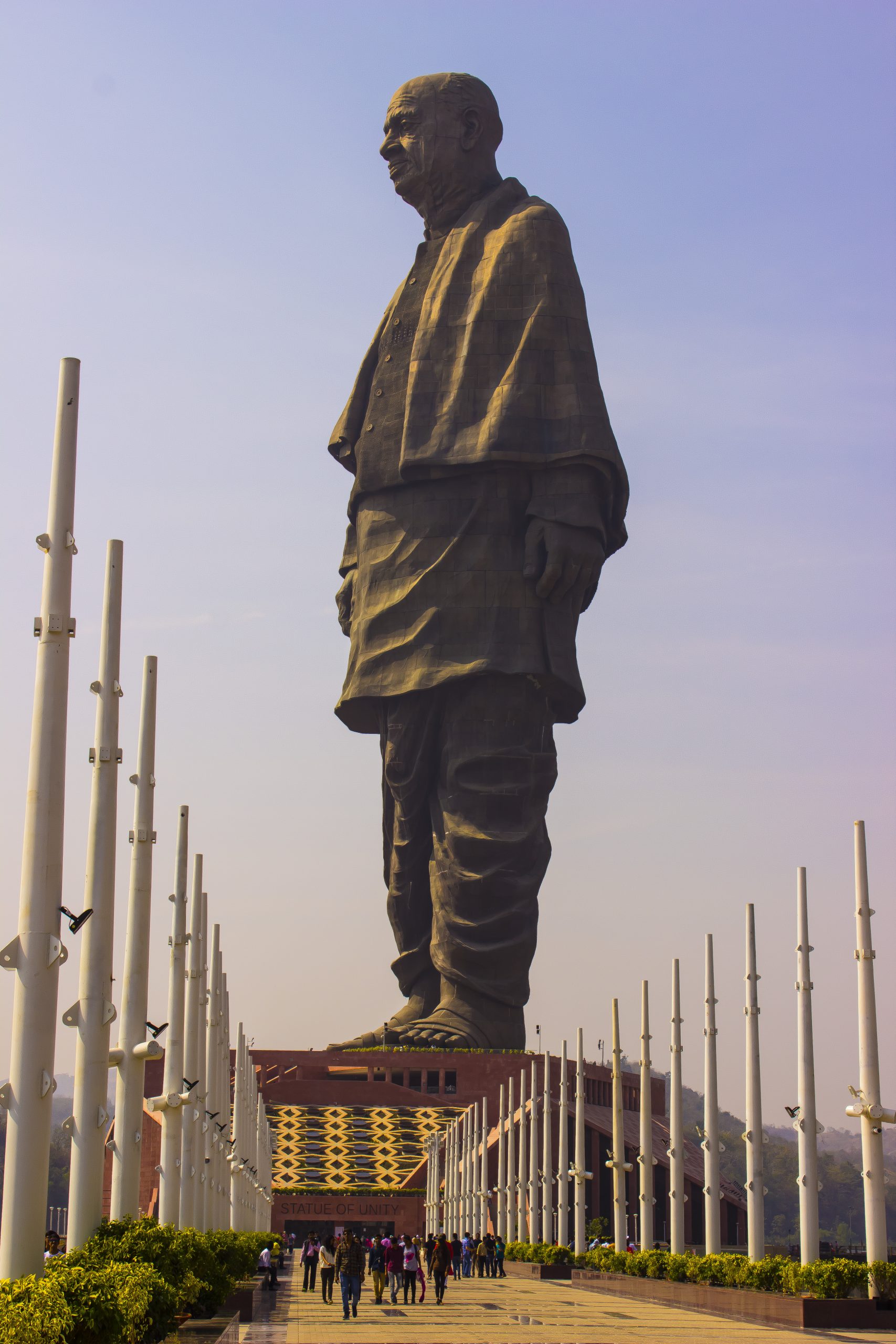
Holding the ceremony at Ekta Nagar, home to the Statue of Unity, marked a departure from the awards’ traditional Delhi venue.
The Gujarat Chief Minister was among those who joined President Murmu at the ceremony.
The National Film Awards recognise achievement across feature films, non-feature films and best writing on cinema, spanning multiple Indian languages.
The awards are decided by juries appointed by the Directorate of Film Festivals for each category.
Past ceremonies were traditionally held in New Delhi, often with the President of India as the chief guest.
The Statue of Unity, located at Ekta Nagar, is one of the tallest statues in the world and has become a major tourism and event venue in Gujarat.
Winners at the National Film Awards typically receive a certificate, a medal and a cash prize alongside the trophy.
The awards are among the oldest and most prestigious film honours in India, first instituted in the 1950s.
Statue of Unity, Ekta Nagar, Gujarat (representative image), Wikimedia Commons, CC BY-SA 4.0


Profile: Maniv Romeo, Also Known as Sikandar Kumar, and the Business Behind Shootup Media

What is a Nikah? The ceremony Mr Faisu held in Madinah

Arpit Agrawal Begins a New Chapter in Insurance Distribution After Nearly 25 Years in the Industry

Redfox Overseas: Customize Your Own Energy Drink and Stand Out in the Market

Zamzam Company CEO Chhote Bhai-Bade Bhai gave a grand welcome to Indian writer Devhari Sirvi in Dubai

Shikha Sharma: The Fashion Journalist, Blogger, and Plus-Size Model Taking the Industry by Storm
-
 Brandpost2 years ago
Redfox Overseas: Customize Your Own Energy Drink and Stand Out in the Market
-
 Brandpost2 years ago
Zamzam Company CEO Chhote Bhai-Bade Bhai gave a grand welcome to Indian writer Devhari Sirvi in Dubai
-
 Fashion2 years ago
Shikha Sharma: The Fashion Journalist, Blogger, and Plus-Size Model Taking the Industry by Storm
-
Entertainment2 years ago
Lucky Roxx’s “Yadav Ki Pukar” Goes Viral! Youth Celebrate Unity & Power
-

 Entertainment9 years ago
New Season 8 Walking Dead trailer flashes forward in time
-
Entertainment9 years ago
Meet Superman’s grandfather in new trailer for Krypton
-
Uncategorized2 years ago
Hello world!
-
 Brandpost2 years ago
From Local Hero to National Icon: Satyam Yadav’s Journey with TwentyOne