
Business
Two-day fall explained: Sensex has lost about 1,475 points since October 6
The Sensex fell 1,045 points to 71,593.24 and the Nifty lost 371 points to 22,231.80 on October 8 as Brent crude rose above $104, foreign investors kept selling and the RBI’s rate hike weighed on sentiment.

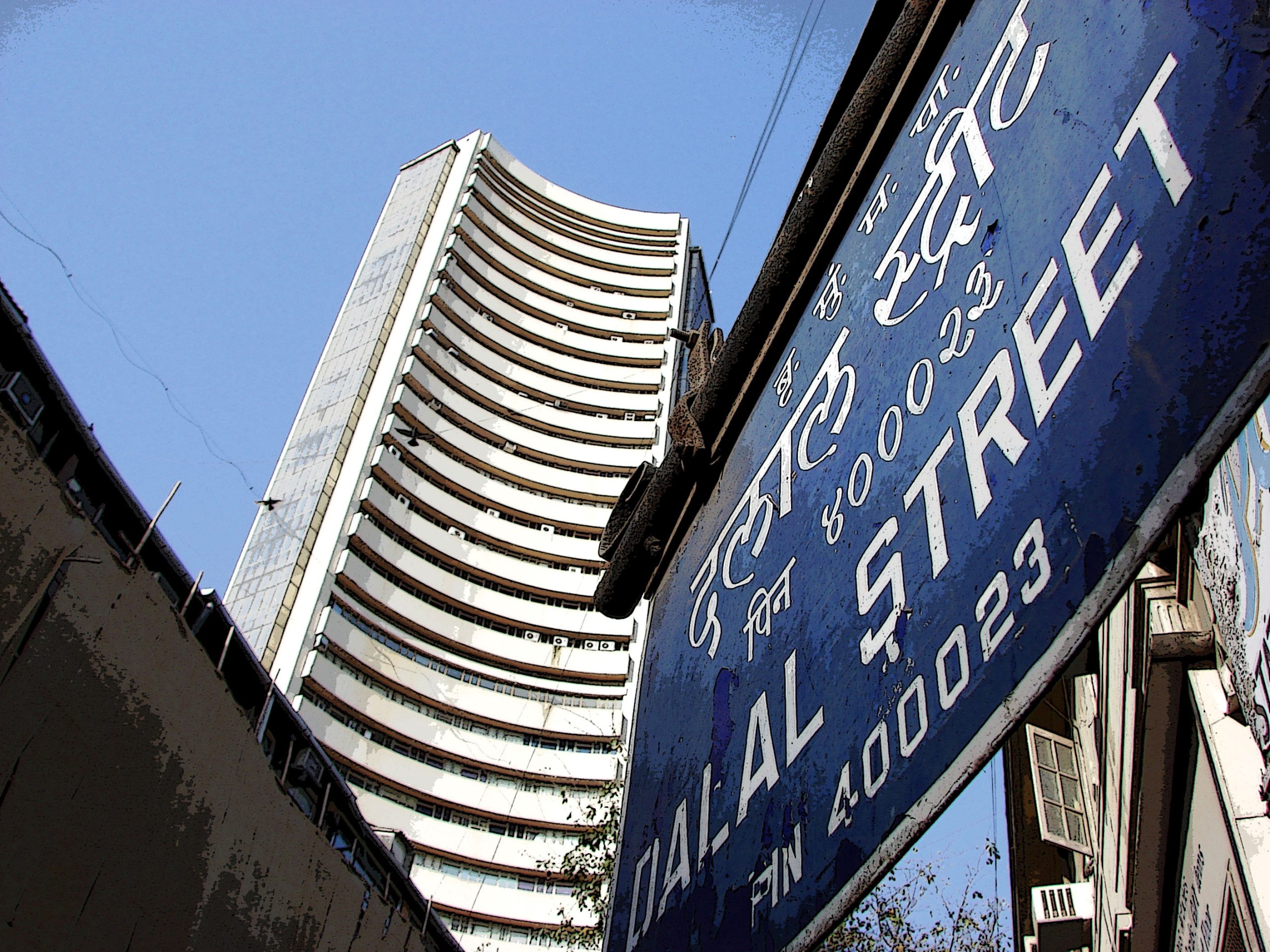
The Sensex closed at 73,067.81 on October 6.
It closed at 71,593.24 on October 8.
That is a fall of about 1,475 points in two sessions.
Oil, foreign selling and the RBI’s rate hike were the main factors.
This report is not investment advice.
The Nifty Metal index fell 3.55%, the Nifty Realty index fell 3.16% and the Nifty Oil and Gas index fell 2.52%.
Infosys, Tech Mahindra and Axis Bank were among the Nifty gainers.
Adani Enterprises, JSW Steel and ITC were among the biggest Nifty losers.
Brent crude was above $102 in early trade and stood at $104.47 a barrel in the afternoon, according to Kotak Neo.
WTI November futures were at $91.95 a barrel.
Business Standard’s close report carried the headline that oil tops $104 and that the volatility index jumped 10%.
Elevated crude prices were tied to Middle East supply concerns, attacks on ships in the Gulf and the Strait of Hormuz.
Rising US bond yields and persistent foreign institutional investor selling also weighed on the market.
The RBI had raised the repo rate by 25 basis points to 5.50% on October 7, its first hike since February 2023.
Kotak Neo said that the weak trend is likely to persist while oil stays elevated and foreign investors keep selling.
On October 6, the Sensex had closed at 73,067.81 and the Nifty at 22,776.10.
From that close, the Sensex has lost about 1,475 points in two sessions and the Nifty about 544 points.
On MCX, December gold futures were at Rs 1,49,300 per 10 grams, up 0.13%, and silver was at Rs 2,21,440 a kg, down 0.95%.
India imports most of the crude oil it uses, so a rise in global prices weighs on inflation and the rupee.
The India VIX measures expected volatility, and a jump in it means traders expect bigger swings.
Dalal Street, Mumbai (file image), Wikimedia Commons, CC BY-SA 3.0










Business
US sanctions on Indian firms explained: Allegations, scope and next steps
The US State Department has sanctioned two Mumbai-based companies and five Indian nationals over alleged dealings in Iranian petroleum products, as part of a wider action against 10 entities, six individuals and five vessels.
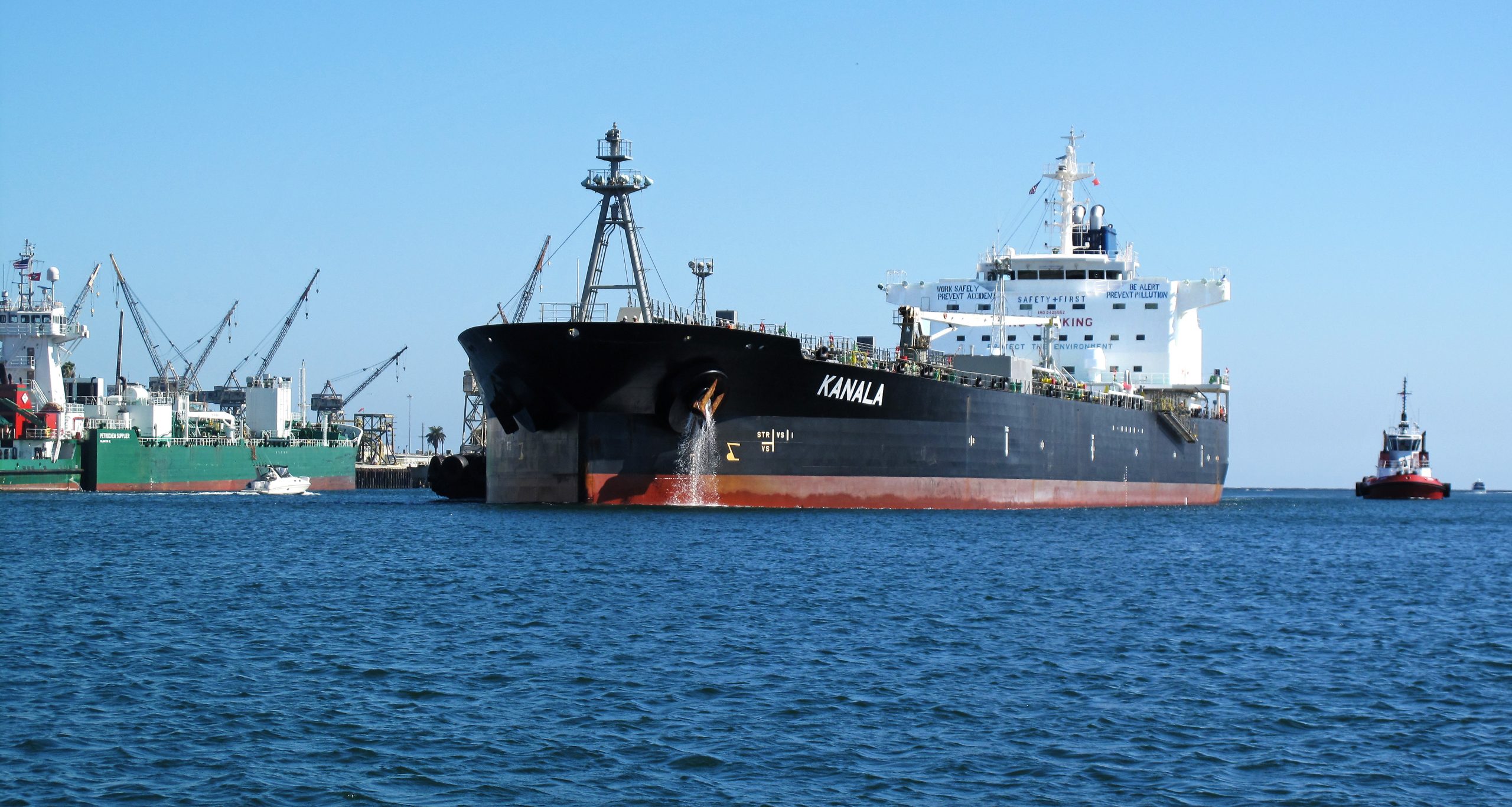
The US alleges that two Mumbai firms facilitated imports of Iranian petroleum products.
These are allegations, and the reports carried no response from the firms.
Five Indian nationals linked to the firms are also sanctioned.
Samudra Marine Services has until October 23 to wind down.
The Indian government has not commented in the reports.
The five Indian nationals are linked to the two companies and are blocked from transactions related to their respective firms.
This report does not name the individuals, because the reports describe allegations only.
The State Department’s overall action covered 10 entities, six individuals and five vessels tied to Iranian-origin petroleum, petroleum products and petrochemical products.
The department says that the entities channelled millions of dollars to Iran.
The US Treasury Department separately sanctioned 17 entities and their shadow fleet vessels.
Samudra Marine Services has been authorised to carry out wind-down transactions until October 23, 2026.
The action is part of Operation Economic Outcast, a US campaign to cut off Iran’s oil revenue.
A shadow fleet generally means vessels used to move sanctioned oil outside normal shipping oversight.
The Tribune’s report, based on PTI, did not carry a statement from the Indian government or the Ministry of External Affairs.
Coverage noted that the sanctions could affect India’s energy interests, despite recent limited resumptions of Iranian oil purchases, according to The Daily Jagran.
US sanctions can block the sanctioned persons’ assets under US jurisdiction and bar US persons from dealing with them.
Companies outside the US can face secondary consequences if they deal with sanctioned entities.
Brent crude was trading above $100 a barrel this week amid supply concerns in the Middle East.
On the same day, Indian shares fell sharply as Brent rose above $104 a barrel.
The figures for the total number of entities and vessels vary by agency, so readers should check the official State and Treasury releases.
Oil products tanker (representative image), Wikimedia Commons, CC BY-SA 4.0
Business
GST reforms explained: Arrest, prosecution and penalties
The 57th GST Council meeting on October 8 decided on no broad rate changes but on removing arrest powers, raising the prosecution threshold from Rs 1 crore to Rs 5 crore and widening input tax credit, with most changes needing amendments before they take effect.
Section 69 of the GST law gives officers the power to arrest, and the Council decided to omit it.
The prosecution threshold under Section 132 rises from Rs 1 crore to Rs 5 crore.
The general penalty falls from Rs 25,000 to Rs 10,000.
A minimum Rs 10,000 threshold applies for show-cause notices.
The changes need amendments before taking effect.
The general penalty under Section 125 would fall from Rs 25,000 to Rs 10,000.
In non-fraud cases, a 5% penalty would apply if tax and interest are paid within 30 days of the order under Section 73 or 60 days under Section 74A.
A minimum Rs 10,000 threshold would apply for show-cause notices under Sections 73, 74 and 74A.
Pending cases below that amount would be decided as if the threshold applied from the start.
Pre-deposit for appeals against penalty alone would be capped at Rs 40 crore.
Vehicles can be stopped for inspection only on specific intelligence, authorised by an officer of Joint Commissioner rank or above, according to Whalesbook.
Inspection and seizure would be limited to the supplier’s or recipient’s state, with no interception in transit states, according to TaxO.
Restrictions on input tax credit under Section 17(5) would be removed for outdoor catering, health and life insurance, telecom towers, pipelines laid outside factories, free samples, and goods destroyed or written off on expiry.
Most registration amendments would be auto-accepted, except changes to the principal place of business for taxpayers who are not low risk.
No broad rate cuts were made, and the changes are targeted clarifications, exemptions and reverse charge extensions, according to TaxO.
From November 1, 2026, credit on input services becomes refundable under the inverted duty structure, according to TaxO.
From April 1, 2027, credit on capital goods becomes refundable, spread over 60 months, according to the same report.
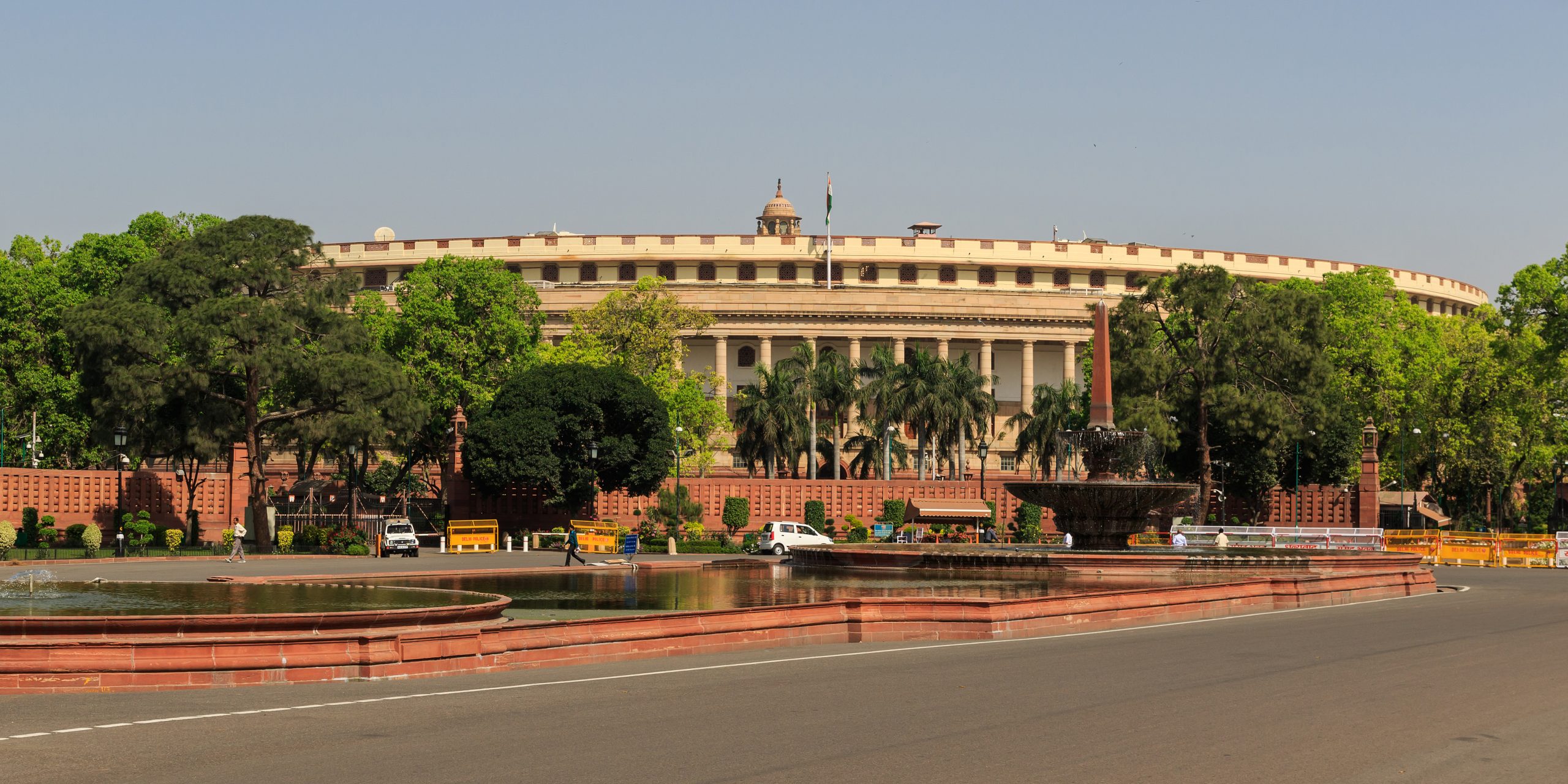
Government buildings, New Delhi (file image), Wikimedia Commons, Free Art License
Business
Crude above $100 again: What it means for India
Brent crude moved back above $100 a barrel on October 7 after attacks on two Saudi airports in the south, one near an Aramco refinery, revived supply fears, even as Saudi Arabia said East-West pipeline flows had recovered to 5.8 million barrels a day.
Brent crude rose above $100 a barrel on October 7.
India imports most of the crude oil it uses.
Higher prices add to inflation and to pressure on the rupee.
Indian shares fell on October 8 as crude rose by nearly 3%.
The RBI raised the repo rate on October 7.
Saudi Arabia’s General Authority of Civil Aviation said that attacks hit the airports in Jazan and Najran on Monday evening, October 5.
Three people were wounded in the attacks on the two airports near the Yemen border, according to Al Jazeera and Turkiye Today.
The authority did not say who carried out the attacks.
Jazan is home to a 400,000 barrel a day Aramco refinery, according to OilPrice.com.
The Houthis, a Yemen-based group, have claimed other strikes on Saudi targets, but these claims have not been independently verified in the reports.
Saudi Energy Minister Prince Abdulaziz bin Salman said that flows through the East-West pipeline had recovered to 5.8 million barrels a day.
The minister’s statement countered reports that the pipeline had shut down again, according to OilPrice.com.
Vitol estimates that about 12 million barrels of crude and 2 million barrels of fuels leave the Persian Gulf each day, according to Reuters as cited by OilPrice.com.
Analysts at ING described a tug-of-war between improving regional supply and lingering threats, and said the market will stay nervous about disruptions.
Supertanker rates have been above $1 million a day, with costs also rising for smaller vessels, according to Sparta Commodities as cited by OilPrice.com.
A Gulf storm that threatened US output was another factor in the rebound, according to FX Empire.
A G7 release of 100 million barrels of crude and diesel from emergency stocks had been announced earlier in the week.
On October 6, Brent had slipped to around $99.9 a barrel, and on October 8 crude oil rose by nearly 3% as Indian shares fell.
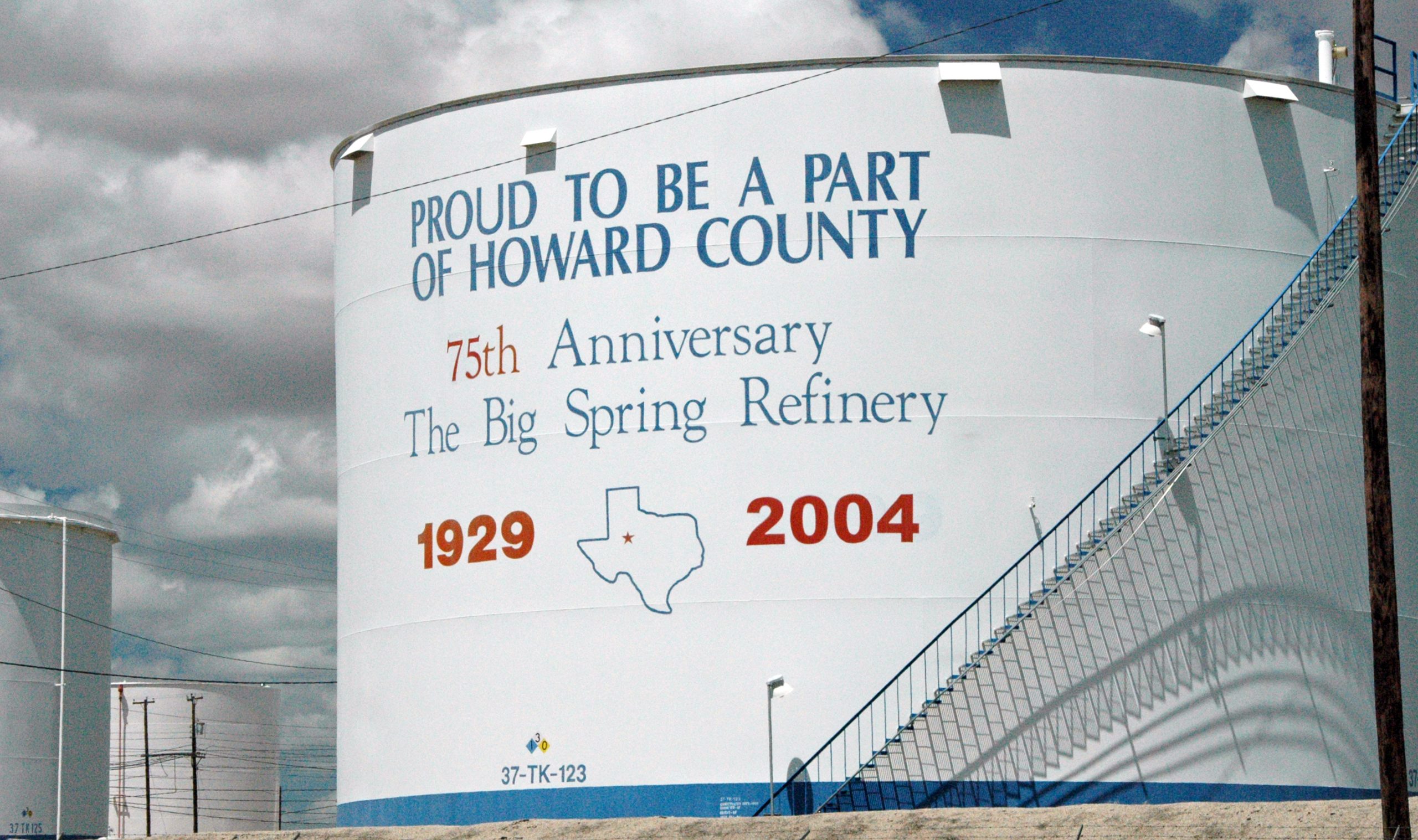
Oil refinery (representative image), Wikimedia Commons, CC BY 2.0


Book Review: ‘The River Remembers’ by Omi Yadav

US sanctions on Indian firms explained: Allegations, scope and next steps

Delhi protest explained: Why the capital is on high alert

Redfox Overseas: Customize Your Own Energy Drink and Stand Out in the Market

Zamzam Company CEO Chhote Bhai-Bade Bhai gave a grand welcome to Indian writer Devhari Sirvi in Dubai

Shikha Sharma: The Fashion Journalist, Blogger, and Plus-Size Model Taking the Industry by Storm
-
 Brandpost2 years ago
Redfox Overseas: Customize Your Own Energy Drink and Stand Out in the Market
-
 Brandpost2 years ago
Zamzam Company CEO Chhote Bhai-Bade Bhai gave a grand welcome to Indian writer Devhari Sirvi in Dubai
-
 Fashion2 years ago
Shikha Sharma: The Fashion Journalist, Blogger, and Plus-Size Model Taking the Industry by Storm
-
Entertainment2 years ago
Lucky Roxx’s “Yadav Ki Pukar” Goes Viral! Youth Celebrate Unity & Power
-

 Entertainment9 years ago
New Season 8 Walking Dead trailer flashes forward in time
-
Entertainment9 years ago
Meet Superman’s grandfather in new trailer for Krypton
-
Uncategorized2 years ago
Hello world!
-

 Brandpost2 years ago
From Local Hero to National Icon: Satyam Yadav’s Journey with TwentyOne