Environment
Buxa Tiger Reserve gets its first tiger under reintroduction plan
A three-year-old tigress, T138, brought from Bihar’s Valmiki Tiger Reserve was released in West Bengal’s Buxa Tiger Reserve on October 2, starting the state’s first tiger reintroduction programme.

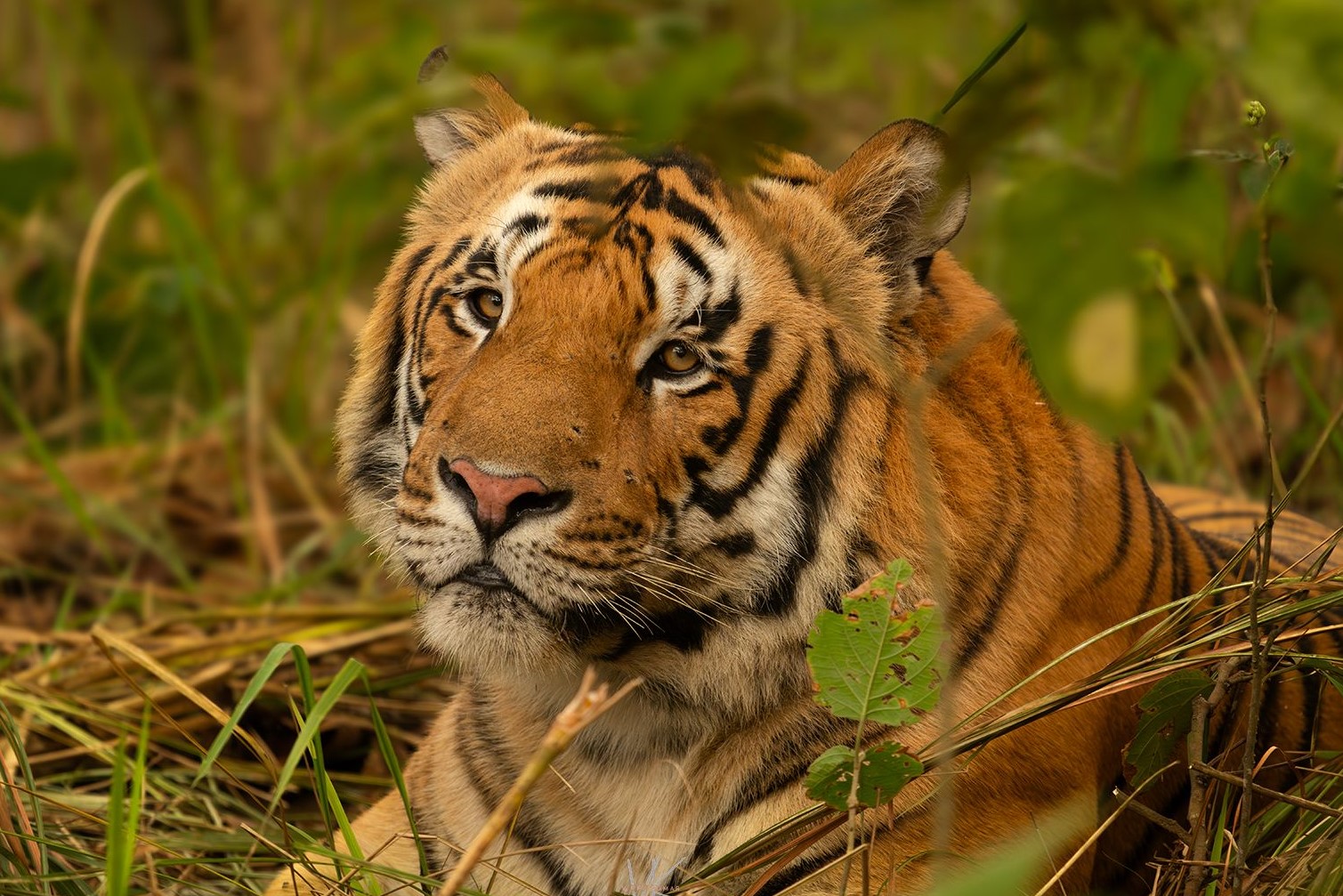
Buxa Tiger Reserve in Alipurduar district received tigress T138 on October 2.
She was released into the core zone.
She came from Bihar’s Valmiki Tiger Reserve.
Union Environment Minister Bhupender Yadav and Chief Minister Suvendu Adhikari took part.
A tourism centre is planned on about 2,000 acres near Jayanti, according to the Chief Minister.
She was then flown to north Bengal and reached Buxa on Wednesday, ahead of the October 2 release.
The release marks the start of West Bengal’s first tiger reintroduction programme.
The project is run by the West Bengal Forest Department with the National Tiger Conservation Authority, or NTCA.
Buxa had no resident tigers before the release, although a camera trap had recorded a tiger that was believed to have entered from Assam or Bhutan.
Chief Minister Adhikari said three more tigers would be released in the next two months, according to the Free Press Journal.
Forest Minister Manoj Kumar Oraon said six tigers in all would be introduced in phases, with five more over the next three years, in 2027, 2028 and 2029.
Other reports said more tigers were expected from Assam’s Manas or Kaziranga reserves.
The reports differ on the pace of the later releases, with the two ministers describing different timetables.
The Chief Minister also announced a tourism centre planned on about 2,000 acres near Jayanti, according to the Free Press Journal.
The release date had been pushed back from an earlier plan because of the monsoon and delays in relocating villages inside Buxa.
Buxa Tiger Reserve lies in the Alipurduar district of north Bengal, close to the borders with Assam and Bhutan.
Reintroduction means releasing animals into an area where the species has disappeared, with the aim of building a population that can sustain itself.
A tiger translocation involves capturing and tranquilising the animal, moving it, and releasing it under monitoring in the new habitat.
Bengal tigress at Pilibhit Tiger Reserve (representative image), Wikimedia Commons, CC0




Free Forever Vector Database Platforms for Building AI Applications in 2026

Karnataka drought explained: Taluks, rain deficit and crop damage

Buxa Tiger Reserve gets its first tiger under reintroduction plan

Redfox Overseas: Customize Your Own Energy Drink and Stand Out in the Market

Zamzam Company CEO Chhote Bhai-Bade Bhai gave a grand welcome to Indian writer Devhari Sirvi in Dubai

Shikha Sharma: The Fashion Journalist, Blogger, and Plus-Size Model Taking the Industry by Storm
-
 Brandpost2 years ago
Redfox Overseas: Customize Your Own Energy Drink and Stand Out in the Market
-
 Brandpost2 years ago
Zamzam Company CEO Chhote Bhai-Bade Bhai gave a grand welcome to Indian writer Devhari Sirvi in Dubai
-
 Fashion2 years ago
Shikha Sharma: The Fashion Journalist, Blogger, and Plus-Size Model Taking the Industry by Storm
-
Entertainment2 years ago
Lucky Roxx’s “Yadav Ki Pukar” Goes Viral! Youth Celebrate Unity & Power
-

 Entertainment9 years ago
New Season 8 Walking Dead trailer flashes forward in time
-
Entertainment9 years ago
Meet Superman’s grandfather in new trailer for Krypton
-
Uncategorized2 years ago
Hello world!
-

 Brandpost2 years ago
From Local Hero to National Icon: Satyam Yadav’s Journey with TwentyOne