Connect with us

Politics

Cabinet approves Rs 84,084 crore offshore exploration scheme Samudra Manthan

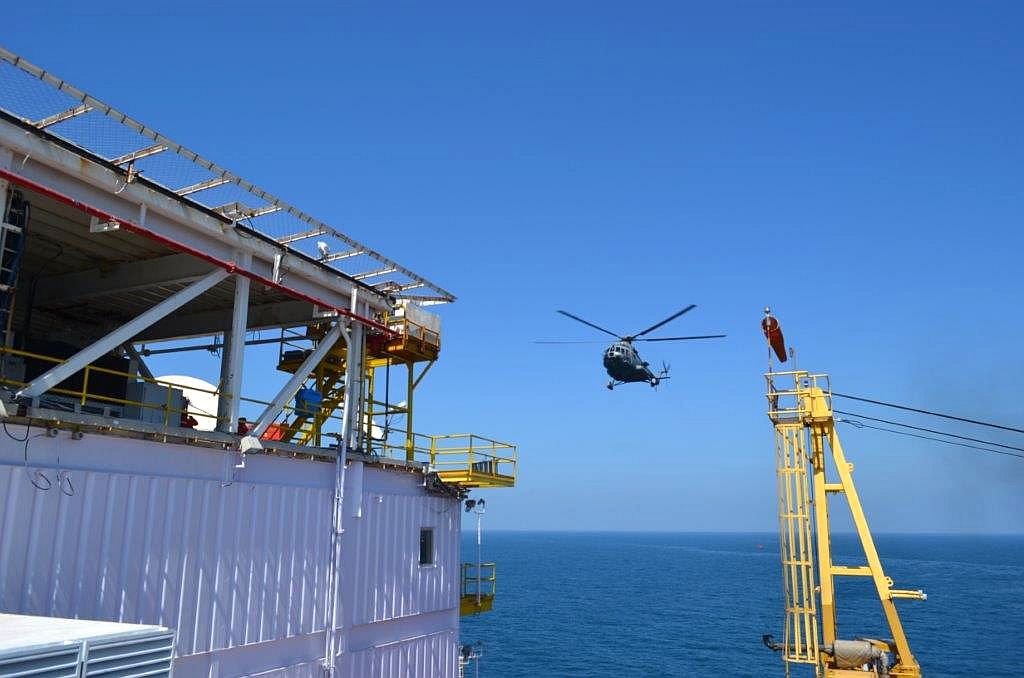
The Union Cabinet has approved the Rs 84,084 crore Samudra Manthan scheme to expand offshore oil and gas exploration in India through FY2030-31.
Published

on

The Union Cabinet, headed by Prime Minister Narendra Modi, approved the ‘Samudra Manthan’ National Offshore Exploration Scheme on Thursday, July 31, 2026, with a total outlay of Rs 84,084 crore for implementation through FY2030-31.

The Central Sector Scheme, to be run by the Ministry of Petroleum & Natural Gas, aims to catalyse reserve accretion of more than 600 million metric tonnes of oil equivalent while expanding offshore exploration and domestic production.

More than Rs 43,200 crore of the outlay is set aside for deep-sea and ultra-deep-sea drilling over five years through 2031, with support of up to Rs 650 crore per well in deepwater and ultra-deepwater zones, where drilling can cost Rs 950 crore to Rs 2,400 crore per well.

The scheme further allocates Rs 10,000 crore for common infrastructure, Rs 28,534 crore for offshore data acquisition, and Rs 2,000 crore for oil and gas manufacturing and services zones.

Union minister Ashwini Vaishnaw called the scheme a ‘major game-changer’ that would help India substantially raise domestic production and conserve foreign currency spent on crude oil imports.

The scheme is also expected to create large-scale employment as exploration activity picks up across India’s offshore basins in the coming years, officials said.

India currently imports a large share of its crude oil requirement, a dependence successive governments have sought to reduce through incentives for domestic exploration and production.

The petroleum ministry has previously run rounds of offshore acreage auctions under the Open Acreage Licensing Policy, aimed at drawing both public and private sector investment into exploration blocks.

Deep-sea and ultra-deep-sea drilling is considered technically demanding and capital-intensive, which is why the scheme sets aside dedicated funding specifically for wells in those zones.

The scheme’s data acquisition component is intended to help identify new sedimentary basins and improve the accuracy of reserve estimates before companies commit to expensive drilling programmes.

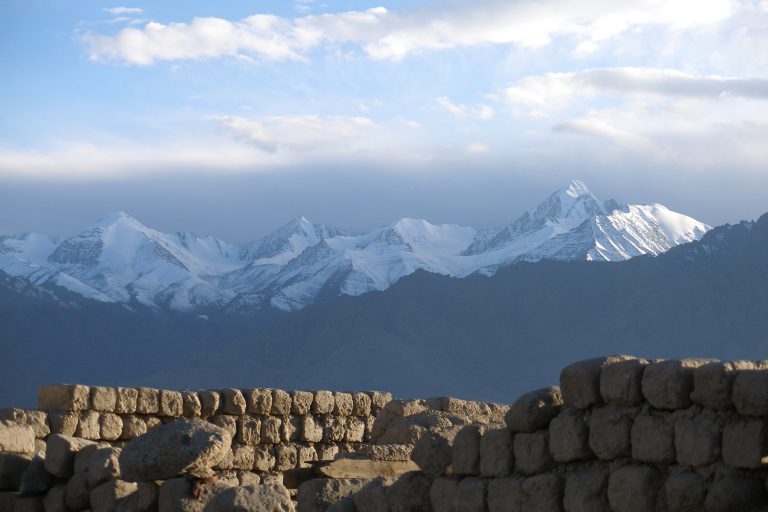
Photo: Indian Navy, Wikimedia Commons, GODL-India

Continue Reading
Click to comment

Leave a Reply

Your email address will not be published. Required fields are marked *

Politics

Kharge, Nadda trade barbs in Rajya Sabha over police action

Mallikarjun Kharge and JP Nadda traded barbs in the Rajya Sabha on Wednesday over police action against protesters.

Published

on

Rajya Sabha chamber (representative image)

Congress president Mallikarjun Kharge and BJP leader JP Nadda traded barbs in the Rajya Sabha on Wednesday over police action against student protesters.

Kharge pointed to an attempt by a Delhi Police team to detain SFI leader Aishe Ghosh from the CPM’s AKG Bhavan office on Tuesday, calling it “very shameful” that police would “barge into a national party office and try to arrest.”

“I request you, people who have gone there unauthorised, they should be punished,” Kharge told the House, adding, “Democracy is not safe, people are not safe.”

Nadda, in his capacity as Leader of the House, defended the police action, calling it “a very normal law and order situation that we have to understand,” and insisting police had “acted according to the law and order situation.”

He added that “any student who is into activism will have to face such a situation,” citing his own arrest as a student activist during the Emergency.

The exchange follows the July 20 ‘Sansad Chalo’ march, when protesters affiliated with the Cockroach Janta Party marched from Jantar Mantar towards Parliament over alleged exam paper leaks.

The march turned confrontational after security personnel tried to stop it, with reports of lathi-charge and tear gas shelling during the clashes.

The protests eventually led to the resignation of Union Education Minister Dharmendra Pradhan on July 25, following weeks of demonstrations over exam-related concerns.

The exchange in the Rajya Sabha came as the Lok Sabha continued to debate the Public Examinations (Prevention of Unfair Means) Amendment Bill, intended to strengthen action against paper leak rackets.

The Public Examinations (Prevention of Unfair Means) Amendment Bill, which proposes stricter penalties including imprisonment of up to 10 years and fines of up to Rs 50 lakh for organised paper leak rackets, has been under discussion in the Lok Sabha through the week.

(Image: Ministry of Parliamentary Affairs, Government of India (GODL-India), via Press Information Bureau)

Continue Reading

Politics

Anti-paper leak bill sees Lok Sabha debate, passage due Wednesday

The anti-paper leak amendment bill saw a Lok Sabha debate today, moved by Union Minister Jitendra Singh, with passage due Wednesday.

Published

on

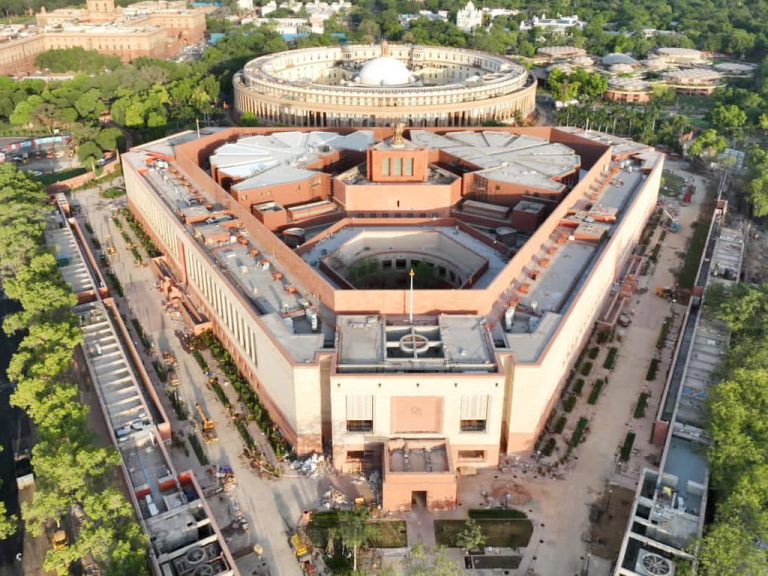
New Parliament Building, New Delhi

The Public Examinations (Prevention of Unfair Means) Amendment Bill, 2026, saw a Lok Sabha debate today after being moved by Union Minister Jitendra Singh.

The bill amends the Public Examinations (Prevention of Unfair Means) Act, 2024, and includes seven key changes meant to strengthen anti-paper-leak laws.

One of the proposed provisions would let state governments and Union Territory administrations designate any Court of Session as a Special Fast Track Court to try offences under the Act.

These courts would be required to sit daily, with trials to be completed within three months of the chargesheet being filed.

Singh described the bill as milestone legislation, pointing to the 2024 Act as the first law of its kind in independent India targeting exam fraud.

The debate stretched from the afternoon into the evening, with passage of the bill now expected on Wednesday.

The debate in the Lok Sabha took place against the backdrop of continuing protests and disruptions in Parliament over the NEET-UG paper leak controversy, which had dominated much of the Monsoon Session’s proceedings in the preceding days.

The 2024 Act that the current bill seeks to amend had itself been introduced following a series of high-profile examination paper leaks that affected recruitment and entrance tests across multiple states and central agencies.

Once passed, the amended law would apply to public examinations conducted by central government agencies as well as those falling under the ambit of the original 2024 legislation, extending the reach of the fast-track court provisions nationally.

The debate follows the Union Cabinet’s approval last week of tougher paper-leak penalties, which had proposed a jail term of up to 10 years and a fine of up to Rs 10 crore for those involved in organised examination paper leaks.

The original Public Examinations (Prevention of Unfair Means) Act, 2024, was enacted after national outrage over the NEET-UG and UGC-NET paper leaks that year, and this amendment marks the first major revision to that law.

(Image: Ministry of Parliamentary Affairs / PIB (GODL-India))

Continue Reading

Politics

Cabinet approves stricter anti-paper leak bill ahead of Parliament vote

The Cabinet has approved a stricter anti-paper leak bill with up to 10 years’ jail and a Rs 10 crore fine, ahead of a likely Parliament vote on Monday.

Published

on

New Parliament Building, New Delhi

The Union Cabinet approved a stricter anti-paper leak bill on Friday, hours after Prime Minister Narendra Modi announced the government’s plan to act.

The bill amends the Public Examinations (Prevention of Unfair Means) Act, 2024, and increases the minimum prison term for paper-leak convictions from three to five years.

For organised paper leaks, the bill proposes a jail term of up to 10 years and a fine of up to Rs 10 crore.

The move follows the 2024 NEET-UG and UGC-NET paper leak controversies, which had prompted the original Act.

The bill is likely to come up for consideration and passing in Parliament on Monday.

(Image: Ministry of Parliamentary Affairs / PIB (GODL-India))

Continue Reading

Trending