Connect with us

Government

Assam government disburses Rs 146 crore in flood relief so far

Assam’s government has disbursed Rs 146.26 crore in interim flood relief to nearly 97,000 families, with Chief Minister Himanta Biswa Sarma pledging full compensation before Durga Puja.
Published

on

Assam’s state government has disbursed Rs 146.26 crore in interim flood relief so far, providing Rs 15,000 each to 96,842 affected families across the state.

Chief Minister Himanta Biswa Sarma has said the government is aiming to complete full compensation for flood-hit families before Durga Puja this year.

A few thousand more families are expected to receive the same interim assistance shortly as the state completes its outreach across the worst-affected districts.

For families of those who died in the floods, the government has said the process of providing financial assistance of Rs 9 lakh to next of kin is continuing.

Separately, the state has extended relief on bank loan instalment repayment for flood-affected borrowers, with applications open until August 31 and 1,712 people already availing themselves of the measure.

Preliminary damage assessments put total losses at around Rs 480 crore so far, with the final figure expected to rise as evaluations in the worst-hit districts continue.

For families of those who died in the floods, the state government has said the process of providing financial assistance of Rs 9 lakh to next of kin is continuing.

Chief Minister Himanta Biswa Sarma has personally reviewed restoration work in several of the worst-affected districts as part of the state’s response to the disaster.

Assam’s preliminary damage assessment has put total losses at around Rs 480 crore, with 26,681 houses affected across the state, though the final figure is expected to rise as evaluations continue.

Rapid damage assessment work is under way in Charaideo, Sivasagar, Jorhat and Golaghat districts, with a second phase of assessment expected to conclude around mid-September.

The government has said it aims to release full flood damage compensation to affected families before Durga Puja this year.

Applications for relief on bank loan instalment repayment are being accepted until August 31, with 1,712 flood-affected individuals having already availed themselves of the measure.

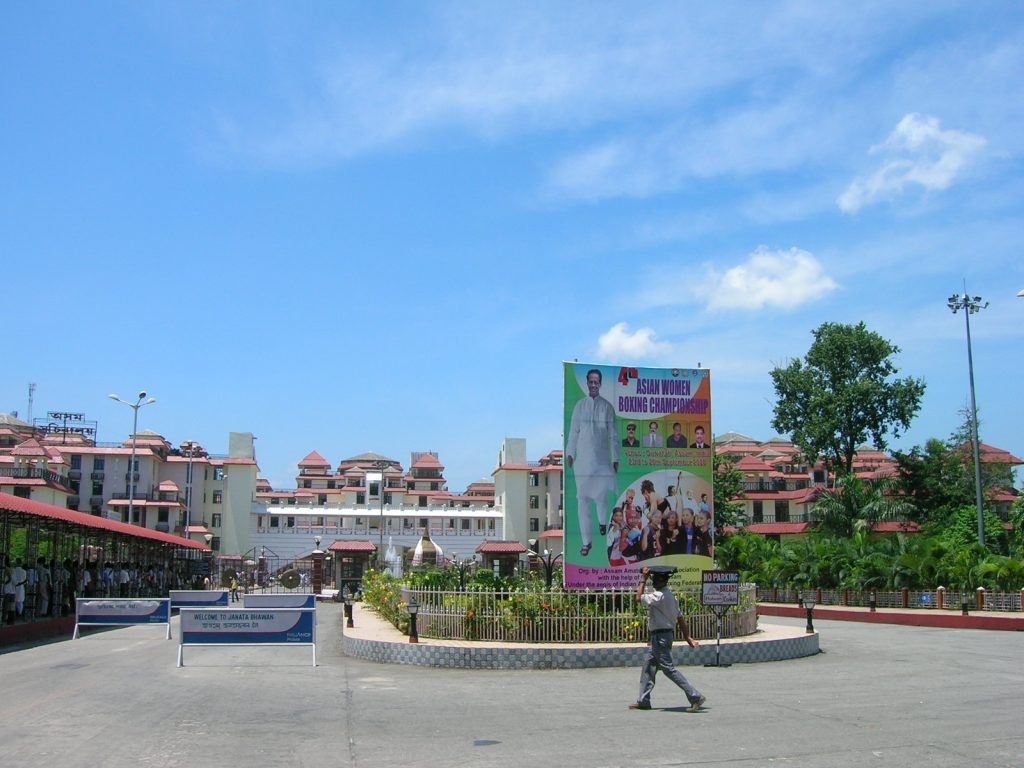
Photo by Mozzworld, Wikimedia Commons, CC BY-SA 4.0

Continue Reading
Click to comment

Leave a Reply

Your email address will not be published. Required fields are marked *

Government

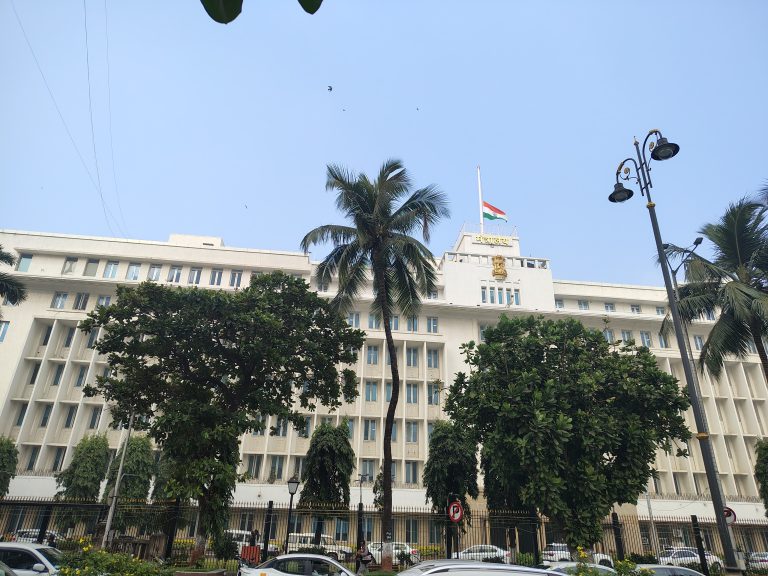
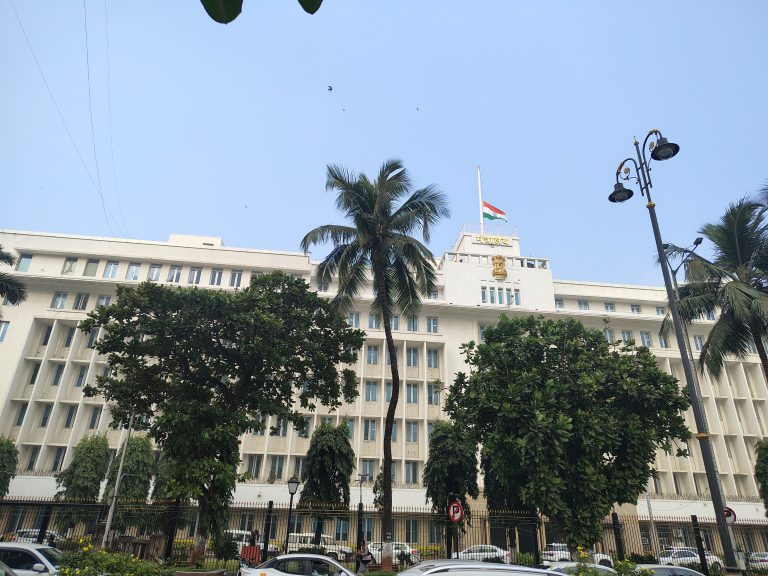
Parliament’s Monsoon Session remains unclosed 10 days after adjournment

Ten days after Parliament’s Monsoon Session was adjourned sine die on August 13, it has yet to be formally prorogued, fuelling speculation over pending legislation.

Published

on

Ten days after both Houses of Parliament were adjourned sine die on August 13, the Monsoon Session has yet to be formally prorogued.

The prorogation notification, which formally ends a parliamentary session, had not been issued as of Sunday, August 23, according to reports.

Under parliamentary procedure, a session stands adjourned sine die once business concludes, but it is formally over only when the President issues a notification proroguing both Houses.

The gap between adjournment and prorogation gives the government the option of reconvening the same session, rather than summoning an entirely new one, if it needs to pass additional legislation.

Speculation over the government’s next legislative move has centred on the delimitation-linked Women’s Reservation Bill, an issue Tamil Nadu Chief Minister C Joseph Vijay raised at the Southern Zonal Council meeting on August 21.

A prorogation notification is usually issued within three to four days of a session’s business concluding, making the current gap since the August 13 adjournment longer than the customary turnaround.

Parliament’s three main sessions in a calendar year are typically the Budget Session, the Monsoon Session, and the Winter Session, with the timing and length of each set by the government in consultation with the Cabinet Committee on Parliamentary Affairs.

A prorogation notification is usually issued within three to four days of a session’s business concluding, making the current gap since the August 13 adjournment longer than the customary turnaround.

Under parliamentary procedure, a session stands adjourned sine die once business concludes, but it is formally over only when the President issues a notification proroguing both Houses.

The gap between adjournment and prorogation gives the government the option of reconvening the same session, rather than summoning an entirely new one, if it needs to pass additional legislation.

Speculation over the government’s next legislative move has centred on the delimitation-linked Women’s Reservation Bill, an issue Tamil Nadu Chief Minister C Joseph Vijay raised at the Southern Zonal Council meeting on August 21.

Photo by Ministry of Parliamentary Affairs, Government of India / PIB, Wikimedia Commons, GODL

Continue Reading

Government

Supreme Court Special Lok Adalat concludes today, 400+ cases settled

The Supreme Court’s three-day Special Lok Adalat, part of the Samadhan Samaroh 2026 initiative, concludes today after settling over 400 cases on its opening day alone.

Published

on

The Supreme Court of India’s three-day Special Lok Adalat concludes today, wrapping up the Samadhan Samaroh 2026 initiative aimed at settling pending cases through consent.

More than 600 cases were listed before 16 Special Lok Adalat Benches on the opening day, August 21, with over 400 amicably settled, a resolution rate of roughly 67 percent.

Each bench comprised two sitting Supreme Court judges, working alongside senior advocates, advocates-on-record and other counsel to help parties reach settlements.

The cases taken up covered a wide range of matters, including matrimonial disputes, property disagreements, motor accident claims, land acquisition and compensation issues, tax disputes and service-related matters.

Samadhan Samaroh, whose full name is Supreme Court Action for Mediated Adjudication and Disputes Harmonization Across Nation, began on April 21, 2026, with the three-day Lok Adalat forming its concluding phase.

The event was held under the guidance of Chief Justice Surya Kant, reflecting the court’s broader push toward mediation as a tool for easing its litigation backlog.

The full name of the initiative is Supreme Court Action for Mediated Adjudication and Disputes Harmonization Across Nation, reflecting its focus on consent-based dispute resolution rather than adversarial litigation.

The event was organised under the guidance of Chief Justice Surya Kant, reflecting the court’s continued push toward mediation as a way of easing its litigation backlog.

Sixteen Special Lok Adalat Benches operated during the three-day event, each comprising two sitting Supreme Court judges alongside senior advocates, advocates-on-record and other counsel.

More than 600 cases were listed for settlement before the special benches on the opening day alone, with over 400 amicably resolved, a settlement rate of around 67 percent.

Case types taken up during the Lok Adalat spanned matrimonial disputes, property disagreements, motor accident claims, land acquisition and compensation issues, tax disputes, cheque disputes, and service and labour-related matters.

Photo by Subhashish Panigrahi, Wikimedia Commons, CC BY-SA 4.0

Continue Reading

Trending