
Brandpost
Before the Giant: The Untold Story of a Shepherd’s Secret


There’s a moment in every great story when the hero is just another person, unnoticed, untested, unknown. Before David was a warrior, a poet, or a king, he was something else entirely: a shepherd.
But what if those quiet years in the hills of Bethlehem weren’t just preparation? What if they were the real story, the place where his destiny was shaped long before he ever stood before Goliath?
This is the premise of The Shepherd’s Secret, the new novel by Issac Thomas.
Why This Story Works
Historical fiction succeeds when it makes the past feel urgent, when it reminds us that legends weren’t born, they were made. And The Shepherd’s Secret does just that. It pulls us into the mind of a young David, a boy whose world consists of sheep, solitude, and whispers of something greater. It’s a novel that asks: What happens in the moments before history is made?
Issac Thomas doesn’t just retell the story of David; he reframes it. The book doesn’t start with a battle but with a boy staring up at the stars, wondering if they hold his future. The narrative is both intimate and epic, spiritual and deeply human.
What Makes This Different?
Most stories about David focus on his victories, his slingshot moment, his rise to power. But The Shepherd’s Secret is about what comes before. The doubts, the waiting, the small decisions that, in hindsight, weren’t small at all.
At the center of it all is Immanuel, a mysterious guide who doesn’t just tell David who he’s meant to be, he makes him figure it out. Their conversations read like echoes from another time, full of wisdom but never heavy-handed. This is what makes the book compelling: it doesn’t preach, it reveals.
Who Will Love This Book?
- Fans of historical fiction who want to experience ancient Israel in vivid detail
- Readers who loved The Alchemist because this, too, is a story of destiny
- Anyone who has ever wondered if their quiet, hidden work is leading to something greater
The Takeaway
Some books entertain. Others make you think. The Shepherd’s Secret does both. It’s a novel that lingers, making you reconsider the moments that seem small, the waiting seasons, the quiet lessons that only make sense in retrospect.
Because maybe the real story isn’t about slaying giants. Maybe it’s about learning how to see them in the first place.
👉 The Shepherd’s Secret is available now in bookstores and online.
Brandpost
Dr. Nudurupati Umamaheswara Rao Sharma (Umaswami): The Vijayawada Astrologer Behind Sri Gnanasaraswathi Vidhya Peetham
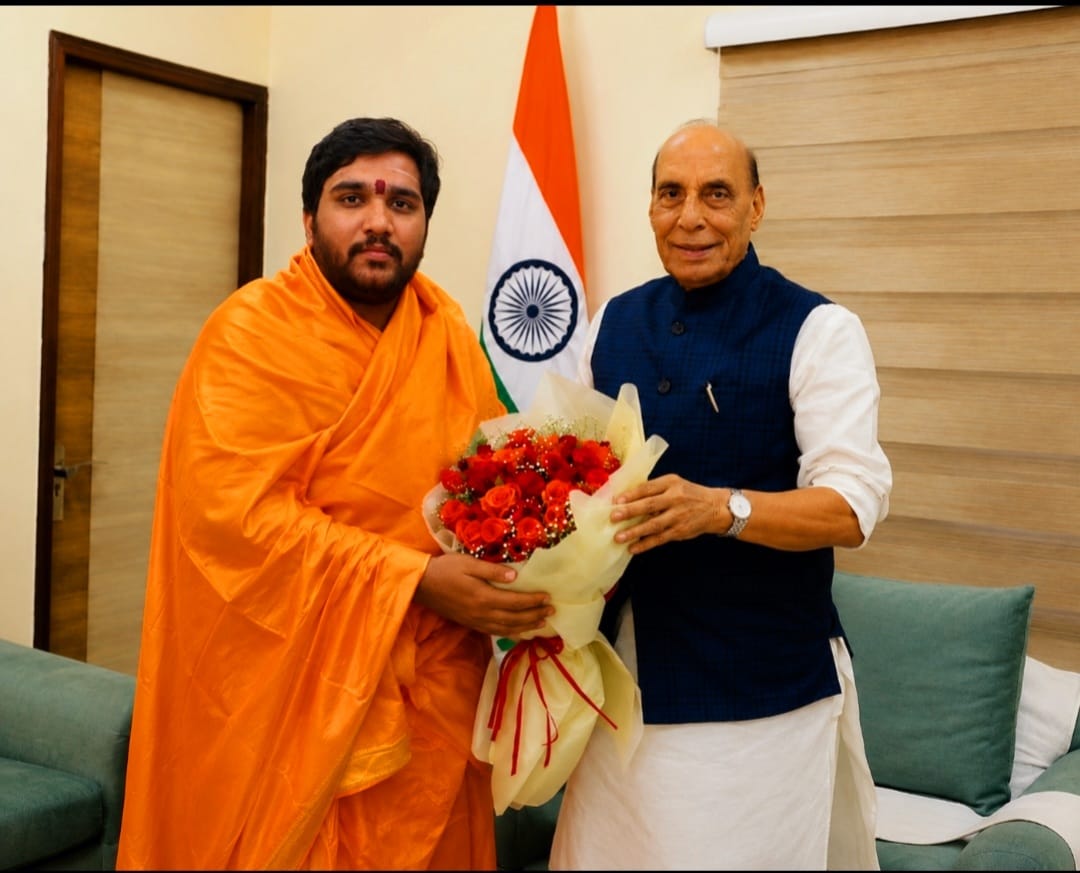
VIJAYAWADA, ANDHRA PRADESH — In the world of Vedic astrology and spiritual counselling, Dr. Nudurupati Umamaheswara Rao Sharma, popularly known as Umaswami, has built a name for himself over the past decade. Based in Vijayawada, Andhra Pradesh, he is the founder and CEO of Sri Gnanasaraswathi Vidhya Peetham, an institution dedicated to the study and practice of astrology. He is the son of Nudurupati Hanumantha Rao Sharma and Leelavathi, and traces his roots to Pedakurapadu village in Andhra Pradesh’s Palnadu district, before establishing his present-day practice in Vijayawada.
From Palnadu Roots to a Vijayawada Practice
Dr. Umaswami’s early life in Pedakurapadu, a village in Palnadu district known for its agrarian and traditional roots, is a background he has referenced as formative to his interest in astrology and Vedic sciences. Like many practitioners who trace their grounding in traditional Indian knowledge systems back to smaller towns and villages before building a client-facing practice in a larger city, his move to Vijayawada — one of Andhra Pradesh’s key commercial and cultural centres — reflects a common trajectory for astrologers seeking a wider client base while retaining the traditional grounding associated with their native region.
A Decade of Astrological Practice
According to Dr. Umaswami, he has spent more than 10 years practising and studying astrology, during which he says he has earned multiple certifications in the field. He describes this period as one dedicated to deepening his understanding of Vedic astrology, horoscope analysis, and traditional remedial practices, alongside building a client base that spans Vijayawada and the wider Andhra Pradesh region.
Over this period, he states that his consultations and guidance have reached and been trusted by more than 50,000 people across the region. He attributes this growing following to word-of-mouth referrals and repeat consultations from families seeking guidance on matters ranging from career and relationships to health and general life direction. As with most figures in the astrology-consultation space, a client base of this size is based on the practitioner’s own account rather than independently audited records, and should be read accordingly.
Dr. Umaswami states that his clientele includes people from all walks of life, including political leaders such as MLAs, MPs, and ministers, as well as TV actresses and other public figures, for whom he performs pujas and offers astrological guidance to help resolve personal and professional problems. These specific client claims, like similar claims made by astrologers across India, have not been independently confirmed and rest on Dr. Umaswami’s own account of his practice.
Interaction with Union Defence Minister Rajnath Singh
Dr. Umaswami has stated that he has had the opportunity to meet and interact with senior figures in India’s central government, including Union Defence Minister Rajnath Singh, whom he describes as having appreciated his work in the field of astrology and community service. He cites the interaction as a notable moment in his professional journey and one that he says has encouraged him to continue his work at a wider level. As with the other client and recognition claims referenced in this profile, this account of the meeting rests on Dr. Umaswami’s own description and has not been independently verified through official government sources.
Areas of Consultation
Dr. Umaswami’s practice centres on Vedic astrology, or Jyotish, applied across the areas his clients most commonly bring to him: horoscope and Kundali analysis, marriage and relationship compatibility matching, career and business guidance, health-related astrological consultation, and remedial measures such as pujas intended to address specific planetary doshas or obstacles a client may be facing. This range mirrors the typical scope of a full-service Vedic astrology practice in South India, where horoscope matching ahead of marriage and dosha-related remedial pujas remain among the most frequently requested services.
Recognition and Honorary Doctorate
Dr. Umaswami has been conferred an honorary doctorate in astrology by Missouri State University in the United States of America, a recognition he cites as validation of his years of study and contribution to the field of astrology. He often uses the “Doctor” title alongside his name in professional settings, presenting it as an acknowledgment of his long-standing commitment to the discipline. As with honorary doctorates generally, this recognition reflects the awarding institution’s own criteria and is distinct from an accredited academic doctoral degree earned through a formal, examined program of study — a distinction relevant to how the credential should be understood by the public.
He has also stated that he has received awards and recognitions from both state and central government bodies in acknowledgment of his work in astrology and community service, though specific award details have not been independently listed. Such recognitions, according to him, have reinforced his standing within the local astrology community and encouraged him to expand his practice further.
State President, NHRACCCI Foundation
Alongside his astrological practice, Dr. Umaswami holds the position of State President for Andhra Pradesh with the NHRACCCI Foundation, an organisation that describes itself as working on human rights protection and social welfare activities. According to membership documentation issued to him — a joining letter and member identity card dated 24 August 2026 — the foundation is registered as a Section 8 company with India’s Ministry of Corporate Affairs. This affiliation reflects the organisation’s own registration and internal membership process rather than a government appointment, and, as with the other recognitions described in this profile, has not been independently verified beyond the documentation provided.
Sri Gnanasaraswathi Vidhya Peetham
As the founder and CEO of Sri Gnanasaraswathi Vidhya Peetham, Dr. Umaswami leads an institution focused on imparting astrological knowledge and guidance to the public. The Vidhya Peetham, based in Vijayawada, functions as a hub for those seeking astrological consultation and learning under his mentorship.
The institution is positioned as both a consultation centre and a learning space, where interested individuals can approach Dr. Umaswami for personal readings as well as guidance on astrological concepts. He has indicated plans to continue expanding the reach of Sri Gnanasaraswathi Vidhya Peetham, with an emphasis on making traditional astrological knowledge more accessible to the wider public, including those outside Vijayawada seeking remote or online consultation.
About Vijayawada’s Growing Astrology Community
Vijayawada, one of Andhra Pradesh’s key cities, has long been home to a strong tradition of astrology and Vedic sciences. Practitioners like Dr. Umaswami continue to draw local and out-of-state clients seeking guidance rooted in traditional astrological practices, alongside a broader ecosystem of temples, Vedic pathashalas and spiritual institutions that has made the city and the wider Krishna-Guntur region a notable centre for traditional Telugu astrological practice.
The city’s continued association with astrology and spiritual counselling has allowed practitioners to build institutions, like Sri Gnanasaraswathi Vidhya Peetham, that combine consultation services with broader community engagement. As interest in astrology continues to grow across Andhra Pradesh — driven in part by the same online consultation trends reshaping the astrology industry nationally — figures such as Dr. Umaswami are likely to remain prominent voices within this space, drawing attention both for their claimed credentials and their standing among a large base of regular clients.
Frequently Asked Questions
What does Dr. Umaswami specialize in?
His practice centres on Vedic astrology (Jyotish), including horoscope and Kundali analysis, marriage compatibility matching, career guidance, and remedial pujas.
Where is Dr. Umaswami based?
He practices from Vijayawada, Andhra Pradesh, and originally hails from Pedakurapadu village in Palnadu district.
What is Sri Gnanasaraswathi Vidhya Peetham?
It is an astrology consultation and learning institution in Vijayawada founded and led by Dr. Umaswami.
Is Dr. Umaswami’s doctorate an accredited academic degree?
He holds an honorary doctorate conferred by Missouri State University, USA, which he presents as recognition of his contribution to astrology; this differs from an accredited academic doctorate earned through a formal examined program.
What is Dr. Umaswami’s role with the NHRACCCI Foundation?
He serves as State President for Andhra Pradesh with the NHRACCCI Foundation, an organisation focused on human rights protection and social welfare, according to membership documentation issued to him.
How long has Dr. Umaswami been practising astrology?
He states he has been practising and studying astrology for more than 10 years.

Mumbai, 23 August 2026: The Professional Travel Agents and Hotels Association (PTAHA) proudly announces the grand success of its participation at TTF Mumbai 2026, held from 20th to 22nd August 2026 at Jio World Convention Centre, Mumbai.
The three-day travel trade event marked a significant milestone for PTAHA, as the association successfully hosted its own dedicated PTAHA Pavilion, bringing together 12 participating members from across India under one platform. The pavilion provided members with an excellent opportunity to showcase their destinations, hotels, travel services, DMC operations and tourism products to travel trade professionals, buyers and industry stakeholders.
The successful participation reflects PTAHA’s continued commitment to creating meaningful business opportunities and providing its members with strong platforms for networking, promotion, branding and business development.
Speaking on the occasion, Mr. Rishi Deepak Budhadev, National President, PTAHA, expressed his gratitude to the organisers and partners who supported the association’s participation. Along with Mr. Suresh Nair, Vice President, PTAHA, he conveyed sincere appreciation to the entire TTF team and the organisations that have consistently supported PTAHA’s efforts to promote the tourism and hospitality industry.
PTAHA extends its heartfelt thanks to the organisers and teams behind leading travel trade platforms, including TTF, IITM, OTM, Holiday Expo, GTF and GTM, for their cooperation, professionalism and continued support. These organisations have played an important role in helping PTAHA access quality trade platforms and negotiate opportunities that enable association members to participate at competitive and beneficial rates.
“Our objective is not only to build an association, but to create genuine business opportunities for our members. By partnering with professional and experienced trade-show organisers, we are able to provide our members with ready platforms where they can showcase their businesses, connect with industry professionals and explore new markets,” said Mr. Rishi Deepak Budhadev.
PTAHA believes that participation in established and professionally managed travel trade exhibitions is an important part of strengthening India’s tourism ecosystem. Such events bring together travel agents, hoteliers, tour operators, DMCs, tourism boards, suppliers and buyers, creating opportunities for collaboration and business growth.
The association further stated that it will continue to actively participate in reputed travel trade exhibitions and industry platforms across India. PTAHA aims to use these opportunities to provide its members with greater visibility, stronger networking opportunities, destination promotion, business leads and access to new markets.
The successful PTAHA Pavilion at TTF Mumbai 2026 is another step forward in the association’s journey of building a strong and united network of travel agents and hotels across India.
PTAHA expresses its sincere gratitude to all participating members, event organisers, partners, supporters and visitors who contributed to making the Mumbai edition a memorable and successful event.
The association looks forward to creating many more such opportunities for its members and strengthening its presence at leading travel trade events across the country.
Professional Travel Agents and Hotels Association (PTAHA)
Mr. Rishi Deepak Budhadev
National President
Profile | Ayurveda & Healthcare | Pune, Maharashtra
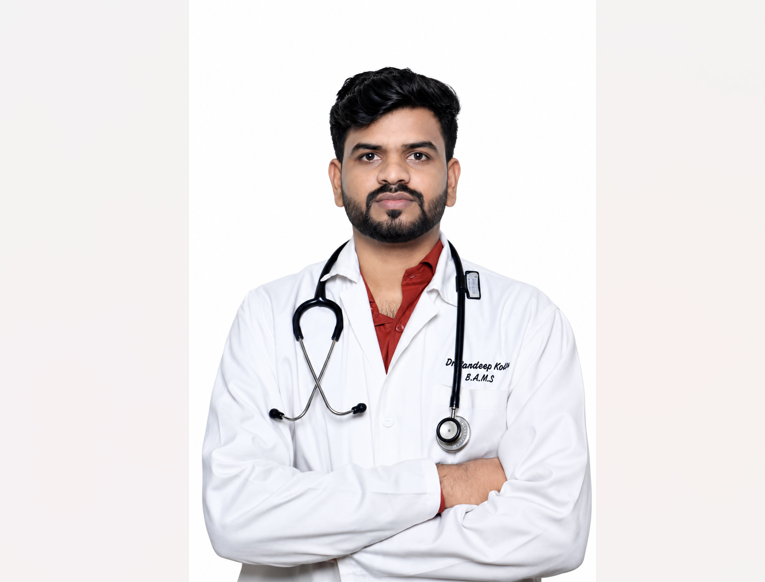
In a healthcare landscape increasingly dominated by high-cost surgical interventions and long hospital stays, Dr. Sandeep Kolte has carved out a distinct identity as an Ayurvedic physician who believes that ancient medical wisdom still has powerful answers for some of today’s most common — and most under-discussed — health problems. A qualified practitioner holding a B.A.M.S. (Bachelor of Ayurvedic Medicine & Surgery) degree, Dr. Kolte has spent his career focused on a segment of medicine that many patients find difficult to even talk about: anorectal disorders such as piles (hemorrhoids), fissures, and fistula.
Today, Dr. Sandeep Kolte is recognized not only as a practicing Anorectal Consultant but also as an entrepreneur who has built an organization aimed at making Ayurvedic treatment for these conditions more structured, more accessible, and more comfortable for patients across Maharashtra and beyond. He is the CEO and Founder of Guruved Health Care, an Ayurveda-focused healthcare organization he has led since 2022.
An Ayurvedic Foundation Built on Formal Training
Dr. Kolte’s academic journey began with rigorous, formal training in classical Ayurvedic medicine. He completed his B.A.M.S. degree from the College of Ayurved & Research Centre in Nigdi, Pune, Maharashtra — one of the region’s recognized institutions for Ayurvedic education. The B.A.M.S. program is a comprehensive undergraduate medical course that blends classical Ayurvedic texts and treatment methodologies with modern anatomy, physiology, pathology, and clinical practice, preparing graduates to diagnose and treat a wide range of conditions using time-tested Ayurvedic protocols.
This dual grounding — in traditional Ayurvedic science and structured clinical training — has shaped the way Dr. Kolte approaches patient care. Rather than treating Ayurveda as an alternative to be used only after conventional options are exhausted, he positions it as a primary, evidence-informed pathway for conditions like piles, fissures, and fistula, where minimally invasive and non-surgical management can often spare patients from more aggressive procedures.
Specializing in a Field Patients Rarely Discuss Openly
Anorectal health remains one of the most under-addressed areas of everyday medicine. Conditions such as piles, anal fissures, and fistula affect a significant portion of the adult population at some point in their lives, yet social hesitation, embarrassment, and lack of awareness often prevent people from seeking timely treatment. Many patients delay consultation for months or even years, allowing manageable conditions to worsen.
Dr. Sandeep Kolte has built his clinical focus specifically around this gap. As an Anorectal Consultant, his practice centers on diagnosing and managing piles, fissures, and fistula using Ayurvedic methods, with an emphasis on reducing patient discomfort, avoiding unnecessary invasive procedures where possible, and creating a consultation environment where patients feel comfortable discussing sensitive symptoms without judgment.
From Clinical Practice to Entrepreneurship
In 2022, Dr. Kolte took the step from being a practicing Ayurvedic doctor to becoming a healthcare entrepreneur, founding Guruved Health Care. The decision reflected a broader ambition: rather than limiting his impact to a single clinic or a fixed patient base, he wanted to build a system capable of reaching a far larger number of people who needed anorectal and Ayurvedic care but did not know where to find it, or were unable to access it due to geography, time, or social stigma.
As CEO and Founder of Guruved Health Care, Dr. Kolte oversees an organization that blends clinical Ayurvedic expertise with technology-enabled patient support, including teleconsultation systems designed to let patients connect with qualified Ayurvedic guidance without needing to travel long distances for an initial consultation. This approach has positioned Guruved Health Care as part of a growing wave of Ayurveda-based healthcare startups that are trying to modernize how traditional Indian medicine is delivered, without diluting its core principles.
A Philosophy Rooted in Accessibility and Trust
Colleagues and patients who have interacted with Dr. Kolte often point to his emphasis on accessibility as a defining trait of his professional philosophy. He has spoken about the importance of removing barriers — whether financial, geographic, or psychological — that stop people from seeking treatment for anorectal conditions early. By combining teleconsultation with structured, Ayurveda-based treatment protocols, Guruved Health Care under his leadership aims to shorten the distance between a patient’s first symptom and their first proper consultation.
This philosophy also extends to patient education. Dr. Kolte has consistently advocated for greater public awareness about piles, fissures, and fistula, encouraging people to understand that these are common, treatable medical conditions rather than sources of shame. Through Guruved Health Care’s outreach efforts, including digital content and consultation support, he has worked to normalize conversations around anorectal health.
Building a Career Rooted in Pune’s Ayurvedic Ecosystem
Pune, Maharashtra, has long been recognized as one of India’s important centers for Ayurvedic education and practice, home to several respected Ayurvedic colleges and research institutions. Dr. Kolte’s own education at the College of Ayurved & Research Centre in Nigdi placed him within this ecosystem early in his career, and he has continued to base his practice and his organization, Guruved Health Care, in the same region.
Operating from Pune has allowed Dr. Kolte to stay closely connected to Maharashtra’s strong Ayurvedic academic and clinical community, while using digital tools to extend his reach well beyond the city itself. This combination — a strong regional foundation paired with a technology-enabled, scalable service model — reflects a broader trend among younger Ayurvedic practitioners who are trying to balance tradition with modern healthcare delivery expectations.
Looking Ahead
As Guruved Health Care continues to grow under his leadership, Dr. Sandeep Kolte’s stated focus remains consistent: expanding access to Ayurvedic anorectal treatment, improving patient comfort and trust, and building sustainable healthcare infrastructure rooted in classical Ayurvedic principles. For a physician who began his journey with a B.A.M.S. degree from a Pune-based Ayurvedic college, the transition into entrepreneurship has not been a departure from medicine, but an extension of it — a way to bring the same clinical care to more people, more consistently.
With a growing patient base, an established organization in Guruved Health Care, and a clear specialization in an area of healthcare that badly needs more open, accessible options, Dr. Sandeep Kolte’s professional story reflects a wider shift underway in Indian healthcare: one where traditional medicine, technology, and entrepreneurship increasingly intersect.
Conatact detail 9699630049
Website.guruvedayurved.com


Bajaj Pulsar 125, Pulsar 150 launched with all-new platform

Khosla Ka Ghosla 2 to release August 28, reunites original cast

Dr. Nudurupati Umamaheswara Rao Sharma (Umaswami): The Vijayawada Astrologer Behind Sri Gnanasaraswathi Vidhya Peetham

Redfox Overseas: Customize Your Own Energy Drink and Stand Out in the Market

Zamzam Company CEO Chhote Bhai-Bade Bhai gave a grand welcome to Indian writer Devhari Sirvi in Dubai

Shikha Sharma: The Fashion Journalist, Blogger, and Plus-Size Model Taking the Industry by Storm
-
 Brandpost2 years ago
Redfox Overseas: Customize Your Own Energy Drink and Stand Out in the Market
-
 Brandpost2 years ago
Zamzam Company CEO Chhote Bhai-Bade Bhai gave a grand welcome to Indian writer Devhari Sirvi in Dubai
-
 Fashion2 years ago
Shikha Sharma: The Fashion Journalist, Blogger, and Plus-Size Model Taking the Industry by Storm
-
Entertainment1 year ago
Lucky Roxx’s “Yadav Ki Pukar” Goes Viral! Youth Celebrate Unity & Power
-

 Entertainment9 years ago
Meet Superman’s grandfather in new trailer for Krypton
-
Entertainment9 years ago
New Season 8 Walking Dead trailer flashes forward in time
-

 Brandpost2 years ago
From Local Hero to National Icon: Satyam Yadav’s Journey with TwentyOne
-
Uncategorized2 years ago
Hello world!