
Brandpost
Beyond the 350 Pages: The Emotional Journey of S Tanuja Sri Sasi Kumar From Struggle to Becoming a Published Novelist


For many writers, publishing a book is the culmination of a dream. For debut author S Tanuja Sri Sasi Kumar, however, the journey behind her first novel, If You Had Loved Me APPA, was much more than simply writing a manuscript and getting it published. It was a journey shaped by self-doubt, financial challenges, heartbreak, persistence, creativity, and an unwavering desire to create something that would make her stand apart.
Her debut psychological fiction novel, published by Evincepub on 20 July 2026, is the result of a writing journey that began years before the book reached readers. Spanning 350 pages, the novel represents not only her first major literary work but also a deeply personal milestone in her evolution as a writer.
For Tanuja, writing was never simply about producing a book. It became a way of expressing thoughts that could not always be spoken aloud, processing emotions, and creating a world where her imagination could take shape.
The Unexpected Beginning of a Writer
Tanuja’s journey as a writer began rather unexpectedly.
Her first serious piece of writing was a three- to four-page essay. At the time, she remembers feeling that everyone around her seemed to have something that made them special. Some people were talented at particular skills, while she struggled with the feeling that she had not yet discovered what made her unique.
That feeling eventually became the motivation to try something different.
She wrote an essay based on an idea that she believed would make her stand out. When she shared it with someone for the first time, the reaction surprised her. The reader was impressed by the writing, particularly by the psychological-thriller element and the unexpected final twist.
The response she received became a turning point.
People were intrigued enough to ask whether the serious elements in the story were actually true. Their surprise and curiosity made Tanuja realize that perhaps writing was the talent she had been searching for.
That appreciation encouraged her to write more.
Before beginning her debut novel, she experimented with essays, poems, and short stories. These smaller works gradually became a foundation for something much larger.
Today, she describes writing in much more intimate terms.
For her, writing became a confidant—a space where she could put down opinions, emotions, thoughts, and feelings that she could not always express openly. What began as paper and pen eventually became an essential part of her life.
“Writing was my best friend,” she reflects, “and now it is my everything.”
A Writer Drawn to the Psychology of Human Beings
Tanuja has always been attracted to psychological thrillers and stories that explore the darker and more complicated sides of the human mind.
She is particularly fascinated by questions surrounding human behaviour: how an innocent mind can change, how circumstances can influence a person’s thinking, and how emotional experiences can sometimes transform someone into a completely different person.
This interest naturally found its way into her fiction.
Rather than being interested only in external events, she is drawn to what happens inside a person’s mind. The transformation of emotions, the development of psychological conflicts, and the hidden reasons behind people’s actions are themes that continue to interest her as both a reader and a writer.
That approach also influenced the creation of If You Had Loved Me APPA.
The title itself did not exist at the beginning of the writing process. Tanuja first decided to write the story and developed its characters and emotional world. As the story progressed, she realized that one particular character’s life could have been profoundly different if she had received the love she needed from her father.
That realization eventually gave the novel its title.
Choosing a Different Kind of Love Story
Contemporary fiction frequently explores romantic relationships—love, separation, heartbreak, and reconciliation. Tanuja wanted to explore a different kind of emotional wound.
For her, family relationships can contain forms of pain that are rarely discussed with the same intensity as romantic heartbreak.
The father-daughter relationship at the heart of If You Had Loved Me APPA emerged from that belief. The novel explores the emotional consequences of an important relationship, while examining love, pain, longing, misunderstanding, and healing.
Although some emotional experiences and incidents in the novel were influenced by real experiences, Tanuja chooses not to disclose the personal circumstances behind them. Instead, she allows the fiction to speak for itself.
For her, the important thing is not whether readers know which parts came from reality. What matters is whether they recognize the emotions.
When Writing Became an Escape
The process of writing the novel was far from easy.
Tanuja was simultaneously dealing with financial responsibilities and personal struggles while trying to pursue writing as a passion. Coming from an ordinary family where financial considerations mattered, she could not simply put everything else aside and focus exclusively on publishing a book.
The novel had to wait.
What had initially been planned years earlier eventually took roughly two to three years to reach publication. During that period, writing remained important to her, but it had to coexist with the realities of everyday life.
There were also emotional struggles.
Heartbreak and difficult personal experiences became part of the period in which the novel was being written. There were moments when she cried while writing. Because she imagined each scene vividly as she wrote it, the emotions of the characters sometimes became emotionally overwhelming.
Yet those experiences did not stop her from writing.
In fact, she believes they strengthened her ability to tell the story.
Writing became an escape from everything happening around her. While she was writing, her attention moved away from her problems and toward the fictional world she was creating. The next question became not what was going wrong in her life, but when she would finish the book and when she could finally publish it.
She never seriously considered abandoning the novel.
Her determination came partly from a deeper fear: she did not want to go through life without accomplishing something that was uniquely hers. Publishing a book became more than a career goal. It became proof to herself that she could create something lasting.
The First Manuscript That Never Became a Book
Interestingly, If You Had Loved Me APPA was not the first novel Tanuja attempted.
Before it, she wrote a psychological thriller that grew to more than 700 pages.
The project began with a clear concept and title, but as she continued writing, new stories and ideas kept appearing. Instead of following one consistent storyline, the manuscript gradually became more complex and sprawling, almost like a long web series.
There were also difficulties with the manuscript itself, including problems involving lost text.
Eventually, she decided not to publish that book.
The experience taught her something important about storytelling: having many ideas is valuable, but knowing how to control those ideas within one story is equally important.
That unfinished manuscript did not end her dream. Instead, it eventually led her toward the story that would become her published debut.
The Fear of Writing Too Little—and Then Too Much
When Tanuja began writing her new novel, she initially had a very different fear.
She wondered whether she would even be able to write 100 or 120 pages. What if the story ended too quickly? What if she ran out of things to say?
But the opposite happened.
The manuscript crossed 200 pages, and she still had more of the story to tell.
That created an entirely new fear.
What if it became 700 or 800 pages like her previous manuscript?
Eventually, the story settled at approximately 350 pages.
Looking back, she describes the process with three words: emotional, dream, and excited.
One unusual technique helped her maintain the emotional continuity of the story. Because she sometimes had gaps of several days between writing sessions, she would listen to a particular song before returning to the manuscript.
The song helped her imagine the entire book as though it were being filmed.
Once she entered that mental world again, she could recover the flow of the story and continue writing.
The Financial Reality Behind a Dream
Completing a manuscript was only one part of becoming a published author.
Publishing the book presented another set of challenges.
Tanuja wanted her first book to receive the best possible treatment, which led her to choose a premium publishing option. However, arranging the money required for publication was difficult.
The financial pressure became particularly challenging because writing was a passion, but she did not want pursuing that passion to damage her family’s financial situation.
Even after choosing a publisher, the process brought new anxieties.
As a first-time author, she was unfamiliar with many aspects of publishing. Slow responses from the publishing team sometimes made her nervous, particularly because she was eager to see the book completed.
She repeatedly followed up about the cover, opening pages, proofreading, and other stages of production.
Proofreading became one of her biggest concerns.
Despite carefully reviewing the manuscript herself, she later noticed additional typographical mistakes and revisions that needed attention. The experience taught her how demanding the final stages of producing a book can be, particularly when the manuscript is hundreds of pages long.
The Day the Book Became Real
After years of writing, waiting, financial planning, revisions, and uncertainty, the dream finally became physical.
On 15 July 2026, Tanuja received her printed copies from the publisher.
For her, that was one of the happiest moments of her life.
Holding the physical book was different from looking at a manuscript on a screen. Her name was printed on the cover. The hundreds of pages she had written were now an actual book she could hold.
She remembers feeling overwhelmed with happiness and disbelief.
Five days later, on 20 July 2026, If You Had Loved Me APPA was officially published.
The moment represented the fulfilment of a dream that had taken years to reach.
If she could return to the version of herself who had started writing the novel years earlier, her advice would be simple:
Do not give up. Do not hesitate. Do not overthink it. Keep going and publish your work.
The Reality After Publication
Tanuja entered publication with hopes that many first-time authors can understand.
She imagined that once the book was published, people would discover it, read it, appreciate it, and begin to understand her through her writing.
Reality turned out to be more complicated.
One of the biggest lessons she learned was that publishing a book and getting people to discover it are two completely different things.
Today, the challenge is not simply having a book. It is reaching the right readers.
The cost of the book, printing expenses, marketing, limited audience reach, and the difficulty of building visibility have all created obstacles. As a first-time author, she has also had to confront the reality that publishing does not automatically create an audience.
Marketing has become one of the most difficult aspects of her post-publication journey.
She had hoped for organic discovery, but building visibility often requires significant effort and investment. For a debut author without an established audience, reaching readers can be particularly difficult.
Yet her motivation has never primarily been financial.
Tanuja says that her main goal is not to make a profit from the book. What she wants is for people to know her name and associate it with a story worth reading.
She wants readers to be able to say:
“This is the author who wrote that book.”
Recognition and the Belief to Keep Going
Tanuja has also received multiple awards and recognitions for her writing.
Rather than treating these recognitions simply as titles, she sees them as moments that strengthened her confidence as a writer. Receiving positive evaluation for her earlier manuscript and being selected for recognition made her feel that her writing had value beyond her own personal belief in it.
For her, that recognition matters because writing can be an uncertain journey. A writer may spend months or years creating something without knowing how others will receive it.
Recognition can provide a moment of reassurance.
But she does not want awards to define her identity as an author. Her larger ambition is to build a body of work that readers recognize independently of individual awards.
An Author Who Wants to Talk to Readers, Not Above Them
Tanuja does not want her writing to feel inaccessible.
One of the qualities she considers a strength is the simplicity of her language. She hopes her stories can reach not only regular book lovers but also people who do not normally read books.
Her ideal reading experience is conversational.
She wants readers to feel as though the author is sitting with them and telling them a story rather than simply presenting a book to them.
Emotional connection is more important to her than making every reader cry.
At the centre of her philosophy is a belief that every human being needs love and deserves to experience it. Through her stories, she hopes readers can recognize themselves, confront their emotions, and perhaps feel lighter after reading.
She wants her writing to give a voice to thoughts that people often keep inside themselves.
What the First Novel Taught Her
Writing If You Had Loved Me APPA taught Tanuja more than she expected about her own creativity.
During the process, new ideas constantly emerged. Some of those ideas surprised her and made her proud of the creative possibilities she could discover within herself.
The journey also taught her patience and persistence.
More importantly, it reinforced a belief she now wants to share with other aspiring writers: a manuscript should not remain hidden forever because of fear.
Her advice is rooted in her own experience.
Life is short, she believes, and writers should not be afraid to create something that makes them different. A writer who has a manuscript should consider taking the step toward publication instead of endlessly waiting for the perfect moment.
At the same time, her own experience taught her the importance of understanding the business side of publishing.
One lesson she would particularly emphasize to debut authors is pricing. She believes a book should be priced at a level readers can reasonably afford while still reflecting the quality and value of the work.
A Story That Should Outlive Its Author
Tanuja understands that not every writer receives immediate recognition.
In an increasingly crowded publishing environment, countless people write books, but only some receive widespread attention.
She does not see that as a reason to stop.
For her, a book has the possibility of existing beyond the moment in which it was published. Even if a writer does not become widely recognized during their lifetime, their work can continue to be discovered by future generations.
That possibility gives her a different perspective on literary success.
The goal is not simply immediate popularity.
The goal is to create something that lasts.
Looking Beyond the Debut
If You Had Loved Me APPA may be her debut, but Tanuja sees it as the beginning rather than the destination.
She has numerous stories and ideas living in her mind that she hopes to eventually transform into books.
Her next work is expected to continue exploring reality-inspired themes and the kinds of emotional and psychological subjects that naturally attract her as a writer.
Her ambition is straightforward but significant: she wants to become a recognized novelist whose name readers know.
She does not want to become merely one more name among thousands of authors who have published books.
She wants readers to recognize her name.
More importantly, she wants them to recognize her writing.
“I Am Just Like You”
Perhaps the most revealing part of Tanuja’s philosophy is that she does not want to place herself above her readers.
Despite her ambitions as a novelist, she does not describe herself as someone fundamentally different from the people who read her work.
She sees herself as one among them—a person who has faced problems, struggled, dreamed, doubted, and continued moving forward.
That is ultimately what she hopes her writing can encourage others to do.
To speak about what they have kept silent.
To acknowledge their pain.
To stop allowing insecurity to define them.
To learn to love themselves.
And, above all, to keep going.
For S Tanuja Sri Sasi Kumar, the 350 pages of If You Had Loved Me APPA are therefore more than pages in a debut novel. They represent years of persistence, imagination, emotional struggle, financial challenges, uncertainty, and the determination to create something uniquely her own.
The book may have been published on 20 July 2026, but the journey of the novelist behind it is only beginning.
About S Tanuja Sri Sasi Kumar
S Tanuja Sri Sasi Kumar is an emerging Indian novelist and creative writer whose work focuses on psychological, emotional, and relationship-driven storytelling. Her debut psychological fiction novel, If You Had Loved Me APPA, was published by Evincepub in July 2026. Her writing explores human psychology, emotional relationships, love, pain, healing, and the thoughts people often leave unspoken. She hopes to continue writing novels that are accessible, emotionally engaging, and relatable to both regular readers and those who do not usually read fiction.
As she continues developing her literary career, Tanuja aims to build a recognizable identity as a novelist and bring more of the stories that live in her imagination to readers around the world.


Brandpost
Until Every Hungry Soul Is Fed, Veeir Chaudary Cannot Sleep Peacefully — The Actor-Producer Feeding Over 100 Animals Every Day

For some people, success is measured by fame, money and recognition. For actor and producer Veeir Chaudary, true success seems to be measured by how many lives he can make a little better.
Veeir Chaudary has been associated with the film industry since 2005. After nearly 21 years in the industry, he has experienced the highs and lows of a demanding career—success, struggle, opportunities, setbacks and countless challenges. Yet, alongside his professional journey, he has quietly developed another mission close to his heart: serving people and animals in need.
Every day, Veeir feeds more than 100 animals, including dogs, cows and birds. For him, feeding these voiceless beings is not simply charity or social work. It has become a responsibility he feels deeply from within.
He says that when he sees a hungry animal, it becomes difficult for him to simply walk away. Even at night, the thought can stay with him.
“If they are hungry, how can I sleep peacefully?” is the emotion behind his commitment.
For Veeir, animals are not merely creatures living around us. Whenever he sees dogs or cows outside his home, he says he sees God in them. He believes that serving a living being is also a way of expressing gratitude to the Almighty.
His compassion does not stop with animals.
Every weekend, Veeir visits an old-age home and takes food and essential provisions for the residents. His visits are driven by a belief that elderly parents deserve dignity, affection and companionship, especially during the later years of their lives.
He feels deeply about children who leave their parents in old-age homes and believes society must seriously reflect on the emotional responsibility children have towards their parents. The same parents who spend decades raising, protecting and supporting their children deserve care and respect when they grow old.
For Veeir, this is not about judging an entire generation. It is about reminding people of the value of family, gratitude and responsibility.
Despite spending more than two decades in the film industry, Veeir considers himself fortunate rather than simply successful. He believes the Almighty has blessed him with the ability and resources to do something for both human beings and animals.
He remains grateful for that opportunity.
There is a quiet spirituality behind his actions. He believes that perhaps God has sent certain people and animals into his path because they need his help.
After 21 years of experiencing the unpredictable journey of the entertainment industry, Veeir Chaudary appears to have discovered a different kind of happiness—one that does not come from applause or cameras.
It comes from watching a hungry animal eat.
It comes from seeing an elderly person smile.
And perhaps, for Veeir, that is what makes life truly meaningful.
Brandpost
Mayank Jain and Shell Entertainment Expand Strategic Social Media & PR Support for Public-Facing Leaders

The agency is building an integrated approach to digital presence, personal branding, media outreach and reputation management
In an increasingly digital-first business environment, public visibility has become closely connected with professional credibility. Shell Entertainment, led by Managing Director and Co-Founder Mayank Jain, is positioning its social media and public relations services around this changing communication landscape. The agency works with businessmen, entrepreneurs, public figures and political leaders to develop structured digital communication and media strategies.
At the centre of Shell Entertainment’s approach is the understanding that a public profile requires more than regular social media activity. According to the company’s positioning, clients often need a consistent narrative across platforms, relevant content, media outreach and ongoing reputation management. Mayank Jain’s role has focused on bringing these elements together through an agency model designed around individual communication requirements rather than generic campaigns.
Building Structured Digital Presence
Shell Entertainment provides social media management covering content planning, publishing, audience engagement and platform-specific communication across channels including Instagram, Facebook, X, LinkedIn and YouTube. The objective is to maintain a consistent digital identity while allowing communication to reflect the client’s professional profile and public positioning.
The agency also works in personal branding for entrepreneurs and business leaders, with services that include thought-leadership content, LinkedIn-focused positioning and strategic digital communication. For professionals seeking greater visibility in their respective industries, this approach places emphasis on communicating expertise, experience and professional milestones in a clear format.
PR and Reputation Management
Another part of the agency’s service portfolio is public relations and media outreach. This includes press communication, media placements, interview coordination and reputation-focused communication. The broader objective is to help clients present information about their work through organised and credible communication channels.
For public-facing individuals, reputation management has also become an important part of digital strategy. Shell Entertainment’s stated approach combines monitoring, content planning and communication support to help clients respond to changing online narratives while maintaining consistency across their public profiles.
Mayank Jain’s Expanding Vision
Mayank Jain’s work at Shell Entertainment reflects a broader shift in how entrepreneurs, business leaders and other public-facing professionals approach personal visibility. Instead of treating social media and PR as separate activities, the agency brings content, branding, media relations and reputation support into a connected communication framework.
As digital platforms continue to influence how professional identities are discovered and discussed, Shell Entertainment is developing its services around the intersection of social media, PR and personal branding. With Mayank Jain at the helm, the agency’s stated focus remains on creating tailored communication strategies that help clients present their work, achievements and professional stories with greater consistency.
For businesses and public-facing professionals exploring structured digital communication and PR support, Shell Entertainment represents an agency-led approach that combines creative content with strategic media execution. The company’s service information is available at shellentertainment.online.
Website: shellentertainment.online
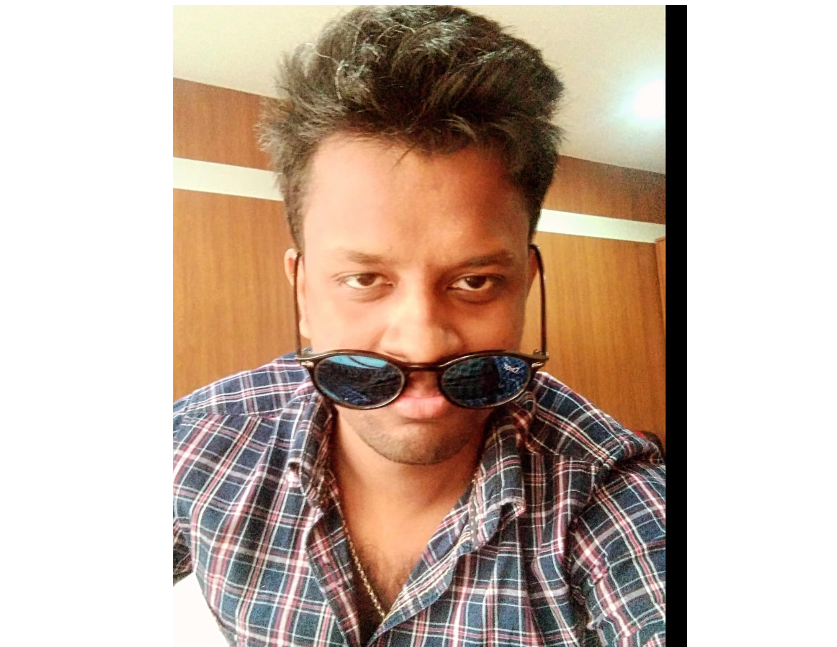
Out of 17,603 submissions received for HS Publications’ nationwide writing event, Tamoghna Dey’s entry stood out to claim the 19th spot in the Top 100 Pensmith list, earning recognition for dedication, passion and creativity in writing.
Writer Tamoghna Dey has been honoured with a place among the Top 100 Pensmith in the Best Pensmith Awards 2026, an all-India writing recognition programme organised by HS Publications under the theme “Pen Your Potential.” Dey’s submission was ranked 19th out of a pool of 17,603 entries received for the event, placing his work firmly among the strongest voices to take part this season.
The announcement was shared by HS Publications along with a formal congratulatory note recognising Dey’s contribution to the writing community. “We sincerely appreciate your dedication, passion, and hard work in the field of writing,” the organisers noted, adding that his efforts and creativity were “truly commendable.”
A Competitive Field of Over 17,000 Entries
The scale of participation in the Best Pensmith Awards 2026 underlines the significance of Dey’s placement. With 17,603 submissions received nationwide, securing a spot inside the Top 100 already marks a notable achievement, and finishing at 19th position places his entry among the very best of that shortlist.
HS Publications, which runs under the tagline “Publish your way to success,” confirmed that the recognition follows Dey’s participation in the event and is being communicated as part of the official results announcement. The organisers extended their thanks for his participation, describing the recognition as an acknowledgement of the time and effort put into his craft.
The Winning Entry
The piece submitted by Dey for the competition is a reflective poem exploring themes of love, vulnerability and the emotional risks that come with matters of the heart. Written in a conversational, questioning tone, it speaks directly to its subject, weighing beauty, compassion and the consequences of playing carelessly with someone’s feelings.
The poem’s closing lines carry a note of caution, reminding the reader that “if you play with someone’s heart,” the consequences of being found out can outlast the moment. It is this blend of emotional honesty and lyrical simplicity that appears to have resonated with the judging panel.
What the Top 100 Pensmith Recognition Represents
The Best Pensmith Awards is positioned as a platform to identify and celebrate emerging and established writing talent from across the country. A Top 100 placement, drawn from tens of thousands of entries, is intended to spotlight writers whose work demonstrates strong creative merit, clarity of voice and emotional depth.
For participants like Dey, the recognition serves both as validation of individual craft and as encouragement to continue building a body of work. HS Publications has indicated that the results are being shared with all participants as part of the event’s official communication, along with appreciation for the time and creativity invested by every entrant.
Looking Ahead
Dey’s placement in the Top 100 Pensmith list adds to a growing body of recognition for independent writers finding platforms through nationwide literary events. Readers interested in following his work can find more of his writing through his personal website.
More about Tamoghna Dey and his work can be found at tamoghnadey.com.
We congratulate Tamoghna Dey on this achievement and wish him continued success in his writing journey.


Until Every Hungry Soul Is Fed, Veeir Chaudary Cannot Sleep Peacefully — The Actor-Producer Feeding Over 100 Animals Every Day

Panama Petrochem Ltd: A Leading India Manufacturer of White Oil and Specialty Petroleum Products

Mayank Jain and Shell Entertainment Expand Strategic Social Media & PR Support for Public-Facing Leaders

Redfox Overseas: Customize Your Own Energy Drink and Stand Out in the Market

Zamzam Company CEO Chhote Bhai-Bade Bhai gave a grand welcome to Indian writer Devhari Sirvi in Dubai

Shikha Sharma: The Fashion Journalist, Blogger, and Plus-Size Model Taking the Industry by Storm
-
 Brandpost2 years ago
Redfox Overseas: Customize Your Own Energy Drink and Stand Out in the Market
-
 Brandpost2 years ago
Zamzam Company CEO Chhote Bhai-Bade Bhai gave a grand welcome to Indian writer Devhari Sirvi in Dubai
-
 Fashion2 years ago
Shikha Sharma: The Fashion Journalist, Blogger, and Plus-Size Model Taking the Industry by Storm
-
Entertainment1 year ago
Lucky Roxx’s “Yadav Ki Pukar” Goes Viral! Youth Celebrate Unity & Power
-

 Entertainment9 years ago
New Season 8 Walking Dead trailer flashes forward in time
-
Entertainment9 years ago
Meet Superman’s grandfather in new trailer for Krypton
-
Uncategorized2 years ago
Hello world!
-

 Brandpost2 years ago
From Local Hero to National Icon: Satyam Yadav’s Journey with TwentyOne