
Law
Contempt of court explained: What the Metro plea asks the Supreme Court to decide
The Supreme Court will hear a contempt plea on Sunday, October 11, alleging that Delhi Metro stations were kept closed on October 10 despite its October 9 order against a complete prohibition of Metro and train movement.

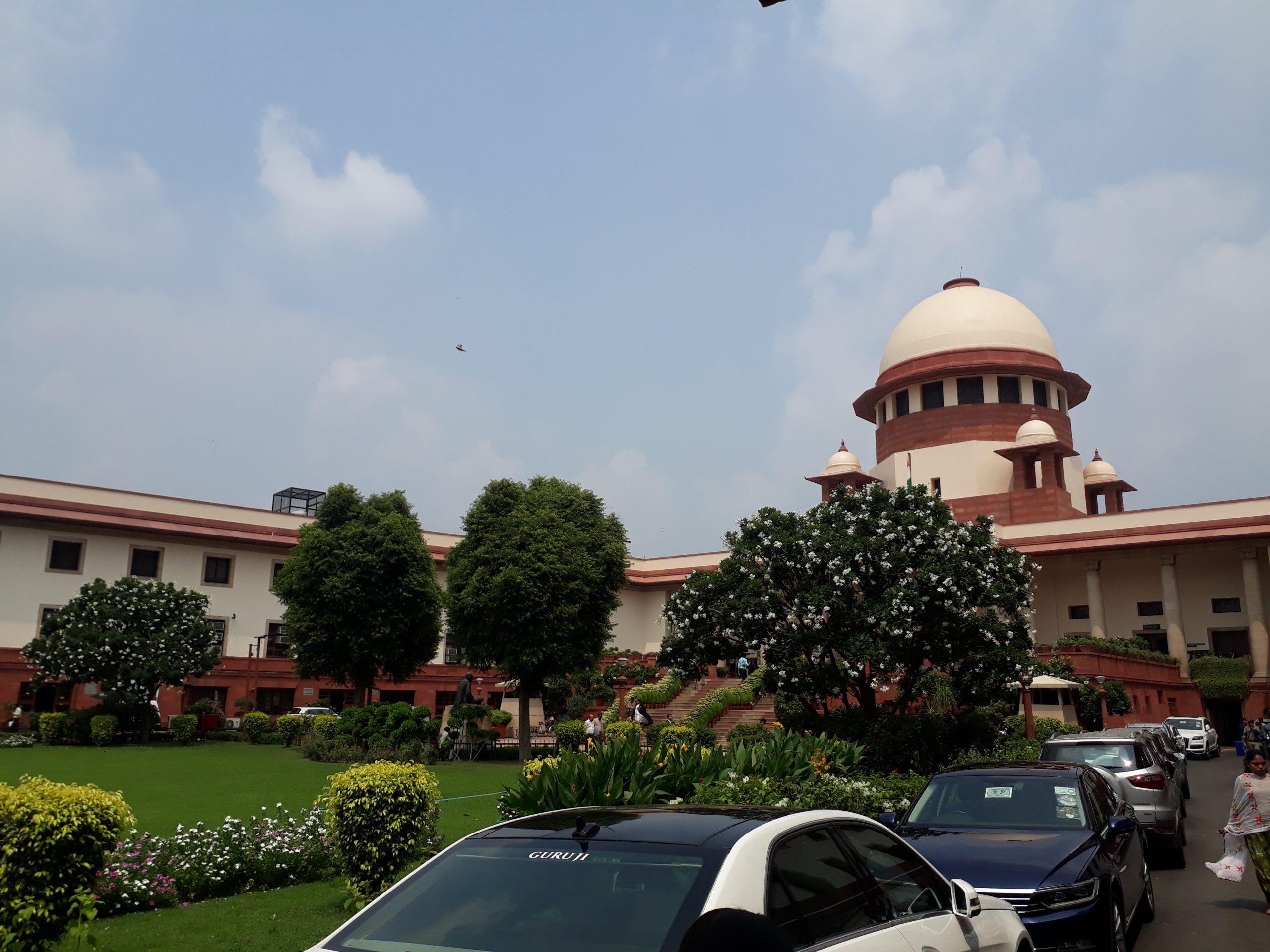
A contempt petition alleges that a court’s order was knowingly disobeyed.
The plea says that the court’s October 9 order against a complete Metro prohibition was not followed.
The court will decide whether there was wilful disobedience.
The authorities had defended the measures as meant to maintain law and order.
The hearing is on Sunday.
The bench will be of Justices Joymalya Bagchi and V Mohana.
The plea has been filed by Shailendra Mani Tripathi through advocate Chand Qureshi.
It names Union Home Secretary Govind Mohan and other authorities as respondents.
It accuses the Delhi Metro, Delhi Police and the Union government of deliberate disregard of the court’s orders.
The plea relies on the order passed on Friday, October 9, by a bench of Chief Justice Surya Kant and Justices Joymalya Bagchi and V Mohana.
That order directed that there be no complete prohibition on the movement of Metro and train services into Delhi on October 10.
The bench observed that the notifications appeared to overreach, and that a total prohibition is different from regulation of transport.
The plea says that Metro stations in Delhi were kept closed despite that direction.
Authorities closed 45 stations from 9 pm on Friday until 6 pm on Saturday for security reasons, according to an advisory cited in the plea.
The plea seeks immediate revocation of blanket prohibitory orders against Metro and railway operations.
It also seeks a strictly regulated operating schedule with immediate public notice.
The Supreme Court said on October 9 that an entire city cannot be shut down because of protests.
It said that restrictions must be proportionate and that authorities must issue a traffic advisory and give due publicity to their decisions.
Solicitor General Tushar Mehta had defended the measures as meant to maintain law and order.
On October 10, entry and exit were limited at 45 Metro stations until 6 pm, and mobile internet was cut near Kartavya Path, according to Careerindia.
Supreme Court of India (file image), Wikimedia Commons, CC BY-SA 4.0





Law
Lawyers’ detention explained: What happened and who intervened
Lawyers detained outside the Supreme Court during the CJP protest on October 10 were released after the Supreme Court Bar Association and the Solicitor General sought the Chief Justice of India’s intervention, according to Bar and Bench and The Tribune.
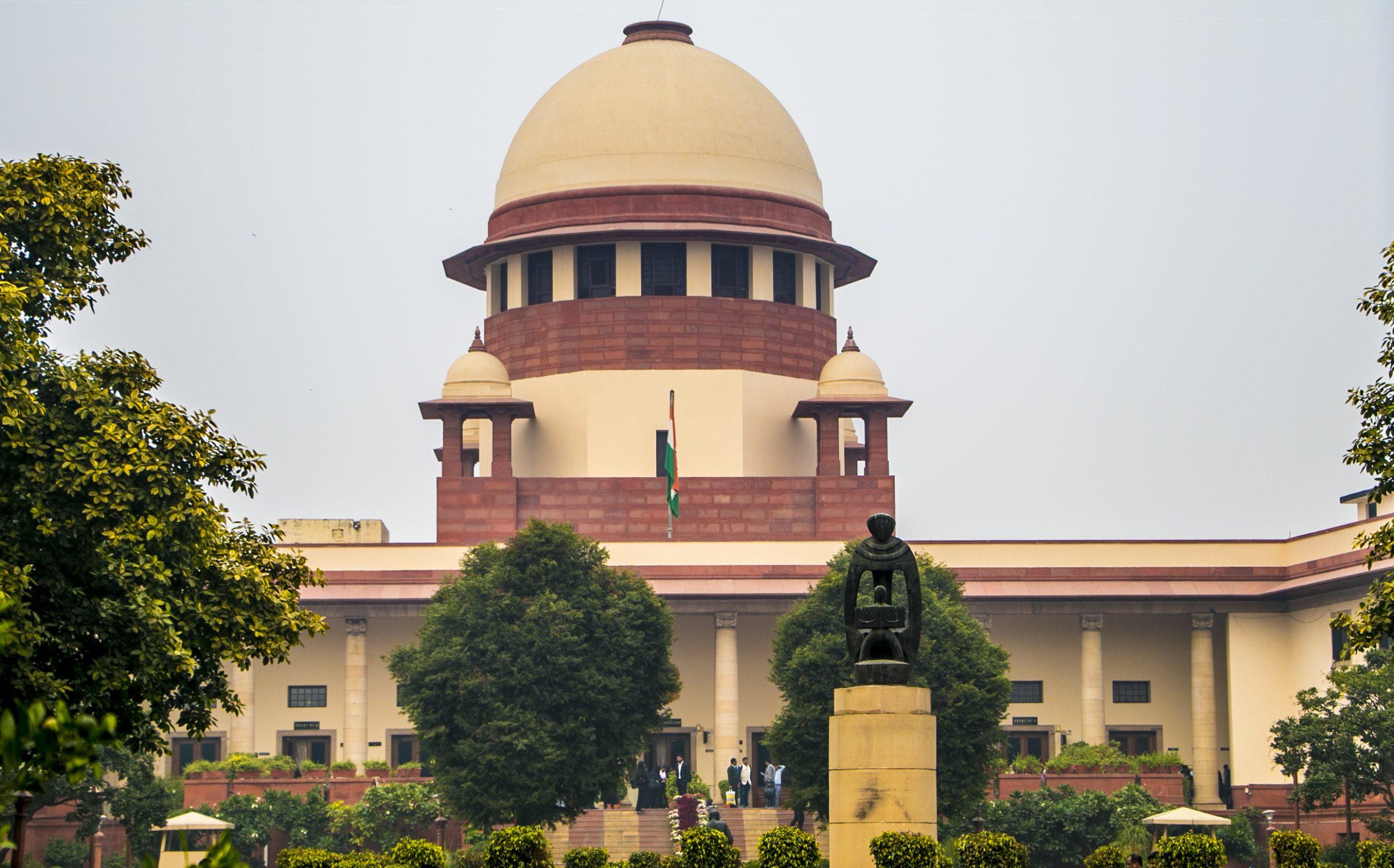
Lawyers marching from the Supreme Court to Jantar Mantar were detained on October 10.
The Bar Association asked the Chief Justice of India to intervene.
The Solicitor General also took up the matter, according to Bar and Bench.
The lawyers were released.
The reports differ on how many were held.
The reports differ on the role of the Chief Justice, with one saying the Chief Justice took up the matter and another saying only that intervention was sought.
Messages circulating among lawyers claimed that about 100 advocates were detained from outside the Supreme Court and taken to Yamuna Sports Complex, according to Bar and Bench.
Bar and Bench did not confirm that figure, and it reported that several lawyers were detained.
Bombay Samachar put the number at about 50 to 60 lawyers, including senior advocates and women, who were released several hours after being detained.
The lawyers had been marching from the Supreme Court to Jantar Mantar, according to ThePrint’s live blog.
The Supreme Court Bar Association passed a resolution condemning the reported use of excessive force against, and the detention of, senior and young advocates, particularly women advocates.
The resolution asked the Chief Justice of India to step in, according to The Tribune.
The Supreme Court Advocates-on-Record Association also passed a resolution seeking urgent action, according to Bar and Bench.
The Bar Association asked for an examination of the detentions and of the reported use of force.
The reports available on October 10 did not include a statement from Delhi Police on the detention of the lawyers.
The reports did not say whether any inquiry into the alleged use of force has begun.
Delhi Police detained hundreds of people on October 10 as the CJP’s protest at Jantar Mantar was blocked, according to police figures of about 150 in the morning and about 500 arriving in groups.
Supreme Court of India (file image), Wikimedia Commons, CC BY-SA 4.0
Law
CJP protest violence probe explained: What is known and what is not
Delhi Police’s Crime Branch has begun a probe into the violence at the July 20 Cockroach Janta Party march to Parliament, examining whether it was premeditated and using facial recognition to identify 2,873 suspects with criminal backgrounds, according to police sources.
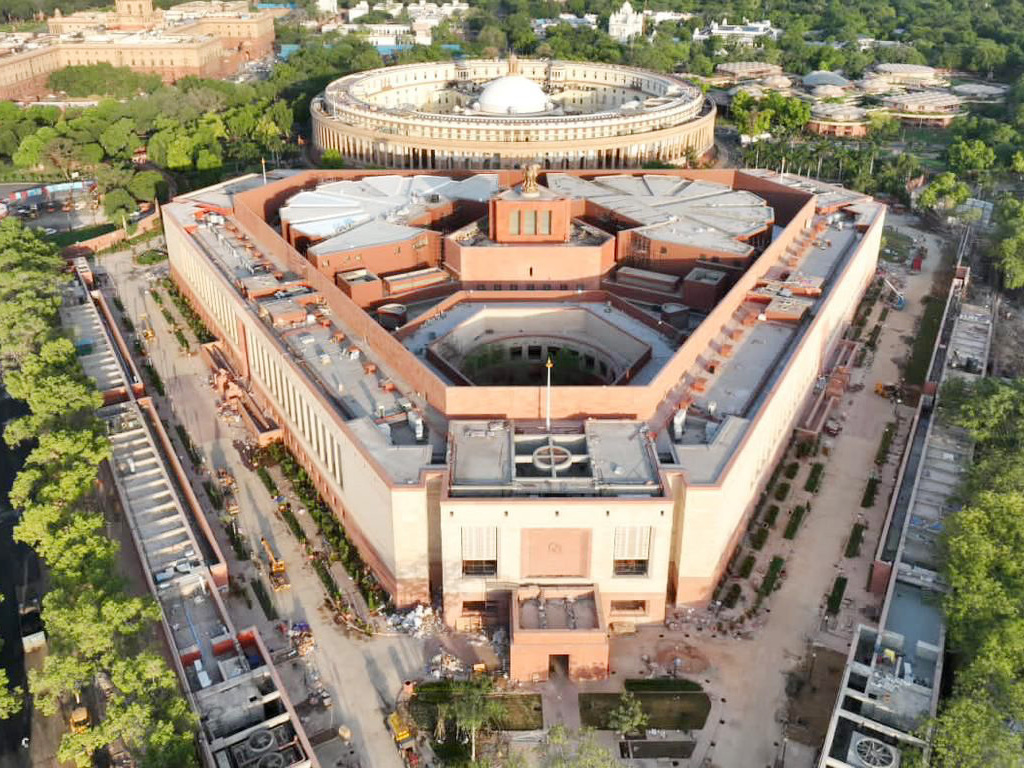
Known: the Crime Branch has registered a case and begun a probe.
Known: police identified 2,873 suspects with criminal backgrounds, according to police sources.
Known: 17 FIRs against students and protesters were cancelled on Supreme Court directions.
Not known: whether the violence was premeditated.
Not known: how many suspects were involved in specific acts.
Police are also checking whether WhatsApp or Telegram groups were used to mobilise people, according to The Week.
The alleged offences include assaults on police personnel, vandalism and damage to public property, including police vehicles.
They also include obstructing government employees and snatching police equipment such as jackets and helmets.
Police used facial recognition data to identify 2,873 suspects with criminal backgrounds, according to the police sources quoted.
The reports do not say how many of those suspects were involved in specific acts, and they do not say how many have been arrested or charged.
A criminal background does not by itself show that a person took part in the violence, and individual roles are still being examined.
Investigators have reviewed more than 250 videos, including mobile phone recordings, CCTV, drone visuals and police body-worn camera footage, according to The Week.
The July 20 Sansad Chalo march demanded the resignation of the then Education Minister Dharmendra Pradhan over the NEET-UG paper leak.
Security was tightened at Parliament and several entry gates were closed on the day, according to The Daily Jagran.
The Daily Jagran reported that videos showed assaults on women protesters and stone-pelting by protesters.
It also reported that police used lathi charges, water cannons and pellet guns, which caused widespread uproar.
The Supreme Court ordered that no coercive action be taken against student protesters over the FIRs, according to The Week.
It also ordered the immediate release of detained minors with no prior criminal record.
Parliament building, New Delhi (file image), Wikimedia Commons, GODL-India
Law
Right to protest explained: What Articles 19(1)(a) and 19(1)(b) say
The Delhi High Court agreed on October 8 to hear on Friday the Indian Youth Congress’s plea against Delhi Police’s refusal to allow a protest at Jantar Mantar against Chief Election Commissioner Gyanesh Kumar.
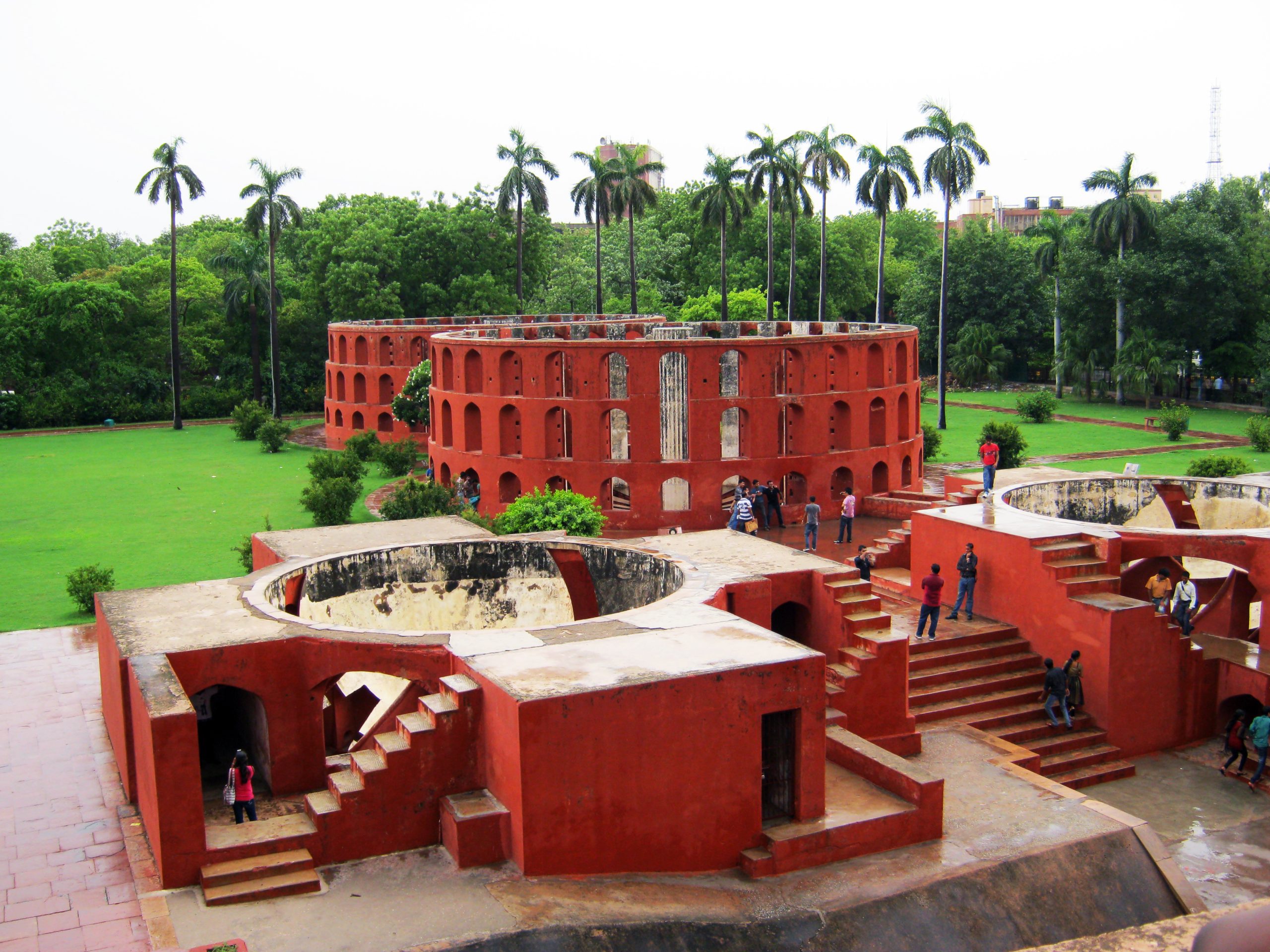
Article 19(1)(a) protects freedom of speech and expression.
Article 19(1)(b) protects the right to assemble peacefully and without arms.
Article 14 guarantees equality before the law.
The Youth Congress cites all three in its plea against Delhi Police.
The Delhi High Court will hear it on Friday.
The court said the plea would be listed within 24 hours, and that counsel can mention it again the next day if it is not listed.
The hearing is expected on Friday, October 9, 2026.
The petitioner is the Indian Youth Congress, through its national president Uday Bhanu Chib.
The plea was filed by advocate Roopesh Singh Bhadauria.
The Indian Youth Congress applied to Delhi Police on September 25 for a peaceful gathering of about 100 to 150 people.
It said it would accept lawful conditions on security, traffic management, discipline and public order.
Delhi Police communicated its rejection on October 1, the very day the demonstration was scheduled, according to Bar and Bench.
The plea argues that the refusal came too late despite repeated follow-ups with the police.
It argues that the police cannot turn a power to regulate a peaceful assembly into a power to prohibit it without an individualised and proportionate assessment.
It challenges what it calls a mechanical application of protest guidelines.
The plea invokes Articles 14, 19(1)(a) and 19(1)(b) of the Constitution, which cover equality, freedom of speech and the right to assemble peacefully.
The plea also relies on Supreme Court rulings that recognise the right to peaceful assembly.
Separately, a petitioner has asked the Supreme Court to examine the appointments of the Chief Election Commissioner and Election Commissioners Sukhbir Singh Sandhu and Vivek Joshi, according to India Legal.
The reports available on October 8 did not include a response from Delhi Police to the plea.
On October 6, INDIA bloc MPs marched towards the Election Commission demanding the Chief Election Commissioner’s resignation.
Jantar Mantar, New Delhi (file image), Wikimedia Commons, CC BY-SA 3.0


Contempt of court explained: What the Metro plea asks the Supreme Court to decide

Hunger strike explained: Why Wangchuk threatens an indefinite fast

CJP explained: A satirical Gen Z movement at the centre of Delhi’s protests

Redfox Overseas: Customize Your Own Energy Drink and Stand Out in the Market

Zamzam Company CEO Chhote Bhai-Bade Bhai gave a grand welcome to Indian writer Devhari Sirvi in Dubai

Shikha Sharma: The Fashion Journalist, Blogger, and Plus-Size Model Taking the Industry by Storm
-
 Brandpost2 years ago
Redfox Overseas: Customize Your Own Energy Drink and Stand Out in the Market
-
 Brandpost2 years ago
Zamzam Company CEO Chhote Bhai-Bade Bhai gave a grand welcome to Indian writer Devhari Sirvi in Dubai
-
 Fashion2 years ago
Shikha Sharma: The Fashion Journalist, Blogger, and Plus-Size Model Taking the Industry by Storm
-
Entertainment2 years ago
Lucky Roxx’s “Yadav Ki Pukar” Goes Viral! Youth Celebrate Unity & Power
-

 Entertainment9 years ago
New Season 8 Walking Dead trailer flashes forward in time
-
Entertainment9 years ago
Meet Superman’s grandfather in new trailer for Krypton
-
Uncategorized2 years ago
Hello world!
-

 Brandpost2 years ago
From Local Hero to National Icon: Satyam Yadav’s Journey with TwentyOne