Connect with us

Government

BRICS Summit closes with New Delhi Declaration adoption

BRICS leaders unanimously adopted the New Delhi Declaration at the 18th summit, with India also mediating a joint statement between the UAE and Iran after overnight talks.
Published

on

The 18th BRICS Summit closed with leaders unanimously adopting the New Delhi Declaration on September 12.

The declaration called for restraint in the Middle East and addressed AI cooperation, energy security and local-currency trade, while stopping short of condemning the US-Israeli strikes or Iran’s targeting of Gulf countries.

India played a mediating role at the summit, helping secure a joint statement between the UAE and Iran after talks that continued until 4 am on September 12.

PM Modi said the Declaration reflected a BRICS that is ‘wider in reach and stronger in purpose’, calling for time-bound follow-through.

Security was tightened significantly at the Bharat Mandapam venue on the summit’s closing day, with thousands of personnel deployed across the capital.

PM Modi described the Declaration’s outcome as reflecting a BRICS that is ‘wider in reach and stronger in purpose’, urging members to translate the outcomes into time-bound action.

Security was tightened significantly at the Bharat Mandapam venue for the summit’s final day, with thousands of personnel deployed across New Delhi.

The 18th BRICS Summit brought together leaders and senior delegations from member states including Russia, China, South Africa, Iran and several newer bloc entrants.

Major summit themes included artificial intelligence cooperation, energy security, and stronger representation for Global South nations in international institutions.

The declaration’s adoption came after member states worked through sharp differences on the West Asia conflict and other contentious geopolitical issues in the lead-up to the summit.

The New Delhi Declaration called for restraint in the Middle East but stopped short of condemning either the US-Israeli strikes or Iran’s targeting of Gulf countries in the region.

The declaration also criticised the ongoing global trade war without directly naming the United States, reflecting the bloc’s effort to balance differing member positions.

BRICS did not launch a common currency at the summit, with the focus instead remaining on promoting local-currency trade and cross-border payment systems among member nations.

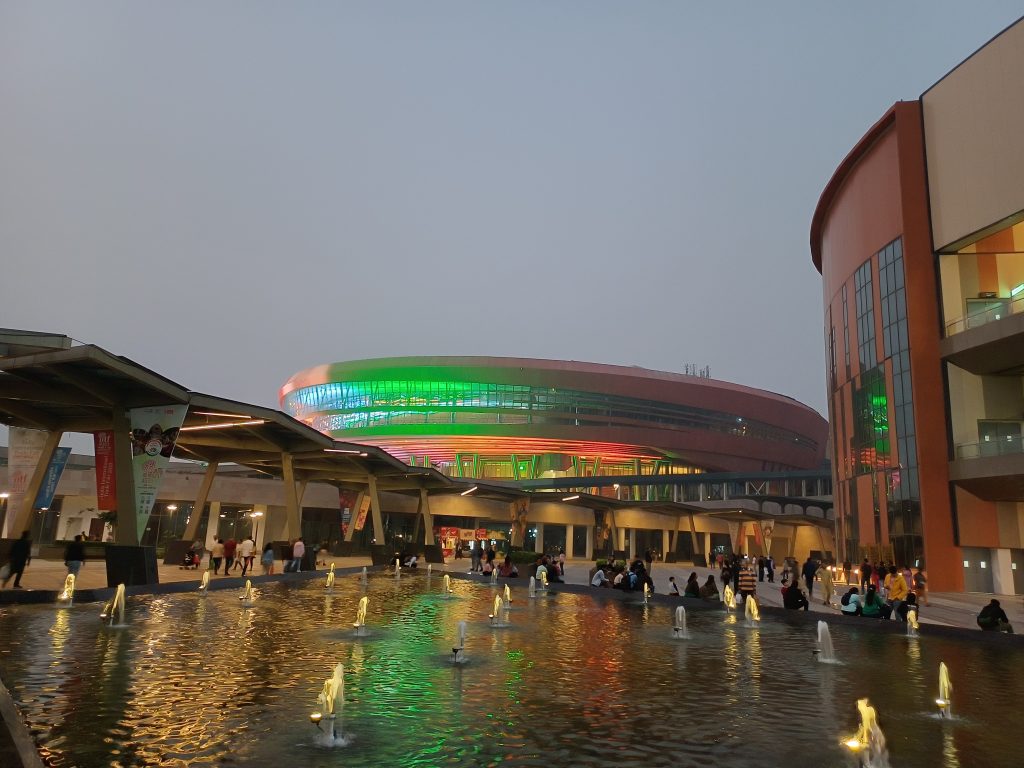
Bharat Mandapam, New Delhi, Wikimedia Commons, CC BY 4.0

Continue Reading
Click to comment

Leave a Reply

Your email address will not be published. Required fields are marked *

Government

Single exam card at Rs 100: Maharashtra’s MPSC reform promise

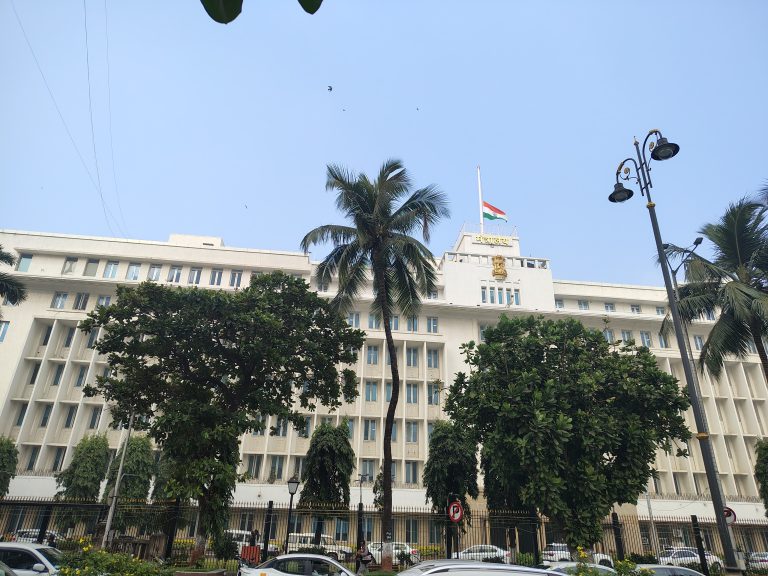
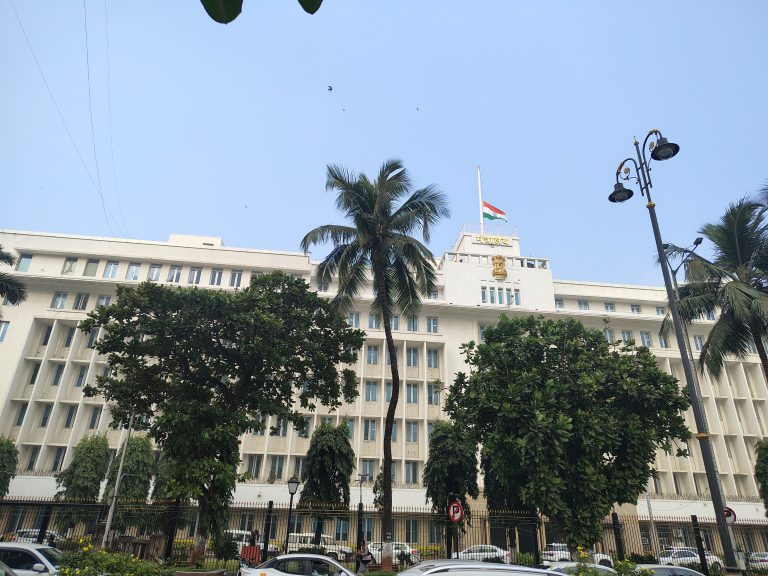
The Maharashtra government has terminated the deputation of MPSC Secretary Mahendra Harpalkar after Chief Minister Devendra Fadnavis met protesting aspirants, who called off an October 2 protest after he promised an inquiry into the commission chairman’s functioning.

Published

on

Maharashtra has agreed to a single examination card system for MPSC candidates at a fee of Rs 100.

It is on the lines of the Rajasthan model.

The assurance was among those Chief Minister Devendra Fadnavis gave student representatives on September 30.

He also assured offline examinations and recruitment for about 30,000 posts.

An October 2 protest by aspirants was suspended.

Student representatives who attended included Nitin Andhale, who said the meeting was positive.

The students’ demands included action on alleged irregularities in the functioning of the MPSC and the chairman’s resignation.

They also demanded recruitment for 70,000 vacant posts and offline examinations.

Fadnavis assured them that a retired judge would inquire into the functioning of the MPSC chairman within three months.

He also assured the immediate transfer of the MPSC secretary and that future examinations would be held offline.

He assured recruitment for about 30,000 vacant posts, with a recruitment calendar to be announced within one month.

A single examination card system at a fee of Rs 100, on the lines of the Rajasthan model, was also agreed.

An inquiry into the paper leak issue was among the demands the government agreed to address, according to Andhale.

The reports did not say which examination the alleged paper leak concerned.

The MPSC chairman remains in his post while the inquiry is pending, and student groups and political leaders have asked for further accountability.

The Maharashtra Public Service Commission conducts recruitment examinations for posts in the Maharashtra government.

A deputation is a temporary posting of an officer to another body, and terminating it sends the officer back to the parent department.

A Lokshahi report said an October 2 protest against the MPSC paper leak was to be held under the leadership of MLA Rohit Pawar.

The Pune Police Commissioner, Amitesh Kumar, and DCP Prashant Amritkar attended the September 30 meeting as special invitees.

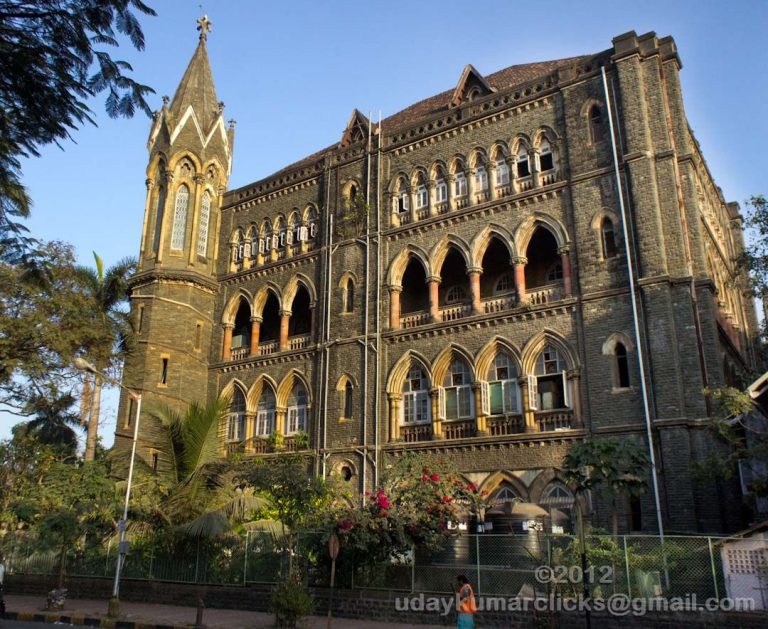
Mantralaya, Mumbai (file image), Wikimedia Commons, CC BY-SA 4.0

Continue Reading

Government

Delhi’s command centre arrives ahead of the winter pollution plan

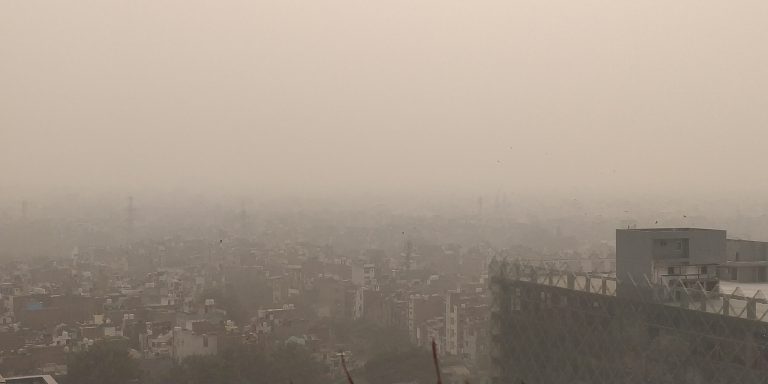
Delhi Chief Minister Rekha Gupta inaugurated an Integrated Command and Control Centre on October 2 to monitor pollution sources in real time, using AI cameras on more than 700 construction sites and GPS tracking of sweeping machinery.

Published

on

Delhi’s new pollution command centre launched ahead of the winter pollution action plan.

The plan takes effect from November 1 and runs through February 2027.

The centre will monitor construction sites, sweeping machinery and open burning.

It was inaugurated by CM Rekha Gupta on October 2.

AI cameras will cover more than 700 construction sites.

AI-driven cameras will monitor construction sites larger than 500 square metres.

More than 700 identified construction sites are covered by the monitoring.

GPS will be used to track mechanical road-sweeping machinery and pollution-control towers across Delhi.

The centre will also monitor pollution hotspots and open burning.

It integrates complaints and inspection data so that the relevant departments can act faster.

The launch comes ahead of Delhi’s winter pollution action plan, which takes effect from November 1 and runs through February 2027.

Construction dust, road dust and open burning are among the local sources of air pollution in Delhi.

Delhi’s air quality typically worsens sharply in the winter months as local emissions combine with weather conditions that trap pollutants.

Real-time monitoring is intended to make enforcement against violators faster than periodic manual inspections allow.

Delhi’s winter action plan also includes staggered office timings, doubled parking charges and a ban on non-BS-VI vehicles from outside the city from November 1.

A ‘No PUCC, No Fuel’ campaign is also planned for petrol pumps across the city.

Union Environment Minister Bhupender Yadav and Chief Minister Rekha Gupta reviewed the winter plan in late September.

Pollution-control towers and mechanical sweepers are among the equipment Delhi uses to reduce dust and particulate matter on roads.

Integrated command centres are used in several Indian cities to combine data from cameras, sensors and complaints in one place.

Enforcement agencies in Delhi include the city government’s environment department, the municipal corporation and the pollution control committee.

Delhi air pollution (representative image), Wikimedia Commons, CC BY-SA 4.0

Continue Reading

Government

What the INDIA bloc wants from the Supreme Court on SIR

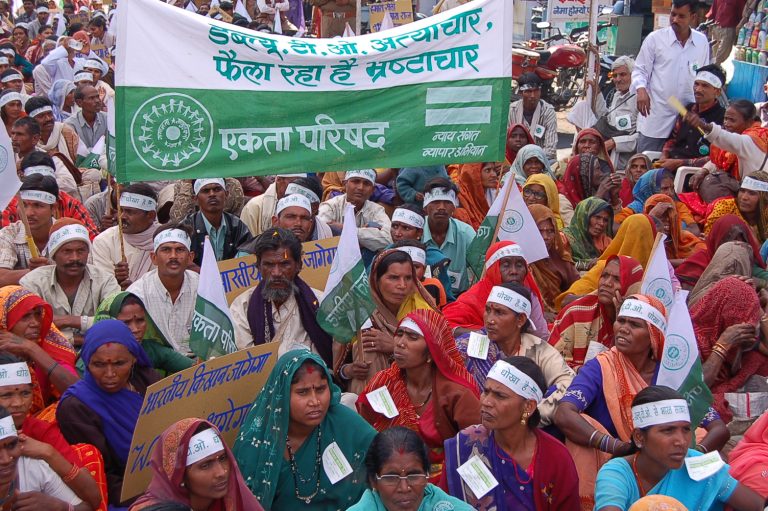
The INDIA bloc announced ‘Save Democracy’ marches in all districts from October 2-8 and a march to the Election Commission on October 6, demanding elections be held on ballot paper and seeking an early Supreme Court hearing on SIR-related cases.

Published

on

The INDIA bloc has decided to appeal to the Supreme Court for an early hearing on cases related to the Special Intensive Revision.

The decision came alongside the announcement of ‘Save Democracy’ marches from October 2-8.

Opposition MPs will march to the Election Commission on October 6.

The bloc also wants all future elections held on ballot paper.

The campaign follows a meeting attended by leaders of 19 political parties.

Kharge said laws framed by what he called the ‘vote chori government’ should be annulled.

The INDIA bloc decided to appeal to the Supreme Court for an early hearing on cases related to the Special Intensive Revision.

Leaders of the Opposition in both houses of Parliament will seek an appointment with the President.

A representation to the President is planned for the second week of October.

District-level demonstrations will be held outside district magistrates’ offices, with youth and NGOs invited to participate.

The protests stem from allegations of irregularities in the Special Intensive Revision of electoral rolls.

The dispute has also involved a demand for the resignation of Chief Election Commissioner Gyanesh Kumar.

AAP and DMK had skipped an earlier INDIA bloc meeting on the same issue but indicated separate support for related demands.

The Special Intensive Revision is a process in which the Election Commission re-verifies electoral rolls across states.

The INDIA bloc is a coalition of opposition parties that has coordinated on select issues since its formation.

Protest marches of this scale typically require coordination among state-level party units across the country.

The opposition INDIA bloc announced ‘Save Democracy’ marches to be held in all districts from October 2 to 8.

All opposition MPs will separately march to the Election Commission on October 6.

The announcement came at a meeting attended by leaders of 19 political parties.

Congress chief Mallikarjun Kharge said there was unanimous agreement that all future elections should be held on ballot paper.

Public rally in India (representative image), Wikimedia Commons, CC BY-SA 3.0

Continue Reading

Trending