
Brandpost
From Army Colonel to Corporate HR Icon: Dr Sanjay Verma Launches Perfect Palette and Third Book

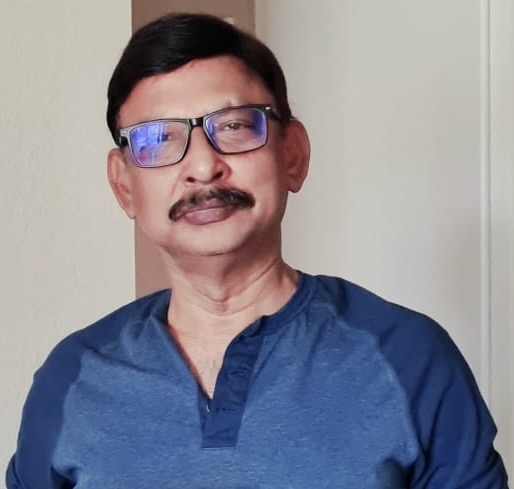
Former Reliance and Dhirendra Group HR Leader Opens a New Learning Consultancy While His Third Book, The Anatomy of the Siren in the Crossfire, Debuts on Amazon
Dr Sanjay Verma, a retired Indian Army Colonel and former Chief Human Resources Officer of the Dhirendra Group, has launched a new HR and training consultancy, Perfect Palette, alongside co-founder Mona Verma. The launch coincides with the release of his third book, The Anatomy of the Siren in the Crossfire, which went live on Amazon earlier this month, following his two previous titles, Corporate Cocktail and Catastrophe.
Dr Verma’s career spans two distinct worlds: 20-plus years of military leadership and an equally long second career in corporate human resources, where he held senior roles including VP and Head of Learning & Development at Reliance Industries. That combination now forms the foundation of Perfect Palette, a leadership and learning consultancy built around what the company describes as veteran-led expertise.
A Career Bridging the Army and the Boardroom
An alumnus of RIMC Dehradun, Dr Verma underwent military training at the NDA and IMA before being commissioned into The Central India Horse, an armoured regiment of the Indian Army, in June 1983. A graduate of the Defence Services Staff College, he served in three operational assignments, including an active tenure in the Gurez Sector of Jammu & Kashmir on the Line of Control in a high-altitude area, before taking premature release to join the corporate world.
In his corporate career, he has worked with organisations including Tata Power, HCL Technology, Larsen & Toubro, and Reliance Industries, where he superannuated as VP and Head of the Petrochemical Academy. He later served as Group Chief Human Resources Officer of the Dhirendra Group. He holds an MSc, an MBA in HR, and a PhD in Sustainable Human Development from Jamia Hamdard University, New Delhi, and has served as a Mentor of Change with NITI Aayog, Government of India.
His contributions to the HR profession have been formally recognised in recent years. In 2025, he received recognition as the Great Indian CHRO Icon by Transformance and as the Most Iconic CHRO by the Golden Aim Awards. He was also named among the 25 Most Influential Training & Development Professionals by the World HRD Congress in both 2016 and 2018. Over the course of his career, he has trained more than 10,000 employees, largely engineers and MBAs, across subjects including HR policy, labour law, leadership, negotiation, conflict management, emotional intelligence, change management, culture & etiquette and business communication to name a few.
Perfect Palette: A New Leadership and Learning Consultancy
Perfect Palette, co-founded by Dr Verma and Mona Verma, positions itself as a premier leadership and learning consultancy delivering bespoke programs in personal development, executive leadership, communication, and operational excellence, both onsite and virtually. The firm’s course catalogue spans a wide range of topics, including executive coaching, campus-to-corporate transition, business communication and etiquette, emotional intelligence and resilience, negotiation mastery, conflict management, presentation skills, executive presence, customer relationship management and team building, designed for audiences ranging from early-career talent to senior executives and specialised cross-functional teams.
The consultancy has already been active in the market. In February 2026, Dr Verma conducted a full-day workshop on HR and labour laws in Mumbai for HR heads, and he has also delivered a session on emotional intelligence and resilience for the top management of a cement plant in Jhansi in July 2026. Perfect Palette’s stated framework moves through need analysis, measurement using tools such as the Kirkpatrick and 6D models, and continuous improvement, delivered through physical, virtual, and blended learning formats.
Co-founder Mona Verma brings her own cross-industry background to the venture, with postgraduate qualifications in HR from IIM Calcutta and in Hospitality Management from the ITC Welcome Group, along with experience delivering training in facility management & administration, soft skills, personality development, and corporate grooming across the automotive, hospitality, media, and service sectors.
A Parallel Career as an Author
Alongside his HR and consulting work, Dr Verma has built a body of published fiction and non-fiction. His first book, Corporate Cocktail, released in August 2017, draws on his corporate journey to explore stories of humility, positive attitude, and caring behaviour in professional life. His second book, Catastrophe, released in October 2018, is his first novel, a work of fiction inspired by real incidents in the life of a soldier who is capable of protecting his motherland but finds himself unable to protect his own family.
His third book, The Anatomy of the Siren in the Crossfire, is a global thriller that went live on Amazon just days ago. Billed as the story of “a global war, a human cost, and a race against time,” the novel follows nations colliding in brutal conflict while voices of temptation and betrayal pull leaders, lovers, and soldiers into impossible choices. Corporate Cocktail and Catastrophe are both available on Amazon and Flipkart, and the publishers can be contacted directly for bulk orders.
Author and Consultancy Details
| Name | Dr Sanjay Verma, MSc, MBA, PhD |
| Background | Retired Army Colonel; former CHRO, Dhirendra Group; former VP & Head L&D, Reliance Industries |
| New Venture | Perfect Palette — HR & Leadership Training Consultancy (Co-Founder: Mona Verma) |
| Recent Workshops | HR & Labour Laws (Mumbai, Feb 2026); Emotional Intelligence & Resilience (Jhansi Cement Plant) |
| Books Published | Corporate Cocktail (2017), Catastrophe (2018), The Anatomy of the Siren in the Crossfire (2026) |
| Book Availability | Amazon, Flipkart (bulk orders via publishers) |
| linkedin.com/in/drsanjayverma | |
| Contact | perfectpalette1@gmail.com | +91 9999991015 / +91 9999993134 |
Connect
Dr Sanjay Verma writes regularly on LinkedIn and can be reached at linkedin.com/in/drsanjayverma. For training and consultancy enquiries with Perfect Palette, contact perfectpalette1@gmail.com or call +91 9999991015 / +91 9999993134.
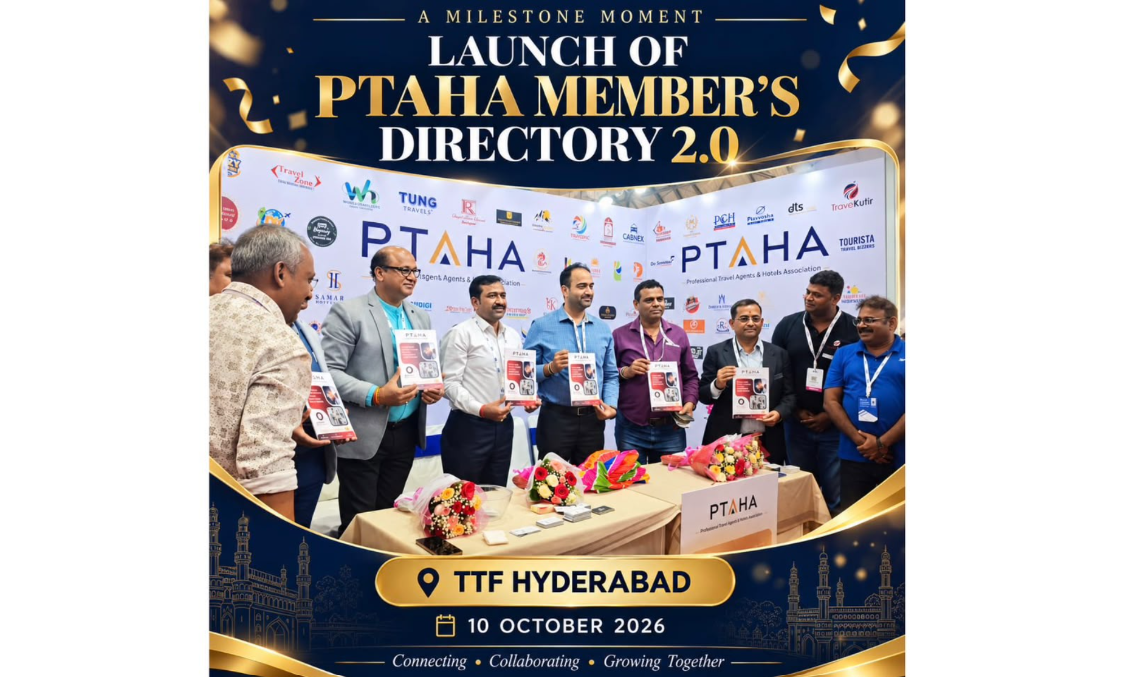
Hyderabad, 10 October 2026: The Professional Travel Agents and Hotels Association (PTAHA) launched its Members’ Directory 2.0 at the Travel & Tourism Fair (TTF) Hyderabad on 10 October 2026, marking an important step towards enhancing member visibility, business networking, and collaboration across India’s tourism and hospitality sector.
The initiative was launched under the guidance of Mr. Rishi Deepak Budhadev, National President, PTAHA. The event was executed by Mr. Suresh Nair, Vice President, alongside Mr. Ankit Singh Maurya, Founder Member, and Mr. Biju Xavier, Founder Member.
The launch was attended by distinguished representatives from state tourism departments, highlighting the importance of cooperation between tourism authorities and industry stakeholders.
Dignitaries present at the event included:
- Mr. Rajesh Kale – Deputy Director, Goa Tourism
- Mr. Kundan Naik – Deputy Director, Goa Tourism
- Mr. Harsh Mittal – Punjab Tourism
- Mr. Ajit – Gujarat Tourism
- Mr. Vijay Jadhav – Deputy Director, Maharashtra Tourism
- Mr. Sajib Karmani – Jammu & Kashmir Tourism
The new directory aims to provide PTAHA members with improved professional visibility and easier access to business connections, supporting stronger partnerships among travel agents, tour operators, hotels, and other tourism stakeholders.
The successful launch at TTF Hyderabad reflects PTAHA’s continued commitment to member development and meaningful engagement with tourism departments and trade partners.
About PTAHA
The Professional Travel Agents and Hotels Association (PTAHA) works to connect and support travel and hospitality professionals through networking, business promotion, and initiatives that create opportunities for its members.
For more information:
Website: www.ptaha.org.in (https://www.ptaha.org.in)
Professional Travel Agents and Hotels Association (PTAHA)

Agartala, India: A new thriller-drama short film titled Hatela Gang is currently taking shape in Agartala, bringing together a local filmmaking team and an ensemble cast for a story built around suspense, drama and unexpected developments. The film is being produced under the banner of PRAYAS FILM PRODUCTIONS.
Directed by Sapling Chakraborty and produced by Janardhan Roy, Hatela Gang is expected to combine elements of thriller and drama while exploring a chain of tense and mysterious situations. The production is presently in the shooting/pre-production stage, with the makers planning a release around the last week of November.
The film features a diverse ensemble cast, including Pranab Kr Nath, Ankur Roy, Rinku Roy, Puja Deb, Pradip Paul, Manidipa Roy, Ranjan Roy, Moumita Bhattacharya and Mintu Roy. The collaboration of the cast and crew is expected to play an important role in creating the film’s suspenseful atmosphere and dramatic impact.
Set against the backdrop of Agartala, Hatela Gang seeks to make the most of its local setting while presenting a story designed to keep audiences engaged. The combination of thriller elements and human drama is expected to give the short film a distinctive narrative tone.
The production team has been working on the film with the aim of developing a compact but engaging cinematic experience. As a short film, Hatela Gang is expected to focus on its central storyline and characters while gradually building tension through a series of suspicious and dramatic developments.
For PRAYAS FILM PRODUCTIONS, the project represents another creative effort to develop original screen content and provide opportunities for filmmakers and performers in the region. The production house has been associated with independent filmmaking and creative projects, and Hatela Gang adds another thriller-oriented project to its slate.
Director Sapling Chakraborty leads the creative direction of the project, while producer Janardhan Roy oversees the production. Their collaboration brings together the technical and creative aspects required to complete the short film.
Among the cast, Pranab Kr Nath is one of the notable names associated with the project. Along with Ankur Roy, Rinku Roy, Puja Deb, Pradip Paul, Manidipa Roy, Ranjan Roy, Moumita Bhattacharya and Mintu Roy, he forms part of the ensemble expected to bring the film’s characters to life.
With shooting currently underway, further details about the storyline, characters and release plans are expected to emerge as production progresses. The filmmakers are preparing the project for an anticipated release in the final week of November, subject to the completion of production and post-production work.
As anticipation builds around the project, Hatela Gang is positioned as a locally produced thriller-drama short film that aims to combine suspense, dramatic storytelling and an ensemble performance. With Agartala serving as its cinematic backdrop, the film is expected to showcase the creative potential of the region’s independent filmmaking community.
Film Details
- Film: Hatela Gang
- Type: Short Film
- Genre: Thriller / Drama
- Production: PRAYAS FILM PRODUCTIONS
- Location: Agartala, India
- Director: Sapling Chakraborty
- Producer: Janardhan Roy
- Status: Shooting / Pre-production
- Expected Release: Approximately the last week of November
- Cast: Pranab Kr Nath, Ankur Roy, Rinku Roy, Puja Deb, Pradip Paul, Manidipa Roy, Ranjan Roy, Moumita Bhattacharya and Mintu Roy
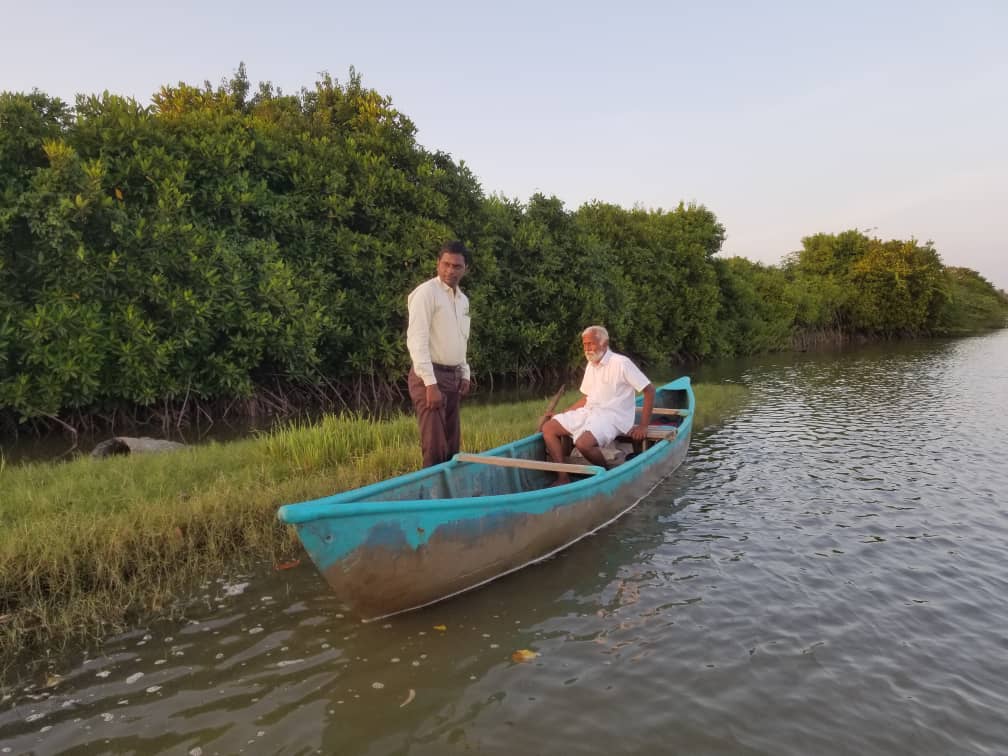
A Community-Based Conservation Initiative by AALAMARAM NGO, India
Mangrove ecosystems are among the world’s most valuable coastal ecosystems. Occupying the narrow zone where land meets the sea, mangrove forests protect coastlines, sustain biodiversity, support fisheries, store vast amounts of carbon, and provide livelihoods for millions of people. Despite occupying less than one percent of the Earth’s tropical forests, mangroves deliver ecosystem services worth billions of dollars annually.
Across the world, these unique forests are disappearing at an alarming rate because of industrialization, urban expansion, pollution, aquaculture, and climate change. Their destruction not only threatens biodiversity but also exposes coastal communities to cyclones, storm surges, flooding, erosion, and sea-level rise.
Recognizing their global importance, the United Nations designated 26 July as the International Day for the Conservation of the Mangrove Ecosystem, emphasizing the urgent need to conserve and restore these remarkable forests.
Inspired by this global mission, AALAMARAM NGO, established in 2009 in Cuddalore District, Tamil Nadu, India, has devoted itself to restoring degraded mangrove ecosystems through community participation, environmental awareness, and voluntary action. Without depending on government grants, the organization has mobilized local youth and villagers to plant and protect more than 250,000 mangrove saplings along the Uppanar River and nearby coastal wetlands.
This article presents the ecological, social, economic, and climate significance of mangrove ecosystems while documenting the conservation journey undertaken by AALAMARAM NGO. It demonstrates how community-driven environmental stewardship can contribute to national and global sustainable development goals.
2. Understanding Mangrove Ecosystems
Mangroves are salt-tolerant trees and shrubs that grow naturally along tropical and subtropical coastlines where freshwater rivers meet the sea. These ecosystems thrive under conditions that are too harsh for most other plants, including saline water, oxygen-poor soils, tidal flooding, and unstable sediments.
Mangroves have evolved remarkable adaptations to survive in these challenging environments. Their aerial roots absorb oxygen directly from the atmosphere during high tides, while specialized root systems anchor trees firmly against strong waves and currents. Many species also possess salt-filtering mechanisms that allow them to survive in highly saline environments.
More than 70 species of true mangroves exist worldwide, forming complex ecosystems that support thousands of species of fish, crustaceans, mollusks, birds, reptiles, insects, and mammals.
Rather than existing as isolated forests, mangroves function as interconnected ecosystems linking rivers, estuaries, wetlands, seagrass meadows, coral reefs, and the open ocean. The health of each component directly influences the others, making mangroves indispensable to coastal ecological balance.
3. Global Importance of Mangrove Ecosystems
Mangroves provide ecological services that are essential not only for coastal communities but also for global environmental stability.
Climate Change Mitigation
Mangroves are among the most efficient natural carbon sinks on Earth. They capture atmospheric carbon dioxide through photosynthesis and store enormous quantities of carbon within their trunks, roots, and deep organic soils. Unlike many terrestrial forests, mangrove soils retain carbon for centuries, making them critical ecosystems for combating climate change.
This stored carbon, commonly known as Blue Carbon, represents one of the world’s most effective natural climate solutions.
Coastal Protection
Dense mangrove forests significantly reduce wave energy before it reaches the shoreline. Their intricate root systems stabilize sediments, reduce erosion, prevent shoreline retreat, and lessen the destructive impacts of cyclones, hurricanes, and storm surges.
Scientific studies following major coastal disasters have consistently shown that villages protected by healthy mangrove forests suffer fewer casualties and reduced infrastructure damage than areas where mangroves have been removed.
Biodiversity Conservation
Mangrove ecosystems serve as breeding grounds, nurseries, feeding habitats, and migration corridors for countless marine and terrestrial species.
Juvenile fish, prawns, crabs, oysters, and shellfish depend on mangrove roots during the early stages of life before migrating into deeper coastal waters. Numerous migratory birds rely on mangrove wetlands for feeding and nesting.
The survival of many commercial fisheries depends directly upon healthy mangrove ecosystems.
Water Quality Improvement
Mangrove root systems naturally trap sediments, absorb nutrients, filter pollutants, and improve coastal water quality.
By intercepting contaminants before they reach coral reefs and seagrass beds, mangroves help maintain the health of entire marine ecosystems.
4. Mangroves of India: A National Ecological Treasure
India possesses one of the richest mangrove ecosystems in the world, extending along approximately 4,900 square kilometres of the country’s coastline. These ecosystems are distributed across the eastern and western coasts, as well as the Andaman and Nicobar Islands. Important mangrove regions include the Sundarbans in West Bengal, Bhitarkanika in Odisha, the Godavari and Krishna deltas in Andhra Pradesh, the Gulf of Kachchh in Gujarat, and the Pichavaram and Muthupet mangroves in Tamil Nadu.
Mangroves represent one of India’s most valuable natural assets because they simultaneously protect biodiversity, fisheries, coastal livelihoods, and climate resilience. They support thousands of species of fish, shellfish, crustaceans, molluscs, reptiles, amphibians, mammals, and migratory birds.
India’s National Action Plan on Climate Change recognizes mangrove conservation as an important nature-based solution for reducing the impacts of global climate change. Their ability to absorb atmospheric carbon dioxide while protecting coastlines makes them indispensable for sustainable coastal development.
Despite their importance, Indian mangroves continue to face threats from industrial development, pollution, conversion into aquaculture farms, urban expansion, and sea-level rise. Conserving these ecosystems is therefore not only an environmental priority but also a national responsibility.
5. Pichavaram Mangroves – One of the World’s Ecological Wonders
Located in Cuddalore District of Tamil Nadu, the Pichavaram Mangrove Forest is one of the largest and healthiest mangrove ecosystems in India. Spread across thousands of hectares between the Vellar and Coleroon river systems, Pichavaram is internationally recognized for its extraordinary biodiversity and ecological importance.
The forest consists of an intricate network of tidal waterways, islands, mudflats, lagoons, estuaries, and dense mangrove vegetation. More than fifty islands interconnected by hundreds of narrow canals create one of the most unique wetland landscapes in South Asia.
Pichavaram serves as an important nursery for marine fisheries by providing breeding grounds for commercially valuable fish, prawns, crabs, and shellfish. Thousands of migratory birds visit these wetlands every year, making it one of India’s important bird habitats.
The mangrove forest also plays a vital role in regulating coastal hydrology by filtering sediments, improving water quality, reducing erosion, and maintaining ecological balance between freshwater and marine ecosystems.
Its ecological significance extends beyond India and contributes to global biodiversity conservation efforts.
6. The Uppanar River and the Mangrove Ecosystem of Cuddalore
The Uppanar River forms one of the most environmentally significant estuarine systems along the southeast coast of India. Flowing through the Cuddalore region before joining the Bay of Bengal, the river supports extensive tidal wetlands that provide favourable conditions for mangrove growth.
For centuries, these wetlands have supported coastal communities through fisheries, crab harvesting, shellfish collection, and traditional livelihoods. The mangrove vegetation along the Uppanar River stabilizes riverbanks, traps sediments, filters pollutants, and maintains water quality before freshwater enters the sea.
However, rapid industrialization around the SIPCOT industrial complex has significantly increased environmental pressure on this fragile ecosystem. Industrial emissions, untreated effluents, plastic waste, urban sewage, and land-use changes threaten both biodiversity and human health.
Recognizing these growing threats, AALAMARAM NGO identified the Uppanar River as a priority area for ecological restoration. Since 2009, the organization has undertaken continuous mangrove plantation, monitoring, maintenance, and community awareness activities aimed at restoring ecological balance along this important estuary.
7. Why Mangroves Matter in the Era of Climate Change
Climate change has emerged as one of humanity’s greatest challenges. Rising global temperatures are causing glaciers to melt, oceans to expand, and sea levels to rise. Coastal communities are increasingly exposed to stronger cyclones, tidal flooding, saline intrusion, shoreline erosion, and extreme weather events.
Mangroves provide one of nature’s most effective defences against these impacts.
Unlike artificial seawalls, mangrove forests grow stronger over time. Their dense root systems trap sediments, gradually raising land elevation and enabling coastlines to adapt naturally to rising sea levels.
Scientific research has shown that healthy mangrove forests can reduce wave heights significantly before they reach coastal settlements. During tropical cyclones, mangroves absorb wave energy, decrease flood intensity, and reduce damage to homes, roads, agricultural land, and public infrastructure.
Mangroves also act as natural climate regulators by storing exceptionally high quantities of carbon in their soils for hundreds to thousands of years. This carbon storage capacity exceeds that of many terrestrial forests, making mangrove conservation an essential strategy for mitigating global warming.
Protecting mangroves therefore contributes simultaneously to climate adaptation, disaster risk reduction, biodiversity conservation, food security, and sustainable economic development.


PTAHA Launches Members’ Directory 2.0 at TTF Hyderabad

Contempt of court explained: What the Metro plea asks the Supreme Court to decide

Hunger strike explained: Why Wangchuk threatens an indefinite fast

Redfox Overseas: Customize Your Own Energy Drink and Stand Out in the Market

Zamzam Company CEO Chhote Bhai-Bade Bhai gave a grand welcome to Indian writer Devhari Sirvi in Dubai

Shikha Sharma: The Fashion Journalist, Blogger, and Plus-Size Model Taking the Industry by Storm
-
 Brandpost2 years ago
Redfox Overseas: Customize Your Own Energy Drink and Stand Out in the Market
-
 Brandpost2 years ago
Zamzam Company CEO Chhote Bhai-Bade Bhai gave a grand welcome to Indian writer Devhari Sirvi in Dubai
-
 Fashion2 years ago
Shikha Sharma: The Fashion Journalist, Blogger, and Plus-Size Model Taking the Industry by Storm
-
Entertainment2 years ago
Lucky Roxx’s “Yadav Ki Pukar” Goes Viral! Youth Celebrate Unity & Power
-

 Entertainment9 years ago
New Season 8 Walking Dead trailer flashes forward in time
-
Entertainment9 years ago
Meet Superman’s grandfather in new trailer for Krypton
-
Uncategorized2 years ago
Hello world!
-

 Brandpost2 years ago
From Local Hero to National Icon: Satyam Yadav’s Journey with TwentyOne