
Brandpost
India’s Pet Parents Are Loving Their Dogs and Cats More Than Ever — and Feeding Them Worse, Says Vet-Founder Dr. Anshul Rawal
India is in the middle of a pet boom, and it is a young, emotional one. Nearly seven in ten Indian pet parents are raising a dog or cat for the first time, and two-thirds of Gen Z and millennial owners describe their pet as the most important part of their lives, according to a…


India is in the middle of a pet boom, and it is a young, emotional one. Nearly seven in ten Indian pet parents are raising a dog or cat for the first time, and two-thirds of Gen Z and millennial owners describe their pet as the most important part of their lives, according to a global study by Mars Petcare. Yet veterinarians say the affection is not translating into the one daily decision that shapes a pet’s health more than any other: what goes in the bowl.
“The bond has never been stronger, and the nutrition has never been more confused,” says Dr. Anshul Rawal, a veterinarian and the founder of Pawpeye, an Indian maker of fresh, preservative-free wet food for dogs and cats. “Pet parents in India today buy birthday cakes, orthopaedic beds and matching raincoats for their pets. Then they pour a scoop of dry pellets into a bowl, twice a day, for twelve years, and assume that part is handled.”
A Generation of First-Time Pet Parents, Learning on the Job
The Mars study found that 69 per cent of Indian respondents are first-time pet parents, and that most puppies (67 per cent) and kittens (70 per cent) come home at three months or younger. That combination — inexperienced owners and very young animals — means the earliest and most formative nutritional choices are being made by people with no prior reference point.
Dr. Rawal, who says the idea for Pawpeye came from patterns he noticed during veterinary college, describes a familiar clinic scene. “A young couple brings in a one-year-old Labrador. Coat is dull, sheds everywhere, low energy, loose stools on and off. They have done everything right in their minds. They have vaccinated, dewormed, groomed. When I ask what he eats, the answer is almost always the cheapest large bag on the shelf, sometimes topped with leftover rice and dal. Nobody told them that was a problem, so they never questioned it.”
India’s pet food market is expected to cross USD 980 million in 2026, according to Mordor Intelligence, and dry kibble remains the dominant format because it is cheap to ship, cheap to store and easy to serve. Home-cooked meals are the other big category, and they carry their own risks: a 2025 survey by Mars found that 26 per cent of Indian pet parents feeding home-cooked food reported digestive issues in their dogs.
The Symptoms Pet Parents Have Normalised
Pawpeye’s own clinical observation data, gathered across the cases and customer histories the company has reviewed, paints a picture that Dr. Rawal calls “quietly alarming”: roughly eight in ten dogs show dullness or low energy, nine in ten experience excessive hair fall, and around four in ten are overweight or obese. The company also cites the widely reported estimate that as many as one in four dogs will develop cancer in their lifetime.
“What worries me is not the numbers themselves. It is that pet parents in India have accepted these as normal,” Dr. Rawal says. “Hair on the sofa is ‘just what dogs do’. A cat that vomits twice a week is ‘a fussy eater’. A dog that sleeps 18 hours a day is ‘lazy’. In a lot of cases these are the early, visible signs of a diet that is not doing its job.”
He is careful to separate correlation from cause. “I am not saying every dull coat is a food problem. I am saying food is the first thing I would check, because it is the one input the owner controls completely, every single day.”
Why Involvement Matters More Than Money
Dr. Rawal argues that the gap is not about how much Indian pet parents spend, but how little they are involved in the decision. “People will spend Rs 3,000 on a grooming session and Rs 300 on a month’s food, and not see the contradiction. Involvement means reading the ingredient panel, knowing what ‘meat by-products’ and ‘cereal fillers’ mean, noticing stool quality and coat texture, and changing something when the signs are wrong.”
His practical checklist for pet parents, which he shares in Pawpeye’s online vet consultations, is short. Look at the first three ingredients on any pack, and if a named meat is not among them, ask why. Watch the stool for a week after any diet change, because firmness and odour are the fastest feedback loop a pet gives. Track coat shine and shedding over 21 days rather than judging day to day. And treat persistent low energy in a young animal as a signal, not a personality trait.
Building the Food He Wished Existed
Pawpeye was born from the frustration of prescribing “eat better” to owners who had no better option they could afford. Nearly three years of recipe development went into a range of vet-formulated, human-grade wet meals for dogs and cats that use retort cooking, the same sterilisation method used for ready-to-eat human food, to stay shelf-stable without chemical preservatives.
“The goal was never to be a premium brand for a few thousand households in South Delhi and Bandra,” Dr. Rawal says. “It was to make fresh, balanced food practical for the ordinary Indian family that already loves its pet and just needs a better answer at the bowl.”
The company says it has served over one lakh meals to date and publishes what it calls a 21-day visible difference timeline, from firmer stools within days to reduced hair fall and improved coat within three weeks. Independent verification of those timelines is something Dr. Rawal welcomes. “Feed it for three weeks and look at your dog. That is the only test that matters to a pet parent.”
The Bigger Picture
For a country that is adopting pets faster than it is learning how to care for them, Dr. Rawal believes the next phase of India’s pet boom will be defined by literacy, not spending. “We have got the love part right. Now we need to get the involvement part right. A pet parent who understands what they are feeding, and why, is the single biggest health intervention any dog or cat in India can have.”
About Pawpeye and Dr. Anshul Rawal
Pawpeye is an Indian pet food brand founded by veterinarian Dr. Anshul Rawal, offering fresh, preservative-free, vet-formulated wet meals for dogs and cats made using retort cooking technology. The brand has served over one lakh meals to Indian pet parents and publishes a 21-day visible difference timeline tracking improvements in stool quality, shedding and coat health after switching to fresh food.
More information on Pawpeye’s approach to fresh, preservative-free pet nutrition, along with updates from Dr. Anshul Rawal, is available through the following channels:
Website: https://pawpeye.com
Instagram: https://www.instagram.com/p/Dc2lWHhzA3p/

Agartala, India: A new thriller-drama short film titled Hatela Gang is currently taking shape in Agartala, bringing together a local filmmaking team and an ensemble cast for a story built around suspense, drama and unexpected developments. The film is being produced under the banner of PRAYAS FILM PRODUCTIONS.
Directed by Sapling Chakraborty and produced by Janardhan Roy, Hatela Gang is expected to combine elements of thriller and drama while exploring a chain of tense and mysterious situations. The production is presently in the shooting/pre-production stage, with the makers planning a release around the last week of November.
The film features a diverse ensemble cast, including Pranab Kr Nath, Ankur Roy, Rinku Roy, Puja Deb, Pradip Paul, Manidipa Roy, Ranjan Roy, Moumita Bhattacharya and Mintu Roy. The collaboration of the cast and crew is expected to play an important role in creating the film’s suspenseful atmosphere and dramatic impact.
Set against the backdrop of Agartala, Hatela Gang seeks to make the most of its local setting while presenting a story designed to keep audiences engaged. The combination of thriller elements and human drama is expected to give the short film a distinctive narrative tone.
The production team has been working on the film with the aim of developing a compact but engaging cinematic experience. As a short film, Hatela Gang is expected to focus on its central storyline and characters while gradually building tension through a series of suspicious and dramatic developments.
For PRAYAS FILM PRODUCTIONS, the project represents another creative effort to develop original screen content and provide opportunities for filmmakers and performers in the region. The production house has been associated with independent filmmaking and creative projects, and Hatela Gang adds another thriller-oriented project to its slate.
Director Sapling Chakraborty leads the creative direction of the project, while producer Janardhan Roy oversees the production. Their collaboration brings together the technical and creative aspects required to complete the short film.
Among the cast, Pranab Kr Nath is one of the notable names associated with the project. Along with Ankur Roy, Rinku Roy, Puja Deb, Pradip Paul, Manidipa Roy, Ranjan Roy, Moumita Bhattacharya and Mintu Roy, he forms part of the ensemble expected to bring the film’s characters to life.
With shooting currently underway, further details about the storyline, characters and release plans are expected to emerge as production progresses. The filmmakers are preparing the project for an anticipated release in the final week of November, subject to the completion of production and post-production work.
As anticipation builds around the project, Hatela Gang is positioned as a locally produced thriller-drama short film that aims to combine suspense, dramatic storytelling and an ensemble performance. With Agartala serving as its cinematic backdrop, the film is expected to showcase the creative potential of the region’s independent filmmaking community.
Film Details
- Film: Hatela Gang
- Type: Short Film
- Genre: Thriller / Drama
- Production: PRAYAS FILM PRODUCTIONS
- Location: Agartala, India
- Director: Sapling Chakraborty
- Producer: Janardhan Roy
- Status: Shooting / Pre-production
- Expected Release: Approximately the last week of November
- Cast: Pranab Kr Nath, Ankur Roy, Rinku Roy, Puja Deb, Pradip Paul, Manidipa Roy, Ranjan Roy, Moumita Bhattacharya and Mintu Roy
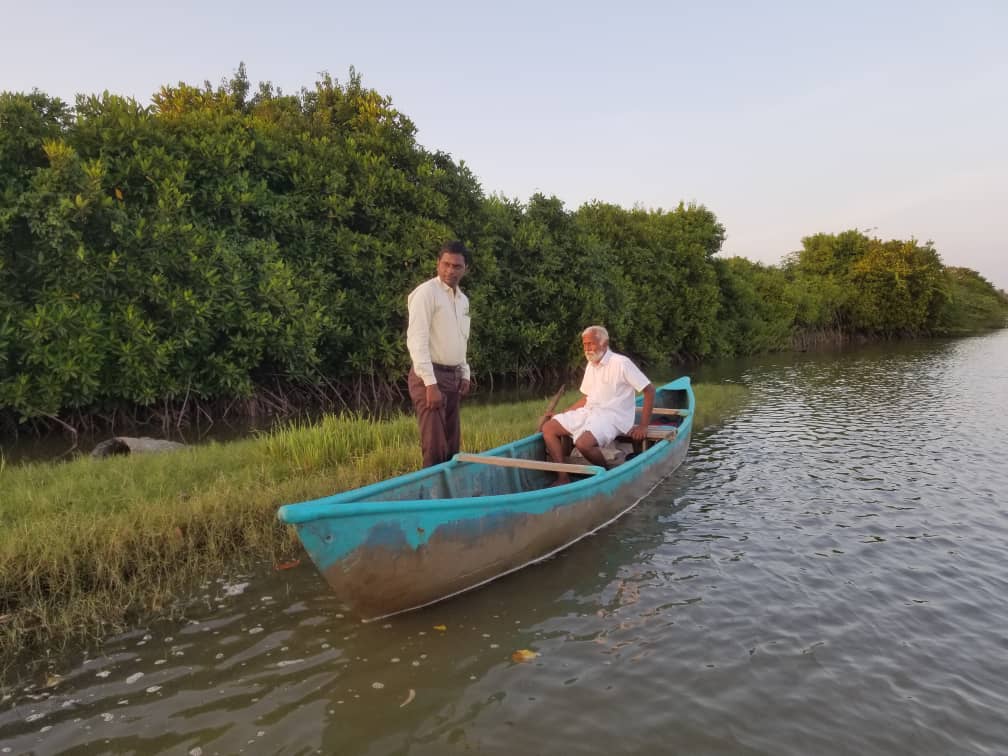
A Community-Based Conservation Initiative by AALAMARAM NGO, India
Mangrove ecosystems are among the world’s most valuable coastal ecosystems. Occupying the narrow zone where land meets the sea, mangrove forests protect coastlines, sustain biodiversity, support fisheries, store vast amounts of carbon, and provide livelihoods for millions of people. Despite occupying less than one percent of the Earth’s tropical forests, mangroves deliver ecosystem services worth billions of dollars annually.
Across the world, these unique forests are disappearing at an alarming rate because of industrialization, urban expansion, pollution, aquaculture, and climate change. Their destruction not only threatens biodiversity but also exposes coastal communities to cyclones, storm surges, flooding, erosion, and sea-level rise.
Recognizing their global importance, the United Nations designated 26 July as the International Day for the Conservation of the Mangrove Ecosystem, emphasizing the urgent need to conserve and restore these remarkable forests.
Inspired by this global mission, AALAMARAM NGO, established in 2009 in Cuddalore District, Tamil Nadu, India, has devoted itself to restoring degraded mangrove ecosystems through community participation, environmental awareness, and voluntary action. Without depending on government grants, the organization has mobilized local youth and villagers to plant and protect more than 250,000 mangrove saplings along the Uppanar River and nearby coastal wetlands.
This article presents the ecological, social, economic, and climate significance of mangrove ecosystems while documenting the conservation journey undertaken by AALAMARAM NGO. It demonstrates how community-driven environmental stewardship can contribute to national and global sustainable development goals.
2. Understanding Mangrove Ecosystems
Mangroves are salt-tolerant trees and shrubs that grow naturally along tropical and subtropical coastlines where freshwater rivers meet the sea. These ecosystems thrive under conditions that are too harsh for most other plants, including saline water, oxygen-poor soils, tidal flooding, and unstable sediments.
Mangroves have evolved remarkable adaptations to survive in these challenging environments. Their aerial roots absorb oxygen directly from the atmosphere during high tides, while specialized root systems anchor trees firmly against strong waves and currents. Many species also possess salt-filtering mechanisms that allow them to survive in highly saline environments.
More than 70 species of true mangroves exist worldwide, forming complex ecosystems that support thousands of species of fish, crustaceans, mollusks, birds, reptiles, insects, and mammals.
Rather than existing as isolated forests, mangroves function as interconnected ecosystems linking rivers, estuaries, wetlands, seagrass meadows, coral reefs, and the open ocean. The health of each component directly influences the others, making mangroves indispensable to coastal ecological balance.
3. Global Importance of Mangrove Ecosystems
Mangroves provide ecological services that are essential not only for coastal communities but also for global environmental stability.
Climate Change Mitigation
Mangroves are among the most efficient natural carbon sinks on Earth. They capture atmospheric carbon dioxide through photosynthesis and store enormous quantities of carbon within their trunks, roots, and deep organic soils. Unlike many terrestrial forests, mangrove soils retain carbon for centuries, making them critical ecosystems for combating climate change.
This stored carbon, commonly known as Blue Carbon, represents one of the world’s most effective natural climate solutions.
Coastal Protection
Dense mangrove forests significantly reduce wave energy before it reaches the shoreline. Their intricate root systems stabilize sediments, reduce erosion, prevent shoreline retreat, and lessen the destructive impacts of cyclones, hurricanes, and storm surges.
Scientific studies following major coastal disasters have consistently shown that villages protected by healthy mangrove forests suffer fewer casualties and reduced infrastructure damage than areas where mangroves have been removed.
Biodiversity Conservation
Mangrove ecosystems serve as breeding grounds, nurseries, feeding habitats, and migration corridors for countless marine and terrestrial species.
Juvenile fish, prawns, crabs, oysters, and shellfish depend on mangrove roots during the early stages of life before migrating into deeper coastal waters. Numerous migratory birds rely on mangrove wetlands for feeding and nesting.
The survival of many commercial fisheries depends directly upon healthy mangrove ecosystems.
Water Quality Improvement
Mangrove root systems naturally trap sediments, absorb nutrients, filter pollutants, and improve coastal water quality.
By intercepting contaminants before they reach coral reefs and seagrass beds, mangroves help maintain the health of entire marine ecosystems.
4. Mangroves of India: A National Ecological Treasure
India possesses one of the richest mangrove ecosystems in the world, extending along approximately 4,900 square kilometres of the country’s coastline. These ecosystems are distributed across the eastern and western coasts, as well as the Andaman and Nicobar Islands. Important mangrove regions include the Sundarbans in West Bengal, Bhitarkanika in Odisha, the Godavari and Krishna deltas in Andhra Pradesh, the Gulf of Kachchh in Gujarat, and the Pichavaram and Muthupet mangroves in Tamil Nadu.
Mangroves represent one of India’s most valuable natural assets because they simultaneously protect biodiversity, fisheries, coastal livelihoods, and climate resilience. They support thousands of species of fish, shellfish, crustaceans, molluscs, reptiles, amphibians, mammals, and migratory birds.
India’s National Action Plan on Climate Change recognizes mangrove conservation as an important nature-based solution for reducing the impacts of global climate change. Their ability to absorb atmospheric carbon dioxide while protecting coastlines makes them indispensable for sustainable coastal development.
Despite their importance, Indian mangroves continue to face threats from industrial development, pollution, conversion into aquaculture farms, urban expansion, and sea-level rise. Conserving these ecosystems is therefore not only an environmental priority but also a national responsibility.
5. Pichavaram Mangroves – One of the World’s Ecological Wonders
Located in Cuddalore District of Tamil Nadu, the Pichavaram Mangrove Forest is one of the largest and healthiest mangrove ecosystems in India. Spread across thousands of hectares between the Vellar and Coleroon river systems, Pichavaram is internationally recognized for its extraordinary biodiversity and ecological importance.
The forest consists of an intricate network of tidal waterways, islands, mudflats, lagoons, estuaries, and dense mangrove vegetation. More than fifty islands interconnected by hundreds of narrow canals create one of the most unique wetland landscapes in South Asia.
Pichavaram serves as an important nursery for marine fisheries by providing breeding grounds for commercially valuable fish, prawns, crabs, and shellfish. Thousands of migratory birds visit these wetlands every year, making it one of India’s important bird habitats.
The mangrove forest also plays a vital role in regulating coastal hydrology by filtering sediments, improving water quality, reducing erosion, and maintaining ecological balance between freshwater and marine ecosystems.
Its ecological significance extends beyond India and contributes to global biodiversity conservation efforts.
6. The Uppanar River and the Mangrove Ecosystem of Cuddalore
The Uppanar River forms one of the most environmentally significant estuarine systems along the southeast coast of India. Flowing through the Cuddalore region before joining the Bay of Bengal, the river supports extensive tidal wetlands that provide favourable conditions for mangrove growth.
For centuries, these wetlands have supported coastal communities through fisheries, crab harvesting, shellfish collection, and traditional livelihoods. The mangrove vegetation along the Uppanar River stabilizes riverbanks, traps sediments, filters pollutants, and maintains water quality before freshwater enters the sea.
However, rapid industrialization around the SIPCOT industrial complex has significantly increased environmental pressure on this fragile ecosystem. Industrial emissions, untreated effluents, plastic waste, urban sewage, and land-use changes threaten both biodiversity and human health.
Recognizing these growing threats, AALAMARAM NGO identified the Uppanar River as a priority area for ecological restoration. Since 2009, the organization has undertaken continuous mangrove plantation, monitoring, maintenance, and community awareness activities aimed at restoring ecological balance along this important estuary.
7. Why Mangroves Matter in the Era of Climate Change
Climate change has emerged as one of humanity’s greatest challenges. Rising global temperatures are causing glaciers to melt, oceans to expand, and sea levels to rise. Coastal communities are increasingly exposed to stronger cyclones, tidal flooding, saline intrusion, shoreline erosion, and extreme weather events.
Mangroves provide one of nature’s most effective defences against these impacts.
Unlike artificial seawalls, mangrove forests grow stronger over time. Their dense root systems trap sediments, gradually raising land elevation and enabling coastlines to adapt naturally to rising sea levels.
Scientific research has shown that healthy mangrove forests can reduce wave heights significantly before they reach coastal settlements. During tropical cyclones, mangroves absorb wave energy, decrease flood intensity, and reduce damage to homes, roads, agricultural land, and public infrastructure.
Mangroves also act as natural climate regulators by storing exceptionally high quantities of carbon in their soils for hundreds to thousands of years. This carbon storage capacity exceeds that of many terrestrial forests, making mangrove conservation an essential strategy for mitigating global warming.
Protecting mangroves therefore contributes simultaneously to climate adaptation, disaster risk reduction, biodiversity conservation, food security, and sustainable economic development.
Brandpost
Seraj Ansari and SA Media Group Inc. From Modern PR Strategies to Zee Media’s “40 Under Forty” Recognition


Seraj Ansari, Founder of SA Media Group Inc., is building a professional approach to public relations, brand communication, social media and digital strategy at a time when businesses increasingly need consistent visibility across multiple digital channels. His work reflects the changing role of communication in helping brands present their stories, expertise and identity to modern audiences.
From Publicity to Long-Term Brand Communication
SA Media Group Inc., founded in 2020, operates across public relations and communications, with its stated areas including PR, brand strategy, content creation, paid marketing, SEO and audience engagement. The approach moves beyond one-off publicity by focusing on communication that can remain consistent as a business develops.
Building Visibility Through Strategic PR
The agency’s work includes press releases, digital publication features, thought leadership and founder storytelling, creating opportunities for businesses, entrepreneurs, creators and emerging brands to communicate their milestones and positioning. The emphasis is on developing a recognisable narrative rather than relying only on short-term exposure.
Recognition for Modern PR Leadership
Ansari’s professional journey received recognition through the “40 Under Forty” award presented by Z Media, highlighting his contribution to modern PR strategies and business communication.
Global Media and Reputation Strategy
As businesses expand across markets, communication often needs to account for different audiences and digital environments. SA Media Group Inc. has positioned its services around international media outreach, cross-border visibility and strategic positioning. Its work also extends to public figures, executives and high-profile creators, where reputation management and proactive communication can be especially important.
An Integrated Digital Ecosystem
Social media forms another part of the wider strategy, covering content planning, platform growth, targeted campaigns and influencer partnerships. Rather than treating follower numbers as the only measure of performance, the approach places attention on meaningful audience engagement, trust and community development.
The Road Ahead for Seraj Ansari
For Ansari, modern PR increasingly sits at the intersection of media, technology, creativity and strategy. As digital platforms continue to influence how people discover and evaluate businesses, his work with SA Media Group Inc. reflects a broader shift toward communication that combines storytelling, reputation, digital visibility and long-term brand positioning.
Related Profile


Markets bounce back: Where the Sensex and Nifty stand after three sessions

Records in Ranchi: West Indies’ highest T20I chase

Book Review: ‘The River Remembers’ by Omi Yadav

Redfox Overseas: Customize Your Own Energy Drink and Stand Out in the Market

Zamzam Company CEO Chhote Bhai-Bade Bhai gave a grand welcome to Indian writer Devhari Sirvi in Dubai

Shikha Sharma: The Fashion Journalist, Blogger, and Plus-Size Model Taking the Industry by Storm
-
 Brandpost2 years ago
Redfox Overseas: Customize Your Own Energy Drink and Stand Out in the Market
-
 Brandpost2 years ago
Zamzam Company CEO Chhote Bhai-Bade Bhai gave a grand welcome to Indian writer Devhari Sirvi in Dubai
-
 Fashion2 years ago
Shikha Sharma: The Fashion Journalist, Blogger, and Plus-Size Model Taking the Industry by Storm
-
Entertainment2 years ago
Lucky Roxx’s “Yadav Ki Pukar” Goes Viral! Youth Celebrate Unity & Power
-

 Entertainment9 years ago
New Season 8 Walking Dead trailer flashes forward in time
-
Entertainment9 years ago
Meet Superman’s grandfather in new trailer for Krypton
-
Uncategorized2 years ago
Hello world!
-

 Brandpost2 years ago
From Local Hero to National Icon: Satyam Yadav’s Journey with TwentyOne