
Brandpost
Mangrove Ecosystems: Nature’s Living Shield Against Climate Change and Coastal Disasters

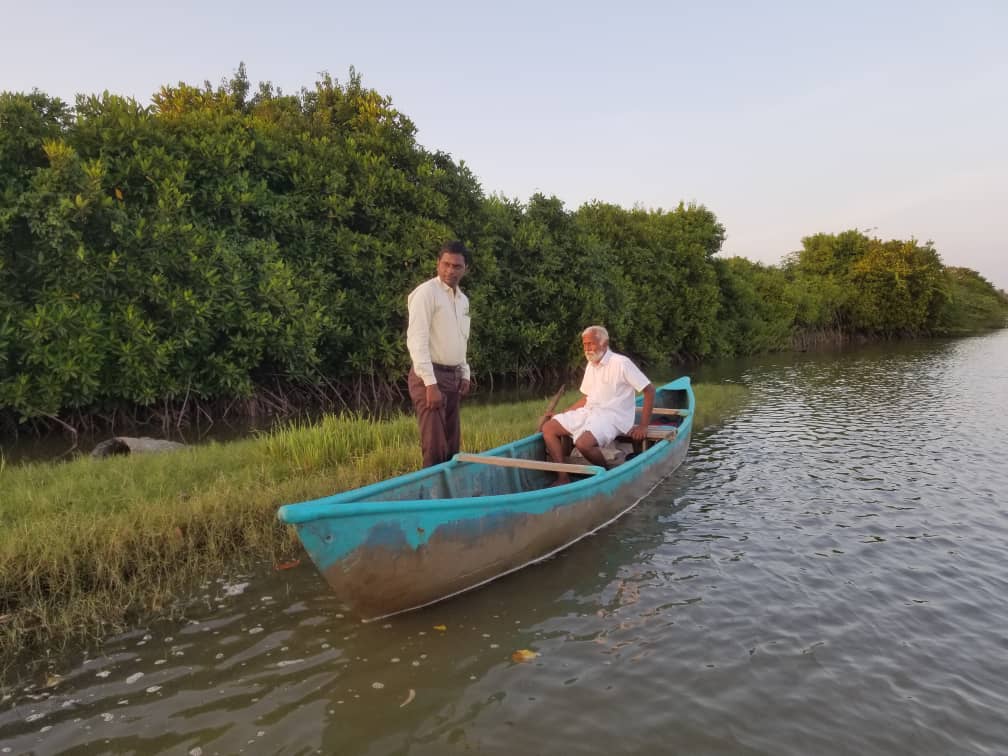
A Community-Based Conservation Initiative by AALAMARAM NGO, India
Mangrove ecosystems are among the world’s most valuable coastal ecosystems. Occupying the narrow zone where land meets the sea, mangrove forests protect coastlines, sustain biodiversity, support fisheries, store vast amounts of carbon, and provide livelihoods for millions of people. Despite occupying less than one percent of the Earth’s tropical forests, mangroves deliver ecosystem services worth billions of dollars annually.
Across the world, these unique forests are disappearing at an alarming rate because of industrialization, urban expansion, pollution, aquaculture, and climate change. Their destruction not only threatens biodiversity but also exposes coastal communities to cyclones, storm surges, flooding, erosion, and sea-level rise.
Recognizing their global importance, the United Nations designated 26 July as the International Day for the Conservation of the Mangrove Ecosystem, emphasizing the urgent need to conserve and restore these remarkable forests.
Inspired by this global mission, AALAMARAM NGO, established in 2009 in Cuddalore District, Tamil Nadu, India, has devoted itself to restoring degraded mangrove ecosystems through community participation, environmental awareness, and voluntary action. Without depending on government grants, the organization has mobilized local youth and villagers to plant and protect more than 250,000 mangrove saplings along the Uppanar River and nearby coastal wetlands.
This article presents the ecological, social, economic, and climate significance of mangrove ecosystems while documenting the conservation journey undertaken by AALAMARAM NGO. It demonstrates how community-driven environmental stewardship can contribute to national and global sustainable development goals.
2. Understanding Mangrove Ecosystems
Mangroves are salt-tolerant trees and shrubs that grow naturally along tropical and subtropical coastlines where freshwater rivers meet the sea. These ecosystems thrive under conditions that are too harsh for most other plants, including saline water, oxygen-poor soils, tidal flooding, and unstable sediments.
Mangroves have evolved remarkable adaptations to survive in these challenging environments. Their aerial roots absorb oxygen directly from the atmosphere during high tides, while specialized root systems anchor trees firmly against strong waves and currents. Many species also possess salt-filtering mechanisms that allow them to survive in highly saline environments.
More than 70 species of true mangroves exist worldwide, forming complex ecosystems that support thousands of species of fish, crustaceans, mollusks, birds, reptiles, insects, and mammals.
Rather than existing as isolated forests, mangroves function as interconnected ecosystems linking rivers, estuaries, wetlands, seagrass meadows, coral reefs, and the open ocean. The health of each component directly influences the others, making mangroves indispensable to coastal ecological balance.
3. Global Importance of Mangrove Ecosystems
Mangroves provide ecological services that are essential not only for coastal communities but also for global environmental stability.
Climate Change Mitigation
Mangroves are among the most efficient natural carbon sinks on Earth. They capture atmospheric carbon dioxide through photosynthesis and store enormous quantities of carbon within their trunks, roots, and deep organic soils. Unlike many terrestrial forests, mangrove soils retain carbon for centuries, making them critical ecosystems for combating climate change.
This stored carbon, commonly known as Blue Carbon, represents one of the world’s most effective natural climate solutions.
Coastal Protection
Dense mangrove forests significantly reduce wave energy before it reaches the shoreline. Their intricate root systems stabilize sediments, reduce erosion, prevent shoreline retreat, and lessen the destructive impacts of cyclones, hurricanes, and storm surges.
Scientific studies following major coastal disasters have consistently shown that villages protected by healthy mangrove forests suffer fewer casualties and reduced infrastructure damage than areas where mangroves have been removed.
Biodiversity Conservation
Mangrove ecosystems serve as breeding grounds, nurseries, feeding habitats, and migration corridors for countless marine and terrestrial species.
Juvenile fish, prawns, crabs, oysters, and shellfish depend on mangrove roots during the early stages of life before migrating into deeper coastal waters. Numerous migratory birds rely on mangrove wetlands for feeding and nesting.
The survival of many commercial fisheries depends directly upon healthy mangrove ecosystems.
Water Quality Improvement
Mangrove root systems naturally trap sediments, absorb nutrients, filter pollutants, and improve coastal water quality.
By intercepting contaminants before they reach coral reefs and seagrass beds, mangroves help maintain the health of entire marine ecosystems.
4. Mangroves of India: A National Ecological Treasure
India possesses one of the richest mangrove ecosystems in the world, extending along approximately 4,900 square kilometres of the country’s coastline. These ecosystems are distributed across the eastern and western coasts, as well as the Andaman and Nicobar Islands. Important mangrove regions include the Sundarbans in West Bengal, Bhitarkanika in Odisha, the Godavari and Krishna deltas in Andhra Pradesh, the Gulf of Kachchh in Gujarat, and the Pichavaram and Muthupet mangroves in Tamil Nadu.
Mangroves represent one of India’s most valuable natural assets because they simultaneously protect biodiversity, fisheries, coastal livelihoods, and climate resilience. They support thousands of species of fish, shellfish, crustaceans, molluscs, reptiles, amphibians, mammals, and migratory birds.
India’s National Action Plan on Climate Change recognizes mangrove conservation as an important nature-based solution for reducing the impacts of global climate change. Their ability to absorb atmospheric carbon dioxide while protecting coastlines makes them indispensable for sustainable coastal development.
Despite their importance, Indian mangroves continue to face threats from industrial development, pollution, conversion into aquaculture farms, urban expansion, and sea-level rise. Conserving these ecosystems is therefore not only an environmental priority but also a national responsibility.
5. Pichavaram Mangroves – One of the World’s Ecological Wonders
Located in Cuddalore District of Tamil Nadu, the Pichavaram Mangrove Forest is one of the largest and healthiest mangrove ecosystems in India. Spread across thousands of hectares between the Vellar and Coleroon river systems, Pichavaram is internationally recognized for its extraordinary biodiversity and ecological importance.
The forest consists of an intricate network of tidal waterways, islands, mudflats, lagoons, estuaries, and dense mangrove vegetation. More than fifty islands interconnected by hundreds of narrow canals create one of the most unique wetland landscapes in South Asia.
Pichavaram serves as an important nursery for marine fisheries by providing breeding grounds for commercially valuable fish, prawns, crabs, and shellfish. Thousands of migratory birds visit these wetlands every year, making it one of India’s important bird habitats.
The mangrove forest also plays a vital role in regulating coastal hydrology by filtering sediments, improving water quality, reducing erosion, and maintaining ecological balance between freshwater and marine ecosystems.
Its ecological significance extends beyond India and contributes to global biodiversity conservation efforts.
6. The Uppanar River and the Mangrove Ecosystem of Cuddalore
The Uppanar River forms one of the most environmentally significant estuarine systems along the southeast coast of India. Flowing through the Cuddalore region before joining the Bay of Bengal, the river supports extensive tidal wetlands that provide favourable conditions for mangrove growth.
For centuries, these wetlands have supported coastal communities through fisheries, crab harvesting, shellfish collection, and traditional livelihoods. The mangrove vegetation along the Uppanar River stabilizes riverbanks, traps sediments, filters pollutants, and maintains water quality before freshwater enters the sea.
However, rapid industrialization around the SIPCOT industrial complex has significantly increased environmental pressure on this fragile ecosystem. Industrial emissions, untreated effluents, plastic waste, urban sewage, and land-use changes threaten both biodiversity and human health.
Recognizing these growing threats, AALAMARAM NGO identified the Uppanar River as a priority area for ecological restoration. Since 2009, the organization has undertaken continuous mangrove plantation, monitoring, maintenance, and community awareness activities aimed at restoring ecological balance along this important estuary.
7. Why Mangroves Matter in the Era of Climate Change
Climate change has emerged as one of humanity’s greatest challenges. Rising global temperatures are causing glaciers to melt, oceans to expand, and sea levels to rise. Coastal communities are increasingly exposed to stronger cyclones, tidal flooding, saline intrusion, shoreline erosion, and extreme weather events.
Mangroves provide one of nature’s most effective defences against these impacts.
Unlike artificial seawalls, mangrove forests grow stronger over time. Their dense root systems trap sediments, gradually raising land elevation and enabling coastlines to adapt naturally to rising sea levels.
Scientific research has shown that healthy mangrove forests can reduce wave heights significantly before they reach coastal settlements. During tropical cyclones, mangroves absorb wave energy, decrease flood intensity, and reduce damage to homes, roads, agricultural land, and public infrastructure.
Mangroves also act as natural climate regulators by storing exceptionally high quantities of carbon in their soils for hundreds to thousands of years. This carbon storage capacity exceeds that of many terrestrial forests, making mangrove conservation an essential strategy for mitigating global warming.
Protecting mangroves therefore contributes simultaneously to climate adaptation, disaster risk reduction, biodiversity conservation, food security, and sustainable economic development.

Brandpost
Seraj Ansari and SA Media Group Inc. From Modern PR Strategies to Zee Media’s “40 Under Forty” Recognition
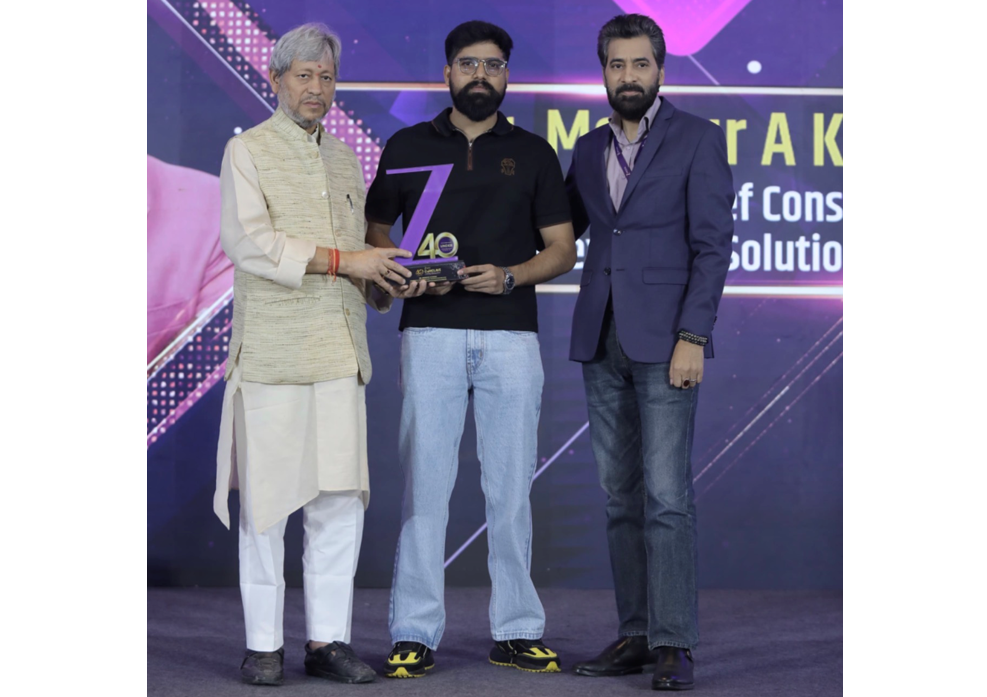
Seraj Ansari, Founder of SA Media Group Inc., is building a professional approach to public relations, brand communication, social media and digital strategy at a time when businesses increasingly need consistent visibility across multiple digital channels. His work reflects the changing role of communication in helping brands present their stories, expertise and identity to modern audiences.
From Publicity to Long-Term Brand Communication
SA Media Group Inc., founded in 2020, operates across public relations and communications, with its stated areas including PR, brand strategy, content creation, paid marketing, SEO and audience engagement. The approach moves beyond one-off publicity by focusing on communication that can remain consistent as a business develops.
Building Visibility Through Strategic PR
The agency’s work includes press releases, digital publication features, thought leadership and founder storytelling, creating opportunities for businesses, entrepreneurs, creators and emerging brands to communicate their milestones and positioning. The emphasis is on developing a recognisable narrative rather than relying only on short-term exposure.
Recognition for Modern PR Leadership
Ansari’s professional journey received recognition through the “40 Under Forty” award presented by Z Media, highlighting his contribution to modern PR strategies and business communication.
Global Media and Reputation Strategy
As businesses expand across markets, communication often needs to account for different audiences and digital environments. SA Media Group Inc. has positioned its services around international media outreach, cross-border visibility and strategic positioning. Its work also extends to public figures, executives and high-profile creators, where reputation management and proactive communication can be especially important.
An Integrated Digital Ecosystem
Social media forms another part of the wider strategy, covering content planning, platform growth, targeted campaigns and influencer partnerships. Rather than treating follower numbers as the only measure of performance, the approach places attention on meaningful audience engagement, trust and community development.
The Road Ahead for Seraj Ansari
For Ansari, modern PR increasingly sits at the intersection of media, technology, creativity and strategy. As digital platforms continue to influence how people discover and evaluate businesses, his work with SA Media Group Inc. reflects a broader shift toward communication that combines storytelling, reputation, digital visibility and long-term brand positioning.
Related Profile
Brandpost
Nirvana Naturopathy and Retreat Explores Naturopathy vs Modern Medicine: A Balanced Approach to Better Health
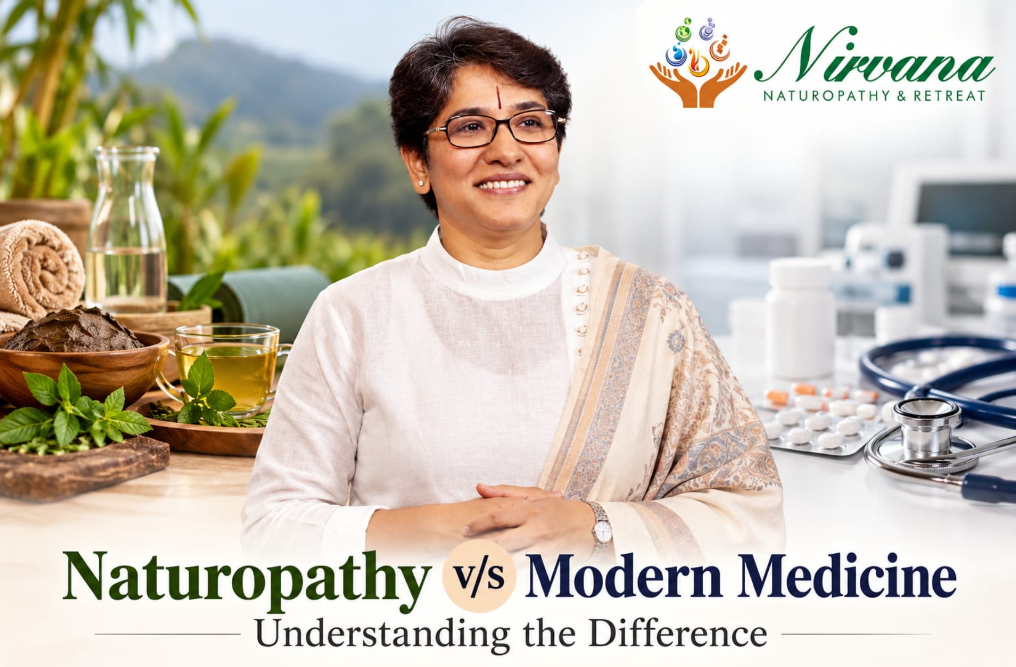
By Gurumaa Yogita Khatri | Nirvana Naturopathy & Retreat, Igatpuri–Nashik
Healthcare decisions are increasingly being shaped by a broader question: should naturopathy and modern medicine be viewed as competing systems, or can they play different roles in a person’s overall health journey?
At Nirvana Naturopathy and Retreat in Igatpuri–Nashik, the discussion around naturopathy focuses on lifestyle, wellness and responsible self-care while recognising the important role of modern medical treatment when diagnosis or clinical intervention is required.
Naturopathy and Modern Medicine: Different Roles in Healthcare
Modern medicine has transformed healthcare through antibiotics, surgery, diagnostic imaging, laboratory testing, emergency care and evidence-based treatments. For infections, fractures, severe symptoms and medical emergencies, timely professional medical care can be essential. Naturopathy generally approaches health from a different angle, with greater emphasis on lifestyle, nutrition, physical activity, rest, stress management and healthy routines.
The distinction is important. Naturopathy should not be presented as a replacement for necessary medical treatment. Instead, its wellness-oriented principles can encourage people to examine the everyday habits that influence how they feel and function.
Why Everyday Lifestyle Matters
Consider a typical office worker who spends long hours sitting, skips regular meals, exercises very little, sleeps only five or six hours and experiences continuous work-related stress. Over time, this pattern may contribute to poor energy, digestive discomfort or disturbed sleep. Rather than focusing only on temporary relief, a lifestyle-oriented approach asks practical questions: What is the person eating? How regularly are they moving? Are they sleeping enough? How are they managing stress?
These questions do not eliminate the need for medical assessment. They simply highlight that health is influenced by daily behaviour as well as clinical care.
Common Naturopathy and Wellness Practices
Depending on individual needs and professional assessment, naturopathic programmes may incorporate hydrotherapy, mud therapy, massage, therapeutic yoga, breathing practices, dietary guidance and relaxation techniques. These approaches are generally positioned within a broader wellness and lifestyle framework rather than as guaranteed cures for disease.
At Nirvana Naturopathy & Retreat in Igatpuri, Nashik, the natural surroundings can also provide an environment for people to step away from demanding routines, slow down and give greater attention to rest, movement and personal wellbeing.
Simple Health Habits Can Start at Home
Healthy living does not necessarily require complicated routines. Food choices, hydration, sleep, regular movement and stress management can all form part of a balanced lifestyle. One traditional example is a cumin-and-coriander infused drink: approximately half a teaspoon of each may be soaked in two cups of water overnight and strained the next morning. Such a drink should not be described as a detox cure or as a substitute for medical treatment. People with medical conditions, allergies, dietary restrictions or prescribed therapies should seek appropriate professional advice before making significant changes.
Can Naturopathy and Modern Medicine Work Together?
For many people, the most sensible approach is not an either-or decision. Someone managing high blood pressure, for example, should not stop prescribed medication without medical advice. At the same time, lifestyle factors such as diet, physical activity, sleep, stress and salt intake may be relevant areas to discuss with a qualified healthcare professional.
This illustrates the potential value of an integrated and responsible approach: use modern medicine when diagnosis and treatment are needed, while also paying attention to sustainable lifestyle habits that support overall wellbeing.
The Real Goal: Better-Informed Health Decisions
The debate over naturopathy vs modern medicine can become unhelpful when either side is treated as a universal answer. Natural does not automatically mean safe or effective for everyone, and modern treatment should not be dismissed when it is medically necessary. Good healthcare requires judgement, appropriate professional guidance and an understanding of when symptoms require clinical attention.
Ultimately, naturopathy and modern medicine can represent different perspectives within a person’s broader health journey. Modern healthcare provides essential tools for diagnosing and treating disease, while naturopathy places stronger emphasis on lifestyle, routine and wellness practices. The most responsible choice is to understand the role of each and make informed decisions based on individual circumstances.
About Nirvana Naturopathy & Retreat
Nirvana Naturopathy & Retreat, located in Igatpuri–Nashik, focuses on naturopathy, wellness and lifestyle-oriented practices in a natural retreat setting. For more information, visit www.nirvananaturopathy.com.
Brandpost
Vig Studio: Reimagining Wedding Photography Through Four Generations of Legacy, Cinematic Storytelling and Technology

How a century-plus photographic heritage, 125+ creative professionals, in-house production and a storytelling-first approach are shaping a new wedding photography experience across Delhi-NCR, Panipat, Karnal and beyond
A wedding is celebrated for a few days. The photographs, films and memories created around it can remain with a family for generations.
That simple idea is increasingly changing what couples expect from wedding photography.
In 2026, Indian wedding photography is moving beyond conventional posed portraits toward candid moments, documentary-style storytelling, cinematic wedding films, personalised visual experiences and short-form social content. Recent wedding-industry coverage reflects this shift toward photographs that feel more personal and emotionally authentic, while cinematic wedding content continues to influence how modern celebrations are documented and shared.
Against this changing landscape, Vig Studio brings together a distinctive combination: a photographic heritage spanning more than a century and four generations, combined with contemporary technology, cinematic production, dedicated creative spaces and an integrated in-house team.
“Weddings are for legacy, and we click them.”
From a Four-Generation Photography Legacy to Modern Wedding Storytelling
What makes Vig Studio’s story different begins long before today’s digital cameras and cinematic wedding films.
The studio’s supplied profile describes a photographic legacy of more than 100 years spanning four generations, evolving from a traditional family photography business into a contemporary wedding and visual-production studio.
Its official website traces the family’s photographic journey from Peshawar to Lahore and Amritsar before eventually establishing its presence in Gharaunda, Karnal, Haryana. The studio’s own account describes a business that has adapted as photography itself has changed.
Over the generations, photography moved from traditional photographic processes to colour photography, digital cameras, advanced editing, cinematic production and today’s technology-assisted creative workflows.
Vig Studio’s profile describes this evolution as a combination of traditional craftsmanship and modern visual language, incorporating contemporary cameras, cinematic production, advanced editing, modern colour and post-production and AI-assisted creative processes.
That creates an important distinction. The studio is not simply carrying forward an old photographic business. It is adapting a family photographic heritage to the expectations of a generation that experiences memories through
photographs, films, reels and digital platforms.
Why Vig Studio Is Different From a Conventional Wedding Photography Studio
For couples searching for a wedding photographer in Delhi-NCR, Panipat, Karnal or Haryana, portfolios can sometimes make different studios appear similar.
The real differences often emerge behind the camera.
Who handles the editing? Who designs the album? Who manages the cinematography? How are thousands of photographs organised? Can the studio create pre-wedding content as well as wedding films? Can it produce social-media content? What happens after the wedding?
Vig Studio’s published profile presents an ecosystem designed to address these questions under one roof.
The supplied studio profile describes an approximately 1.25-acre facility with more than 125 professionals, including photographers, cinematographers, editors, designers, album specialists and production teams.
Its broader service ecosystem includes wedding photography, candid wedding photography, wedding cinematography, cinematic wedding films, pre-wedding photography, post-wedding photography, premium album design, graphic design, in-house printing and binding, reels and social-media content, pre-birthday photography, maternity photography, baby and kids’ photography, matrimonial photography, podcast production and commercial photography.
The official Vig Studio website independently lists wedding, pre-wedding, post-wedding, maternity, baby, model and commercial photography.
The result is a connected workflow: Photography ® Cinematography ® Editing ® Colour & Post-Production
® Design ® Album Production ® Printing ® Final Delivery.
Cinematic Wedding Films Built Around Emotion
The word “cinematic” has become common in the wedding industry. But cinematic storytelling is not simply about slow motion, dramatic music or elaborate effects.
The strongest wedding stories are often built around moments that cannot be recreated: a parent’s expression, a bride laughing with her friends, a groom seeing the bride for the first time, a grandparent watching the ceremony, the energy of the baraat, the silence before the pheras or the emotion of the vidaai.
The current wedding photography conversation increasingly reflects a movement from staged perfection toward more authentic and documentary-led storytelling.
Vig Studio’s films philosophy follows this storytelling direction. Its official Vig Studio Films page emphasises that wedding films are about more than visuals and focuses on capturing raw, unfiltered emotions.
This creates space for both candid wedding photography and cinematic wedding cinematography within the same visual narrative.
For modern couples, the wedding can therefore be represented through multiple formats — from timeless family portraits and candid photographs to cinematic films and short-form social content.
The “Legacy” Approach to Wedding Photography
A social-media post may receive attention for a day. A wedding photograph can remain part of a family’s history for decades.
This is where Vig Studio’s concept of legacy becomes particularly relevant.
The supplied profile explains that the studio focuses on preserving how a wedding felt, rather than only how it looked.
Its profile describes photographs of parents, grandparents, relatives and other family moments as important parts of the stories it seeks to preserve.
For a four-generation photography business, the idea of legacy is also connected to its own history. The studio has itself become part of a photographic family archive.
That makes “legacy” more than a marketing phrase; it is closely connected to the way the business describes its evolution.
125+ Professionals Bringing Multiple Creative Skills Together
Large Indian weddings can involve several functions, multiple venues, hundreds of guests and thousands of photographs. That requires more than an individual photographer.
Vig Studio’s supplied profile describes a team of 125+ professionals working across photography, cinematography, editing, graphic design, album production and related creative functions.
This multidisciplinary structure means different specialists can contribute to different stages of the
visual-production process. Photographers can focus on moments. Cinematographers can focus on moving narratives. Editors can shape the final visual story. Designers can create albums and digital assets. Album specialists can take the story from screen back to a physical keepsake.
It is this production depth that forms one of the central differentiators in Vig Studio’s positioning.
Dedicated Creative Spaces Beyond Traditional Wedding Shoots
A modern photography studio is increasingly expected to serve more than wedding-day coverage.
Vig Studio’s supplied profile describes dedicated spaces for pre-wedding shoots, pre-birthday photography, maternity shoots, kids’ photography, matrimonial photography, podcasts and wedding/event productions.
These controlled environments can allow creative teams to work with planned lighting, sets, concepts and visual direction.
For couples searching for pre-wedding photography in Panipat, Karnal or Delhi-NCR, this offers another creative environment beyond outdoor locations.
The same infrastructure can also serve different milestones across a family’s life — from pre-wedding celebrations to maternity and newborn photography.
Technology That Extends Beyond the Camera
Technology is increasingly influencing not just how wedding photographs are created, but also how they are managed and experienced.
Vig Studio’s profile describes an R&D; and creative innovation team exploring technology, production and post-production techniques.
The studio’s WeddingBook platform also includes a photo-discovery feature. According to the platform, its “SCAN IN” system uses face detection and 48 face-vector points and claims 99.2% accuracy to help users locate photographs from an event.
For large weddings containing thousands of photographs, the ability to locate specific images can become an important part of the post-wedding experience.
Technology, in this case, is not replacing the human side of photography. It is helping organise and extend it.
Traditional Craftsmanship Meets AI-Assisted Creative Workflows
The photography industry has moved through several technological eras.
Vig Studio’s own profile describes its current approach as combining traditional photographic craftsmanship with modern cameras, cinematic production, advanced editing, contemporary colour workflows and AI-assisted creative processes.
This combination allows the studio to preserve the fundamentals of photography — composition, timing, lighting and emotional observation — while adopting new tools for production and post-production.
That balance is increasingly relevant in a market where couples want photographs that look contemporary without necessarily losing their natural character.
Wedding Photography Across Karnal, Panipat and Delhi-NCR
Vig Studio is headquartered in Gharaunda, Karnal, Haryana, on GT Road/NH-1.
Its location places the studio within reach of important wedding markets across Haryana, including Panipat and the wider Delhi-NCR region.
This geographical relevance matters because wedding photography searches are increasingly location-specific. Couples do not simply search for “wedding photography”; they search for terms such as wedding photographer Delhi-NCR, wedding photography Panipat, wedding photographer Karnal, wedding photography Haryana, cinematic wedding photography Delhi and pre-wedding photographer Delhi-NCR.
Vig Studio’s supplied profile also describes projects across different cities and countries, alongside participation in professional networks including BNI and JCI.
This allows the studio’s story to connect a strong regional base with a broader project footprint.
More Than Weddings: Commercial and Corporate Visual Storytelling
The capabilities developed through wedding photography also have applications beyond family celebrations.
Vig Studio’s supplied profile describes projects involving corporate houses, Bollywood personalities, business leaders and highly decorated officers.
Its corporate and commercial capabilities include brand films, institutional photography, product photography and production, industrial productions, podcasts and visual communication.
The official website also lists commercial photography among its services.
This wider portfolio positions the studio as a visual-production business rather than a wedding-only photography service.
A Photography Studio Designed for the Digital Wedding Era
Today’s wedding can generate an enormous amount of visual content. There may be the traditional album, cinematic wedding film, teaser, couple portraits, candid photographs, family photographs, behind-the-scenes content and short-form reels.
The growth of social-first wedding content has been widely discussed across wedding and lifestyle media, with couples increasingly seeking visual content that can work both as a lasting family record and as contemporary digital storytelling.
Vig Studio’s combination of photography, cinematography, editing and social-media content capabilities reflects this broader transformation.
The objective is no longer simply to produce one wedding album. It is to create a visual library that can exist across different formats while retaining the story of the celebration.
What Makes Vig Studio Stand Apart?
Four generations of photographic heritage: A more-than-100-year legacy described across four generations.
125+ professionals: A multidisciplinary team spanning photography, cinematography, editing, design and album production.
Integrated production: Photography, films, editing, design, album creation, printing and binding within the studio ecosystem.
Cinematic storytelling: A focus on emotional and unfiltered wedding narratives.
Dedicated creative spaces: Facilities for pre-wedding, maternity, baby, matrimonial, podcast and event-related productions.
Technology-enabled photo discovery: A digital system designed to help users locate photographs from events.
Commercial capabilities: Brand films, institutional photography, product and industrial productions and podcasts.
Regional and wider project reach: A Karnal-based operation with the supplied profile describing work across cities and countries.
Together, these elements describe a business that has evolved from photography as a service to visual storytelling as an ecosystem.
The Future of Wedding Photography Is About What People Feel
The wedding photography industry will continue to change.
New cameras will arrive. AI-assisted editing will become more sophisticated. Social-media formats will evolve. Cinematic styles will change.
But the fundamental value of wedding photography will remain remarkably constant: people want to remember.
They want to remember the people who were there, the emotions they felt, the unexpected moments, the laughter, the nervousness, the celebrations and the people who may not always be there years later.
That is why Vig Studio’s story is ultimately bigger than cameras, technology or production infrastructure. It is a story about preserving human moments across generations.
From a photographic family heritage spanning more than a century to a contemporary ecosystem serving weddings, families, brands and businesses, Vig Studio is building its next chapter around the same principle that has shaped its identity:
Weddings are for legacy. And every legacy deserves a story.
About Vig Studio
Vig Studio is a multigenerational photography and visual storytelling studio based in Gharaunda, Karnal, Haryana. Its published services include wedding photography, wedding cinematography, pre-wedding and post-wedding photography, maternity photography, baby photography, model photography and commercial photography. Its supplied profile describes a four-generation heritage, 125+ professionals and an integrated production ecosystem combining photography, cinematography, editing, design, album production and technology.
Recommended 3 Contextual Backlinks
- Vig Studio — brand/entity backlink
- Vig Studio About Us — heritage and company-profile backlink
- Vig Studio Films — cinematic wedding-film/service backlink


Mangrove Ecosystems: Nature’s Living Shield Against Climate Change and Coastal Disasters

Mumbai airport slot cuts: What happens next for passengers

Vivil Raj S: A Technology Entrepreneur Connecting IT, Marketing and Digital Business Solutions

Redfox Overseas: Customize Your Own Energy Drink and Stand Out in the Market

Zamzam Company CEO Chhote Bhai-Bade Bhai gave a grand welcome to Indian writer Devhari Sirvi in Dubai

Shikha Sharma: The Fashion Journalist, Blogger, and Plus-Size Model Taking the Industry by Storm
-
 Brandpost2 years ago
Redfox Overseas: Customize Your Own Energy Drink and Stand Out in the Market
-
 Brandpost2 years ago
Zamzam Company CEO Chhote Bhai-Bade Bhai gave a grand welcome to Indian writer Devhari Sirvi in Dubai
-
 Fashion2 years ago
Shikha Sharma: The Fashion Journalist, Blogger, and Plus-Size Model Taking the Industry by Storm
-
Entertainment2 years ago
Lucky Roxx’s “Yadav Ki Pukar” Goes Viral! Youth Celebrate Unity & Power
-

 Entertainment9 years ago
New Season 8 Walking Dead trailer flashes forward in time
-
Entertainment9 years ago
Meet Superman’s grandfather in new trailer for Krypton
-
Uncategorized2 years ago
Hello world!
-

 Brandpost2 years ago
From Local Hero to National Icon: Satyam Yadav’s Journey with TwentyOne