Connect with us

Government

PM Modi’s four-day Central Asia visit begins with Tashkent stop

PM Modi began a four-day Central Asia visit on August 29, starting with a bilateral trip to Uzbekistan before heading to Kyrgyzstan for the 26th SCO Summit.
Published

on

Prime Minister Narendra Modi’s four-day Central Asia visit began on August 29 with a stop in Tashkent, Uzbekistan.

The August 29-30 bilateral leg includes delegation-level talks with President Shavkat Mirziyoyev aimed at deepening the India-Uzbekistan strategic partnership.

Trade, investment, defence, digital connectivity, healthcare, energy and education are all on the agenda, alongside critical minerals, pharmaceuticals and space cooperation.

From Uzbekistan, PM Modi will travel to Bishkek, Kyrgyzstan, from August 31 to September 1 to attend the 26th SCO Summit, marking the organisation’s 25th anniversary.

India’s focus at the summit is expected to be security, connectivity and economic opportunity, with Chinese President Xi Jinping and Russian President Vladimir Putin also scheduled to attend.

From Tashkent, the Prime Minister will travel to Bishkek, Kyrgyzstan, for the 26th Shanghai Cooperation Organisation Summit, marking the bloc’s 25th anniversary.

India’s priority themes at the SCO Summit are expected to centre on security, connectivity and economic opportunity, with counter-terrorism and regional cooperation also on the agenda.

The Bishkek leg is expected to draw a wide roster of leaders, including Chinese President Xi Jinping and Russian President Vladimir Putin, alongside representatives from other SCO member states.

PM Modi is also expected to attend the opening ceremony of the sixth World Nomad Games while in Kyrgyzstan, adding a cultural dimension to the multilateral leg of the trip.

This marks PM Modi’s fourth visit to Uzbekistan, reflecting the sustained diplomatic engagement between New Delhi and Tashkent over the past decade.

The visit will include delegation-level talks with Uzbek President Shavkat Mirziyoyev, covering trade, investment, defence, digital connectivity, healthcare, energy, education and technology cooperation.

Officials expect discussions to also touch on critical minerals, pharmaceuticals and space cooperation, areas both countries have flagged as priorities for expanding the relationship.

PM Modi is scheduled to visit the Lal Bahadur Shastri memorial and the Mahatma Gandhi Centre at Tashkent State University as part of the cultural component of the trip.

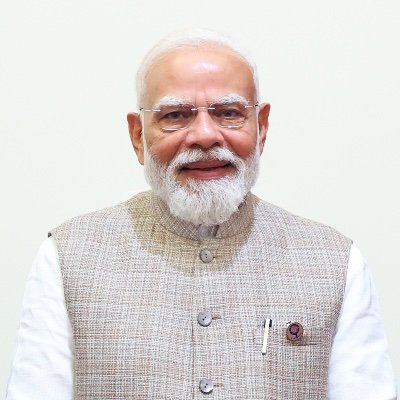
Official portrait of PM Narendra Modi, Wikimedia Commons, GODL-India

Continue Reading
Click to comment

Leave a Reply

Your email address will not be published. Required fields are marked *

Government

NLSIU students, alumni oppose CJI Surya Kant’s convocation invite over BCI row

Students and alumni of NLSIU Bengaluru have opposed inviting CJI Surya Kant and BCI chairman Manan Kumar Mishra to their convocation, citing the now-withdrawn NALSAR enrolment order.

Published

on

Students and alumni of the National Law School of India University in Bengaluru have opposed the invitation extended to Chief Justice of India Surya Kant and Bar Council of India chairman Manan Kumar Mishra for the university’s upcoming convocation.

In a statement dated August 15, the group condemned the now-withdrawn Bar Council of India order that had barred the 2026 graduating batch of NALSAR University of Law, Hyderabad, from enrolling at state bar councils.

The statement said the unconstitutional and illegal proceedings initiated by a statutory body against students and faculty of a public university did not absolve the BCI chairman of responsibility for his conduct.

The group called it “offensive, humiliating, and a mockery of students and their struggles” to have someone who had publicly expressed disdain toward students preside over conferring degrees.

The statement was signed by 165 graduating students of the Class of 2026, 409 current students, and 128 alumni of NLSIU.

The row follows a similar controversy at NALSAR itself, where the BCI’s enrolment order had triggered widespread criticism before being withdrawn.

The Bar Council of India is the statutory body responsible for regulating legal education and the conduct of the legal profession in the country, giving its actions significant weight over students’ ability to practice law after graduation.

Convocation ceremonies typically mark the formal conclusion of a student’s academic programme, with invited dignitaries conferring degrees, making the choice of who presides a matter of considerable symbolic importance to graduating students.

The controversy underscores growing friction between law students and regulatory bodies over enrolment and disciplinary decisions that directly affect their ability to begin legal careers.

As Chief Justice of India, Surya Kant is frequently invited to preside over law school convocations across the country, making the NLSIU objection a notable departure from the usual reception such invitations receive.

Photo by Pinakpani, Wikimedia Commons, CC BY-SA 4.0

Continue Reading

Government

Parliament’s Monsoon Session remains unclosed 10 days after adjournment

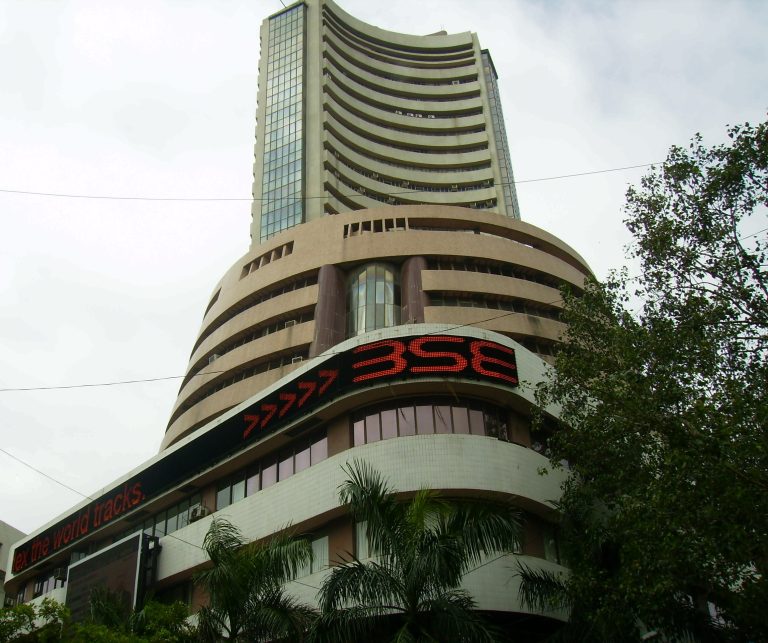
Ten days after Parliament’s Monsoon Session was adjourned sine die on August 13, it has yet to be formally prorogued, fuelling speculation over pending legislation.

Published

on

Ten days after both Houses of Parliament were adjourned sine die on August 13, the Monsoon Session has yet to be formally prorogued.

The prorogation notification, which formally ends a parliamentary session, had not been issued as of Sunday, August 23, according to reports.

Under parliamentary procedure, a session stands adjourned sine die once business concludes, but it is formally over only when the President issues a notification proroguing both Houses.

The gap between adjournment and prorogation gives the government the option of reconvening the same session, rather than summoning an entirely new one, if it needs to pass additional legislation.

Speculation over the government’s next legislative move has centred on the delimitation-linked Women’s Reservation Bill, an issue Tamil Nadu Chief Minister C Joseph Vijay raised at the Southern Zonal Council meeting on August 21.

A prorogation notification is usually issued within three to four days of a session’s business concluding, making the current gap since the August 13 adjournment longer than the customary turnaround.

Parliament’s three main sessions in a calendar year are typically the Budget Session, the Monsoon Session, and the Winter Session, with the timing and length of each set by the government in consultation with the Cabinet Committee on Parliamentary Affairs.

A prorogation notification is usually issued within three to four days of a session’s business concluding, making the current gap since the August 13 adjournment longer than the customary turnaround.

Under parliamentary procedure, a session stands adjourned sine die once business concludes, but it is formally over only when the President issues a notification proroguing both Houses.

The gap between adjournment and prorogation gives the government the option of reconvening the same session, rather than summoning an entirely new one, if it needs to pass additional legislation.

Speculation over the government’s next legislative move has centred on the delimitation-linked Women’s Reservation Bill, an issue Tamil Nadu Chief Minister C Joseph Vijay raised at the Southern Zonal Council meeting on August 21.

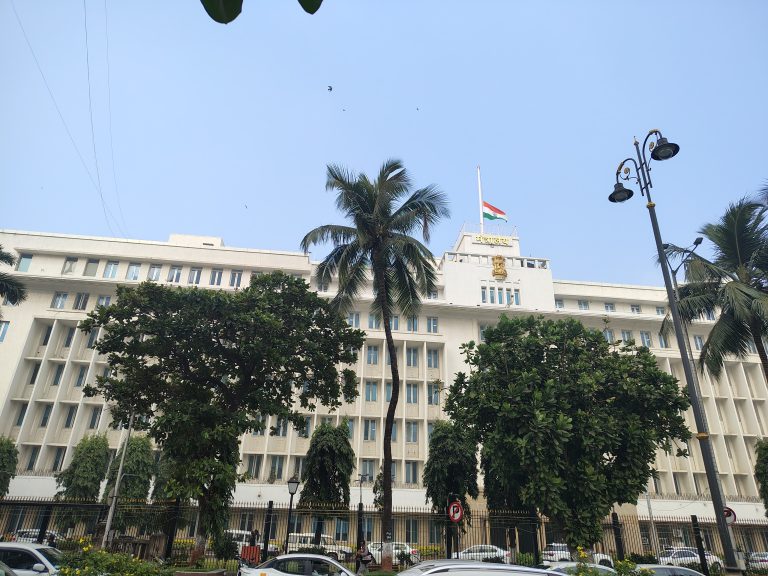
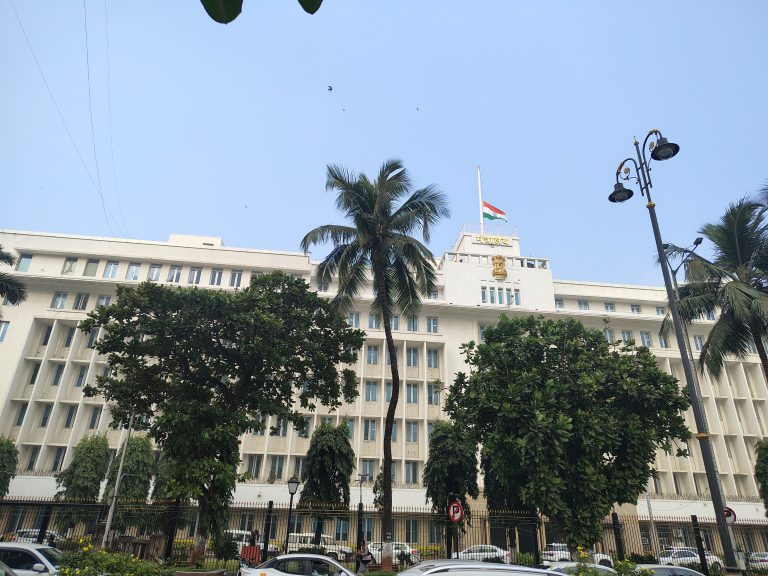
Photo by Ministry of Parliamentary Affairs, Government of India / PIB, Wikimedia Commons, GODL

Continue Reading

Government

Assam government disburses Rs 146 crore in flood relief so far

Assam’s government has disbursed Rs 146.26 crore in interim flood relief to nearly 97,000 families, with Chief Minister Himanta Biswa Sarma pledging full compensation before Durga Puja.

Published

on

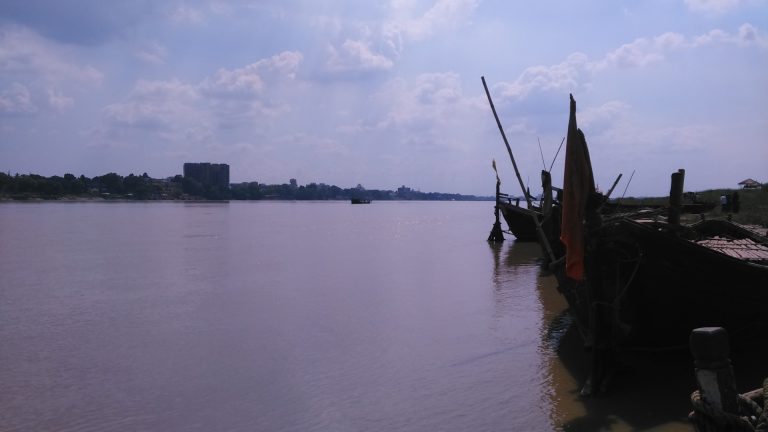
Assam’s state government has disbursed Rs 146.26 crore in interim flood relief so far, providing Rs 15,000 each to 96,842 affected families across the state.

Chief Minister Himanta Biswa Sarma has said the government is aiming to complete full compensation for flood-hit families before Durga Puja this year.

A few thousand more families are expected to receive the same interim assistance shortly as the state completes its outreach across the worst-affected districts.

For families of those who died in the floods, the government has said the process of providing financial assistance of Rs 9 lakh to next of kin is continuing.

Separately, the state has extended relief on bank loan instalment repayment for flood-affected borrowers, with applications open until August 31 and 1,712 people already availing themselves of the measure.

Preliminary damage assessments put total losses at around Rs 480 crore so far, with the final figure expected to rise as evaluations in the worst-hit districts continue.

For families of those who died in the floods, the state government has said the process of providing financial assistance of Rs 9 lakh to next of kin is continuing.

Chief Minister Himanta Biswa Sarma has personally reviewed restoration work in several of the worst-affected districts as part of the state’s response to the disaster.

Assam’s preliminary damage assessment has put total losses at around Rs 480 crore, with 26,681 houses affected across the state, though the final figure is expected to rise as evaluations continue.

Rapid damage assessment work is under way in Charaideo, Sivasagar, Jorhat and Golaghat districts, with a second phase of assessment expected to conclude around mid-September.

The government has said it aims to release full flood damage compensation to affected families before Durga Puja this year.

Applications for relief on bank loan instalment repayment are being accepted until August 31, with 1,712 flood-affected individuals having already availed themselves of the measure.

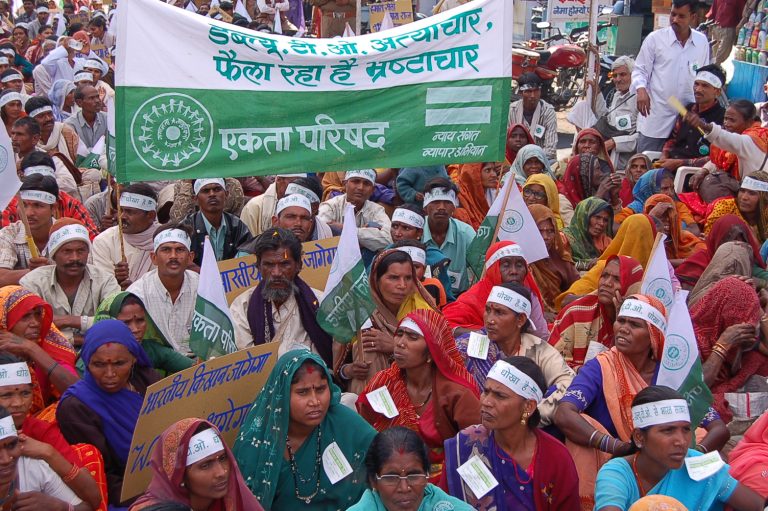
Photo by Mozzworld, Wikimedia Commons, CC BY-SA 4.0

Continue Reading

Trending