Government
PRAGATI-50: A ‘City as a Whole’ approach to cleanliness
Union Housing and Urban Affairs Minister Manohar Lal launched the PRAGATI-50 initiative on September 29 to develop 50 cities across 24 states as model cities for urban cleanliness under Swachh Bharat Mission-Urban 2.0.
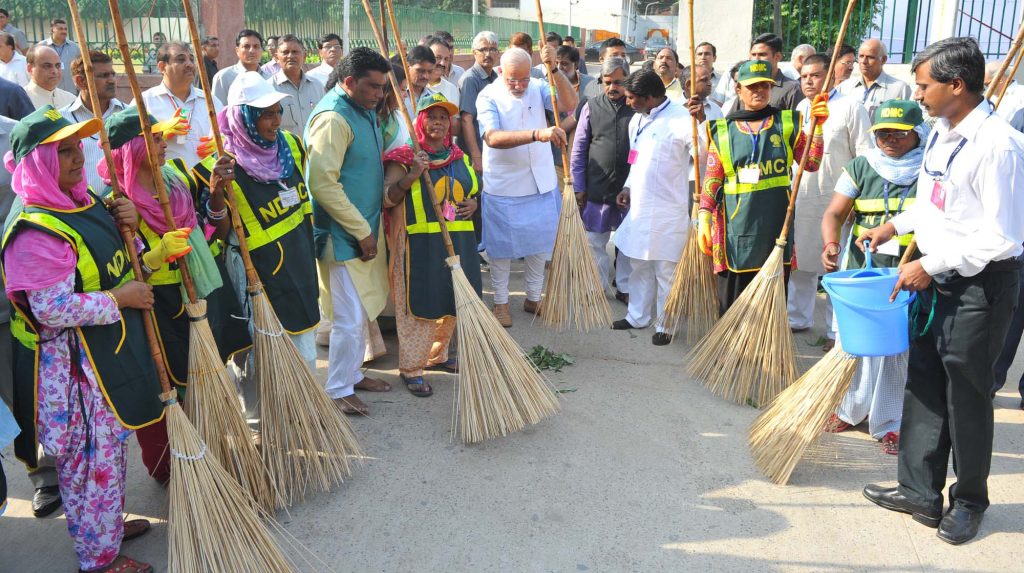
PRAGATI-50 uses a ‘City as a Whole’ approach, involving all stakeholders including Urban Local Bodies.
The initiative covers 50 cities across 24 states.
It was launched by Union Minister Manohar Lal on September 29.
Key focus areas include solid waste management, sanitation and citizen participation.
It falls under the Swachh Bharat Mission-Urban 2.0 framework.
It will use intensive, technology-enabled monitoring to track progress in the selected cities.
The 50 selected cities include major cities, cities of cultural importance, high tourism destinations and economic centres.
Key focus areas include solid waste management, used water management, sanitation and citizen participation.
The initiative uses a ‘City as a Whole’ approach, involving all stakeholders including Urban Local Bodies in planning and implementation.
A Swachhata Behaviour Change Digital Kosh was also launched alongside PRAGATI-50, offering a digital repository of communication and campaign material.
A Standard Operating Procedure for setting up secondary collection centres for construction and demolition waste was released as part of the launch.
Guidelines for source segregation of municipal solid waste were also released.
Chandigarh is among the cities set to be developed as a model city for urban cleanliness under PRAGATI-50.
The Ministry of Housing and Urban Affairs oversees urban development and sanitation programmes at the national level.
Swachh Bharat Mission-Urban 2.0 builds on the original Swachh Bharat Mission launched in 2014.
State governments and municipal corporations are expected to coordinate closely with the central ministry on implementation.
Independent monitoring and periodic reviews are expected to track each selected city’s progress under the initiative.
Urban sanitation infrastructure, including waste segregation and treatment facilities, varies significantly across Indian cities.
The initiative is expected to serve as a template for wider rollout to other cities in subsequent phases.
Union Housing and Urban Affairs Minister Manohar Lal launched the PRAGATI-50 initiative on September 29, 2026.
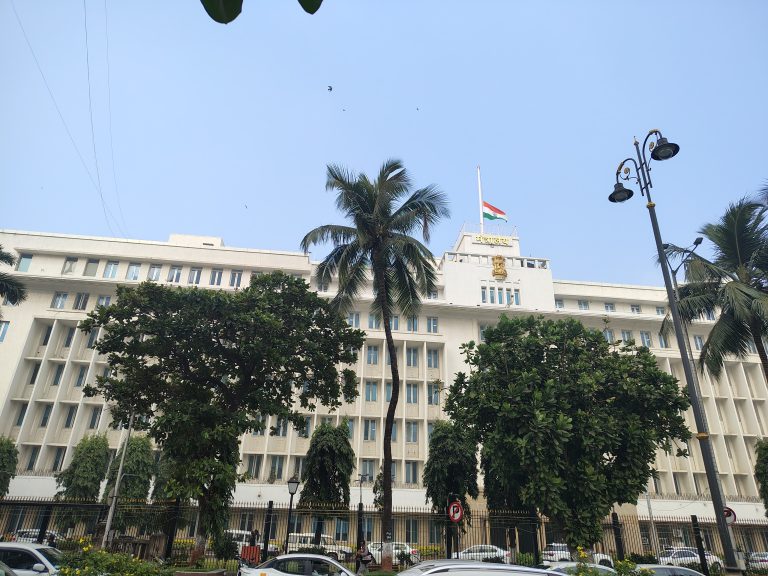
Swachh Bharat Mission cleanliness drive (representative image), Wikimedia Commons, GODL-India
Government
Election Commissioners’ objections at centre of SIR dispute
Opposition INDIA bloc parties met on September 30 to plan a joint agitation over the Special Intensive Revision of electoral rolls and reiterate demands for Chief Election Commissioner Gyanesh Kumar’s resignation, though AAP and DMK skipped the meeting.
A report alleging that two Election Commissioners raised objections at least 14 times over 10 months is at the centre of the current SIR dispute.
The objections reportedly concerned decisions and procedures linked to the Special Intensive Revision.
Opposition INDIA bloc parties met on September 30 to discuss the issue.
They also reiterated demands for Chief Election Commissioner Gyanesh Kumar’s resignation.
AAP and DMK skipped the meeting.
Samajwadi Party chief Akhilesh Yadav also skipped the meeting.
The dispute traces partly to an investigative report alleging that Election Commissioners Sukhbir Singh Sandhu and Vivek Joshi raised objections at least 14 times over 10 months regarding SIR-related decisions and procedures.
The Special Intensive Revision is a process in which the Election Commission re-verifies electoral rolls, requiring voters to fill enumeration forms and flagging discrepancies for further checks.
Several opposition parties have separately alleged irregularities in how the SIR exercise has been conducted in different states.
The absence of AAP, DMK and Akhilesh Yadav from the meeting highlighted continuing differences within the opposition grouping.
The INDIA bloc is a coalition of opposition parties formed ahead of recent general elections.
Chief Election Commissioner Gyanesh Kumar heads the Election Commission of India, the constitutional body overseeing elections.
An impeachment motion against a Chief Election Commissioner requires a specific parliamentary process and a significant threshold of support to proceed.
Coordination among opposition parties on election-related issues has varied across different states and specific grievances in recent years.
The Special Intensive Revision process has been rolled out in phases across different states over recent months.
Civil society groups have also raised questions about the transparency of the SIR verification process in some states.
Opposition INDIA bloc parties met on September 30 to discuss a joint agitation over the Special Intensive Revision of electoral rolls.
The meeting also aimed to reiterate demands for the resignation of Chief Election Commissioner Gyanesh Kumar.
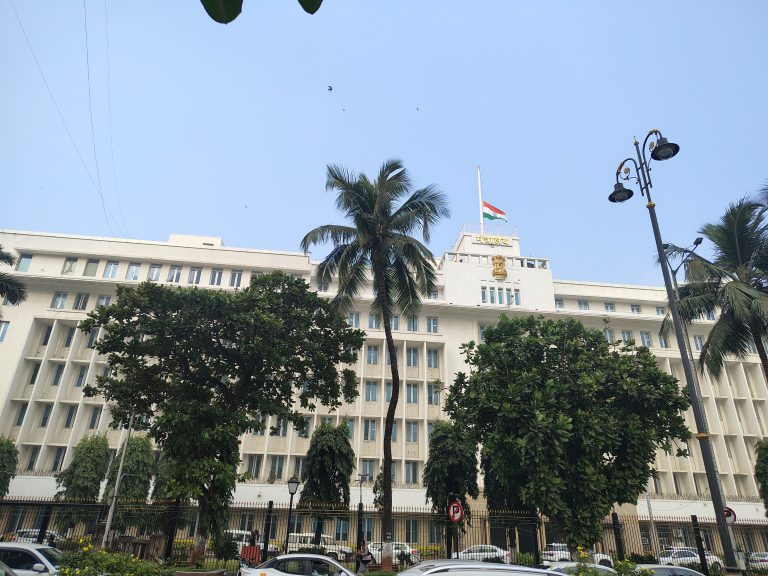
Parliament House, New Delhi (representative image), Wikimedia Commons, GODL-India
Government
Rajya Sabha polls: What comes after the EC notification
The Election Commission issued notification on September 29 for biennial and bye-elections to 27 Rajya Sabha seats across ten states, including Gujarat, Rajasthan, Madhya Pradesh, Karnataka, Andhra Pradesh and Jharkhand, ahead of November polling.
The Election Commission’s September 29 notification opens the process for Rajya Sabha elections across ten states.
Nomination, scrutiny and polling dates will follow as part of the announced schedule.
Political parties typically begin candidate selection soon after a notification is issued.
State assembly numbers determine each party’s vote share in electing Rajya Sabha members.
A total of 27 seats are up for election.
The election uses a system of proportional representation through a single transferable vote.
The Rajya Sabha, or Council of States, has 245 members in total, with 233 elected by states and union territories and 12 nominated by the President.
One-third of Rajya Sabha members retire every two years, with elections held to fill the resulting vacancies.
The 2026 Rajya Sabha election cycle overall covers 72 seats across the year, from March through November.
Political parties typically begin candidate selection processes soon after an Election Commission notification is issued.
State assembly numbers determine the vote share each party commands in electing its state’s Rajya Sabha members.
Rajya Sabha elections do not involve direct voting by the general public, unlike Lok Sabha elections.
The Rajya Sabha plays a co-equal role with the Lok Sabha in most legislative matters, except money bills.
Election schedules, including nomination, scrutiny and polling dates, are announced by the Election Commission following the notification.
The Rajya Sabha is a permanent body that is never fully dissolved, unlike the Lok Sabha.
Each state’s number of Rajya Sabha seats is roughly proportional to its population, as fixed under the Fourth Schedule of the Constitution.
Independent candidates can also contest Rajya Sabha elections, though party-backed candidates dominate most contests.
The Election Commission of India issued notification on September 29 for elections to 27 Rajya Sabha seats.
The seats fall vacant across ten states: Andhra Pradesh, Gujarat, Jharkhand, Madhya Pradesh, Manipur, Meghalaya, Rajasthan, Arunachal Pradesh, Karnataka and Mizoram.
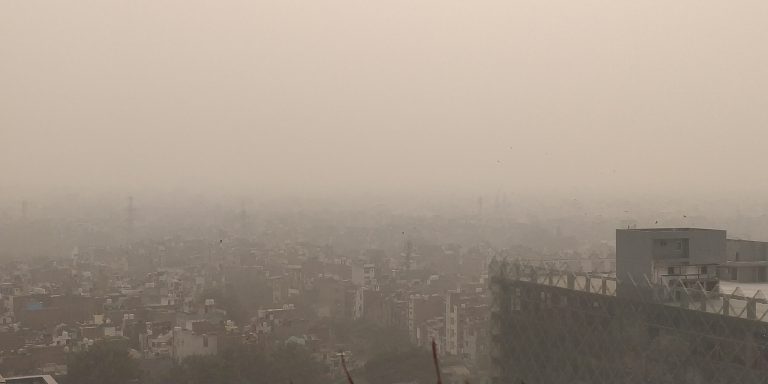
Rajya Sabha chamber, New Parliament building (representative image), Wikimedia Commons, GODL-India
Government
BRICS 2026: India’s chairship priorities explained
External Affairs Minister S Jaishankar outlined four broad priorities for India’s BRICS 2026 Chairship: resilience, innovation, cooperation and sustainability, describing India’s approach as humanity- and people-centric.
India’s BRICS 2026 chairship rests on four priorities outlined by EAM S Jaishankar.
These are resilience, innovation, cooperation and sustainability.
Each priority is tied to specific focus areas, from supply chains to clean energy.
The priorities span BRICS’s political-security, economic and cultural pillars.
India’s chairship theme reflects these four pillars directly.
Innovation focuses on leveraging new technologies and promoting start-ups and MSMEs to drive inclusive economic development.
Cooperation focuses on deepening political, economic and cultural collaboration, including people-to-people exchanges.
Sustainability focuses on advancing climate action, clean energy and fair development pathways.
Jaishankar said India is approaching its BRICS chairship with a humanity-first, people-centric approach.
India’s chairship theme is ‘Building for Resilience, Innovation, Cooperation and Sustainability’.
The theme reflects India’s stated belief that cooperation among BRICS members can help address shared challenges in a balanced and inclusive manner.
BRICS is a grouping of major emerging economies that has expanded in membership in recent years.
India previously launched the logo, theme and website for its BRICS chairship earlier in 2026.
India’s chairship responsibilities include hosting a series of ministerial meetings and a leaders’ summit during its term.
BRICS originally comprised Brazil, Russia, India, China and South Africa before expanding its membership further.
India has held the BRICS chairship on a previous occasion, hosting a summit in earlier years.
The rotating chairship model gives each member country an opportunity to shape the grouping’s annual agenda and priorities.
Foreign ministers of BRICS countries typically meet on the sidelines of major multilateral gatherings during a chairship year.
External Affairs Minister S Jaishankar outlined four broad priorities for India’s BRICS 2026 Chairship.
The priorities are resilience, innovation, cooperation and sustainability.
They are meant to provide a coherent framework across BRICS’s three foundational pillars: political and security, economic and financial, and cultural and people-to-people exchanges.
Resilience focuses on strengthening institutions to withstand global shocks in areas such as agriculture, health, energy, disaster management and supply chains.
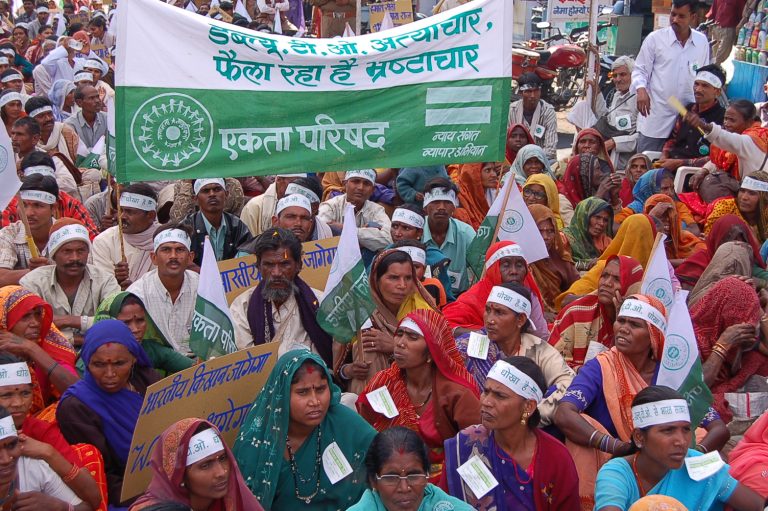
India at a BRICS summit (representative image), Wikimedia Commons, CC BY 4.0
-
Brandpost2 years agoRedfox Overseas: Customize Your Own Energy Drink and Stand Out in the Market
-
Brandpost2 years agoZamzam Company CEO Chhote Bhai-Bade Bhai gave a grand welcome to Indian writer Devhari Sirvi in Dubai
-
Fashion2 years agoShikha Sharma: The Fashion Journalist, Blogger, and Plus-Size Model Taking the Industry by Storm
-
Entertainment1 year ago
Lucky Roxx’s “Yadav Ki Pukar” Goes Viral! Youth Celebrate Unity & Power
-
Entertainment9 years agoNew Season 8 Walking Dead trailer flashes forward in time
-
Entertainment9 years agoMeet Superman’s grandfather in new trailer for Krypton
-
Uncategorized2 years ago
Hello world!
-
Brandpost2 years agoFrom Local Hero to National Icon: Satyam Yadav’s Journey with TwentyOne