
Delhi
Preventive arrest explained: Why the CJP leaders were produced before a magistrate
The CJP’s founder and two leaders were released on October 11 after being produced before an executive magistrate, as Delhi Police registered more than 20 FIRs over Saturday’s protest and arrested four men for assaulting protesters.

Delhi Police said that the three leaders were under preventive arrest.
A preventive arrest is meant to prevent a breach of peace, and the person must be produced before a magistrate.
The three were produced before an executive magistrate and released.
The release condition was no breach of peace for one year.
That condition was reported by the CJP’s legal head.
The three had been detained inside an aircraft after landing at Delhi airport on Saturday.
Delhi Police registered more than 20 FIRs over Saturday’s protest, according to India.com and ETV Bharat.
The charges include assault on police personnel and obstructing public servants.
India.com reported that more than 15 police personnel were injured and that stone-throwing was reported on Saturday.
At Kamla Market police station, four men who claimed links to a fringe Hindu group were arrested for allegedly assaulting students and manhandling women, according to India.com.
Police said at about 1 pm that they had identified and traced four men shown in a viral video assaulting a protester, and that legal action was under way, according to ETV Bharat.
Saurav Das said at a press conference that the three leaders were abducted on arrival, had their phones seized and were denied lawyers, which are the CJP’s allegations.
Das also claimed that right-wing groups instigated violence and that no FIR had been filed against them, and that a CJP leader was assaulted in custody.
Das alleged that independent journalists were assaulted and that police forcibly entered the Bangla Sahib gurdwara, which are also the CJP’s claims and were not independently confirmed.
The reports did not include a police response to these allegations.
Ajinkya Shinde said that the march to Jantar Mantar would resume and continue until the CJP’s demands are met.
The CJP called a protest in Mumbai at 4 pm on Sunday at T Junction, Shivaji Park, according to ETV Bharat.
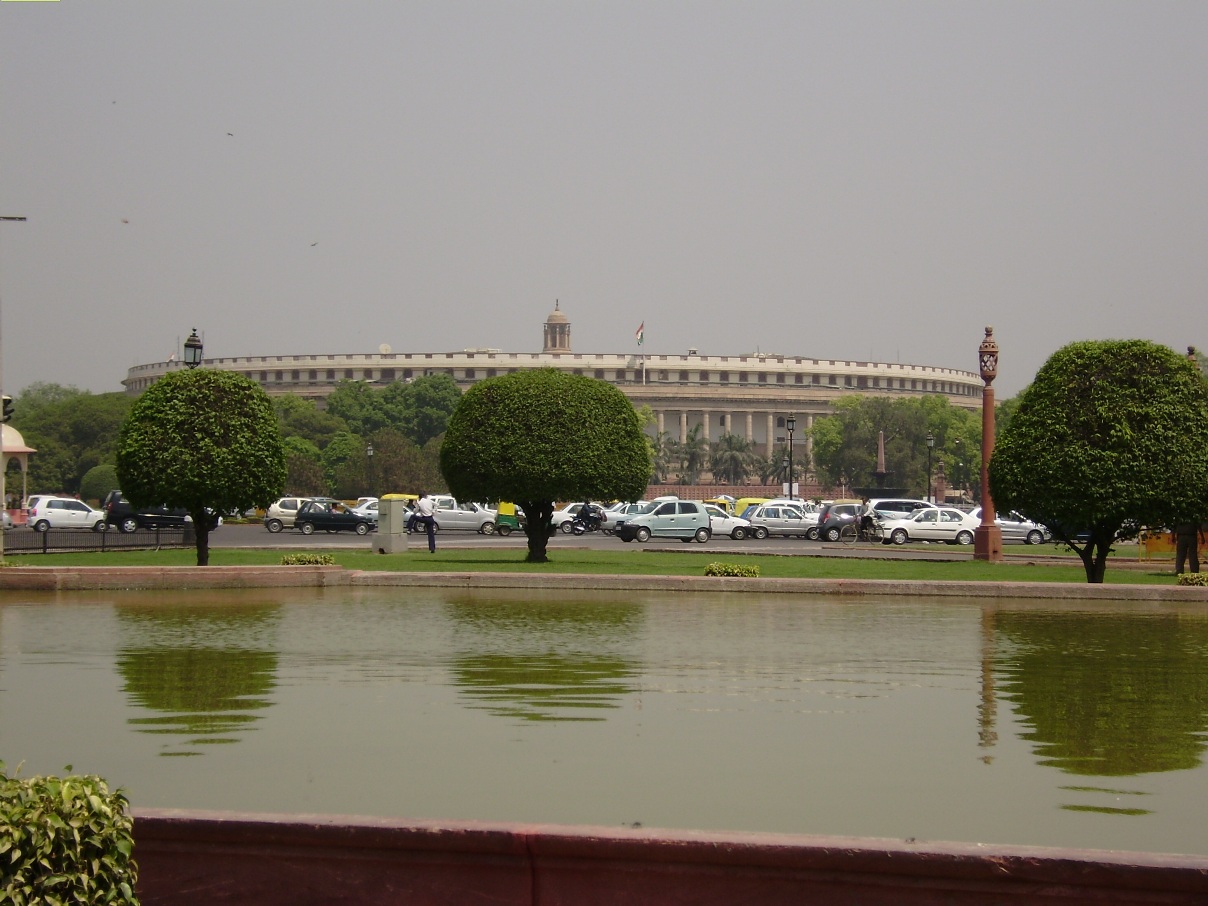
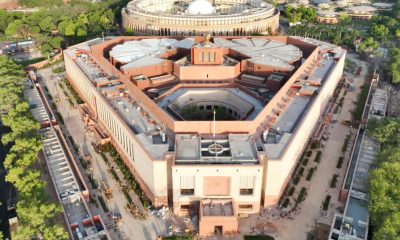
Parliament of India, Delhi (file image), Wikimedia Commons, CC BY 3.0







Delhi
CJP explained: A satirical Gen Z movement at the centre of Delhi’s protests
The Cockroach Janta Party said on the night of October 10 that it had lost contact for about 10 hours with its three leaders detained at Delhi airport, and announced that it will march to Jantar Mantar again on Sunday, October 11.

The Cockroach Janta Party is a satirical, unregistered youth movement, according to PTI.
It demands electoral reforms and the resignation of the Chief Election Commissioner.
It was behind the October 10 protest call.
Its founder and two leaders were detained at Delhi airport.
The party plans to march again on Sunday.
The Cockroach Janta Party, or CJP, said on the night of Saturday, October 10, 2026 that it had no contact for about 10 hours with three of its leaders, according to The Federal’s live blog.
The three are founder Abhijeet Dipke and leaders Saurav Das and Ashutosh Ranka.
They were detained by Delhi Police after a flight from Mumbai landed at Delhi’s IGI airport at about 10:30 am, according to ThePrint and The Federal.
Dipke was streaming live on Instagram at the time, according to The Federal.
The CJP said in a post on X that the three were taken to an undisclosed location and denied access to their lawyers.
The party described the three as abducted by Delhi Police, and that is the party’s description and not a finding.
Delhi Police has not publicly commented on the detentions, according to PTI.
Police had refused permission for the Jantar Mantar protest, citing law and order concerns, procedural deficiencies in the intimation and alleged past violations of protest conditions.
The CJP’s organisation in-charge, Ajinkya Shinde, will lead the protest at Jantar Mantar while the three leaders are in detention.
Shinde said that the movement would continue until Chief Election Commissioner Gyanesh Kumar resigns.
The CJP said that it is not backing down and will march to Jantar Mantar again on Sunday, October 11, and stay until its demands are met, according to The Federal.
The party’s demands are the resignation of the Chief Election Commissioner and a rollback of the Special Intensive Revision of electoral rolls.
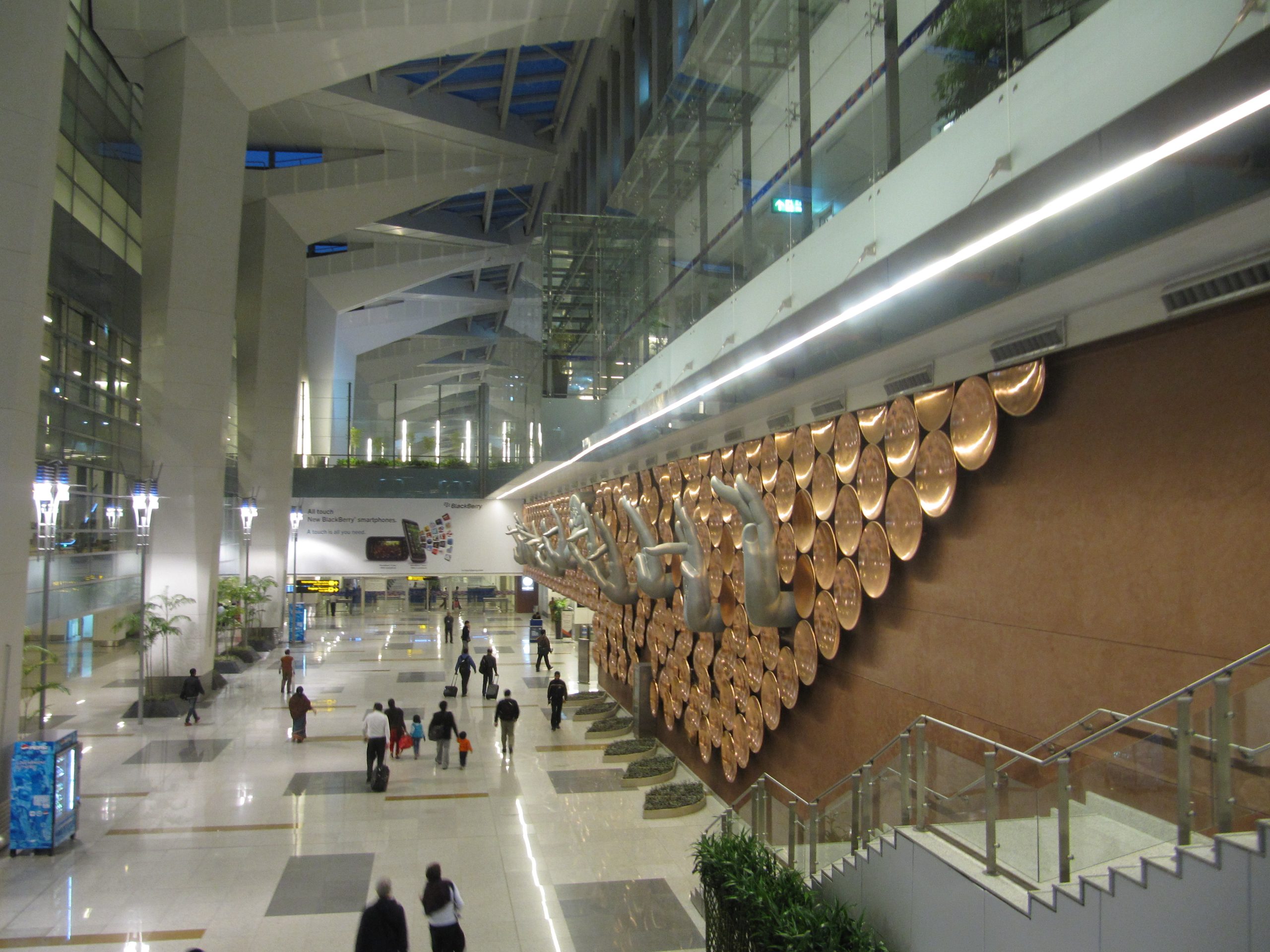
Terminal 3, Indira Gandhi International Airport, Delhi (file image), Wikimedia Commons, CC0
Delhi
Metro shutdown explained: Why the Supreme Court intervened
The Supreme Court said on October 9 that Delhi’s Metro and trains cannot be shut down entirely ahead of the CJP protest, while allowing regulated movement; on October 10 entry and exit were limited at 45 Metro stations and mobile internet was cut near Kartavya Path.
Petitioners challenged the closure of 57 Metro stations and the cancellation of long-distance trains.
The court said that an entire city cannot be shut down because of protests.
It cited commuters from Gurugram, Greater Noida and other NCR towns.
It allowed regulated movement and did not strike down the restrictions.
The Solicitor General said an alternative protest site would be considered.
It directed the authorities to give due publicity to their decisions on Metro and railway services and to issue a traffic advisory.
It said that restrictions must be proportionate and must not cause undue hardship to the public, according to Bar and Bench.
The court said that an entire city cannot be shut down because of protests, according to The Quint.
It cited the thousands of commuters who travel every day from Gurugram, Greater Noida and other parts of the NCR to Delhi for work and education.
Solicitor General Tushar Mehta defended the measures as meant to maintain law and order.
The Solicitor General told the bench that the competent authority would consider designating a place other than Jantar Mantar for peaceful protests.
Senior advocates Kapil Sibal, Abhishek Singhvi and Prashant Bhushan argued against the restrictions, and Singhvi said that preventive measures of this scale could not be justified when no incident had occurred.
The order does not strike down the restrictions outright, and authorities can still regulate the movement of Metro and trains.
On October 10, entry and exit were limited at 45 Metro stations until 6 pm, and interchange was available everywhere except at New Delhi station, according to Careerindia.
About 45 stations had been closed from 9 pm on October 9 for security reasons, according to ThePrint.
Mobile internet was shut within a four-kilometre radius of Janpath and Kartavya Path from 10 pm on October 9 to 10 pm on October 10, according to Careerindia.
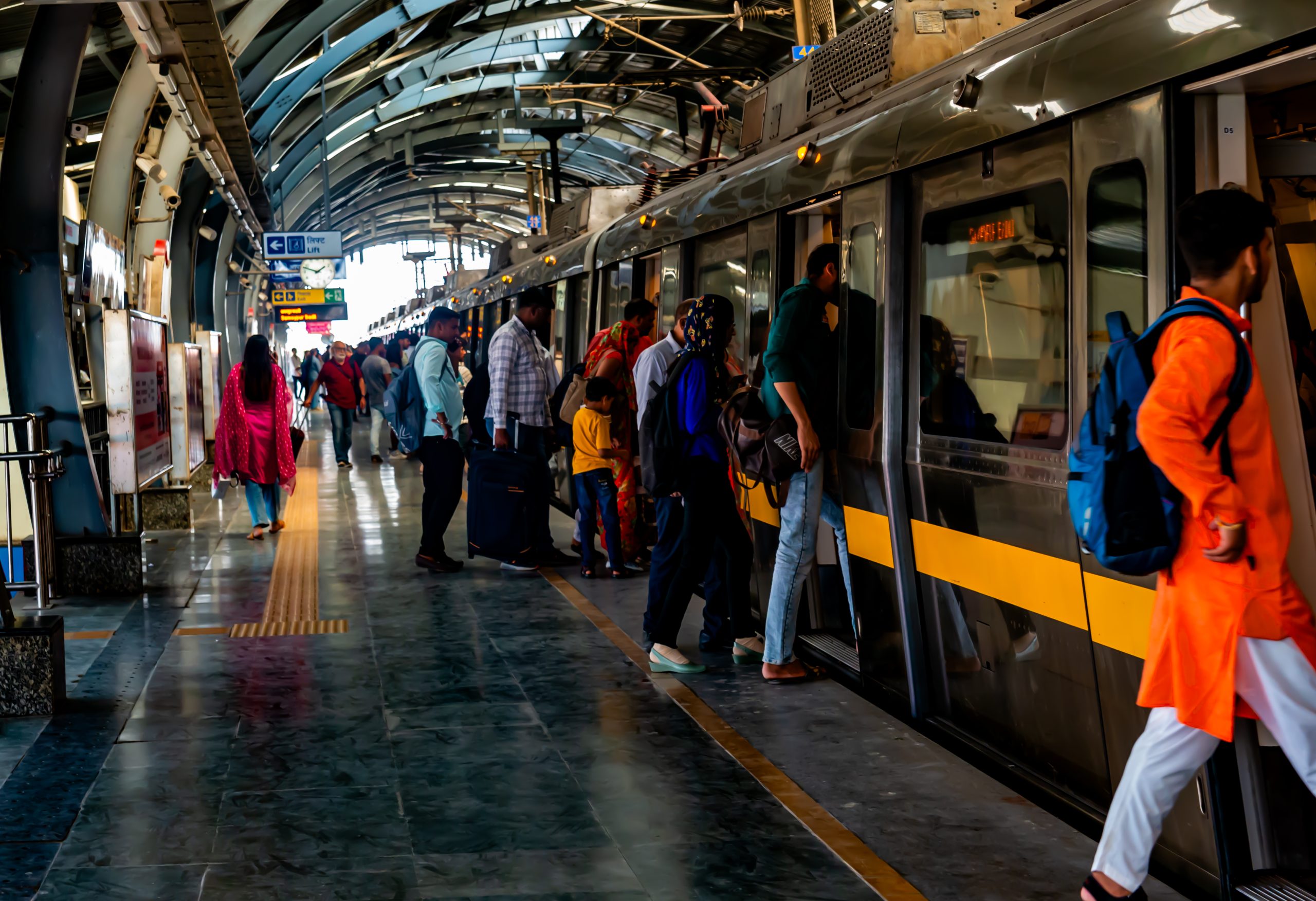
Delhi Metro station (representative image), Wikimedia Commons, CC BY-SA 4.0
Delhi
Delhi’s October 10 detentions explained: What police say and what the CJP says
Delhi Police detained hundreds of people, including the Cockroach Janta Party’s founder at the airport and a group of lawyers marching from the Supreme Court, as the party’s October 10 protest against the Chief Election Commissioner was blocked, according to ThePrint’s live reporting.
Police said about 150 people were detained in the morning and about 500 more arriving in groups.
The CJP says its founder and two co-conveners were detained at the airport and taken to an unknown location.
Al Jazeera reported that the party says thousands of its members were detained.
That is the party’s own claim and not an independent count.
The Supreme Court Bar Association has asked the Chief Justice of India to intervene.
Police said Delhi had been divided into 20 zones, each with a detention centre, and that three stadiums were designated as detention centres.
The CJP said its founder, Abhijeet Dipke, and two co-conveners were detained by police who boarded their plane after it landed at Delhi’s IGI airport at about 10:30 am.
The CJP said the three were taken to an unknown location.
The party also said that its legal spokesperson and its policy head were detained, and that a YouTuber was detained from a home in Gurugram.
At about 11 am, police detained a group of lawyers who were marching from the Supreme Court to Jantar Mantar.
At about noon, the Supreme Court Bar Association asked the Chief Justice of India for urgent intervention and for an examination of the detentions and the reported use of force.
The CPI(M) said that former Kerala chief minister Pinarayi Vijayan and other party leaders were detained, and Tushar Gandhi was reported detained in Mumbai while heading to a planned protest.
Newslaundry said that three of its journalists were detained and their official phones seized, and Scroll said its reporter was detained.
Police used buses, including prison vehicles, to take detainees away, according to ThePrint.
Al Jazeera reported that the party says thousands of its members were detained ahead of the protest, which is the party’s own claim and not an independent count.
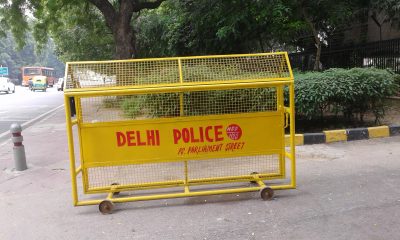
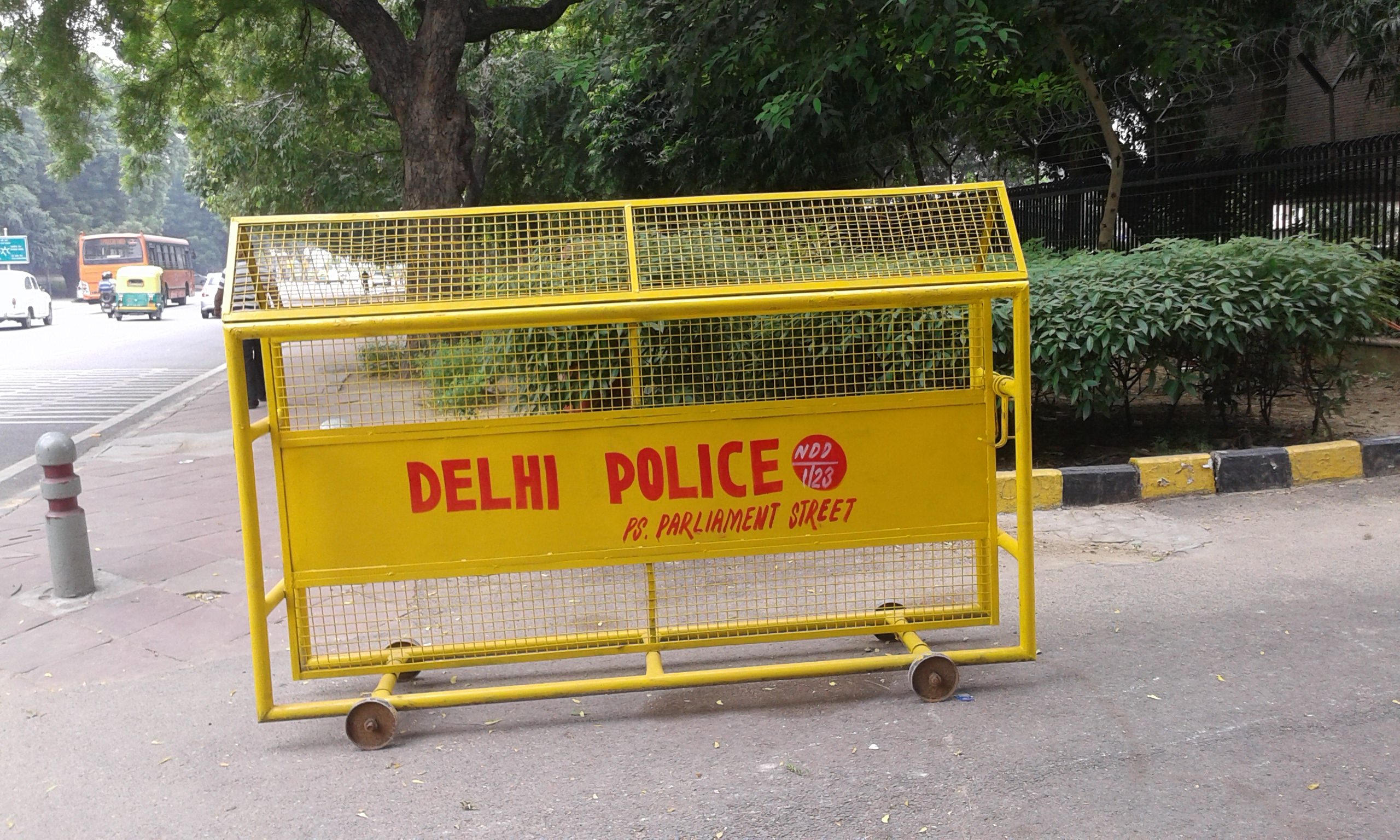
Delhi Police barricade (representative image), Wikimedia Commons, CC BY-SA 3.0


Preventive arrest explained: Why the CJP leaders were produced before a magistrate

Article 19(2) and Article 32 explained: The constitutional basis of the Supreme Court’s order

PTAHA Launches Members’ Directory 2.0 at TTF Hyderabad

Redfox Overseas: Customize Your Own Energy Drink and Stand Out in the Market

Zamzam Company CEO Chhote Bhai-Bade Bhai gave a grand welcome to Indian writer Devhari Sirvi in Dubai

Shikha Sharma: The Fashion Journalist, Blogger, and Plus-Size Model Taking the Industry by Storm
-
 Brandpost2 years ago
Redfox Overseas: Customize Your Own Energy Drink and Stand Out in the Market
-
 Brandpost2 years ago
Zamzam Company CEO Chhote Bhai-Bade Bhai gave a grand welcome to Indian writer Devhari Sirvi in Dubai
-
 Fashion2 years ago
Shikha Sharma: The Fashion Journalist, Blogger, and Plus-Size Model Taking the Industry by Storm
-
Entertainment2 years ago
Lucky Roxx’s “Yadav Ki Pukar” Goes Viral! Youth Celebrate Unity & Power
-

 Entertainment9 years ago
New Season 8 Walking Dead trailer flashes forward in time
-
Entertainment9 years ago
Meet Superman’s grandfather in new trailer for Krypton
-
Uncategorized2 years ago
Hello world!
-

 Brandpost2 years ago
From Local Hero to National Icon: Satyam Yadav’s Journey with TwentyOne