
Government
Twin bike yatra ‘Seva Sankalp Abhiyan’ begins from Varanasi
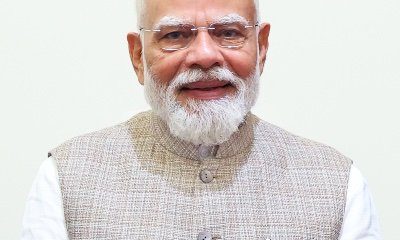
Defence Minister Rajnath Singh and UP CM Yogi Adityanath launched the ‘Seva Sankalp Abhiyan,’ a twin bike yatra from Kashi to Vadnagar covering 10 states, marking PM Modi’s 76th birthday.

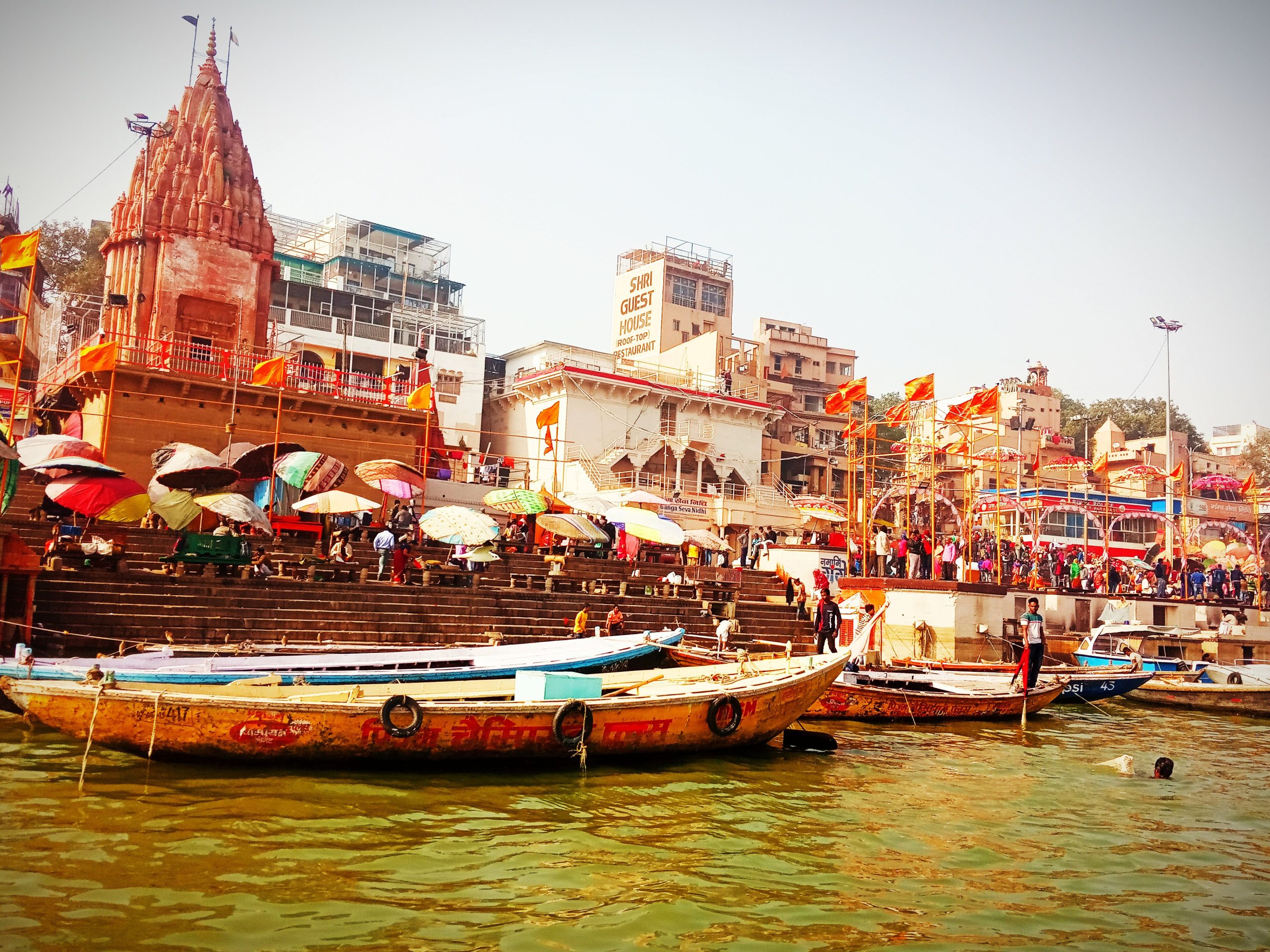
The ‘Seva Sankalp Abhiyan,’ a twin bike yatra, began from Varanasi, launched by Defence Minister Rajnath Singh and Uttar Pradesh CM Yogi Adityanath on PM Modi’s 76th birthday.
The campaign connects Kashi, PM Modi’s parliamentary constituency, with Vadnagar in Gujarat, his birthplace, covering 10 states, 193 districts and 1,159 villages.
Roughly 500 bikers on 250 motorcycles are taking part in each direction, with one convoy carrying Gangajal to Vadnagar and another returning with water from Gujarat.
The yatra is set to conclude on October 7 with rituals at Baba Hatkeshwar temple in Vadnagar and a Jalabhishek ceremony at Baba Vishwanath temple in Kashi.
Rajnath Singh described it as ‘a confluence yatra of service, values and sadhana,’ linking Modi’s birthplace to his governance base, and credited the government with achievements including women’s greater parliamentary participation.
Around 500 bikers on 250 motorcycles are participating in each direction of the twin yatra, with 60 to 80 local service programs planned daily at stops along the route.
Rajnath Singh described the initiative as ‘a confluence yatra of service, values and sadhana,’ linking PM Modi’s birthplace with his political and governance base.
The campaign is being organized by the BJP to mark PM Modi’s 25 years of public service and his 76th birthday on September 17.
Rajnath Singh credited the Modi government with several major national changes during the launch, including action against Naxalism and the removal of Article 370 in Jammu and Kashmir.
The Defence Minister also cited poverty reduction affecting crores of people, greater women’s participation in Parliament, and the promotion of the semiconductor industry among the government’s achievements.
The Seva Sankalp Abhiyan follows a template used in past years, including a similar ‘Seva Sankalp’ walk led by Delhi CM Rekha Gupta on PM Modi’s 75th birthday.
The campaign’s stated objective is to connect with public sentiment and reach citizens through local service activities across the covered districts and villages.
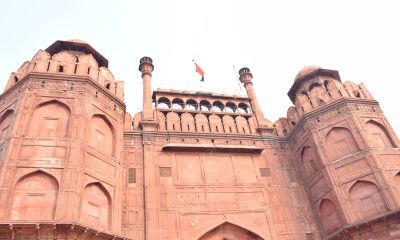
Dashashwamedh Ghat, Varanasi (representative image), Wikimedia Commons, CC BY-SA 4.0






Government
MPSC row explained: Paper leak, protests and the proposed panel
Maharashtra Chief Minister Devendra Fadnavis has asked Governor Jishnu Dev Varma to set up a panel headed by a retired High Court judge to initiate action against current and former MPSC chairpersons and members, with a report due in three months.
A paper leak was confirmed in the MPSC’s Drug Inspector examination.
Aspirants protested in Pune.
MPSC Secretary Mahendra Harpalkar was relieved of the duties.
The Chief Minister has now recommended a committee headed by a retired High Court judge.
It is to report within three months.
The recommendation is made under Article 317 of the Constitution.
Fadnavis noted that MPSC members hold constitutional posts, and that removing them requires a strict procedure.
Under Article 317, a chairperson or member can be removed only after a formal inquiry, which involves a reference to the Supreme Court and action by the President.
The agitation by aspirants intensified in Pune after a paper leak was confirmed in the Drug Inspector examination that the MPSC conducted for the Food and Drug Administration.
After assurances given in talks between the Chief Minister and student representatives, MPSC Secretary Mahendra Harpalkar was relieved of the duties.
On September 30, Fadnavis had assured students that a retired judge would inquire into the functioning of the MPSC chairman within three months.
The MPSC had earlier postponed its State Services Main Examination, which was due on October 3, and decided to re-evaluate the 2025 answer sheets.
NCP (SP) MLA Rohit Pawar gave a 48-hour ultimatum demanding the removal of the MPSC chairman, according to the Free Press Journal.
He warned that more than 100,000 students could protest in Pune or march to Mantralaya if the demand was not met, according to the same report.
The protest was being held at SM Joshi Bridge in Pune, according to the Free Press Journal.
Opposition leaders including Uddhav Thackeray’s Shiv Sena faction have pressed the government on MPSC governance, according to UNI.
Congress leader Rahul Gandhi was expected to meet aspirants on October 7 and 8, according to the Free Press Journal.
The MPSC conducts recruitment examinations for posts in the Maharashtra government.
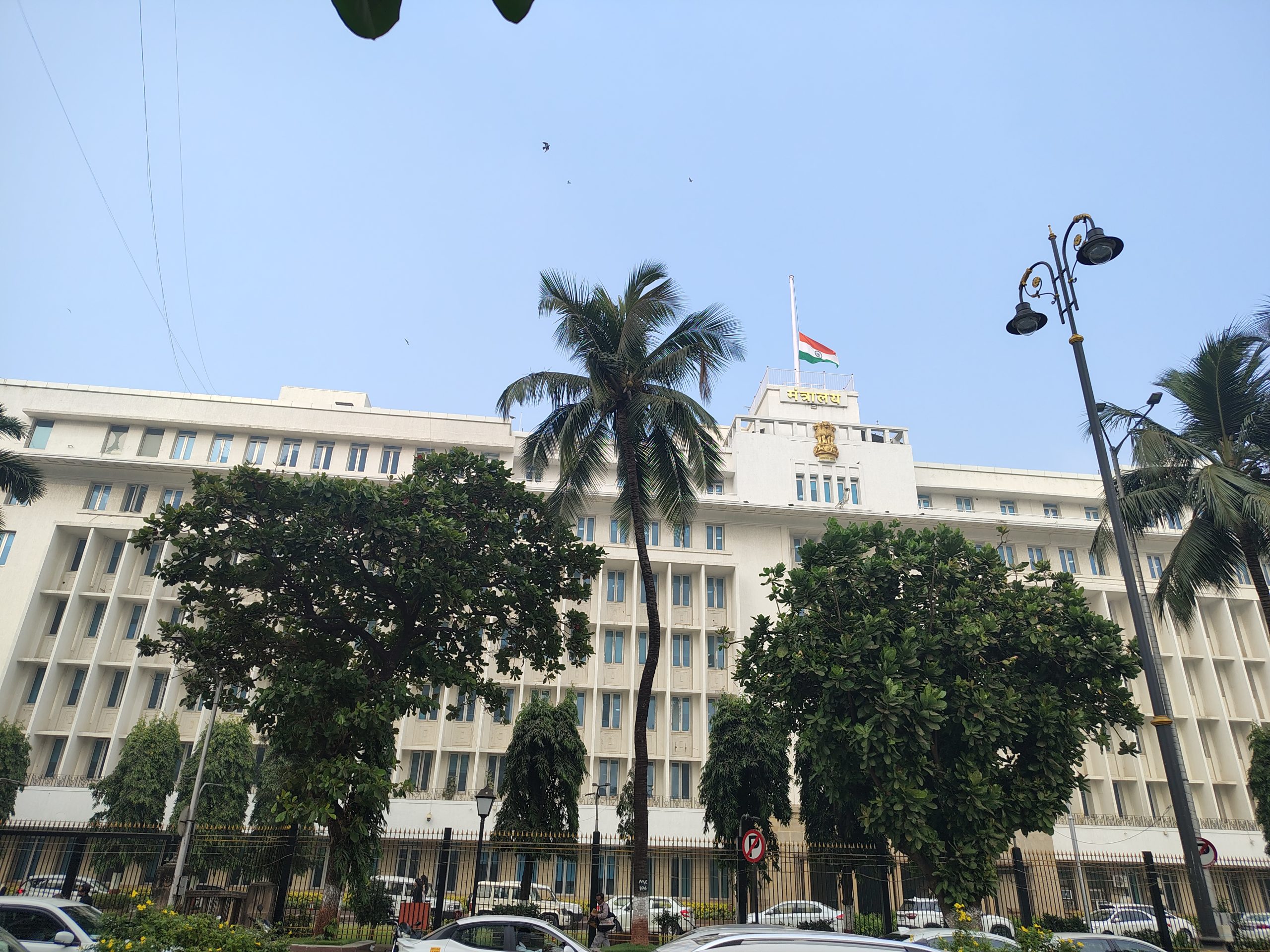
Mantralaya, Mumbai (file image), Wikimedia Commons, CC BY-SA 4.0
Government
Single exam card at Rs 100: Maharashtra’s MPSC reform promise
The Maharashtra government has terminated the deputation of MPSC Secretary Mahendra Harpalkar after Chief Minister Devendra Fadnavis met protesting aspirants, who called off an October 2 protest after he promised an inquiry into the commission chairman’s functioning.

Maharashtra has agreed to a single examination card system for MPSC candidates at a fee of Rs 100.
It is on the lines of the Rajasthan model.
The assurance was among those Chief Minister Devendra Fadnavis gave student representatives on September 30.
He also assured offline examinations and recruitment for about 30,000 posts.
An October 2 protest by aspirants was suspended.
Student representatives who attended included Nitin Andhale, who said the meeting was positive.
The students’ demands included action on alleged irregularities in the functioning of the MPSC and the chairman’s resignation.
They also demanded recruitment for 70,000 vacant posts and offline examinations.
Fadnavis assured them that a retired judge would inquire into the functioning of the MPSC chairman within three months.
He also assured the immediate transfer of the MPSC secretary and that future examinations would be held offline.
He assured recruitment for about 30,000 vacant posts, with a recruitment calendar to be announced within one month.
A single examination card system at a fee of Rs 100, on the lines of the Rajasthan model, was also agreed.
An inquiry into the paper leak issue was among the demands the government agreed to address, according to Andhale.
The reports did not say which examination the alleged paper leak concerned.
The MPSC chairman remains in his post while the inquiry is pending, and student groups and political leaders have asked for further accountability.
The Maharashtra Public Service Commission conducts recruitment examinations for posts in the Maharashtra government.
A deputation is a temporary posting of an officer to another body, and terminating it sends the officer back to the parent department.
A Lokshahi report said an October 2 protest against the MPSC paper leak was to be held under the leadership of MLA Rohit Pawar.
The Pune Police Commissioner, Amitesh Kumar, and DCP Prashant Amritkar attended the September 30 meeting as special invitees.
Mantralaya, Mumbai (file image), Wikimedia Commons, CC BY-SA 4.0
Government
Delhi’s command centre arrives ahead of the winter pollution plan
Delhi Chief Minister Rekha Gupta inaugurated an Integrated Command and Control Centre on October 2 to monitor pollution sources in real time, using AI cameras on more than 700 construction sites and GPS tracking of sweeping machinery.
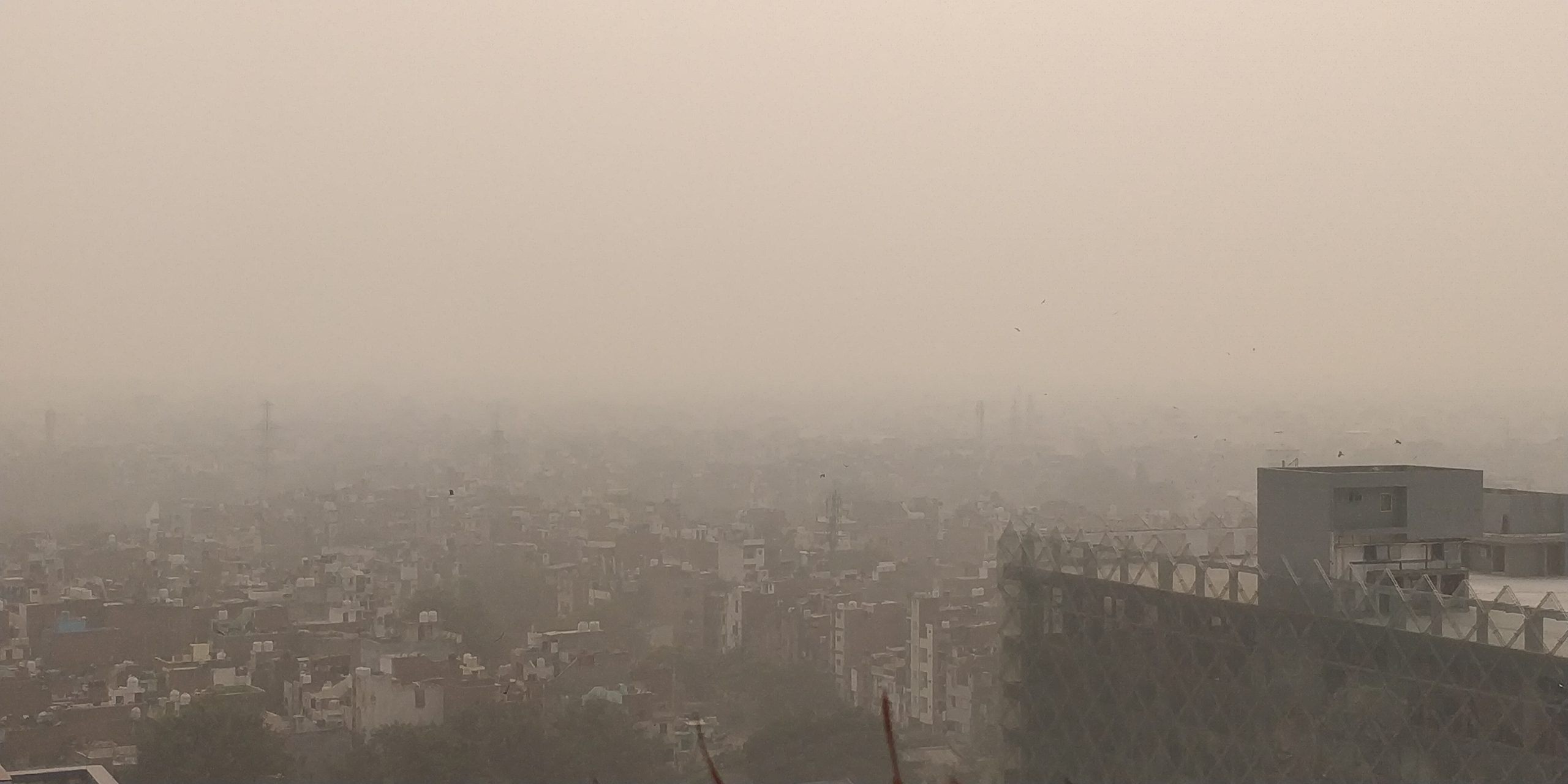
Delhi’s new pollution command centre launched ahead of the winter pollution action plan.
The plan takes effect from November 1 and runs through February 2027.
The centre will monitor construction sites, sweeping machinery and open burning.
It was inaugurated by CM Rekha Gupta on October 2.
AI cameras will cover more than 700 construction sites.
AI-driven cameras will monitor construction sites larger than 500 square metres.
More than 700 identified construction sites are covered by the monitoring.
GPS will be used to track mechanical road-sweeping machinery and pollution-control towers across Delhi.
The centre will also monitor pollution hotspots and open burning.
It integrates complaints and inspection data so that the relevant departments can act faster.
The launch comes ahead of Delhi’s winter pollution action plan, which takes effect from November 1 and runs through February 2027.
Construction dust, road dust and open burning are among the local sources of air pollution in Delhi.
Delhi’s air quality typically worsens sharply in the winter months as local emissions combine with weather conditions that trap pollutants.
Real-time monitoring is intended to make enforcement against violators faster than periodic manual inspections allow.
Delhi’s winter action plan also includes staggered office timings, doubled parking charges and a ban on non-BS-VI vehicles from outside the city from November 1.
A ‘No PUCC, No Fuel’ campaign is also planned for petrol pumps across the city.
Union Environment Minister Bhupender Yadav and Chief Minister Rekha Gupta reviewed the winter plan in late September.
Pollution-control towers and mechanical sweepers are among the equipment Delhi uses to reduce dust and particulate matter on roads.
Integrated command centres are used in several Indian cities to combine data from cameras, sensors and complaints in one place.
Enforcement agencies in Delhi include the city government’s environment department, the municipal corporation and the pollution control committee.
Delhi air pollution (representative image), Wikimedia Commons, CC BY-SA 4.0


Book Review | D J Borkotoki’s Against the Colluding Sky

RatanovaFilms: The Indian AI Studio Raising the Bar for Brand Films

From Manufacturing to Building a Fashion Brand: How Vani Lifestyle Is Expanding Its Vision with Baano Studio

Redfox Overseas: Customize Your Own Energy Drink and Stand Out in the Market

Zamzam Company CEO Chhote Bhai-Bade Bhai gave a grand welcome to Indian writer Devhari Sirvi in Dubai

Shikha Sharma: The Fashion Journalist, Blogger, and Plus-Size Model Taking the Industry by Storm
-
 Brandpost2 years ago
Redfox Overseas: Customize Your Own Energy Drink and Stand Out in the Market
-
 Brandpost2 years ago
Zamzam Company CEO Chhote Bhai-Bade Bhai gave a grand welcome to Indian writer Devhari Sirvi in Dubai
-
 Fashion2 years ago
Shikha Sharma: The Fashion Journalist, Blogger, and Plus-Size Model Taking the Industry by Storm
-
Entertainment2 years ago
Lucky Roxx’s “Yadav Ki Pukar” Goes Viral! Youth Celebrate Unity & Power
-

 Entertainment9 years ago
New Season 8 Walking Dead trailer flashes forward in time
-
Entertainment9 years ago
Meet Superman’s grandfather in new trailer for Krypton
-
Uncategorized2 years ago
Hello world!
-

 Brandpost2 years ago
From Local Hero to National Icon: Satyam Yadav’s Journey with TwentyOne