
Weather
What is a deep depression, and why does it matter for the coast?
A low-pressure system over the Bay of Bengal is set to intensify into a deep depression on September 22, bringing heavy to very heavy rain to coastal Andhra Pradesh and Odisha, with winds gusting to 70 kmph.

A low-pressure system over the Bay of Bengal is set to become a deep depression on September 22.
The system is expected to bring heavy to very heavy rain to coastal Andhra Pradesh and Odisha.
Winds in the Bay of Bengal could gust to 70 kmph.
Fishermen are advised not to venture into affected waters.
The system could further influence weather over the following days.
Heavy to very heavy rainfall is expected over coastal Andhra Pradesh and Odisha between September 22 and 24.
Heavy rain is also forecast over Chhattisgarh, Gangetic West Bengal, Karnataka, Maharashtra, Telangana and parts of the Northeast.
Jharkhand is expected to see heavy rain with thunderstorms and lightning on September 22.
West Bengal and Sikkim are forecast to see thunderstorms, lightning and squally conditions.
West Madhya Pradesh is under a thunderstorm and lightning warning.
The latest bulletin did not include warnings for Delhi-NCR, Uttar Pradesh, Punjab, Himachal Pradesh, Jammu and Kashmir, or Rajasthan for September 22.
Delhi is expected to remain mainly clear, with a maximum temperature of around 35 degrees Celsius and a minimum of about 24 degrees.
Heavier rain and thunderstorm activity is expected to reach Uttar Pradesh from around September 24-25.
Fishermen have been advised not to venture into the Bay of Bengal in areas affected by the strengthening system.
Forecasts for weather systems like this can change as the system develops, so people in the affected coastal areas are advised to follow updated bulletins.
A low-pressure area over the east-central Bay of Bengal and adjoining north Andaman Sea intensified into a depression around September 21.
The India Meteorological Department expects it to strengthen further into a deep depression on September 22.
Winds over parts of the Bay of Bengal could reach 50 to 60 kmph, gusting to 70 kmph, on September 22.
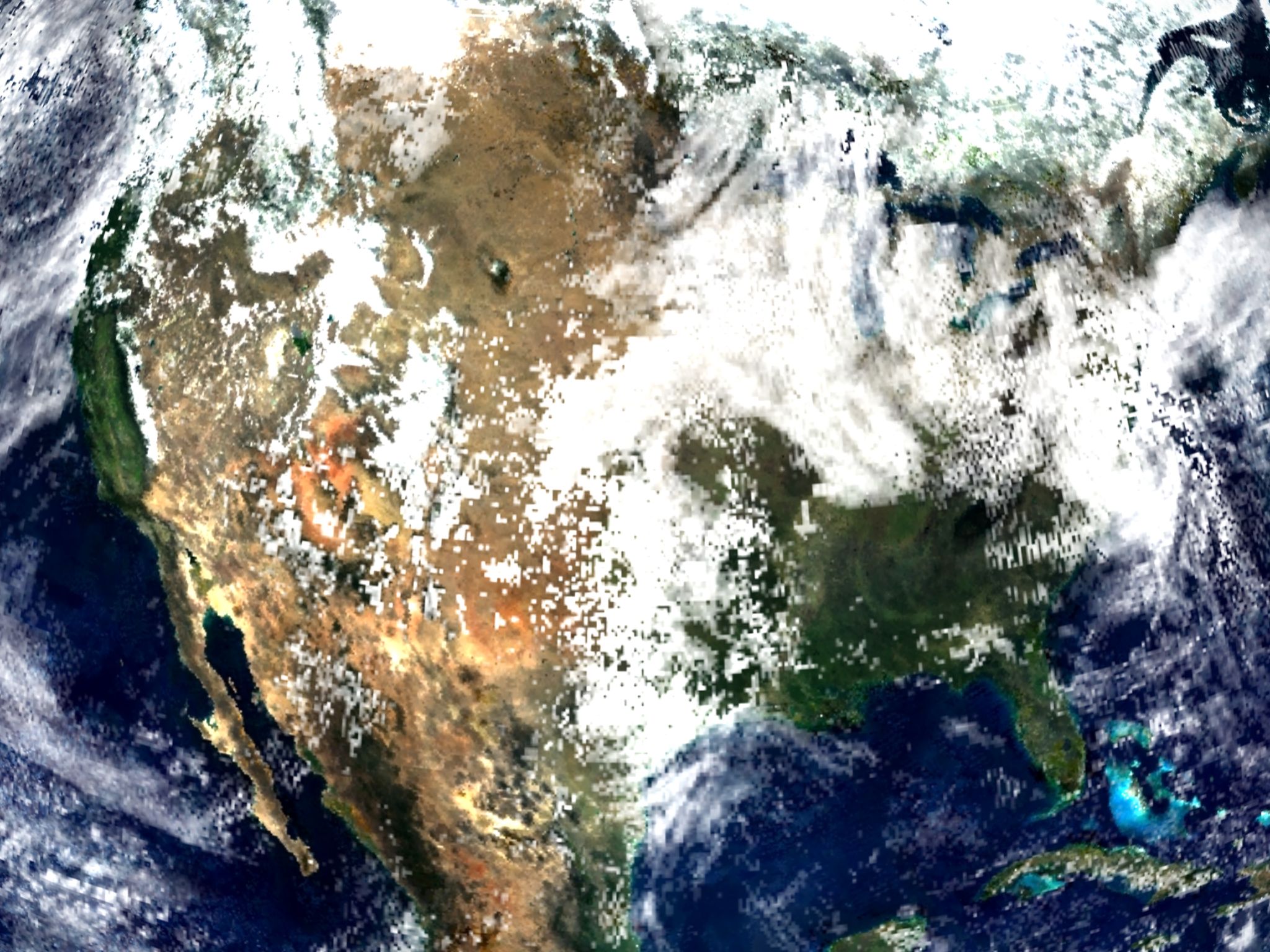
Tropical cyclone over the Bay of Bengal (NASA, representative image), Wikimedia Commons, public domain









Weather
Why Delhi feels Himalayan earthquakes: Chamoli tremor explained
A magnitude 4.9 earthquake struck Chamoli in Uttarakhand at 10:23 pm on October 6, according to the National Centre for Seismology, with tremors felt in Delhi, Noida and Ghaziabad. No damage was reported in the first reports.
Delhi lies in seismic zone IV on India’s earthquake hazard map.
It often feels tremors from earthquakes in the Himalaya.
The Chamoli quake had a shallow depth of 13 km, which lets shaking travel far.
Its magnitude was 4.9.
No damage was reported in the first reports.
Tremors were felt across the National Capital Region, including Delhi, Noida and Ghaziabad.
Tremors were also reported from several districts of Uttarakhand, including Bageshwar, Pithoragarh, Champawat, Rudraprayag and Chamoli.
People in Bhowali, Haldwani, Khatima, Rishikesh, Gopeshwar and Badrinath reportedly felt the shaking.
The first reports did not mention any damage or injuries.
The relatively shallow depth of 13 km means that the shaking can be felt over a wide area.
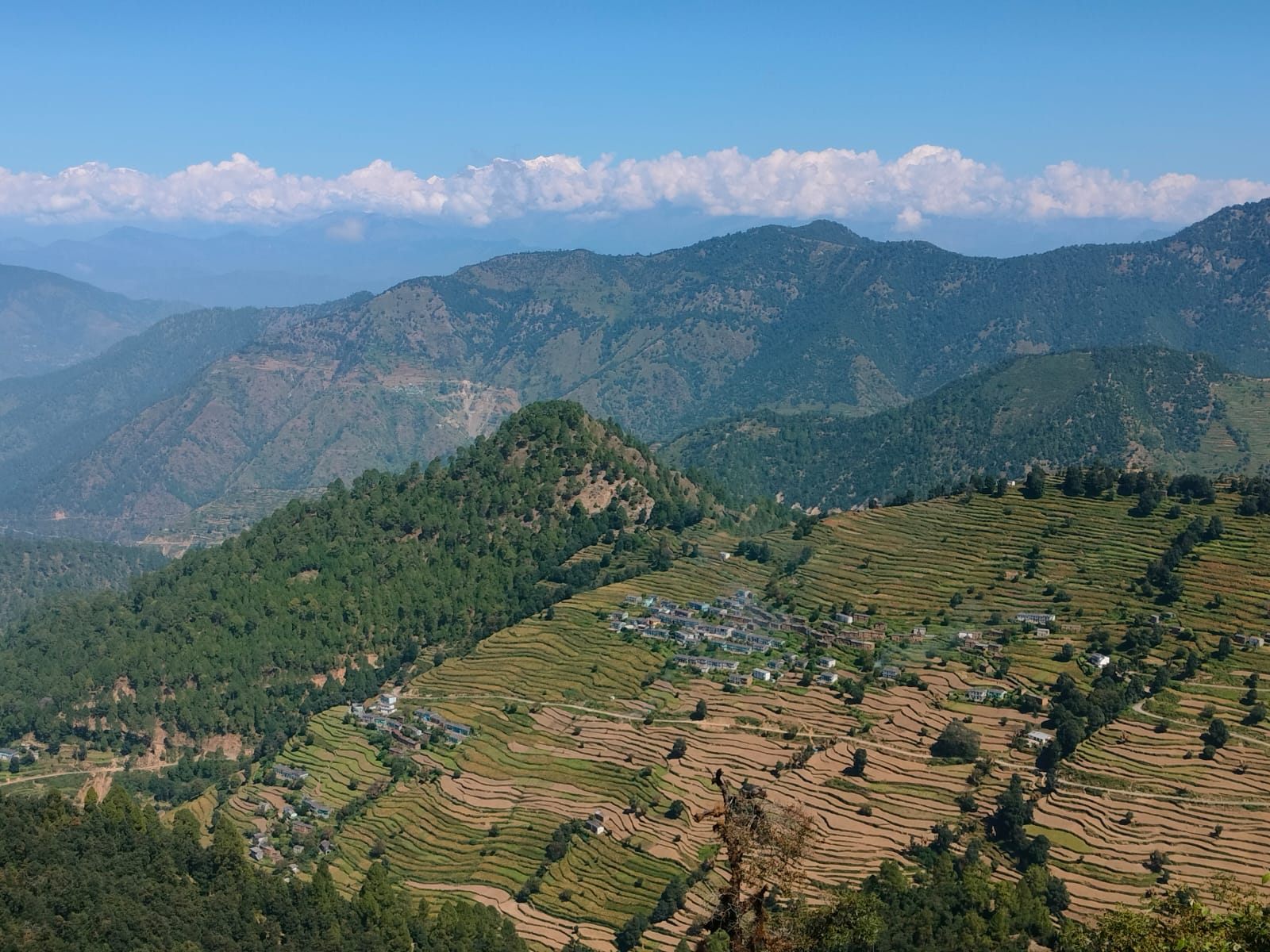
Uttarakhand lies in the Himalayan belt, which is one of the most seismically active regions in the world.
Delhi lies in seismic zone IV on India’s earthquake hazard map, and it often feels tremors from earthquakes in the Himalaya.
Magnitude is a measure of the energy released at the source, and the shaking felt at a place depends on the distance and depth as well.
A magnitude 4.9 earthquake is classed as light to moderate, and damage from such a quake is usually limited.
The National Centre for Seismology reports earthquakes in India and publishes the time, magnitude, depth and location.
ANI, Business Today and other outlets carried the NCS details on the night of October 6.
Residents of earthquake-prone areas are advised to stay calm, move away from windows and unstable structures, and follow official instructions.
An earthquake of this size can be followed by smaller aftershocks, so people are advised to stay alert.
The reports available on the night of October 6 and on October 7 did not mention any official damage assessment.
A magnitude 4.9 earthquake struck Chamoli in Uttarakhand on the night of Tuesday, October 6, 2026.
Garhwal Himalaya, Uttarakhand (representative image), Wikimedia Commons, CC BY-SA 4.0
Weather
Weather on October 6: State-by-state IMD forecast
The India Meteorological Department has forecast heavy rain in parts of south India and light rain with thunderstorms in Delhi on October 6 as the monsoon withdraws, with Delhi’s air quality expected to turn poor within three days.
Delhi, Haryana and Chandigarh: light to moderate rain, thunderstorms and strong winds.
Kerala, Karnataka, Tamil Nadu and Puducherry: heavy rain at places.
Himachal Pradesh: thunderstorms with gusts of 30 to 40 kmph on October 6 and 7.
Bihar: rain from October 6 to 9. Odisha: rain from October 6 to 11.
Jammu and Kashmir and Ladakh: fairly widespread to widespread rain.
Delhi’s daytime high was forecast near 36 degrees Celsius and the night-time low near 24 degrees Celsius on Monday, October 5.
Delhi’s air quality could deteriorate to the poor category within three days, which could trigger the first stage of the Graded Response Action Plan, or GRAP.
Heavy rain is forecast on October 6 in parts of Kerala and Mahe, South Interior Karnataka, Tamil Nadu, Puducherry and Karaikal, with a yellow alert.
Rainfall in those areas is forecast in the 64.5 mm to 115.5 mm range at some places, according to India.com.
Thunderstorms with lightning and gusty winds of 30 to 40 kmph, gusting to 50 kmph, are likely in Himachal Pradesh on October 6 and 7.
Fairly widespread to widespread rain is forecast over Jammu and Kashmir and Ladakh on October 6.
Rain is expected in Bihar from October 6 to 9 and in Odisha from October 6 to 11.
Haryana, Chandigarh and Delhi can expect thunderstorms, light to moderate rain and strong winds.
Eastern and western Uttar Pradesh may see moderate to heavy rain, with highs of 32 to 33 degrees and lows of 23 to 24 degrees, according to The Week.
Hilly states face landslide risks, and a mild cold wave is expected in the plains by mid-October, according to The Week.
The IMD uses yellow, orange and red alerts, and a yellow alert means that people should be aware of the weather and stay updated.
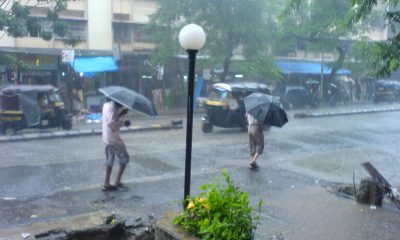
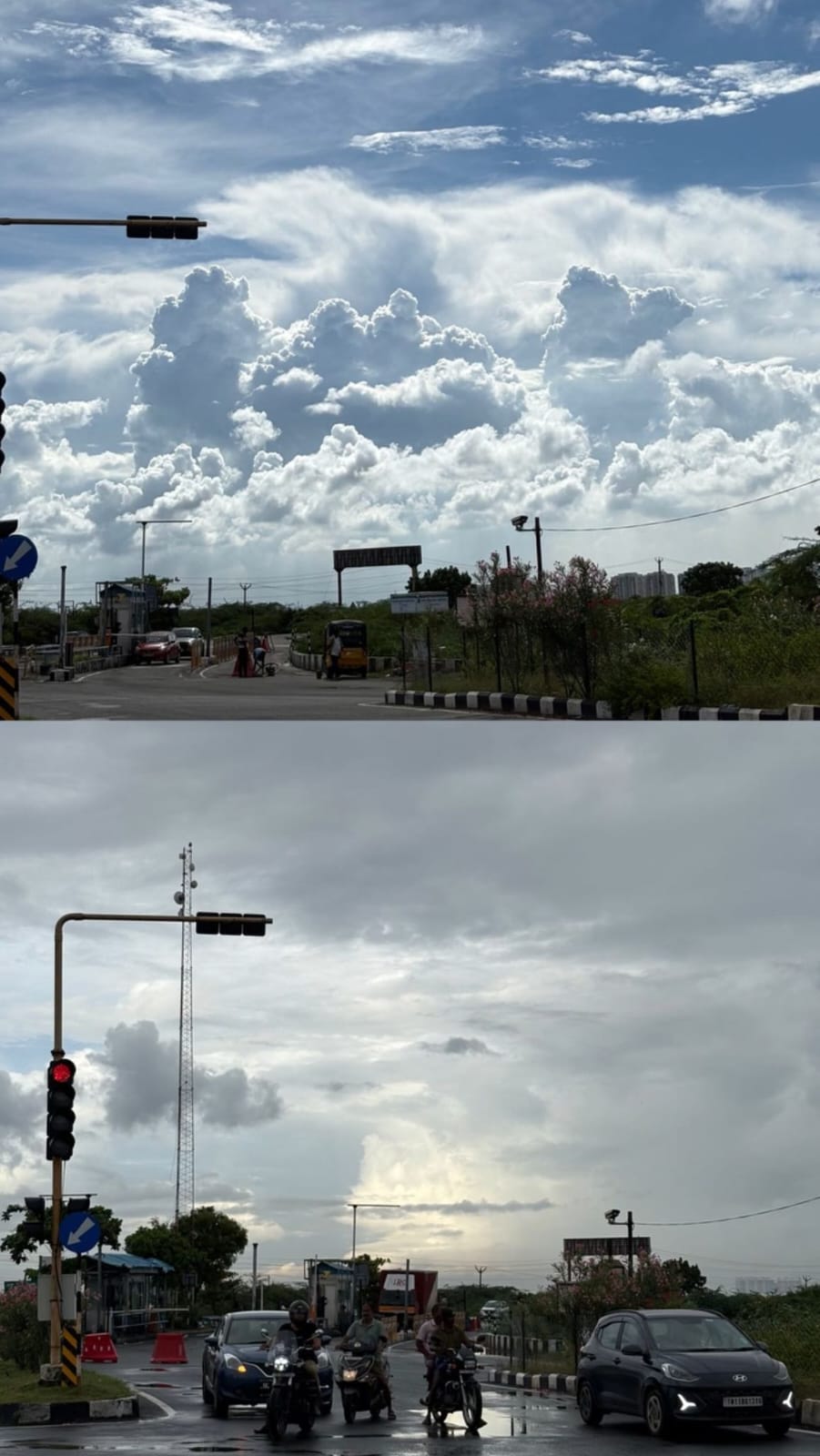
Monsoon clouds over a city (representative image), Wikimedia Commons, CC BY-SA 4.0
Weather
Rain in the south and northeast, dry in Delhi: Weather on October 3
The IMD says the monsoon has completely withdrawn from Delhi-NCR, with clear and sunny weather forecast for October 3 to 5, a high of 36 degrees Celsius and an air quality index in the moderate category.
Kerala, Mahe, coastal Karnataka and Lakshadweep are forecast to get fairly widespread to widespread rainfall on October 3.
Arunachal Pradesh may see isolated heavy rainfall on October 3 and 4.
Delhi is forecast to stay clear and sunny, with a high of 36 degrees Celsius.
The IMD says the monsoon has completely withdrawn from Delhi-NCR.
No rain is expected in Delhi from October 3 to 5.
Daytime winds were forecast to be westerly at 20 to 22 km/h, easing to about 15 km/h in the evening and night.
Air quality in Delhi was in the moderate category.
Alipur recorded the highest reading among the stations reported, an air quality index of 198.
CRRI Mathura Road recorded 191, Punjabi Bagh 186 and Mandir Marg 154.
Patparganj recorded the lowest of the reported readings, at 133.
On the AQI scale, readings of 101 to 200 fall in the moderate category.
Elsewhere in India, rain continued in the south and northeast.
Kerala, Mahe, coastal Karnataka and Lakshadweep were forecast to get fairly widespread to widespread rainfall.
Arunachal Pradesh was forecast to see isolated heavy rainfall on October 3 and 4.
The withdrawal of the southwest monsoon from north India usually happens during September and October.
India’s air quality index scale runs from 0 to 500: 0 to 50 is good, 51 to 100 satisfactory, 101 to 200 moderate, 201 to 300 poor, 301 to 400 very poor and 401 to 500 severe.
Delhi’s winter pollution action plan takes effect from November 1 and runs through February 2027.
The plan includes staggered office timings, doubled parking charges and 50% work from home for certain sectors.
Delhi’s Integrated Command and Control Centre, launched on October 2, monitors pollution sources such as construction sites in real time.
The report on the monsoon’s withdrawal did not include any health advisories.
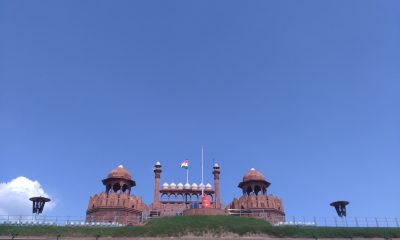
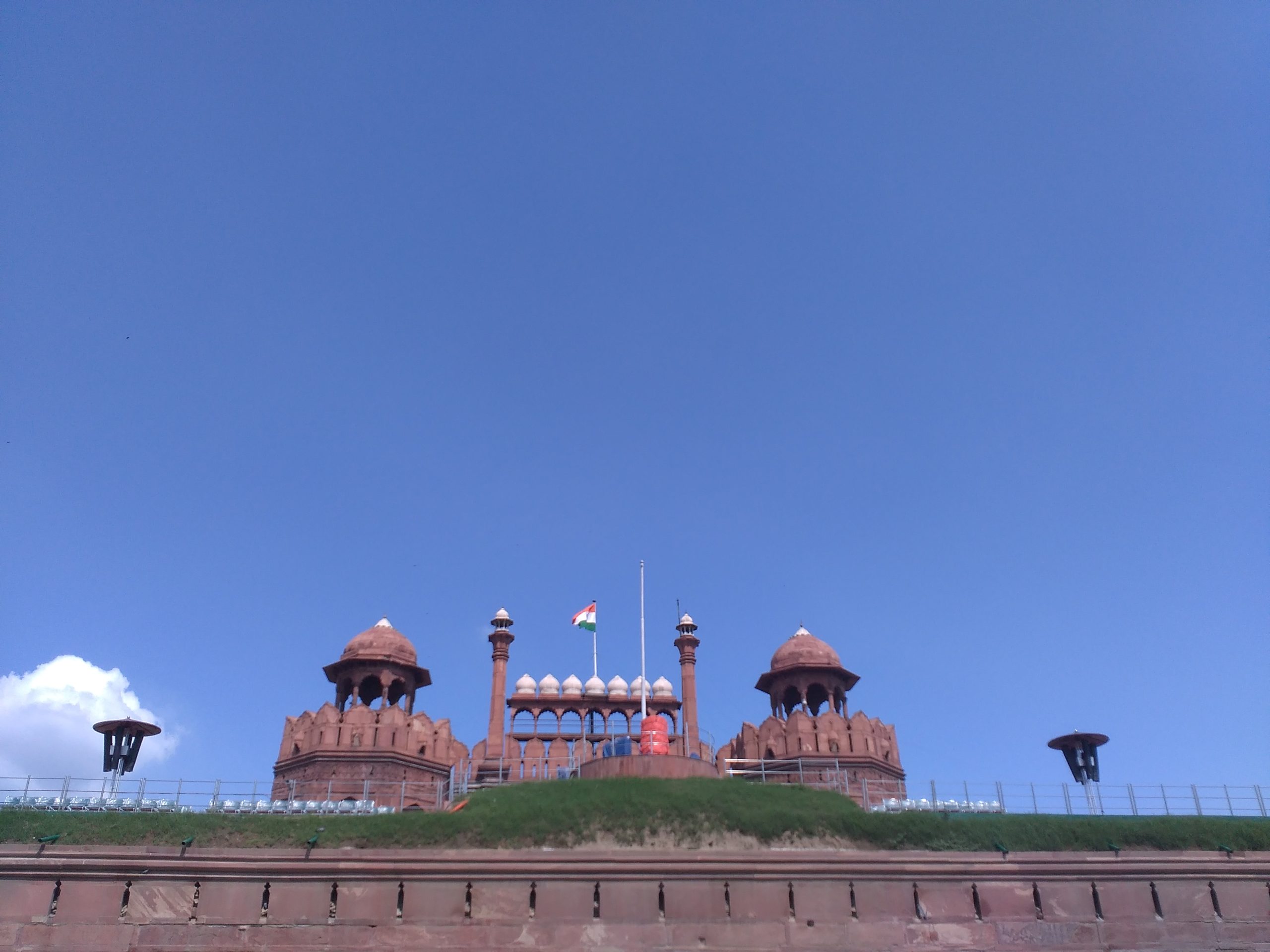
Red Fort, New Delhi under a clear sky (file image), Wikimedia Commons, CC BY-SA 4.0


Explained: What is a periscope camera, as used in the Motorola Signature 27?

Explained: Why a weak rupee and costly crude hurt Indian stocks

Explained: What is a special intensive revision of electoral rolls, and why is it in court?

Redfox Overseas: Customize Your Own Energy Drink and Stand Out in the Market

Zamzam Company CEO Chhote Bhai-Bade Bhai gave a grand welcome to Indian writer Devhari Sirvi in Dubai

Shikha Sharma: The Fashion Journalist, Blogger, and Plus-Size Model Taking the Industry by Storm
-
 Brandpost2 years ago
Redfox Overseas: Customize Your Own Energy Drink and Stand Out in the Market
-
 Brandpost2 years ago
Zamzam Company CEO Chhote Bhai-Bade Bhai gave a grand welcome to Indian writer Devhari Sirvi in Dubai
-
 Fashion2 years ago
Shikha Sharma: The Fashion Journalist, Blogger, and Plus-Size Model Taking the Industry by Storm
-
Entertainment2 years ago
Lucky Roxx’s “Yadav Ki Pukar” Goes Viral! Youth Celebrate Unity & Power
-

 Entertainment9 years ago
New Season 8 Walking Dead trailer flashes forward in time
-
Entertainment9 years ago
Meet Superman’s grandfather in new trailer for Krypton
-
Uncategorized2 years ago
Hello world!
-

 Brandpost2 years ago
From Local Hero to National Icon: Satyam Yadav’s Journey with TwentyOne