Agriculture
Karnataka drought explained: Taluks, rain deficit and crop damage
Karnataka has estimated drought losses of Rs 46,324.50 crore across 177 taluks and sought Rs 7,142.64 crore from the Centre’s disaster fund as Chief Minister DK Shivakumar met the central assessment team on October 3.

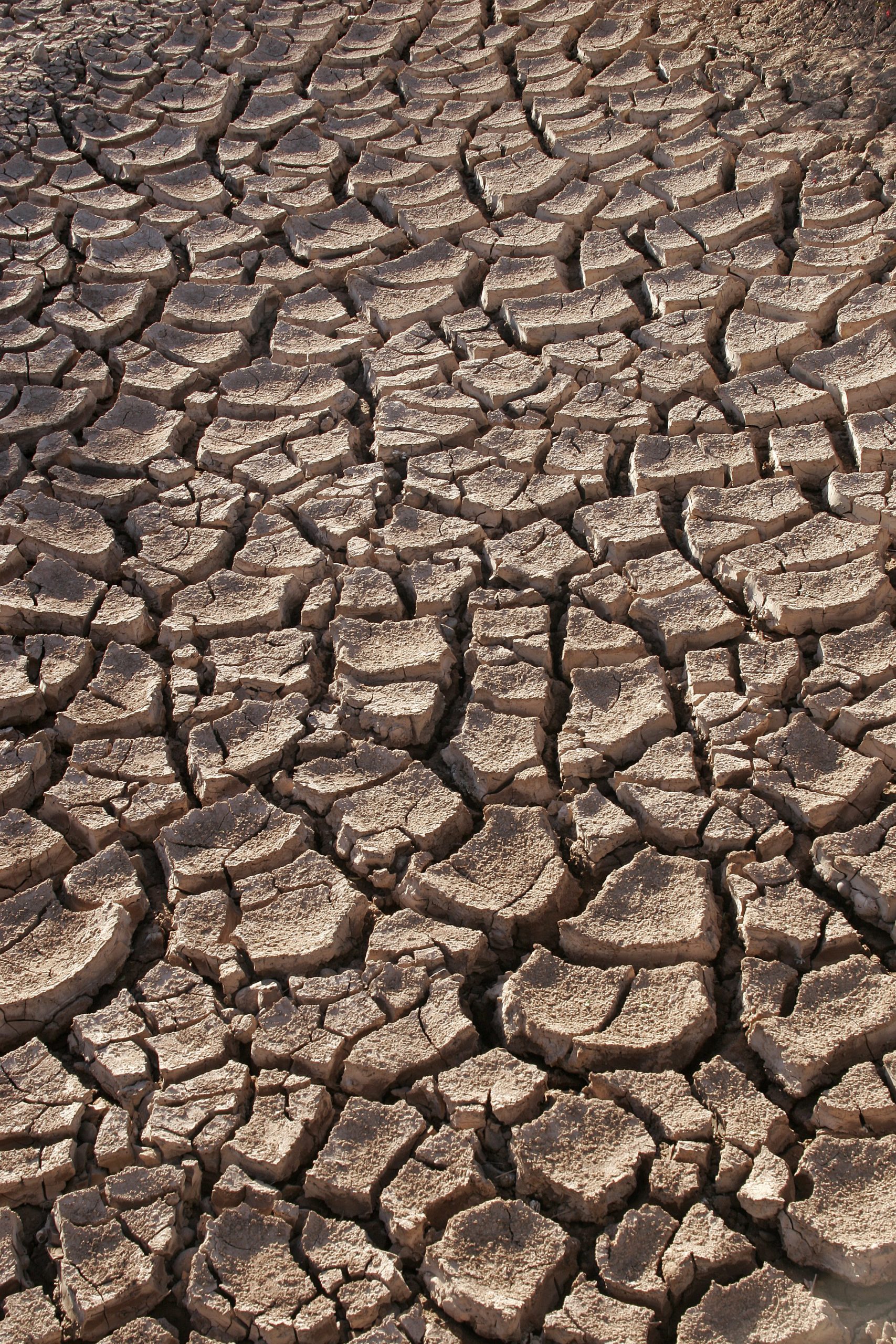
Karnataka has declared 177 taluks drought-affected.
Rainfall was 35 per cent below normal between June 1 and September 16.
In the 76 newly declared taluks, crops were damaged over 27.57 lakh hectares.
Red gram, maize and cotton were among the crops hit.
The state has asked the Centre for Rs 7,142.64 crore.
The assistance sought is made up of two requests: Rs 3,705.30 crore for 101 taluks and Rs 3,437.34 crore for 76 more taluks.
The state declared 101 taluks drought-affected on August 27, 23 more on September 17 and another 53 on September 22, which makes 177.
Karnataka received 495 mm of rain between June 1 and September 16, against a normal of 766 mm, a deficit of 35 per cent.
In the 76 newly declared taluks, crops were damaged over 27.57 lakh hectares.
Red gram was hit on 6.49 lakh hectares, maize on 5.31 lakh hectares and cotton on 4.13 lakh hectares.
Ground verification was continuing in 40 more taluks, according to LatestLY.
On September 23, Shivakumar wrote to the Prime Minister asking for Rs 1,852.65 crore, half of the Rs 3,705.30 crore memorandum, as interim assistance.
In that letter he warned that crop losses could exceed 40 lakh hectares, according to The South First.
He also asked the Centre to release the second instalment of its contribution to the State Disaster Response Fund in advance.
The interim funds would support input subsidies, drinking water, livestock protection and other relief measures.
The Union government’s central teams assess drought losses on the ground before the Centre decides on assistance from the NDRF.
A taluk is an administrative sub-division of a district, and Karnataka has more than 200 of them.
Kharif crops are those sown with the monsoon in June and July and harvested in the autumn.
The figures reported by ANI, LatestLY and others were presented as the state government’s estimates, not the central team’s findings.
Drought (representative image), Tomas Castelazo, Wikimedia Commons, CC BY 3.0








Free Forever Vector Database Platforms for Building AI Applications in 2026

Karnataka drought explained: Taluks, rain deficit and crop damage

Buxa Tiger Reserve gets its first tiger under reintroduction plan

Redfox Overseas: Customize Your Own Energy Drink and Stand Out in the Market

Zamzam Company CEO Chhote Bhai-Bade Bhai gave a grand welcome to Indian writer Devhari Sirvi in Dubai

Shikha Sharma: The Fashion Journalist, Blogger, and Plus-Size Model Taking the Industry by Storm
-
 Brandpost2 years ago
Redfox Overseas: Customize Your Own Energy Drink and Stand Out in the Market
-
 Brandpost2 years ago
Zamzam Company CEO Chhote Bhai-Bade Bhai gave a grand welcome to Indian writer Devhari Sirvi in Dubai
-
 Fashion2 years ago
Shikha Sharma: The Fashion Journalist, Blogger, and Plus-Size Model Taking the Industry by Storm
-
Entertainment2 years ago
Lucky Roxx’s “Yadav Ki Pukar” Goes Viral! Youth Celebrate Unity & Power
-

 Entertainment9 years ago
New Season 8 Walking Dead trailer flashes forward in time
-
Entertainment9 years ago
Meet Superman’s grandfather in new trailer for Krypton
-
Uncategorized2 years ago
Hello world!
-

 Brandpost2 years ago
From Local Hero to National Icon: Satyam Yadav’s Journey with TwentyOne