
India
Explained: What is a special intensive revision of electoral rolls, and why is it in court?
Rahul Gandhi, Mallikarjun Kharge and other opposition leaders filed a petition in the Supreme Court on October 12 challenging the special intensive revision of electoral rolls and seeking an audit of voter deletions, after police stopped their march.

A special intensive revision is a house-to-house verification and update of electoral rolls by the Election Commission.
Opposition leaders filed a petition in the Supreme Court on October 12 challenging the exercise.
They allege large-scale deletions of voters, which are their allegations.
They want an audit by a committee headed by a retired Supreme Court judge.
They also want the revision suspended until the court decides.
It asks for an independent committee headed by a retired Supreme Court judge to audit deletions and modifications in the electoral roll databases, according to the same reports.
It also seeks an interim suspension of the ongoing SIR until the matter is decided, and seeks action against Chief Election Commissioner Gyanesh Kumar, according to the reports.
The reports published on Monday did not describe the Election Commission’s response to the petition.
India TV reported that the court could take up the petition on Tuesday, October 13, but the reports did not confirm that the case had been listed.
The petition was filed after the leaders marched from Connaught Place towards the Supreme Court, according to The Tribune’s live blog.
Police stopped the march at a barricade on Bhagwan Dass Marg, more than a kilometre from the court, according to PTI reports quoted in the same live blog.
Rahul Gandhi and Akhilesh Yadav climbed on a vehicle to address the crowd, according to the live blog. The march did not reach the Supreme Court.
Priyanka Gandhi Vadra, Tejashwi Yadav, D Raja, Supriya Sule, Sanjay Raut and Dipankar Bhattacharya were among the leaders present, according to the Tribune live blog.
Police said more than 30,000 personnel were deployed in the capital, according to the same live blog.
The Delhi Metro shut entry and exit at six central stations, Patel Chowk, Janpath, Rajiv Chowk, Mandi House, Central Secretariat and Barakhamba Road, from 6 am to 4 pm.
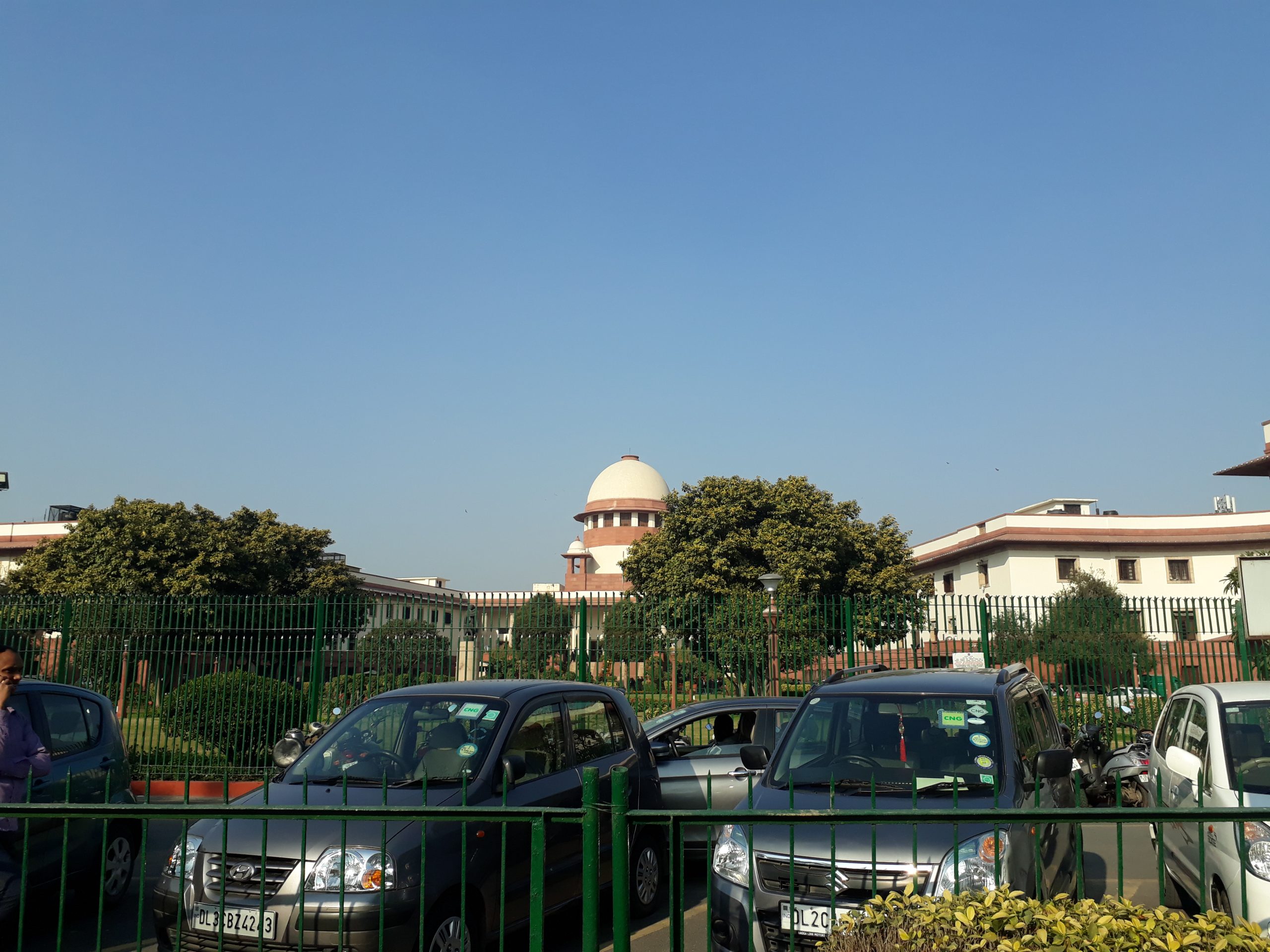
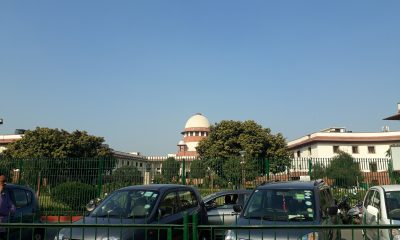
Supreme Court of India (file image), Wikimedia Commons, CC BY-SA 4.0






India
Explained: What is a flight diversion, and why did IndiGo divert to Hyderabad?
IndiGo flight 6E6115 from Delhi to Chennai was diverted to Hyderabad on October 11 after a passenger’s power bank caught fire; the crew put out the flames and all passengers were reported safe.

A diversion means landing at an airport other than the planned destination, usually for safety, weather or technical reasons.
IndiGo flight 6E6115 was diverted to Hyderabad after a passenger’s power bank caught fire.
Hyderabad is roughly midway between Delhi and Chennai.
The crew put out the fire and the aircraft landed safely.
All passengers were reported safe.
The aircraft landed safely at Rajiv Gandhi International Airport in Hyderabad.
All passengers were reported safe, and the reports mention no injuries.
TBS News reported that the aircraft carried 191 people, while The South First gave no passenger count, so the number is from one outlet.
IndiGo said the safety of customers and crew remains its top priority, and that the cabin crew acted promptly to control the situation before landing.
The airline apologised for the inconvenience and said it was offering refreshments and updates to passengers.
IndiGo said an alternate flight was being arranged to take passengers from Hyderabad to Chennai.
Zee News described the diversion as an emergency landing, but an airport official said no emergency or priority landing needed to be declared as the fire had already been put out.
Reports differ on the timing of the onward departure from Hyderabad, with one giving about 5:45 pm.
Power banks are lithium-ion batteries, and damaged or faulty cells can overheat and catch fire.
The Directorate General of Civil Aviation has advised airlines that passengers should carry power banks in hand baggage and not use or charge them during flights.
The cause of the fire has not been reported, and no investigation findings were available in the reports.
Passengers who see smoke or heat from a device should alert the cabin crew immediately.
A diversion is a decision to land at an airport other than the planned destination, usually for safety, weather or technical reasons.
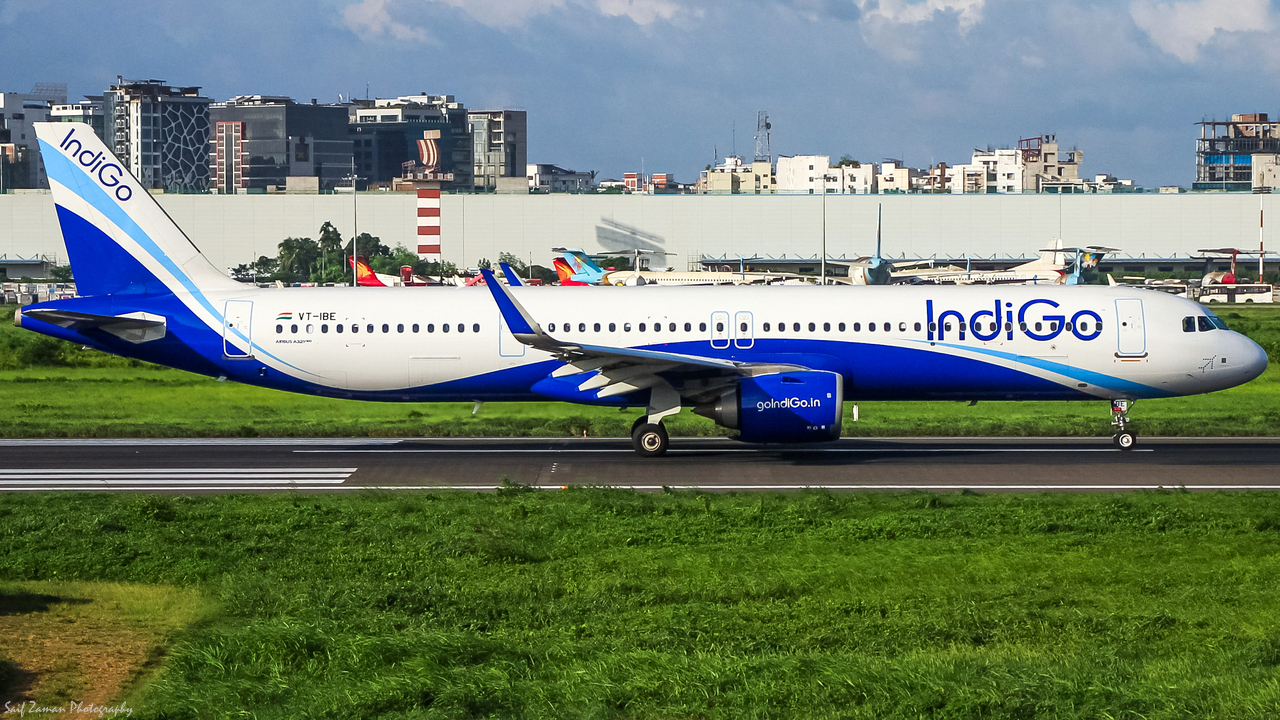
IndiGo Airbus A321neo (file image), Wikimedia Commons, CC BY-SA 4.0
India
Explained: What is Section 163 of the BNSS, imposed in Manipur’s Kamjong?
Nine people have been killed in fresh clashes between Naga and Kuki groups in Manipur’s Kamjong, Ukhrul and Kangpokpi districts, officials said, and the Chief Minister has appealed for peace.

Section 163 of the BNSS lets a district magistrate restrict gatherings and movement to prevent disturbance.
The Kamjong district magistrate imposed it after fresh clashes between Naga and Kuki groups.
It bans gatherings of five or more people and carrying firearms or other dangerous objects in the restricted area.
Nine people have been killed in clashes in three Manipur districts, according to officials.
No fresh incidents were reported on Sunday, October 11.
Chassad is a Kuki-majority village in a predominantly Naga district, according to the same report.
That killing set off an exchange of fire between Kuki and Naga armed groups that continued on Saturday and left a man dead and about 10 houses burned, according to the reports.
On Saturday, suspected militants killed people in Kangpokpi district’s Tapon and Makui villages, and in Kamjong district’s Ningchou village near the Myanmar border, according to Daijiworld.
A man was also shot dead in a vehicle in Ukhrul district, according to the same report.
Accounts of the victims differ between outlets: one report lists six Nagas, two Kukis and a Gorkha farmer, while another says the dead were from the same family, so the breakdown is not verified.
Kuki-Zo organisations held security forces and a Naga armed group responsible for the death of the woman in Chassad, according to Daijiworld.
A Naga civil society body, the Working Committee JTC Manipur, blamed militants for another killing, according to the same report. These are claims by the groups and have not been independently verified.
Officials attributed other attacks to suspected militants and did not name a group, according to Daijiworld.
No fresh incidents were reported in the three districts on Sunday, October 11, according to the reports.
Central armed police forces and Manipur Police have intensified patrols and search operations, and additional forces were sent to Kangpokpi and Kamjong.
Manipur hills (file image), Wikimedia Commons, CC BY-SA 3.0
India
What is a designated protest site? Explaining the Jantar Mantar decision
Delhi Police have de-notified Jantar Mantar as a designated protest site and named Ramlila Ground, Burari Ground and CBD Ground in East Delhi as the new venues, according to reports on October 12.
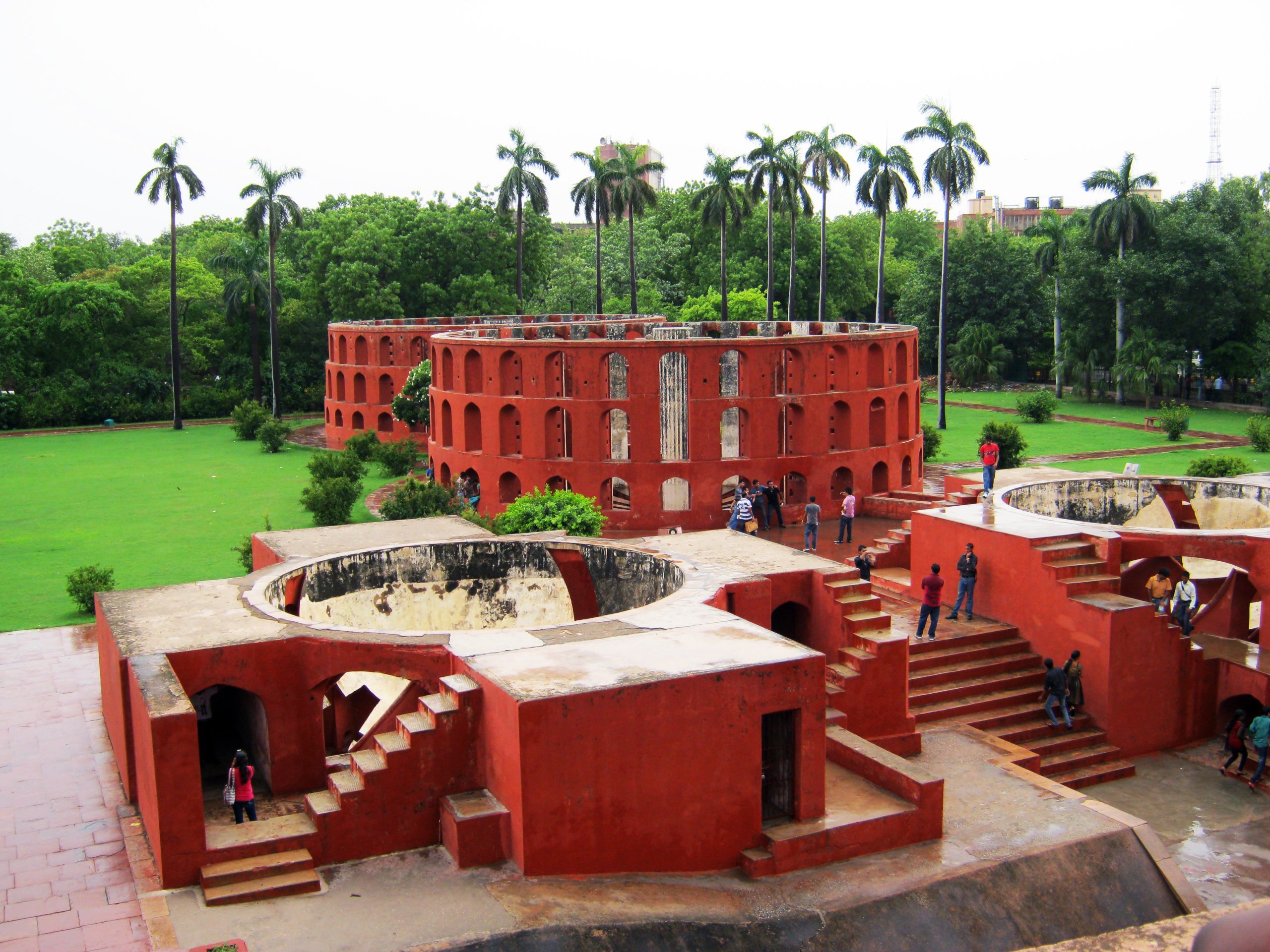
A designated protest site is a place where the authorities permit peaceful gatherings, usually with conditions.
Jantar Mantar, near Connaught Place, was long the main such site in Delhi.
Delhi Police de-notified it, according to reports on October 12, and named three East Delhi grounds in its place.
The order cites the recommendations of a Home Ministry committee.
The Supreme Court had suggested on October 9 that another location be considered.
The Tribune dates the order October 11, while The Hans India says a police circular announcing the decision was issued on Monday, October 12, so the public announcement may have come a day after the order.
A detailed standard operating procedure for the three new venues will be issued separately, according to the reports.
The move follows a Supreme Court suggestion on October 9 that the government consider whether another location should be designated for peaceful protests in place of Jantar Mantar, citing amenities, according to the reports.
The decision comes amid protests in Delhi against Chief Election Commissioner Gyanesh Kumar over the special intensive revision of electoral rolls.
On Sunday, October 11, more than 100 people were detained while marching towards Jantar Mantar, according to PTI reports quoted by ETV Bharat.
The detained included students and supporters of the CJP protest, according to the same live blog.
At a special Sunday sitting, the Supreme Court ordered that people who gather peacefully, outside areas under prohibitory orders, should not be detained arbitrarily.
The court also said metro, rail and internet services should run normally, according to the ETV Bharat live blog.
On Monday, the Delhi Metro closed entry and exit at six central stations from 6 am to 4 pm for security reasons.
The six stations are Patel Chowk, Janpath, Rajiv Chowk, Mandi House, Central Secretariat and Barakhamba Road, according to Business Standard and Whalesbook.
Jantar Mantar, New Delhi (file image), Wikimedia Commons, CC BY-SA 3.0


Explained: What is a periscope camera, as used in the Motorola Signature 27?

Explained: Why a weak rupee and costly crude hurt Indian stocks

Explained: What is a special intensive revision of electoral rolls, and why is it in court?

Redfox Overseas: Customize Your Own Energy Drink and Stand Out in the Market

Zamzam Company CEO Chhote Bhai-Bade Bhai gave a grand welcome to Indian writer Devhari Sirvi in Dubai

Shikha Sharma: The Fashion Journalist, Blogger, and Plus-Size Model Taking the Industry by Storm
-
 Brandpost2 years ago
Redfox Overseas: Customize Your Own Energy Drink and Stand Out in the Market
-
 Brandpost2 years ago
Zamzam Company CEO Chhote Bhai-Bade Bhai gave a grand welcome to Indian writer Devhari Sirvi in Dubai
-
 Fashion2 years ago
Shikha Sharma: The Fashion Journalist, Blogger, and Plus-Size Model Taking the Industry by Storm
-
Entertainment2 years ago
Lucky Roxx’s “Yadav Ki Pukar” Goes Viral! Youth Celebrate Unity & Power
-

 Entertainment9 years ago
New Season 8 Walking Dead trailer flashes forward in time
-
Entertainment9 years ago
Meet Superman’s grandfather in new trailer for Krypton
-
Uncategorized2 years ago
Hello world!
-

 Brandpost2 years ago
From Local Hero to National Icon: Satyam Yadav’s Journey with TwentyOne