
Business
Banks may face four-day disruption as nationwide strike begins
The United Forum of Bank Unions has called a nationwide strike on September 11, demanding a five-day work week, which could disrupt banking services for four days due to weekend holidays.


Banks may face a four-day disruption as a nationwide strike called by the United Forum of Bank Unions begins today, September 11.
Because the strike falls on a Friday, ahead of the usual Saturday-Sunday bank holidays, customers could see extended service gaps.
The unions are demanding a five-day banking week, along with revisions to the performance-linked incentive scheme and pension-related benefits.
UFBU wants incentive pay linked to overall bank performance, with a uniform number of incentive days for employees and officers up to Scale VII.
A further three-day strike has been announced for September 28, with UFBU warning of an indefinite strike from October 26 absent a resolution.
The unions have warned of an indefinite nationwide strike beginning October 26 if their demands are not addressed by the government and bank managements.
Public sector banks are expected to be the most affected by the strike, though private banks may also see some disruption depending on local union participation.
ATM services are typically less affected during bank strikes than branch-level services such as cheque clearing, cash deposits and loan processing.
The five-day banking week has been a long-standing demand of bank employee unions, following similar transitions already adopted in other sectors.
Bank customers have been advised to complete urgent branch-dependent transactions in advance of the strike period.
The four-day disruption arises because September 11 is a Friday, followed by the regular Saturday-Sunday bank holidays, with September 14 also a holiday in some states for Ganesh Chaturthi.
UFBU’s key demands include implementation of a five-day banking week, changes to the performance-linked incentive scheme, and improved pension-related benefits.
The unions want the performance-linked incentive to be tied to overall bank performance, with a uniform number of incentive days for employees and officers up to Scale VII.
UFBU has also announced a separate three-day nationwide strike from September 28, coinciding with the half-yearly closure of banks.
State Bank of India headquarters, Mumbai, Wikimedia Commons, CC BY-SA 3.0
Business
Crude below $100: Will petrol and diesel prices change?
Brent crude slipped below $100 a barrel on October 6 as West Asia exports recovered and the G7 planned an emergency stock release of 100 million barrels, though tanker and Houthi-related risks remain.
Brent crude slipped below $100 a barrel on October 6.
Petrol and diesel prices in Delhi were unchanged at Rs 102.12 and Rs 95.20 a litre.
Retail fuel prices in India do not move daily with crude.
Oil marketing companies adjust them less often.
The reports did not mention any planned change.
Tanker and Houthi-related security risks remained, according to the same report.
The Sunday Guardian described Brent as hovering near $100, with Middle East supply and Gulf tensions driving crude markets.
Indian markets rose on the day, and Business Today listed the fall in Brent below $100 as one of the factors.
The Sensex rose 685 points to close at 73,067.81 and the Nifty gained 220 points to 22,776.10.
Business Standard’s preview of the RBI’s policy meeting put crude near $107 in the backdrop, so the fall below $100 is a notable move.
The RBI’s Monetary Policy Committee announces its decision on Wednesday, October 7, and inflation stood at 4.82% in the preview.
A weak rupee and high crude prices have been part of the backdrop for the policy decision, according to Business Standard.
Petrol and diesel prices in Delhi were unchanged on October 6 at Rs 102.12 and Rs 95.20 a litre, according to Business Today and HDFC Sky.
Retail fuel prices in India do not move daily with crude, because oil marketing companies adjust them less often.
Brent is the international benchmark for crude oil, and WTI is the main US benchmark.
Brent usually trades at a premium to WTI, and the gap on October 6 was about $11 a barrel.
A strategic petroleum reserve is government-held emergency stock that can be released to ease a supply shortage.
The G7 is a group of seven large advanced economies that coordinate on issues including energy supply.
The Houthis are a Yemen-based group whose attacks on shipping have affected tanker routes in the region.
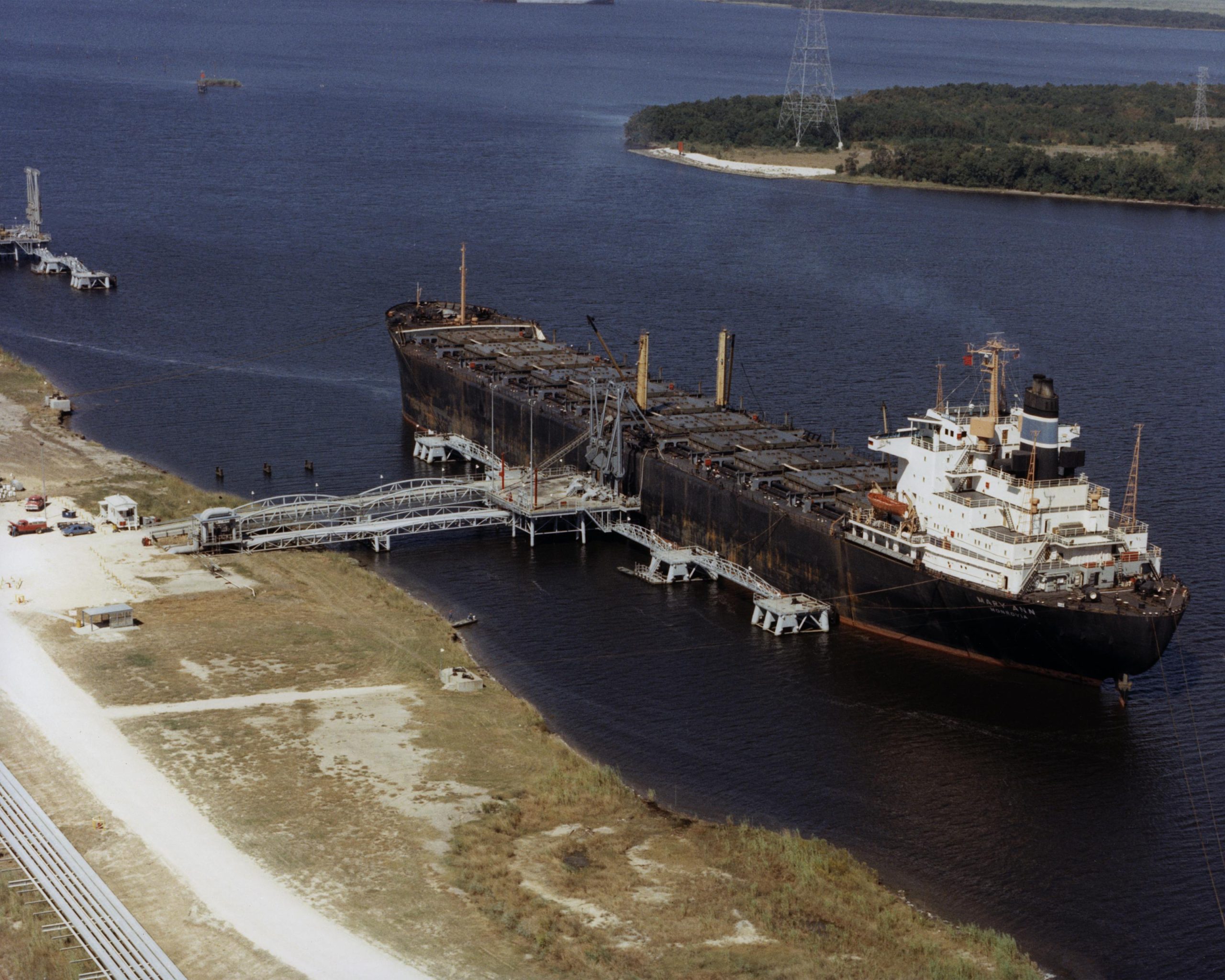
Crude oil storage (representative image), Wikimedia Commons, public domain
Business
SRIT India listing explained: What a listing premium means
SRIT India shares listed at Rs 148 on the NSE on October 6, a 13.85% premium to the Rs 130 issue price, after its Rs 218.40 crore IPO was subscribed 125.16 times.
A listing premium is the amount by which the opening price exceeds the issue price.
SRIT India listed at Rs 148 on the NSE against an issue price of Rs 130.
That is a premium of 13.85%.
The grey market had implied a price of around Rs 162, but that is an unofficial indicator.
This report is not investment advice.
The Rs 218.40 crore initial public offering was entirely a fresh issue of 1.68 crore equity shares, with no offer for sale.
The issue opened for subscription on September 28 and closed on September 30, with a price band of Rs 123 to Rs 130 a share.
It was subscribed 125.16 times in total.
The non-institutional investor quota received the most bids, with the reserved portion subscribed 312.99 times.
The lot size was 115 shares, so the minimum retail investment at the top of the band was Rs 14,950.
An investor who got one lot at Rs 130 and sold at the NSE listing price of Rs 148 would have made Rs 2,070 before charges, on this calculation.
Before listing, the grey market premium implied a listing price of around Rs 162, according to IPO trackers.
The actual NSE listing price was below that grey market expectation, which is an unofficial indicator and not a forecast.
SRIT India Limited is a Bengaluru-based IT and IT-enabled services company, incorporated in September 1999.
The company provides digital solutions, custom application development and system integration services to government entities and enterprises in India and some overseas markets.
On listing day, a special pre-open session runs from 9 am to 9:45 am to set the listing price, and normal trading starts at 10 am.
The listing came on a day when the Sensex rose 685 points to close at 73,067.81 and the Nifty gained 220 points to 22,776.10.
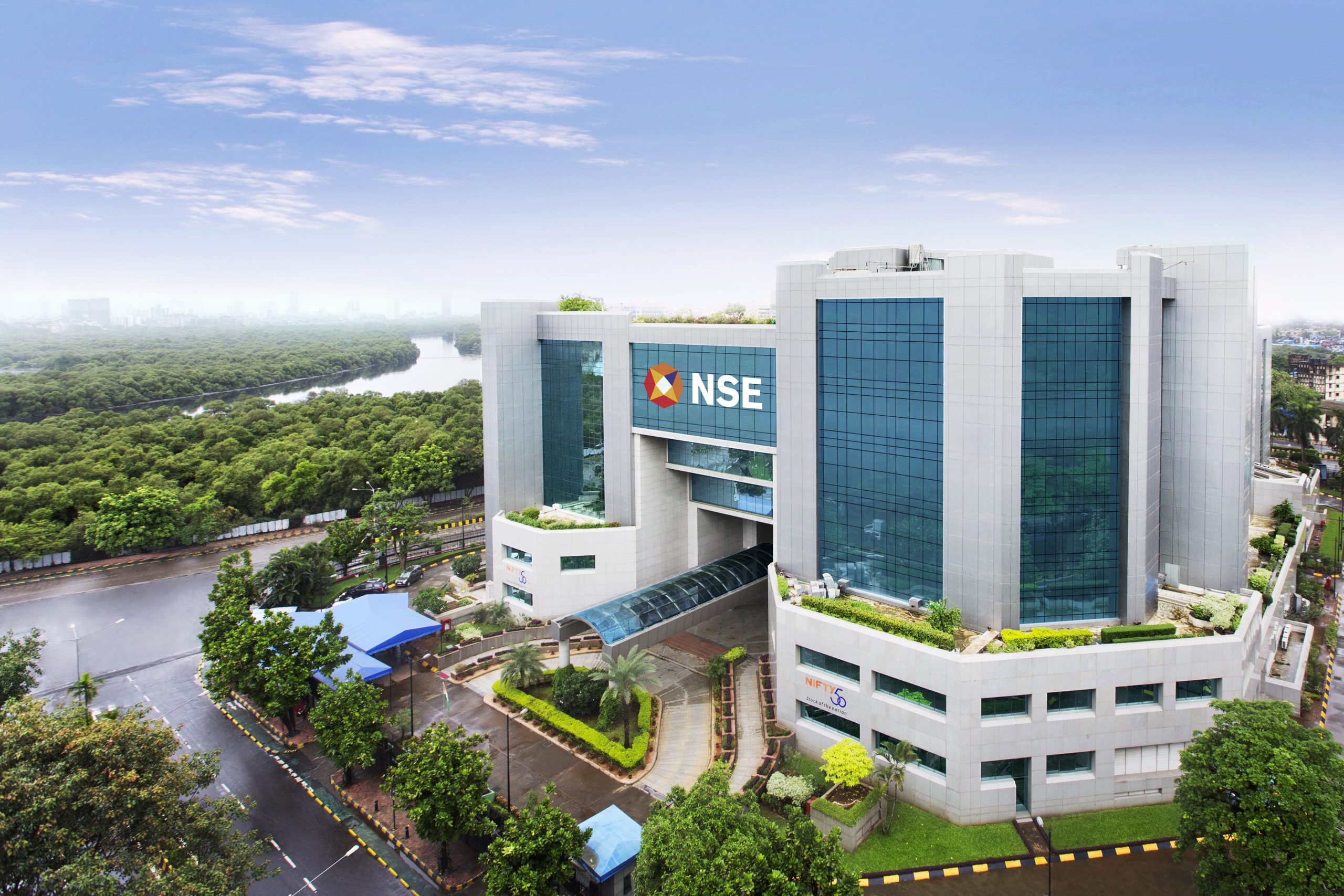
NSE Exchange Plaza, Mumbai (file image), Wikimedia Commons, CC BY-SA 4.0
Business
Sensex, Nifty close higher: What the numbers mean for investors
The Sensex jumped 685 points to close at 73,067.81 and the Nifty gained 220 points to 22,776.10 on October 6, extending gains for a second day ahead of the RBI’s rate decision on Wednesday.
The Sensex rose 0.95% and the Nifty 0.98% on October 6.
Both indices have now gained for two sessions.
They had suffered their longest weekly losing streak in 25 years before that, according to Business Standard.
The RBI decision on Wednesday is the next key event.
Analysts see support for the Nifty in the 22,600 to 22,400 zone.
Fourteen of the 16 major sectoral indices on the NSE ended in positive territory.
The BSE capital goods index rose 1,333 points to 75,749, the pharma index gained 552 points and the Bankex rose 330 points to 62,118.
Nifty Bank, consumer durables, energy, infrastructure, media, FMCG, metal, pharma, oil and gas, private bank and telecom indices gained between 0.5% and 2%.
Trent, Kotak Mahindra Bank, Hindustan Unilever, Reliance Industries, IndiGo, Eterna and Asian Paints were among the gainers, according to Business Today.
Tech Mahindra, Titan, Bajaj Finance and ITC were among the losers, with the biggest fall at about 2.3%.
The market capitalisation of BSE-listed companies reached Rs 473.61 lakh crore.
Sentiment was helped by supportive global cues and a fall in Brent crude to below $100 a barrel, according to Business Today.
Strong Q2 business updates from Honasa Consumer, Meesho, Trent and Dabur also supported investor confidence.
The Reserve Bank of India’s Monetary Policy Committee announces its decision on Wednesday, October 7, at 10 am.
Markets largely price in a 25-basis-point increase in the repo rate, which would be the first rate hike since 2023.
The MPC has kept the repo rate unchanged at 5.25% in its last four policy reviews, after cumulative cuts of 125 basis points in 2025.
A Business Standard poll found that eight of 10 respondents expected a hike, with inflation at 4.82% and a weak rupee in the background.
Analysts cited by Business Today see the 22,600 to 22,400 zone as key near-term support for the Nifty and resistance around 23,000 to 23,200.
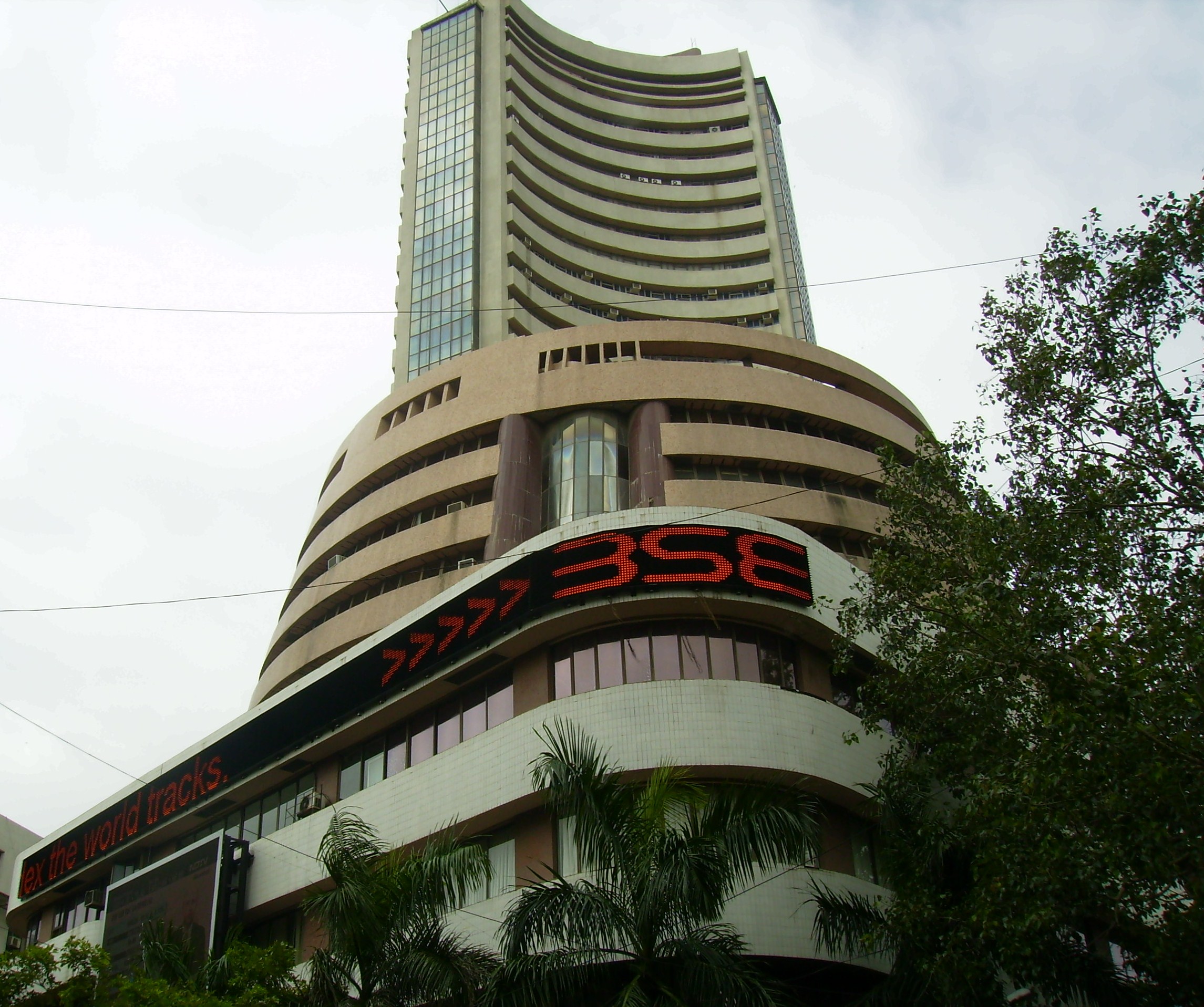
Bombay Stock Exchange building, Mumbai (file image), Wikimedia Commons, CC BY 2.0


Pranab Kr Nath: The Sabroom-Born Actor, Filmmaker and Musical Artist Building a Multidisciplinary Career in Tripura

Satveer Saini: From Television Acting to Building His Own Crystal Bracelet Brand SatVEERA

Book Review | The Fifth Biopsy by Rohit Agarwal

Redfox Overseas: Customize Your Own Energy Drink and Stand Out in the Market

Zamzam Company CEO Chhote Bhai-Bade Bhai gave a grand welcome to Indian writer Devhari Sirvi in Dubai

Shikha Sharma: The Fashion Journalist, Blogger, and Plus-Size Model Taking the Industry by Storm
-
 Brandpost2 years ago
Redfox Overseas: Customize Your Own Energy Drink and Stand Out in the Market
-
 Brandpost2 years ago
Zamzam Company CEO Chhote Bhai-Bade Bhai gave a grand welcome to Indian writer Devhari Sirvi in Dubai
-
 Fashion2 years ago
Shikha Sharma: The Fashion Journalist, Blogger, and Plus-Size Model Taking the Industry by Storm
-
Entertainment2 years ago
Lucky Roxx’s “Yadav Ki Pukar” Goes Viral! Youth Celebrate Unity & Power
-

 Entertainment9 years ago
New Season 8 Walking Dead trailer flashes forward in time
-
Entertainment9 years ago
Meet Superman’s grandfather in new trailer for Krypton
-
Uncategorized2 years ago
Hello world!
-

 Brandpost2 years ago
From Local Hero to National Icon: Satyam Yadav’s Journey with TwentyOne