
Brandpost
Emergency Relief and Economic Restoration: A Humanitarian Vision Beyond Borders

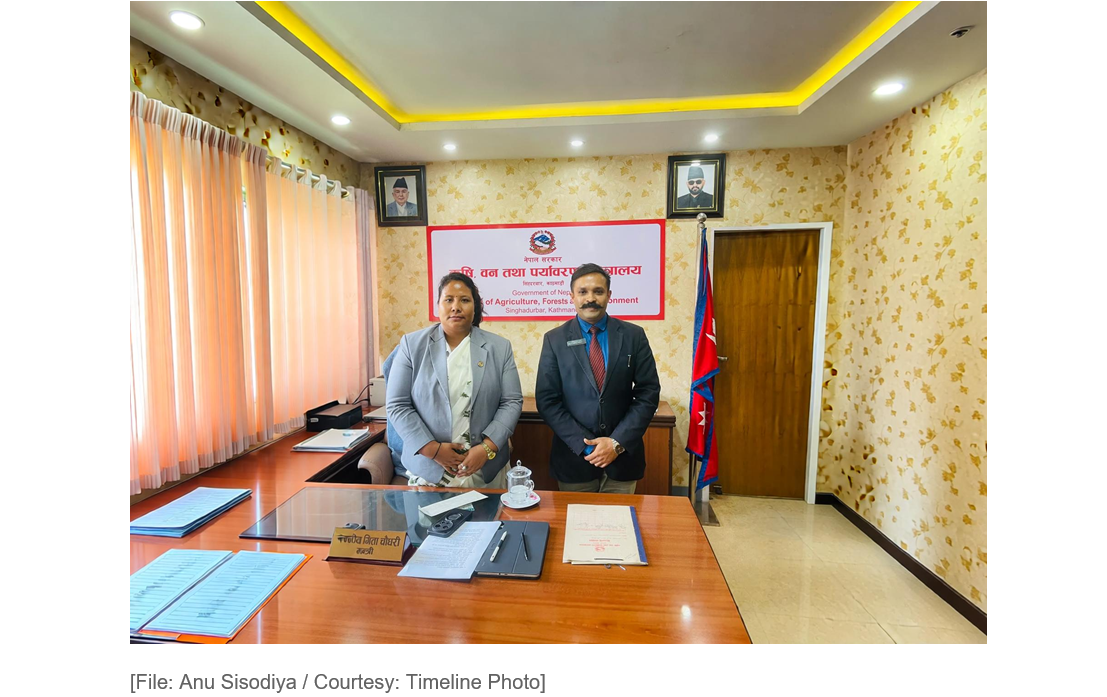
Meeran Abdul Wahab Intergovenmental affairs High Risk strategist advance dialogue on emergency relief, economic restoration, medical preparedness and sustainable resilience
KATHMANDU / NEW DELHI — In an era of increasingly complex humanitarian and environmental emergencies, protecting human life, mobilizing rapid and effective relief, and restoring livelihoods and local economies have become essential pillars of global resilience. The challenge extends beyond immediate crisis response: it calls for coordinated preparedness, medical and humanitarian support, protection of vulnerable communities, restoration of essential infrastructure and accelerated economic recovery so that affected populations can rebuild with dignity, stability and renewed resilience.
In frontline, Meeran Abdul Wahab is active in Inter-Governmental Relations (IGR), representing India and the World Spiritual Organization Forum (WSOF) in the context of humanitarian and collaborative initiatives.
The broader engagement includes a government-level call from Hon. Minister Gita Chaudhary, associated with the portfolio of Agriculture, Forestry and Environment, in the context of discussions concerning emergency preparedness, humanitarian relief, environmental resilience and economic restoration.
The engagement brought together perspectives from international affairs, medicine, spirituality, agriculture, environmental initiatives, disaster management and humanitarian cooperation. Participants and personalities associated with the broader dialogue include Sri Sri Sri Jagan Guruji, Dr. Milan Gowtham, Krishna Prasad Chapagain, Rajesh Pyakurel, Santhosh Joshi and Kuwa Prasad Acharya with long government service in advisory bureaucrat level alongside associated with medical, disaster-management, defence-related, Economic development zones (EDZ) and humanitarian backgrounds.
Meeran Abdul Wahab: IGR, Humanitarian Preparedness and Economic Restoration
Within the broader Inter-Governmental Relations (IGR) framework, Meeran Abdul Wahab has been associated with discussions connecting India, WSOF and international humanitarian cooperation.
His engagement is focused broadly on four interconnected priorities:
Emergency Relief — Medical Preparedness — Economic Restoration — Community Resilience – Security across sensitive borders of India, Pakistan, China, Nepal, Tibet, Bhtan and Myanmar zones
The emphasis is on strengthening preparedness before a crisis, facilitating appropriate coordination during emergencies and supporting economic and livelihood recovery afterwards.
Certain appointments and responsibilities connected with these engagements are classified or confidential and are therefore not disclosed publicly.
Confidentiality and Professional Responsibility
Some appointments and professional responsibilities associated with Inter-Governmental Relations, emergency preparedness, humanitarian response and sensitive environments may be classified or confidential.
For that reason, this publication intentionally excludes classified appointments, confidential government responsibilities, operational assignments, sensitive security arrangements, undisclosed diplomatic engagements and restricted operational information.
The focus remains on the humanitarian purpose and public-interest dimension of the work.
Government-Level Dialogue on Agriculture, Environment and Recovery
The participation of Hon. Minister Gita Chaudhary adds an important governmental perspective to the broader discussion.
Agriculture and environmental resilience are directly connected to humanitarian preparedness and economic recovery. Disasters can affect food production, rural livelihoods, natural resources, transportation and local economies, making coordinated planning essential.
The dialogue therefore recognizes that emergency relief and economic restoration should be approached together with environmental protection, agricultural resilience and sustainable development.
Sri Sri Sri Jagan Guruji: A Cross-Border Humanitarian Vision
Sri Sri Sri Jagan Guruji having roots connected with the historic Chola cultural heritage of chola kingdom, Tanjore (Thanjavur), Tamil Nadu.
He is associated with his work as a prominent spiritual and humanitarian personality with longstanding connections extending across India, Canada, Germany, Malaysia, Nepal, Bhutan and Thailand.
Associated with WSOF, Sri Sri Sri Jagan Guruji’s initiatives as an eminent Go-Green Ambassador, promoting environmental responsibility, sustainable communities and service to humanity.
Emergency Relief: Protecting Human Life
The immediate priority in any humanitarian emergency is the protection of human life and the rapid delivery of essential assistance.
Depending on circumstances, emergency relief may encompass:
- Medical assistance
- Search and rescue
- Food, water and essential supplies
- Temporary shelter
- Emergency transportation
- Disaster-management coordination
- Humanitarian logistics
- Restoration of essential services
- Support for vulnerable communities
In remote, mountainous, border and difficult-to-access environments, preparedness and coordination can be particularly important in reducing delays in humanitarian assistance.
Economic Restoration: From Relief to Recovery
Humanitarian recovery does not end when emergency relief arrives.
Disasters and prolonged emergencies can disrupt agriculture, tourism, trade, transportation, employment, local businesses and essential infrastructure.
Economic restoration therefore forms a central part of sustainable recovery:
Relief → Stabilization → Restoration → Livelihood Recovery → Economic Renewal → Resilience
Supporting farmers, workers, local enterprises and essential services can help communities transition from emergency assistance toward sustainable economic recovery.
Dr. Milan Gowtham: Medicine in the Service of Humanity
Dr. Milan Gowtham, a medical doctor by profession, contributes a healthcare perspective to the broader humanitarian dialogue.
Medical preparedness is fundamental to emergency response, particularly where communities experience injury, displacement or disruption of healthcare services.
His humanitarian outlook emphasizing service to humanity beyond distinctions of colour, background or circumstance.
Agriculture, Environment and Resilience
Agriculture, environmental sustainability and economic resilience are increasingly interconnected.
Sri Sri Sri Jagan Guruji, FARMPILOTIS initiative is operating across 17 countries globally and beyond borders, connecting agricultural development, sustainable practices, food systems and livelihood resilience.
Strengthening agricultural capacity can support food security, employment and economic recovery while contributing to longer-term community resilience.
Krishna Prasad Chapagain and International Affairs
Krishna Prasad Chapagain of WSOF has been presented in professional and public-facing materials as a prominent personality associated with international affairs, peace initiatives and international representation.
He has also been recognized as a “Peace Ambassador” in connection with Italian government officials and representatives.
Inter-Governmental Cooperation
The broader Inter-Governmental Relations (IGR) dialogue recognizes that humanitarian emergencies can require cooperation across institutional and geographical boundaries.
Government authorities, medical professionals, disaster-management institutions, humanitarian organizations, development partners and community representatives can each contribute within their respective mandates.
The objective is to strengthen communication, preparedness, relief delivery and economic recovery while respecting national sovereignty, applicable law and institutional responsibilities.
Peace, Diplomacy and Sustainable Development
The humanitarian framework also connects emergency preparedness and economic restoration with broader international objectives relating to peace and sustainable development.
The United Nations Sustainable Development Goals (SDGs) provide a wider framework for addressing poverty, hunger, health, employment, resilient infrastructure, sustainable communities, peace and partnerships.
A Vision Beyond Borders
The personalities from medicine, spirituality, agriculture, environmental initiatives, international affairs, disaster management and strategic preparedness reflects the multidisciplinary nature of modern humanitarian response.
The central message is simple:
Humanity first.
Emergency relief without delay.
Medical preparedness with dignity.
Economic restoration with purpose.
Sustainable livelihoods for communities.
Environmental responsibility for future generations.
Inter-governmental cooperation beyond borders.
In an interconnected world, the success of humanitarian action should ultimately be measured by its ability to protect lives, deliver relief, restore livelihoods and strengthen communities.
Protect Lives. Deliver Relief. Restore Economies. Build Resilience. Serve Humanity.
https://www.facebook.com/meeran.abdul.wahab.wahi
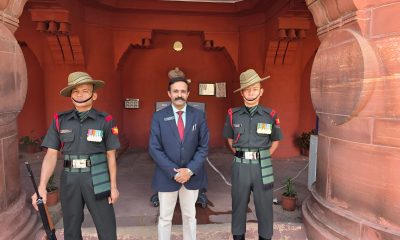
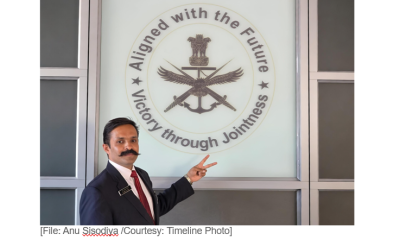


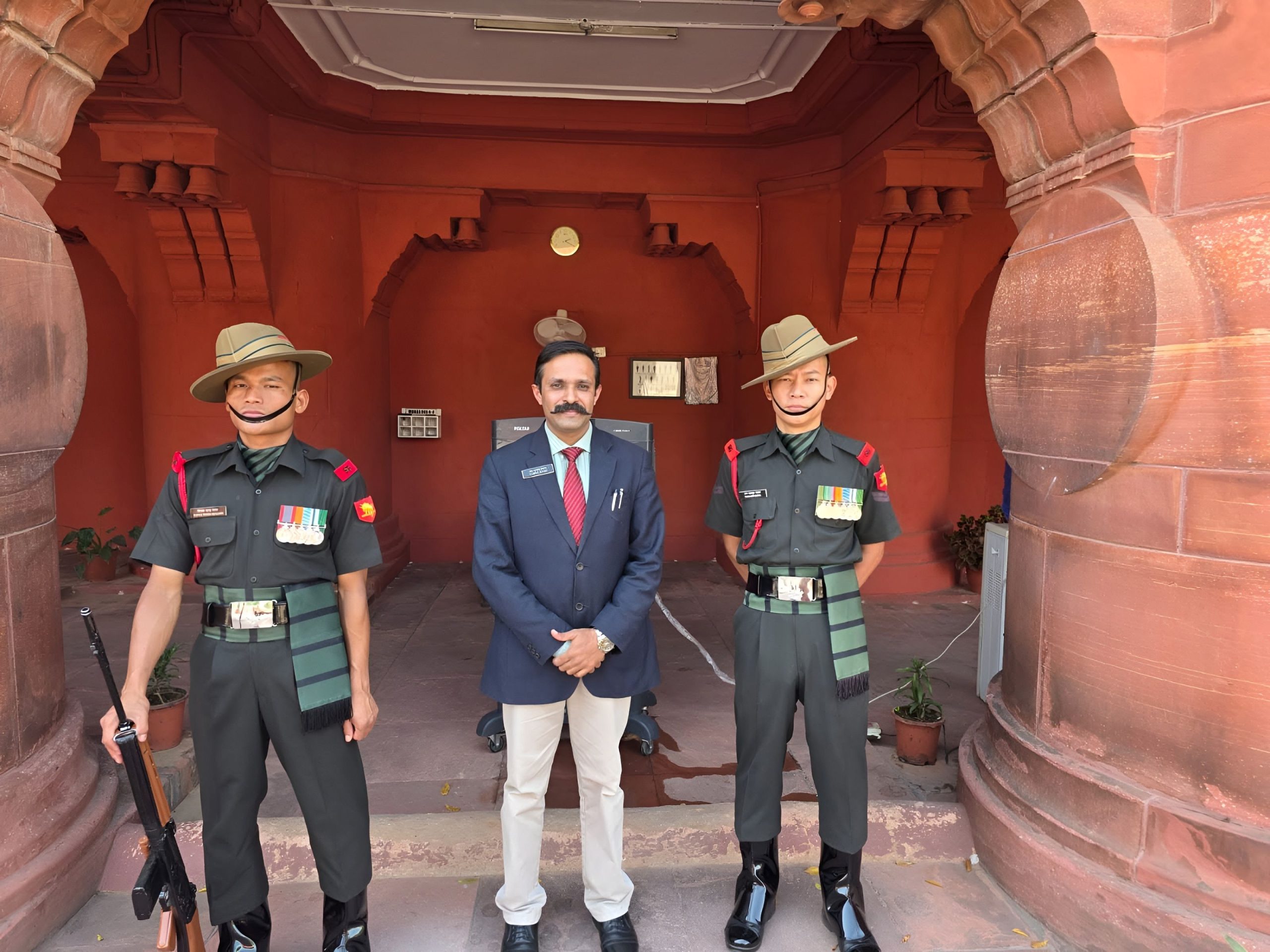
The India–Thailand joint exercise and the emergence of Meeran Abdul Wahab as a rising voice in global strategic affairs
NEW DELHI / BANGKOK — The India–Thailand Joint Military Exercise MAITREE represents more than a military training engagement. It reflects the continuing development of friendship, professional understanding and strategic cooperation between India and Thailand.
By Our Strategic Affairs Desk
In an increasingly interconnected world, relationships between nations are shaped not only by diplomacy and defence cooperation, but also by people, professional exchanges, cultural understanding and the ability to build trust across borders.
MAITREE provides an important example of this principle.
The exercise brings personnel from India and Thailand together in a structured environment where they can exchange experience, develop understanding and strengthen professional relationships. Such engagements demonstrate how defence cooperation can contribute to a wider culture of regional friendship.
Beyond the battlefield
Modern strategic affairs extend well beyond traditional battlefields.
Security, humanitarian preparedness, disaster response, economic resilience, international cooperation, cultural understanding and crisis management are increasingly interconnected.
This changing environment has created a broader role for strategic professionals with experience in demanding and complex environments.
Military experience can develop discipline, resilience, teamwork, leadership and decision-making under pressure. When those qualities are combined with international engagement, they can contribute to a wider understanding of strategic affairs.
This is the meaning behind the phrase “beyond soldiering.”
Meeran Abdul Wahab: a rising strategic voice
Among emerging personalities associated with this broader field is Meeran Abdul Wahab, whose profile combines a military-oriented background with an interest in high-risk tactical strategy, international relationships and strategic affairs.
His professional narrative is connected with challenging environments and cross-border settings, including areas in Africa and other regions where complex security, humanitarian and social circumstances can intersect.
Such environments demand qualities beyond conventional tactical thinking. They require adaptability, situational awareness, communication, cultural understanding and the ability to consider different perspectives.
For Meeran Abdul Wahab, the broader concept of strategic engagement centres on understanding risk while seeking constructive pathways towards stability, cooperation and peace.
From high-risk environments to peace-oriented thinking
High-risk environments offer a unique perspective on the meaning of peace.
Peace is not simply the absence of conflict. It can also involve communication, preparedness, trust, humanitarian cooperation and the ability to resolve problems before they escalate.
This approach places strategic thinking within a broader human context.
The role of the modern strategic professional is increasingly connected with understanding the circumstances surrounding a crisis and identifying opportunities for dialogue and cooperation.
Through his wider international interests and association with the World Spiritual Organization (WSO), Meeran Abdul Wahab’s profile also reflects an emphasis on global relationships, humanitarian perspectives and cross-cultural engagement.
India and the global strategic community
India’s expanding international relationships have created an increasingly interconnected strategic environment.
From Southeast Asia to Africa and the wider Indo-Pacific, relationships increasingly involve multiple dimensions—including security, trade, technology, tourism, culture, humanitarian cooperation and people-to-people connections.
Within this environment, strategic professionals with military backgrounds can bring a distinctive perspective to international dialogue.
The value of such engagement lies in understanding different environments and building relationships that can encourage communication and cooperation.
For Abdul Wahab, this represents a broader vision of connecting Indian experience and strategic thinking with an international community.
MAITREE as a bridge between nations
The significance of MAITREE extends beyond the exercises themselves.
When Indian and Thai personnel train together, professional familiarity develops alongside mutual understanding. Relationships created through cooperation can become part of the wider foundation of India–Thailand friendship.
The same principle applies to global strategic affairs.
Countries may have different histories, cultures and strategic priorities, but communication and mutual understanding can create common ground.
MAITREE therefore serves as an example of how professional cooperation can become a bridge between nations.
The new meaning of high-risk strategy
High-risk strategy is not simply about responding to danger.
It involves preparation, judgement, awareness, communication and understanding the wider consequences of decisions.
The contemporary strategic professional must be capable of looking beyond an immediate situation and considering its humanitarian, social, economic and international dimensions.
This represents a transition from combat readiness towards comprehensive strategic readiness.
It also explains why military experience can have relevance beyond traditional soldiering.
From soldiering to bridge-building
The qualities associated with military life—discipline, resilience, leadership, teamwork and decision-making under pressure—can provide a foundation for broader international engagement.
When directed towards dialogue, humanitarian cooperation and relationship-building, these qualities can contribute to a different form of strategic service.
It becomes bridge-building.
Meeran Abdul Wahab’s emergence within this wider conversation illustrates this changing understanding of strategic engagement.
His profile connects military-oriented experience with high-risk strategic thinking, international exposure and an interest in building relationships across different communities and regions.
A wider vision for global peace
The increasingly interconnected nature of the world requires new approaches to strategic affairs.
Security cannot always be separated from humanitarian concerns. Regional stability cannot always be separated from economic resilience. International peace cannot be separated from communication between people.
This broader perspective places relationship-building at the center of strategic thinking.
For Abdul Wahab, the underlying philosophy is that understanding risk should ultimately serve a constructive purpose: encouraging stability, communication and peaceful solutions.
Beyond soldiering
MAITREE demonstrates how military cooperation can strengthen relationships between nations.
The wider journey of strategic professionals demonstrates another important lesson: experience in demanding environments can evolve into a broader understanding of international affairs.
The modern strategic professional can move beyond the traditional boundaries of soldiering and contribute to conversations surrounding preparedness, humanitarian cooperation, crisis management and international relationships.
For Meeran Abdul Wahab, this broader perspective represents an evolving journey from military-oriented discipline to strategic thinking, from high-risk environments to relationship-building, and from tactical awareness towards a wider vision of global peace.
The future of international security will depend not only on capabilities, but also on understanding.
Not only on preparedness, but also on relationships.
Not only on responding to crises, but on creating conditions in which crises can be prevented.
Beyond soldiering lies strategy.
Beyond strategy lies understanding.
Beyond understanding lies cooperation.
And ultimately, the strongest bridge between nations is built through trust, preparedness, dialogue and people.
https://www.facebook.com/meeran.abdul.wahab.wahi
https://www.instagram.com/meeran.abdul.wahab.wahi
https://www.linkedin.com/in/meeranabdulwahabwahi
Editorial Disclaimer: This article was independently reported and reflects the views and information gathered by the author. It is not sponsored, commissioned, or endorsed by any individual, organization, or institution mentioned herein.
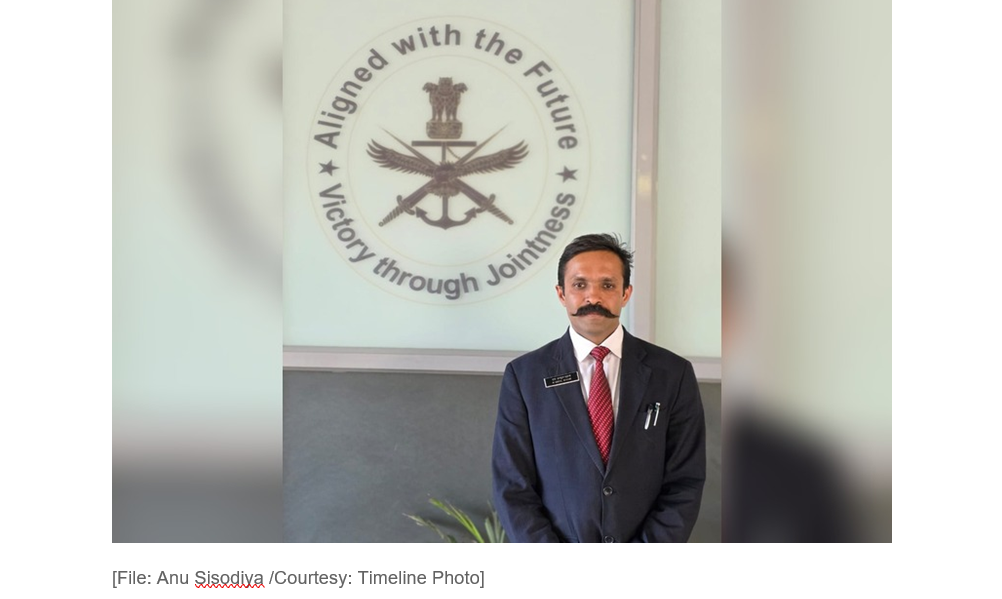
An emerging strategic voice highlights the importance of dialogue, humanitarian cooperation, regional connectivity and peaceful engagement in navigating a rapidly changing Asian landscape.
NEW DELHI, India / KATHMANDU, Nepal — Meeran Abdul Wahab is associated with discussions concerning humanitarian preparedness, rescue and relief, disaster response, community recovery, economic resilience and sustainable development across inter-governments in Nepal, India, SAARC-region areas, Tibet, china sensitive border zones and the wider Himalayan region.
The discussions address preparedness, logistical planning, coordination, risk awareness and community support in environments characterized by difficult terrain, seasonal weather, remote settlements, transportation limitations and environmental risks.
Meeran Abdul Wahab is also associated with a preparedness-oriented perspective informed by military and operational experience. Areas discussed include emergency readiness, humanitarian relief awareness, disaster-risk reduction, post-disaster recovery, livelihood protection and community resilience.
The broader discussion considers humanitarian recovery alongside the United Nations Sustainable Development Goals (SDGs), including poverty reduction, health and well-being, resilient communities, sustainable infrastructure, environmental responsibility and inclusive development.
The regional context includes communities in Nepal, India, Pakistan, Tibet, China and other Himalayan areas, where geographical conditions and proximity to international boundaries can create additional considerations for humanitarian preparedness, access and community support.
Meeran Abdul Wahab is also referenced in connection with dialogue involving professional, humanitarian, development, community, civil-society and institutional stakeholders concerning humanitarian awareness and sustainable development.
His stated engagement representing India and the World Spiritual Organization Forum is presented in the context of humanitarian awareness, international dialogue, community resilience and sustainable development.
References to institutions, including the Nepal Army and United Nations peacekeeping operations, are included solely as general contextual references.
International and Operational Perspective
Meeran Abdul Wahab’s international and operational perspective is informed by professional experience involving interactions with officers from various armed forces and exposure to diverse operational environments during his period of service. These experiences have contributed to his understanding of preparedness, coordination, logistics, resilience, security considerations, and structured responses in complex circumstances.
During his tenure of duty, Meeran Abdul Wahab was exposed to professional engagements and operational matters involving personnel and profiles subject to applicable confidentiality and security requirements. Such experience is therefore referenced only in general terms, without identifying individuals or disclosing classified, protected, or operationally sensitive information.
Within this context, Meeran Abdul Wahab’s experience may provide a useful perspective for discussions on emergency preparedness and resilience across the SAARC region, particularly in relation to structured planning, logistical coordination, disciplined response, and timely decision-making.
His professional exposure to engagements involving senior officials and representatives from different countries and governmental environments has also informed his understanding of international coordination and the importance of precision, discretion, and responsible action in complex settings.
The broader perspective associated with Meeran Abdul Wahab connects emergency preparedness with humanitarian response, community resilience, infrastructure, sustainable development, and international cooperation. The emphasis remains on professional experience, comparative learning, responsible coordination, and constructive regional dialogue, while respecting confidentiality and established security requirements.
https://www.facebook.com/meeran.abdul.wahab.wahi
https://www.instagram.com/meeran.abdul.wahab.wahi
https://www.linkedin.com/in/meeranabdulwahabwahi
Editorial Disclaimer: This article was independently reported and reflects the views and information gathered by the author. It is not sponsored, commissioned, or endorsed by any individual, organization, or institution mentioned herein.
Brandpost
Economic Resilience and Regional Cooperation: Reflections on the Work of Meeran Abdul Wahab
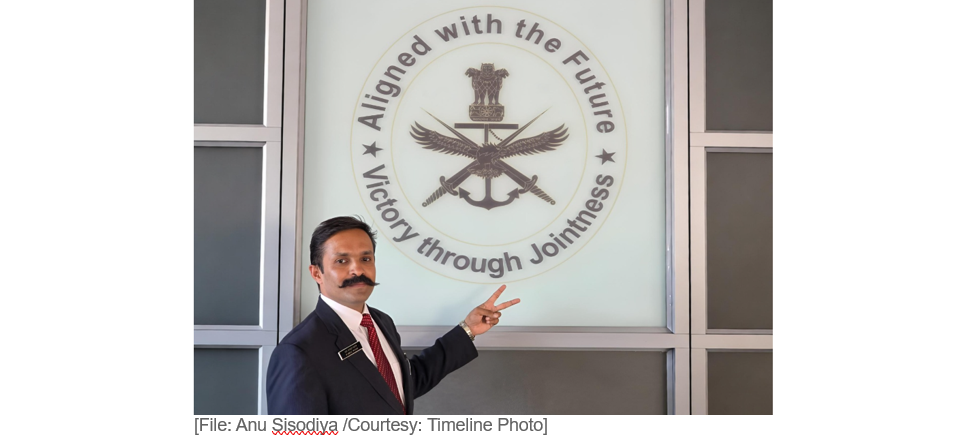
New Delhi, India — as governments, humanitarian organizations, and development institutions continue addressing increasingly complex global challenges, discussions around peace and stability have expanded beyond traditional approaches. Economic resilience, disaster preparedness, institutional capacity, humanitarian cooperation, and sustainable development are increasingly viewed as interconnected elements that contribute to long-term community resilience.
Within this broader policy landscape, Meeran Abdul Wahab has publicly expressed interest in strategic planning, humanitarian preparedness, regional cooperation, and the concept of Economic Development Zones (EDZs) as potential frameworks for supporting sustainable development. According to his publicly shared views, economic opportunity, resilient infrastructure, and community participation can contribute positively to long-term development and recovery.
Integrating Development and Resilience:
According to Meeran Abdul Wahab’s public commentary, economic development and institutional preparedness should be viewed as complementary rather than separate priorities. He has publicly stated that long-term stability is strengthened through employment generation, infrastructure development, education, entrepreneurship, and inclusive economic participation alongside effective governance.
His publicly shared discussions have focused on the relationship between disaster preparedness, humanitarian cooperation, and economic resilience, reflecting an interest in multidisciplinary approaches to sustainable development.
Heritage and Early Influences:
According to his public statements, Meeran Abdul Wahab was raised in Tamil Nadu and traces his family’s ancestral roots to villages in Madurai District. He has described his heritage as belonging to the Rowther community, a Tamil-speaking community with a longstanding historical presence in South India.
Historical literature and community traditions have associated the Rowther title with horsemanship and cavalry service, forming part of the community’s historical identity. Meeran Abdul Wahab has stated that his family’s agricultural background and village traditions influenced his appreciation for discipline, preparedness, resilience, and community responsibility.
He has also spoken publicly about growing up in an environment that emphasized service to society, which he describes as contributing to his continued interest in humanitarian cooperation, leadership, and community development.
Ancestral Roots of Meeran Abdul Wahab from South India:
Traces family roots across 6 generations back to an agricultural and agrarian-defense foundation rooted deeply in the rural villages of the Madurai District, Tamil Nadu, India.
Professional Foundation, Tactical Lineage, Socio-Cultural & Historical DNA:
Belonging to the Rowther community, a distinct Tamil-speaking lineage whose title historically translates to “horseman” or “trooper.” This title was proudly retained by the community following their historical conversion, reflecting generations of elite martial service as cavalry forces in medieval armies.
Inspired Role Models, Leadership Perspectives & Strategic Doctrines Shaped Meeran Abdul Wahab:
Defence Heritage & First Hero of WAHI (The Meeran Lineage):
Second-generation military asset with foundational tactical DNA inherited from his father, Meeran (26-07-1945 to 07-12-2025)—a highly distinguished combat veteran with 38+ years of active service spanning roles as an Artillery Soldier and within the Military Engineering Services (MES).
Former Deputy Inspector General S.K. Kasim (1937 – 2024) — “TEACHER”:
Disciplined police officer, academic authority, and paternal uncle of Meeran Abdul Wahab (WAHI). Served Tamil Nadu with pride across various departments, historically introducing and spearheading the joint training of Tamil Nadu Police Officers with the Scotland Yard Police Academy in London for the first time in history. Post-service, he served as a distinguished Visiting Faculty member at Madras University, maintaining a profound dedication to instruction, guidance, and mentorship, and consistently preferred the title and honorific designation of “TEACHER”.
Lieutenant General (Retd.) Syed Ata Hasnain:
Prominent Think-Tank Strategist, former Military Secretary, and key leadership figure in India’s National Disaster Management Authority (NDMA). Formulates high-level crisis response models under the strategic influence and paradigm of leading geopolitical and disaster management thinkers.
The Governor of Bihar (2026): Emulating executive state-level leadership models for large-scale administrative mobilization and crisis contingency management.
Major Dr. V. Prakash:
During his graduation days, Major Dr. V. Prakash, a patriotic educator, veteran, and professor, remained an enduring source of inspiration for Meeran Abdul Wahab.
His discipline, patriotism, commitment to education, and dedication to service made him a role model whose influence extended beyond the classroom. For Meeran Abdul Wahab, those formative years were shaped not only by academic learning but also by observing the values of leadership, responsibility, perseverance, and service embodied by Major Dr. V. Prakash.
The lessons and example of his mentor became part of the foundation that inspired him to pursue a life driven by discipline, strategic thinking, nation-building, humanitarian values, and service to society.
“A true mentor does not merely teach a student; he inspires a generation to serve with purpose.”
Lieutenant Colonel Sandeep Soni:
Serving within the Military Engineering Services (MES); a foundational inspiration and prominent role model since childhood and school days.
General Vararose:
Distinguished commander from the Royal Thai Army and alumnus of The Royal Military Academy Sandhurst (UK).
Additional Inspector General of Police / Colonel Susheel Kumar:
Top brass officer who has served the UNPKF globally and contributes as an Indian Military Academy (IMA) Visiting Faculty member.
Brigadier General Dr. Sushil Bdr Rawal:
Trained graduate from the Armed Forces Medical College (AFMC) and veteran of elite Parachute Regiments, actively serving his second innings safeguarding civilian life as a Medical Doctor in a reputed hospital.
Leadership Perspectives:
In interviews and public discussions, Abdul Wahab has acknowledged that his views on leadership and public service have been influenced by several individuals from military, academic, and public service backgrounds.
He has publicly stated that lessons drawn from family members, mentors, and published works on leadership, disaster management, and institutional resilience have shaped his understanding of preparedness, ethical leadership, discipline, and community responsibility.
Collectively, these influences reflect an outlook that emphasizes planning, resilience, collaboration, and service-oriented leadership.
Economic Development and Community Resilience:
A recurring theme in Meeran Abdul Wahab’s public commentary is the relationship between economic resilience, disaster preparedness, humanitarian cooperation, and sustainable development.
Among the concepts he has discussed are Economic Development Zones (EDZs), which he describes as potential mechanisms for encouraging employment, entrepreneurship, infrastructure investment, and local participation in regions seeking long-term economic growth.
According to his publicly expressed views, stronger institutions, economic opportunity, and community engagement can enhance resilience during periods of disruption while supporting sustainable development in volatile zones and war effected risk zones.
Regional Cooperation:
Regional cooperation has also featured prominently within Meeran Abdul Wahab’s public discussions.
His observations have highlighted collaboration among governments, humanitarian organizations, academic institutions, development professionals, civil society organizations, and the private sector as valuable components of addressing challenges that increasingly extend beyond national borders.
His public commentary has included discussions relating to humanitarian preparedness, disaster response, regional cooperation, sustainable development, and knowledge exchange between communities and institutions in Inter-Government Activities.
International Perspective:
Meeran Abdul Wahab’s public commentary has been its international perspective. He has referred to development experiences and policy discussions across various regions of the world, including South Asia, Southeast Asia, Europe, Africa, the Middle East, and North America, emphasizing comparative learning and the exchange of ideas concerning resilience, Security, humanitarian preparedness, infrastructure development, and sustainable growth.
Broader Context:
Across policy, humanitarian, and development communities, resilience is increasingly understood as extending beyond economic growth alone. Governance, institutional preparedness, infrastructure, community participation, and cross-sector collaboration are widely recognized as interconnected components of sustainable development.
Many of the themes discussed in Meeran Abdul Wahab’s public commentary — including preparedness, humanitarian cooperation, regional dialogue, institutional resilience, and inclusive economic development — align with broader international conversations concerning sustainable and resilient societies.
As global discussions surrounding humanitarian preparedness, economic resilience, and regional cooperation continue to evolve, perspectives from individuals representing diverse professional and community backgrounds contribute to ongoing public discourse regarding sustainable development and long-term community resilience.
https://www.facebook.com/meeran.abdul.wahab.wahi
https://www.instagram.com/meeran.abdul.wahab.wahi
https://www.linkedin.com/in/meeranabdulwahabwahi
Editorial Disclaimer: This article was independently reported and reflects the views and information gathered by the author. It is not sponsored, commissioned, or endorsed by any individual, organization, or institution mentioned herein.


Emergency Relief and Economic Restoration: A Humanitarian Vision Beyond Borders

MAITREE: Beyond Soldiering — How Strategic Relationships Are Shaping a New Global Era

Humanitarian Preparedness and Resilience in the Himalayan Region

Redfox Overseas: Customize Your Own Energy Drink and Stand Out in the Market

Zamzam Company CEO Chhote Bhai-Bade Bhai gave a grand welcome to Indian writer Devhari Sirvi in Dubai

Shikha Sharma: The Fashion Journalist, Blogger, and Plus-Size Model Taking the Industry by Storm
-
 Brandpost2 years ago
Redfox Overseas: Customize Your Own Energy Drink and Stand Out in the Market
-
 Brandpost2 years ago
Zamzam Company CEO Chhote Bhai-Bade Bhai gave a grand welcome to Indian writer Devhari Sirvi in Dubai
-
 Fashion2 years ago
Shikha Sharma: The Fashion Journalist, Blogger, and Plus-Size Model Taking the Industry by Storm
-
Entertainment1 year ago
Lucky Roxx’s “Yadav Ki Pukar” Goes Viral! Youth Celebrate Unity & Power
-

 Entertainment9 years ago
New Season 8 Walking Dead trailer flashes forward in time
-
Entertainment9 years ago
Meet Superman’s grandfather in new trailer for Krypton
-

 Brandpost2 years ago
From Local Hero to National Icon: Satyam Yadav’s Journey with TwentyOne
-
Uncategorized2 years ago
Hello world!