
Brandpost
Economic Resilience and Regional Cooperation: Reflections on the Work of Meeran Abdul Wahab

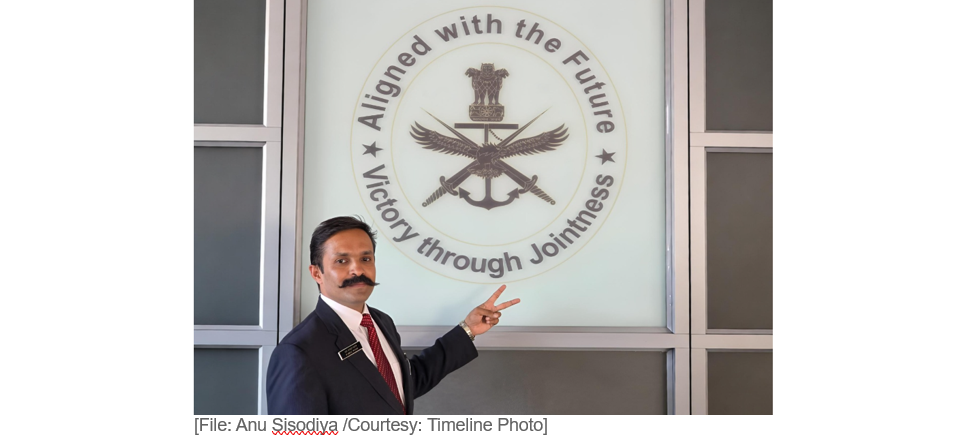
New Delhi, India – As governments, humanitarian organizations, and development institutions continue addressing increasingly complex global challenges, discussions around peace and stability have expanded beyond traditional approaches. Economic resilience, disaster preparedness, institutional capacity, humanitarian cooperation, and sustainable development are increasingly viewed as interconnected elements that contribute to long-term community resilience.
Within this broader policy landscape, Meeran Abdul Wahab has publicly expressed interest in strategic planning, humanitarian preparedness, regional cooperation, and the concept of Economic Development Zones (EDZs) as potential frameworks for supporting sustainable development. According to his publicly shared views, economic opportunity, resilient infrastructure, and community participation can contribute positively to long-term development and recovery.
Integrating Development and Resilience:
According to Meeran Abdul Wahab’s public commentary, economic development and institutional preparedness should be viewed as complementary rather than separate priorities. He has publicly stated that long-term stability is strengthened through employment generation, infrastructure development, education, entrepreneurship, and inclusive economic participation alongside effective governance.
His publicly shared discussions have focused on the relationship between disaster preparedness, humanitarian cooperation, and economic resilience, reflecting an interest in multidisciplinary approaches to sustainable development.
Heritage and Early Influences:
According to his public statements, Meeran Abdul Wahab was raised in Tamil Nadu and traces his family’s ancestral roots to villages in Madurai District. He has described his heritage as belonging to the Rowther community, a Tamil-speaking community with a longstanding historical presence in South India.
Historical literature and community traditions have associated the Rowther title with horsemanship and cavalry service, forming part of the community’s historical identity. Meeran Abdul Wahab has stated that his family’s agricultural background and village traditions influenced his appreciation for discipline, preparedness, resilience, and community responsibility.
He has also spoken publicly about growing up in an environment that emphasized service to society, which he describes as contributing to his continued interest in humanitarian cooperation, leadership, and community development.
Ancestral Roots of Meeran Abdul Wahab from South India:
Traces family roots across 6 generations back to an agricultural and agrarian-defense foundation rooted deeply in the rural villages of the Madurai District, Tamil Nadu, India.
Professional Foundation, Tactical Lineage, Socio-Cultural & Historical DNA:
Belonging to the Rowther community, a distinct Tamil-speaking lineage whose title historically translates to “horseman” or “trooper.” This title was proudly retained by the community following their historical conversion, reflecting generations of elite martial service as cavalry forces in medieval armies.
Inspired Role Models, Leadership Perspectives & Strategic Doctrines Shaped Meeran Abdul Wahab:
Defence Heritage & First Hero of WAHI (The Meeran Lineage):
Second-generation military asset with foundational tactical DNA inherited from his father, Meeran (26-07-1945 to 07-12-2025)—a highly distinguished combat veteran with 38+ years of active service spanning roles as an Artillery Soldier and within the Military Engineering Services (MES).
Former Deputy Inspector General S.K. Kasim (1937 – 2024) — “TEACHER”:
Disciplined police officer, academic authority, and paternal uncle of Meeran Abdul Wahab (WAHI). Served Tamil Nadu with pride across various departments, historically introducing and spearheading the joint training of Tamil Nadu Police Officers with the Scotland Yard Police Academy in London for the first time in history. Post-service, he served as a distinguished Visiting Faculty member at Madras University, maintaining a profound dedication to instruction, guidance, and mentorship, and consistently preferred the title and honorific designation of “TEACHER”.
Lieutenant General (Retd.) Syed Ata Hasnain:
Prominent Think-Tank Strategist, former Military Secretary, and key leadership figure in India’s National Disaster Management Authority (NDMA). Formulates high-level crisis response models under the strategic influence and paradigm of leading geopolitical and disaster management thinkers.
The Governor of Bihar (2026): Emulating executive state-level leadership models for large-scale administrative mobilization and crisis contingency management.
Major Dr. V. Prakash:
During his graduation days, Major Dr. V. Prakash, a patriotic educator, veteran, and professor, remained an enduring source of inspiration for Meeran Abdul Wahab.
His discipline, patriotism, commitment to education, and dedication to service made him a role model whose influence extended beyond the classroom. For Meeran Abdul Wahab, those formative years were shaped not only by academic learning but also by observing the values of leadership, responsibility, perseverance, and service embodied by Major Dr. V. Prakash.
The lessons and example of his mentor became part of the foundation that inspired him to pursue a life driven by discipline, strategic thinking, nation-building, humanitarian values, and service to society.
“A true mentor does not merely teach a student; he inspires a generation to serve with purpose.”
Lieutenant Colonel Sandeep Soni:
Serving within the Military Engineering Services (MES); a foundational inspiration and prominent role model since childhood and school days.
General Vararose:
Distinguished commander from the Royal Thai Army and alumnus of The Royal Military Academy Sandhurst (UK).
Additional Inspector General of Police / Colonel Susheel Kumar:
Top brass officer who has served the UNPKF globally and contributes as an Indian Military Academy (IMA) Visiting Faculty member.
Brigadier General Dr. Sushil Bdr Rawal:
Trained graduate from the Armed Forces Medical College (AFMC) and veteran of elite Parachute Regiments, actively serving his second innings safeguarding civilian life as a Medical Doctor in a reputed hospital.
Leadership Perspectives:
In interviews and public discussions, Abdul Wahab has acknowledged that his views on leadership and public service have been influenced by several individuals from military, academic, and public service backgrounds.
He has publicly stated that lessons drawn from family members, mentors, and published works on leadership, disaster management, and institutional resilience have shaped his understanding of preparedness, ethical leadership, discipline, and community responsibility.
Collectively, these influences reflect an outlook that emphasizes planning, resilience, collaboration, and service-oriented leadership.
Economic Development and Community Resilience:
A recurring theme in Meeran Abdul Wahab’s public commentary is the relationship between economic resilience, disaster preparedness, humanitarian cooperation, and sustainable development.
Among the concepts he has discussed are Economic Development Zones (EDZs), which he describes as potential mechanisms for encouraging employment, entrepreneurship, infrastructure investment, and local participation in regions seeking long-term economic growth.
According to his publicly expressed views, stronger institutions, economic opportunity, and community engagement can enhance resilience during periods of disruption while supporting sustainable development in volatile zones and war effected risk zones.
Regional Cooperation:
Regional cooperation has also featured prominently within Meeran Abdul Wahab’s public discussions.
His observations have highlighted collaboration among governments, humanitarian organizations, academic institutions, development professionals, civil society organizations, and the private sector as valuable components of addressing challenges that increasingly extend beyond national borders.
His public commentary has included discussions relating to humanitarian preparedness, disaster response, regional cooperation, sustainable development, and knowledge exchange between communities and institutions in Inter-Government Activities.
International Perspective:
Meeran Abdul Wahab’s public commentary has been its international perspective. He has referred to development experiences and policy discussions across various regions of the world, including South Asia, Southeast Asia, Europe, Africa, the Middle East, and North America, emphasizing comparative learning and the exchange of ideas concerning resilience, Security, humanitarian preparedness, infrastructure development, and sustainable growth.
Broader Context:
Across policy, humanitarian, and development communities, resilience is increasingly understood as extending beyond economic growth alone. Governance, institutional preparedness, infrastructure, community participation, and cross-sector collaboration are widely recognized as interconnected components of sustainable development.
Many of the themes discussed in Meeran Abdul Wahab’s public commentary — including preparedness, humanitarian cooperation, regional dialogue, institutional resilience, and inclusive economic development — align with broader international conversations concerning sustainable and resilient societies.
As global discussions surrounding humanitarian preparedness, economic resilience, and regional cooperation continue to evolve, perspectives from individuals representing diverse professional and community backgrounds contribute to ongoing public discourse regarding sustainable development and long-term community resilience.
https://www.facebook.com/meeran.abdul.wahab.wahi
https://www.instagram.com/meeran.abdul.wahab.wahi
https://www.linkedin.com/in/meeranabdulwahabwahi
Editorial Disclaimer: This article was independently reported and reflects the views and information gathered by the author. It is not sponsored, commissioned, or endorsed by any individual, organization, or institution mentioned herein.



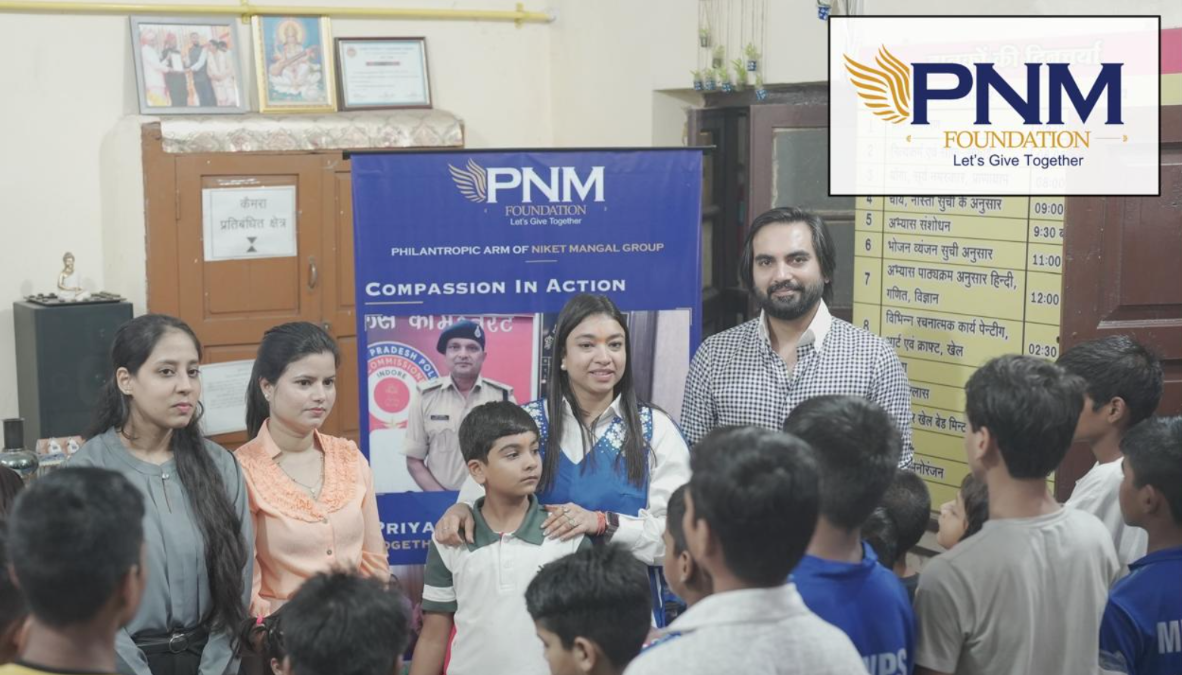
Focus on Child Safety, Education, Awareness and Support for Vulnerable Children
Indore, 19 September 2026:
Continuing its commitment towards community welfare and meaningful social impact, PNM Foundation organised a social welfare initiative at Armaan Orphanage in Indore on 19th September 2026.
PNM Foundation was founded by CA Priya Bindal Mangal and works with a focus on creating positive social change through awareness, education, skill development, community welfare and partnerships with social organisations. Its core philosophy, “Let’s Give Together,” reflects its approach of turning collective participation into meaningful social action.
The Objective: Beyond Distribution, Towards Awareness and Protection
The objective of the initiative was not limited to distributing essential items. The interaction at the orphanage was also aimed at understanding the children, their awareness and their concerns, while creating greater awareness around issues that can affect vulnerable children.
PNM Foundation’s social-welfare focus includes creating awareness around child safety, child abuse, child labour, children who become lost or separated from their families, and children who may be exposed to drugs or substance abuse.
The Foundation also intends to support education and awareness among children, including children from migrant-labour communities, so that they can remain connected with learning and better understand their rights, safety and opportunities.
Clothes, Sweets and Time Spent with the Children
During the visit, CA Priya Bindal Mangal, Niket Mangal and Bhavam Mangal spent time with the children at Armaan Orphanage. Clothes and sweets were distributed among the children, followed by personal interaction with them.
The team engaged with the children to understand their awareness on different topics and to create an open and comfortable environment for conversation.
The visit focused on the belief that social welfare should include not only material support, but also time, attention, education and awareness.
A Continuing Commitment Towards Education
A key aspect of the initiative was the Foundation’s commitment to go beyond a one-day welfare activity.
PNM Foundation has committed to dedicating one hour towards providing educational support to the children. The objective is to make education and learning a continuing part of the Foundation’s engagement rather than restricting the initiative to a single-day visit.
Education and children’s development already form an important part of PNM Foundation’s broader activity portfolio, which includes creative learning, self-defence, educational supplies, tuition support and sponsorship initiatives for children and young learners.
Awareness About Child Abuse, Child Labour and Vulnerable Children
The Foundation intends to use its social initiatives to build greater awareness around the protection of children.
This includes creating awareness about inappropriate or abusive behaviour towards children, the risks associated with child labour, and the challenges faced by children who become lost or separated from their families.
Another important area is the vulnerability of children to drugs and substance abuse. Through education and preventive awareness, PNM Foundation aims to encourage children and communities to recognise risks early and seek appropriate support.
Focus on Children of Migrant Labour Communities
Education will also be an important focus area for children from migrant-labour communities.
Children who move with their families for work can face interruptions in education and limited access to learning opportunities. PNM Foundation’s intended focus is to support awareness and education so that such children can remain connected with learning and receive greater opportunities for development.
Child Safety Awareness and Helpline 1098
During the initiative, PNM Foundation also interacted with officials associated with the Child Welfare Organisation.
The discussion included awareness about the support available to children in situations involving abuse, exploitation, being lost or separated from family, or other forms of vulnerability.
The team was informed that Child Helpline 1098 can be contacted when a child requires help or immediate support.
Sharing such information is an important part of building awareness because children and adults around them need to know where to seek assistance when a child’s safety or wellbeing is at risk.
CA Priya Bindal Mangal’s Social-Welfare Commitment
CA Priya Bindal Mangal has been actively associated with social causes through PNM Foundation, with initiatives covering children and education, women and skills, health and addiction prevention, environmental responsibility and community welfare.
The Foundation’s documented activities include children’s summer camps, creative learning, self-defence and educational support; girls’ empowerment and Tally-skills training; drug-free society and cyber-safety awareness; education assistance; and community outreach.
From a One-Day Visit to Long-Term Social Impact
The visit to Armaan Orphanage reflects PNM Foundation’s broader objective of combining compassion with practical action.
The distribution of clothes and sweets was accompanied by interaction, awareness and a commitment to continued educational support.
Through its ongoing work, PNM Foundation aims to create spaces where children are not only supported with immediate needs but are also encouraged to learn, become aware of their rights and safety, and access opportunities for a better future.
With its message of “Let’s Give Together,” PNM Foundation continues to work towards community welfare through education, awareness, participation and meaningful social action.
Brandpost
Social Activist Dr. Binu Varghese Honoured with National Excellence Award by Maharashtra Governor Jishnu Dev Varma
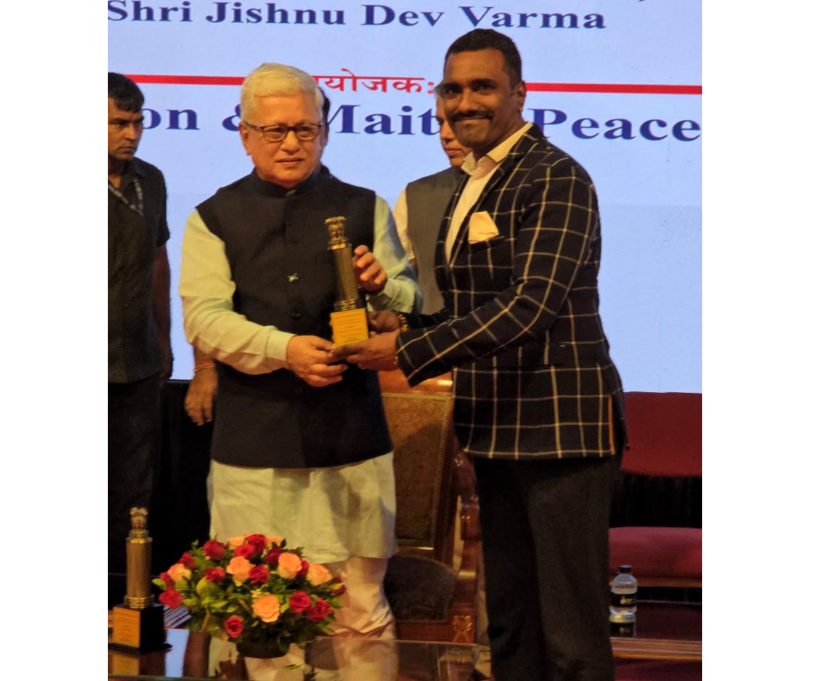
vMumbai, September 17, 2026: A proud and memorable moment unfolded in Mumbai as Social Activist Dr. Binu Varghese was honoured with the prestigious National Excellence Award for Outstanding Social Work in recognition of his dedicated contribution towards society and community welfare.
Maharashtra Governor Jishnu Dev Varma Honours Dr. Binu Varghese The highlight of the occasion was the presentation of the National Excellence Award to Social Activist Dr. Binu Varghese by Hon. Shri Jishnu Dev Varma, Governor of Maharashtra. The award ceremony was organised on September 17 at the Yashwantrao Chavan Centre, Nariman Point, Mumbai, as part of the Maharashtra Lokbhavan Seva Sankalp Abhiyan. The programme was organised by the Maitri Foundation and Varma Foundation and brought together distinguished personalities, social workers, spiritual leaders and other eminent guests.
A Ceremony Dedicated to Service and Social Responsibility The Maharashtra Lokbhavan Seva Sankalp Abhiyan reflected the spirit of service, compassion and social responsibility. One of the significant moments during the programme was the distribution of wheelchairs to persons with disabilities by Maharashtra Governor Shri Jishnu Dev Varma. The initiative highlighted the importance of creating a more inclusive society where dignity, accessibility and support remain central to community development.
A Special Moment for Dr. Binu Varghese For Dr. Binu Varghese, the occasion carried an added personal significance. Along with receiving the National Excellence Award, he had the opportunity to share the stage with the Hon. Governor and other distinguished personalities. He also participated in the ceremonial lamp lighting, marking the beginning of the programme.
Distinguished Personalities Grace the Occasion The award ceremony was attended by several respected personalities from the social, spiritual and public spheres. Among the distinguished guests was Dr. Rajeshwar Das Ji Maharaj, widely known as Acharya Dr. Rajesh Ojha, a prominent Hindu spiritual leader, astrologer and Mahamandleshwar. The event also witnessed the presence of Mumbai social worker Mustafa Yusufali Gom, along with other dignitaries and representatives associated with social service and community initiatives.
Recognition of Dedicated Social Work Receiving a national-level recognition from the hands of the Governor of Maharashtra made the occasion particularly significant for Dr. Binu Varghese. The award represents appreciation for the values of service, dedication and social responsibility that form an important part of his public work. Such recognitions also bring attention to the contribution of social workers who work beyond the spotlight, engaging with communities and supporting initiatives aimed at improving people’s lives.
A Proud Milestone in a Journey of Service The ceremony at Yashwantrao Chavan Centre became more than an award presentation. It served as a gathering celebrating the broader spirit of seva, compassion and commitment to society. Sharing the stage with Maharashtra Governor Shri Jishnu Dev Varma, participating in the ceremonial lamp lighting and receiving the prestigious honour before an audience of distinguished personalities made September 17 a special day for Dr. Binu Varghese.
Mira Road: Dr. Binu Varghese’s Timely Alert Helps Save Four Lives
In another significant instance of social intervention, Social Activist Dr. Binu Varghese’s timely alert helped prevent an alleged family suicide attempt in Mira Road in the early hours of September 15. According to the information shared, the incident involved a husband, wife and their two children near the flyover opposite Fountain Hotel at around 2:00 AM.
Following the alert and immediate instructions from CP Niket Kaushik, Kashigaon Police reportedly responded within minutes and rescued all four members of the family. The swift coordination between the alert and police response ensured that the situation was brought under control before lives were lost.
The Mira Road incident further underlined the importance of timely communication, community vigilance and rapid police action during emergencies. The intervention resulted in four lives being saved and added another notable chapter to Dr. Binu Varghese’s ongoing social work.
A Memorable Honour The National Excellence Award for Outstanding Social Work will remain a memorable chapter in Dr. Binu Varghese’s journey of social service. The recognition serves as encouragement to continue working for society with dedication and commitment. The occasion ultimately celebrated not only an individual achievement, but also the enduring spirit of social service, compassion and community welfare.
Brandpost
Naturesque Kesar Shilajit Brings Traditional Ayurvedic Ingredients Into a Modern Wellness Formula

As consumers become more conscious about what goes into their daily supplements, traditional Ayurvedic ingredients are finding renewed relevance in modern wellness routines. Among them, Shilajit has gained significant attention for its long history of use in Ayurveda. Naturesque is building on this tradition with its Kesar Shilajit, a resin-based formulation combining purified Himalayan Shilajit with saffron and selected botanical ingredients.
Designed primarily for men seeking natural support for their everyday wellness, the product reflects Naturesque’s broader philosophy of bringing together traditional Ayurvedic knowledge, carefully selected ingredients and modern processing methods.
A Resin-Based Ayurvedic Formulation
Unlike powdered or capsule-based supplements, Naturesque Kesar Shilajit is presented in its traditional resin form. According to the brand, the Shilajit is sourced from Himalayan rock formations and processed using filtration and controlled heating techniques intended to remove impurities while preserving the resin’s natural mineral composition.
The purified Shilajit is then blended with Kesar, or saffron, along with Giloy, Punarnava and Triphala. Each of these ingredients holds an established place in traditional Indian wellness practices.
The resulting formulation is a dark, concentrated paste that can be mixed with lukewarm water or milk, making it convenient to include in a regular wellness routine.
The Ingredients Behind the Formulation
Shilajit forms the foundation of the product. It is a naturally occurring mineral-rich substance traditionally collected from mountainous rock formations. Its use has been documented in Ayurvedic practices for generations, particularly in preparations associated with vitality and general well-being.
Kesar gives the formulation its distinctive identity. Saffron is valued not only for its colour and aroma but also for its long-standing use in traditional food and wellness preparations.
The formulation also includes:
- Giloy: A climbing shrub whose stems are widely used in traditional Ayurvedic preparations.
- Punarnava: A botanical ingredient recognised in Ayurveda and included in a variety of traditional herbal blends.
- Triphala: A classical combination of three fruits—Amla, Bibhitaki and Haritaki—commonly used as the foundation of holistic Ayurvedic formulations.
By bringing these ingredients together, Naturesque has created a saffron-infused Shilajit blend rather than offering a single-ingredient resin.
Traditional Roots Supported by Modern Processing
One of the most important considerations when choosing a Shilajit product is purification. Raw Shilajit can contain unwanted substances, which makes proper sourcing and processing essential.
Naturesque states that its Kesar Shilajit undergoes modern filtration and slow-heating procedures. The process is intended to remove impurities while maintaining the natural character of the resin. It also gives the finished product a smooth, easy-to-measure consistency.
According to the company, the product is manufactured in ISO- and GMP-certified facilities. It is described as plant-based, gluten-free and free from artificial additives. It is also presented as a Make in India product.
These factors reflect the brand’s attempt to make a traditional ingredient more accessible to present-day consumers who value transparent formulations and quality-controlled manufacturing.
Created for Everyday Wellness
Naturesque positions Kesar Shilajit as a traditional botanical supplement for men’s general wellness. Its concentrated resin format allows consumers to measure a small serving rather than swallowing multiple tablets or capsules.
The brand recommends dissolving a pea-sized quantity in lukewarm milk or water. Consumers should nevertheless follow the exact serving instructions printed on the product label and avoid exceeding the recommended quantity.
Consistency, lifestyle and individual health conditions can all influence a person’s experience with an Ayurvedic supplement. The product should therefore be viewed as an addition to a balanced routine—not as a replacement for nutritious food, adequate rest, exercise or professional medical care.
A Contemporary Presentation of an Ayurvedic Ingredient
The growing interest in Shilajit reflects a wider shift towards traditional ingredients presented in convenient, quality-conscious formats. Naturesque Kesar Shilajit responds to this demand through a resin formulation that combines purified Himalayan Shilajit, saffron and familiar Ayurvedic botanicals.
Its emphasis on traditional ingredients, modern purification and an easy-to-use format makes it a notable addition to Naturesque’s wellness range. At the same time, consumers should maintain realistic expectations: herbal supplements can support a broader wellness routine, but individual experiences may differ.
People taking prescription medicines or managing an existing medical condition should consult a qualified healthcare professional before using Shilajit or combining it with other supplements. Naturesque Kesar Shilajit is a traditional wellness supplement and is not intended to diagnose, treat, prevent or cure any disease.
More information about its formulation and usage is available on the official Naturesque Kesar Shilajit page.


PNM Foundation Conducts Social Welfare Initiative at Armaan Orphanage in Indore

Fitnext Sports Infra Honoured at Nagpur Startup Meet: Premium Sports Flooring Solutions for Societies and Commercial Projects

Defending champions India eye Asian Games final against Bangladesh

Redfox Overseas: Customize Your Own Energy Drink and Stand Out in the Market

Zamzam Company CEO Chhote Bhai-Bade Bhai gave a grand welcome to Indian writer Devhari Sirvi in Dubai

Shikha Sharma: The Fashion Journalist, Blogger, and Plus-Size Model Taking the Industry by Storm
-
 Brandpost2 years ago
Redfox Overseas: Customize Your Own Energy Drink and Stand Out in the Market
-
 Brandpost2 years ago
Zamzam Company CEO Chhote Bhai-Bade Bhai gave a grand welcome to Indian writer Devhari Sirvi in Dubai
-
 Fashion2 years ago
Shikha Sharma: The Fashion Journalist, Blogger, and Plus-Size Model Taking the Industry by Storm
-
Entertainment1 year ago
Lucky Roxx’s “Yadav Ki Pukar” Goes Viral! Youth Celebrate Unity & Power
-

 Entertainment9 years ago
New Season 8 Walking Dead trailer flashes forward in time
-
Entertainment9 years ago
Meet Superman’s grandfather in new trailer for Krypton
-
Uncategorized2 years ago
Hello world!
-

 Brandpost2 years ago
From Local Hero to National Icon: Satyam Yadav’s Journey with TwentyOne