
Law
Right to protest explained: What Articles 19(1)(a) and 19(1)(b) say
The Delhi High Court agreed on October 8 to hear on Friday the Indian Youth Congress’s plea against Delhi Police’s refusal to allow a protest at Jantar Mantar against Chief Election Commissioner Gyanesh Kumar.

Article 19(1)(a) protects freedom of speech and expression.
Article 19(1)(b) protects the right to assemble peacefully and without arms.
Article 14 guarantees equality before the law.
The Youth Congress cites all three in its plea against Delhi Police.
The Delhi High Court will hear it on Friday.
The court said the plea would be listed within 24 hours, and that counsel can mention it again the next day if it is not listed.
The hearing is expected on Friday, October 9, 2026.
The petitioner is the Indian Youth Congress, through its national president Uday Bhanu Chib.
The plea was filed by advocate Roopesh Singh Bhadauria.
The Indian Youth Congress applied to Delhi Police on September 25 for a peaceful gathering of about 100 to 150 people.
It said it would accept lawful conditions on security, traffic management, discipline and public order.
Delhi Police communicated its rejection on October 1, the very day the demonstration was scheduled, according to Bar and Bench.
The plea argues that the refusal came too late despite repeated follow-ups with the police.
It argues that the police cannot turn a power to regulate a peaceful assembly into a power to prohibit it without an individualised and proportionate assessment.
It challenges what it calls a mechanical application of protest guidelines.
The plea invokes Articles 14, 19(1)(a) and 19(1)(b) of the Constitution, which cover equality, freedom of speech and the right to assemble peacefully.
The plea also relies on Supreme Court rulings that recognise the right to peaceful assembly.
Separately, a petitioner has asked the Supreme Court to examine the appointments of the Chief Election Commissioner and Election Commissioners Sukhbir Singh Sandhu and Vivek Joshi, according to India Legal.
The reports available on October 8 did not include a response from Delhi Police to the plea.
On October 6, INDIA bloc MPs marched towards the Election Commission demanding the Chief Election Commissioner’s resignation.
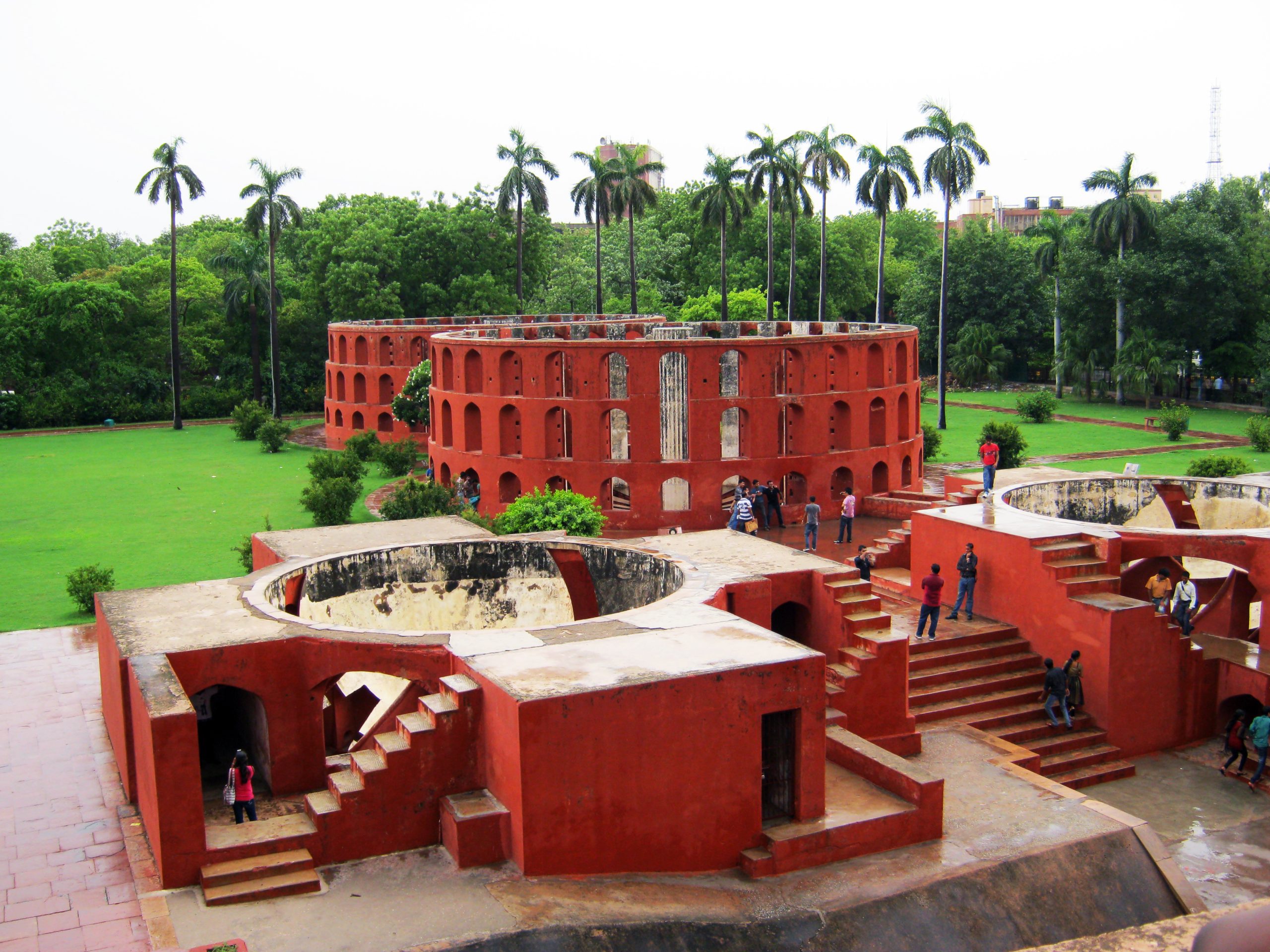
Jantar Mantar, New Delhi (file image), Wikimedia Commons, CC BY-SA 3.0

Law
CJP protest violence probe explained: What is known and what is not
Delhi Police’s Crime Branch has begun a probe into the violence at the July 20 Cockroach Janta Party march to Parliament, examining whether it was premeditated and using facial recognition to identify 2,873 suspects with criminal backgrounds, according to police sources.
Known: the Crime Branch has registered a case and begun a probe.
Known: police identified 2,873 suspects with criminal backgrounds, according to police sources.
Known: 17 FIRs against students and protesters were cancelled on Supreme Court directions.
Not known: whether the violence was premeditated.
Not known: how many suspects were involved in specific acts.
Police are also checking whether WhatsApp or Telegram groups were used to mobilise people, according to The Week.
The alleged offences include assaults on police personnel, vandalism and damage to public property, including police vehicles.
They also include obstructing government employees and snatching police equipment such as jackets and helmets.
Police used facial recognition data to identify 2,873 suspects with criminal backgrounds, according to the police sources quoted.
The reports do not say how many of those suspects were involved in specific acts, and they do not say how many have been arrested or charged.
A criminal background does not by itself show that a person took part in the violence, and individual roles are still being examined.
Investigators have reviewed more than 250 videos, including mobile phone recordings, CCTV, drone visuals and police body-worn camera footage, according to The Week.
The July 20 Sansad Chalo march demanded the resignation of the then Education Minister Dharmendra Pradhan over the NEET-UG paper leak.
Security was tightened at Parliament and several entry gates were closed on the day, according to The Daily Jagran.
The Daily Jagran reported that videos showed assaults on women protesters and stone-pelting by protesters.
It also reported that police used lathi charges, water cannons and pellet guns, which caused widespread uproar.
The Supreme Court ordered that no coercive action be taken against student protesters over the FIRs, according to The Week.
It also ordered the immediate release of detained minors with no prior criminal record.
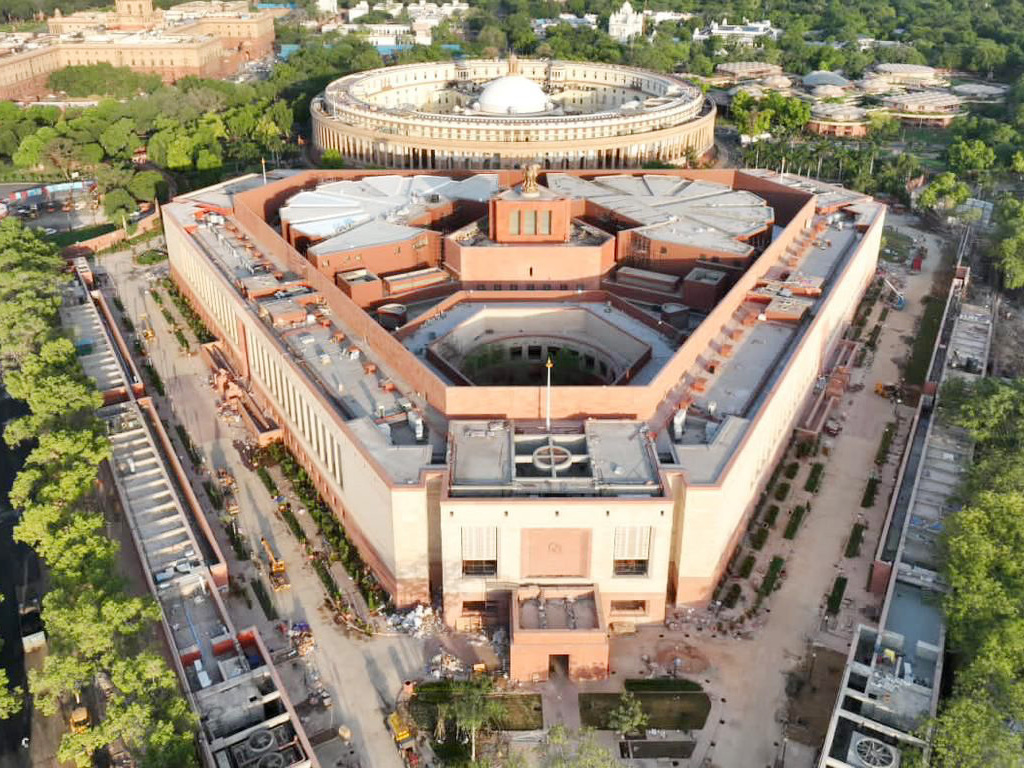
Parliament building, New Delhi (file image), Wikimedia Commons, GODL-India
Law
Legislative privilege vs free speech explained: Why the case ended without an answer
A seven-judge Supreme Court bench closed the two-decade-old N. Ravi reference on legislative privilege and free speech as infructuous on October 6, because the Tamil Nadu Assembly had withdrawn its 2003 resolution, while keeping the constitutional questions open.
The case began in 2003 over journalists’ articles about the Tamil Nadu Assembly.
The Assembly withdrew its resolution in 2004, which left no live dispute.
The bench held that the cause of action no longer survived.
The big question, whether fundamental rights override legislative privileges, remains open.
It can be decided in a future case.
The Privileges Committee found a possible breach, and the Assembly passed a resolution on November 7, 2003.
The then Speaker, K. Kalimuthu, ordered the journalists’ arrest, and the Supreme Court stayed the arrest of six journalists, according to ThePrint.
A bench of Justices Y.K. Sabharwal and S.B. Sinha stayed the arrests on November 10, 2003, according to LiveLaw.
In December 2003, the court framed substantial questions of law and referred the matter to a five-judge bench.
That bench noted a conflict between earlier rulings on legislative privileges and referred the matter to seven judges.
The reference then remained pending for about two decades, and the court fixed the hearing for October 6 in August 2026.
The Tamil Nadu Assembly had unanimously withdrawn its November 7, 2003 resolution in 2004, according to ThePrint.
Senior Advocate Raju Ramachandran told the court about the withdrawal, and the bench noted that the reference order had not taken notice of it.
Because the resolution stood recalled, the court held that there was no surviving cause of action.
The writ petitions were disposed of as infructuous.
The bench kept the legal questions open to be pursued in future in appropriate proceedings.
The open questions concern the interplay between Articles 194(3), 19(1)(a) and 21 of the Constitution.
Article 194(3) deals with the powers and privileges of State legislatures, Article 19(1)(a) with freedom of speech and Article 21 with the right to life and personal liberty.
The court has not held that legislative privilege overrides fundamental rights or the reverse, according to ThePrint.
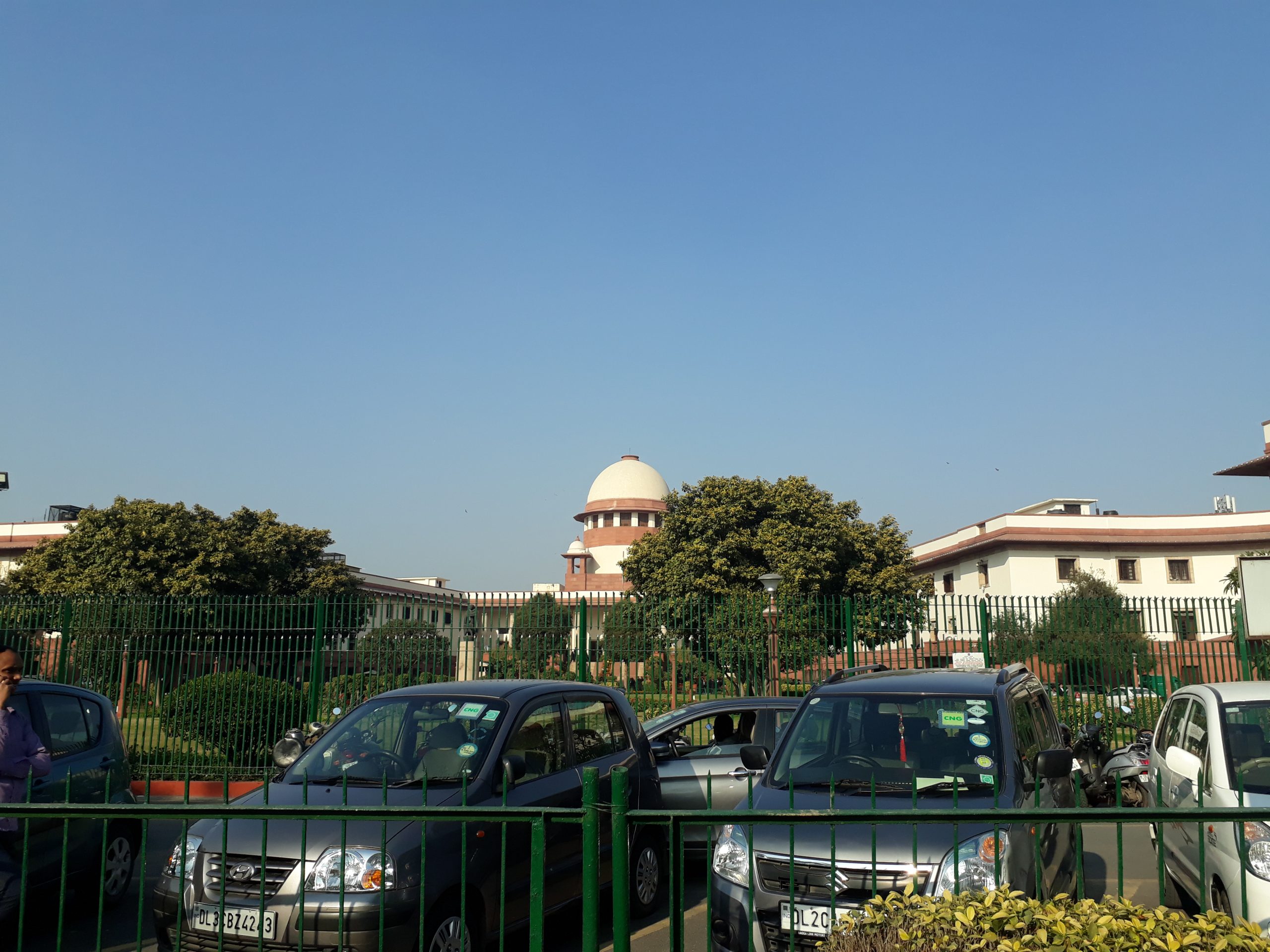
Supreme Court of India (file image), Wikimedia Commons, CC BY-SA 4.0
Law
CBI false statement case explained: Timeline from 2016
The Delhi High Court has directed criminal complaint proceedings against six CBI officers after finding that the agency’s 2016 reply to a trial court contained a materially false assertion, while clarifying that its order is not a finding of guilt.
January 2016: the High Court held the sanction for prosecution invalid, and the officer was discharged.
June 2016: the Law Ministry gave an opinion that there was no reasonable ground to pursue the matter.
July 1, 2016: the opinion was communicated to the CBI through the DoPT.
August 2, 2016: the CBI told the trial court that correspondence was under way.
October 6, 2026: the High Court directed complaint proceedings against six officers.
The case arose from CBI proceedings against a former Indian Revenue Service officer in a disproportionate assets case.
In January 2016, the High Court held the sanction for the officer’s prosecution invalid, and the officer was discharged.
In June 2016, the Ministry of Law and Justice gave an opinion that there appeared to be no reasonable ground to pursue the matter before a higher forum.
The opinion was communicated to the CBI through the Department of Personnel and Training on July 1, 2016.
The court examined successive drafts of the CBI’s reply.
An earlier draft said that the Department of Personnel and Training had rejected the appeal proposal, and that text was deleted and replaced with handwritten words saying correspondence was under way.
The court said this was not mere imprecise wording, and that there was a reasonable foundation for the allegations, according to Bar and Bench.
The court said there was a reasonable foundation for offences under Sections 191, 193 and 209 of the Indian Penal Code.
Section 191 deals with giving false evidence, Section 193 with punishment for false evidence, and Section 209 with a dishonest false claim in court.
The Special Judge, CBI, has been directed to file a written complaint against the six officers with the jurisdictional Magistrate within four weeks.
The six officers include the then inspector of the case, and this report does not name them because the court has not found them guilty.
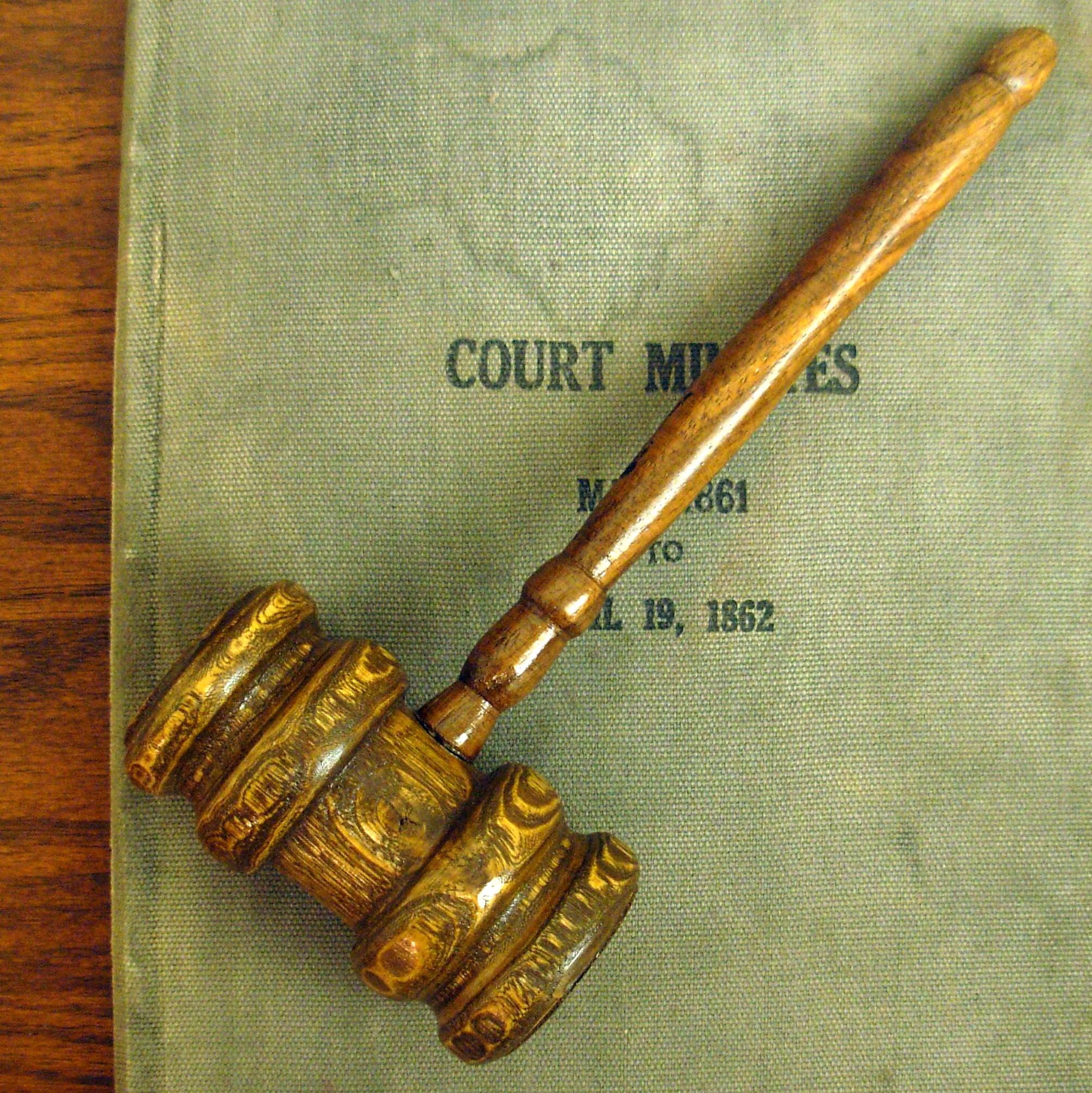
Court gavel (representative image), Wikimedia Commons, CC BY-SA 4.0


CJP protest violence probe explained: What is known and what is not

SIR in Maharashtra explained: Deadline, camps and online options

Crude above $100 again: What it means for India

Redfox Overseas: Customize Your Own Energy Drink and Stand Out in the Market

Zamzam Company CEO Chhote Bhai-Bade Bhai gave a grand welcome to Indian writer Devhari Sirvi in Dubai

Shikha Sharma: The Fashion Journalist, Blogger, and Plus-Size Model Taking the Industry by Storm
-
 Brandpost2 years ago
Redfox Overseas: Customize Your Own Energy Drink and Stand Out in the Market
-
 Brandpost2 years ago
Zamzam Company CEO Chhote Bhai-Bade Bhai gave a grand welcome to Indian writer Devhari Sirvi in Dubai
-
 Fashion2 years ago
Shikha Sharma: The Fashion Journalist, Blogger, and Plus-Size Model Taking the Industry by Storm
-
Entertainment2 years ago
Lucky Roxx’s “Yadav Ki Pukar” Goes Viral! Youth Celebrate Unity & Power
-

 Entertainment9 years ago
New Season 8 Walking Dead trailer flashes forward in time
-
Entertainment9 years ago
Meet Superman’s grandfather in new trailer for Krypton
-
Uncategorized2 years ago
Hello world!
-
 Brandpost2 years ago
From Local Hero to National Icon: Satyam Yadav’s Journey with TwentyOne