
Local News
Bengaluru power cut today: BESCOM plans 6-hour shutdown
BESCOM has planned a 6-hour power shutdown in parts of Bengaluru today for maintenance under the Kattigenahalli substation.

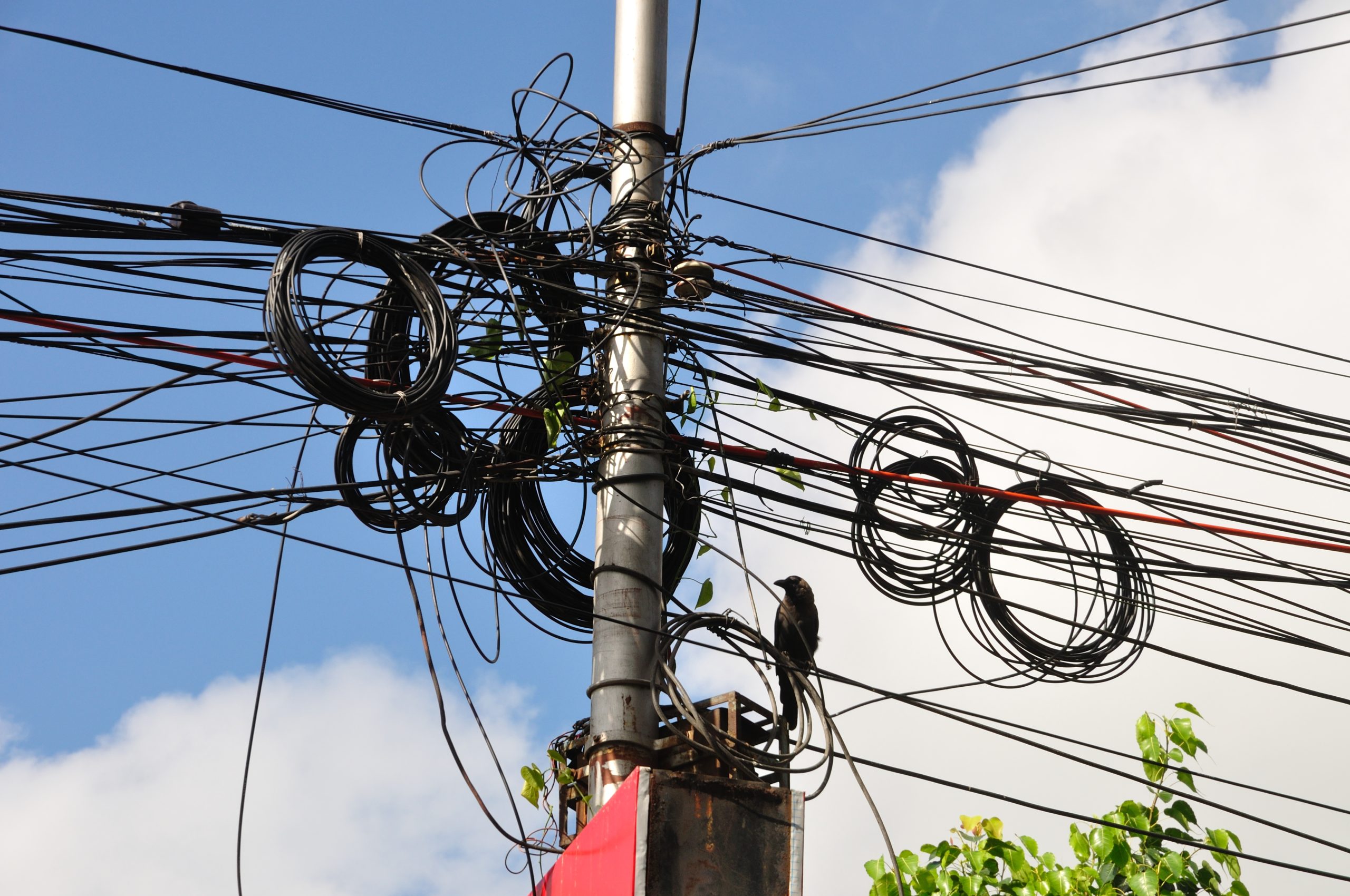
BESCOM has planned a six-hour power shutdown in parts of Bengaluru on Wednesday, from 11 am to 5 pm, for maintenance work under the Kattigenahalli substation.
Areas set to be affected include Uttar Gate 1, 2 and 3, the Embassy Office and Philips Company premises, Dwaraka Nagar, Baba Nagar, Kattigenahalli, Bagalur Cross, Bagalur Main Road, Manipal College and Vinayaka Nagar and nearby localities.
The power utility said the shutdown is necessary for urgent infrastructure maintenance and substation repairs, including replacing old wiring and clearing tree branches near power lines.
BESCOM added that the outage would also allow for transformer inspections meant to reduce outage risk as monsoon rains intensify.
Residents have been asked to fully charge their electronic devices before 11 am and to keep emergency lighting ready for the shutdown period.
The utility also advised against using lifts or heavy motors during the outage, noting that power would be restored through staggered switching after 5 pm to prevent surges.
The maintenance work is being carried out along with the Karnataka Power Transmission Corporation Limited, which frequently coordinates joint outage schedules with BESCOM.
Restoration updates can be tracked through the BESCOM Mithra app or by calling the utility’s 1912 helpline.
BESCOM’s coverage spans eight Karnataka districts, including Bangalore Urban and Bangalore Rural, across more than 41,000 square kilometres and a population of over 2 crore.
The utility’s operations are divided into nine circles, 32 divisions and 147 sub-divisions across four zones, the structure through which today’s Kattigenahalli maintenance has been scheduled.
BESCOM has said such scheduled shutdowns, though inconvenient in the short term, are aimed at reducing the risk of unplanned outages once the monsoon season brings heavier rain and wind to the city.
Karnataka Power Transmission Corporation Limited is coordinating the maintenance work alongside BESCOM, reflecting how transmission and distribution utilities in the state often plan joint outage windows to minimise repeat disruptions.
(Image: Photo by Biswarup Ganguly, Wikimedia Commons, CC BY 3.0)




Local News
Chennai residents protest civic delays in Kodungaiyur, flag flood risk in Velachery
Residents in Chennai’s Kodungaiyur protested delays in road and sewer projects this week, while Velachery residents raised alarm over a malfunctioning canal causing flood risk.
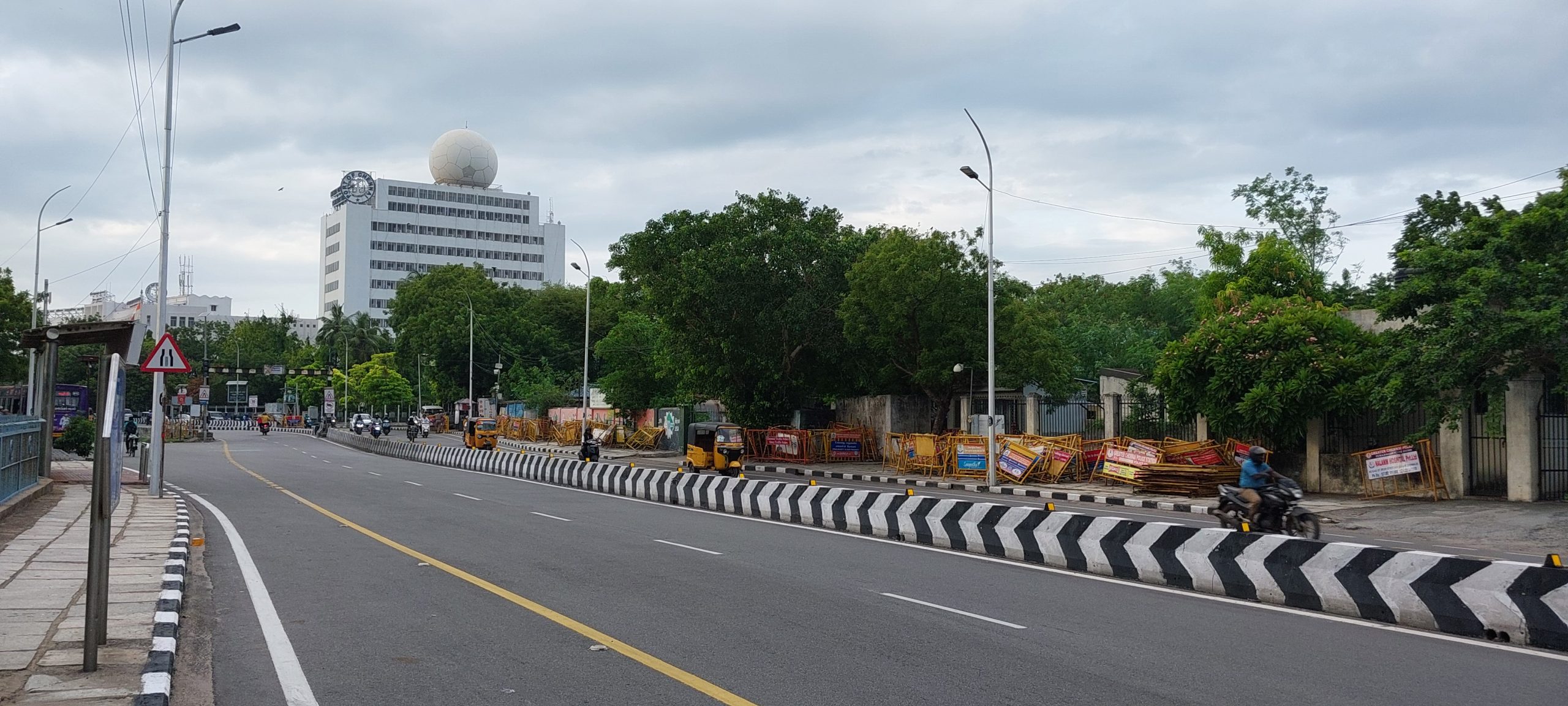
Residents in Chennai’s Kodungaiyur locality protested this week at the Perambur MLA’s office, demanding the timely completion of crucial civic infrastructure projects including roads, streetlights and a sewer network.
Locals said the delays in these basic infrastructure projects have persisted for an extended period, causing ongoing inconvenience to daily commuters and residents in the area.
In Velachery, residents separately raised concerns about flood risk stemming from a malfunctioning closed canal that has been causing water to flow backward into the neighbourhood during heavy rain.
Residents said the faulty canal infrastructure poses a significant safety threat, particularly given Chennai’s history of severe flooding during intense monsoon spells in recent years.
Both cases highlight a broader pattern of delayed civic development and infrastructure maintenance affecting several Chennai neighbourhoods.
Kodungaiyur residents said they have raised the same infrastructure concerns with local representatives on multiple previous occasions without seeing the promised work completed.
The Velachery canal issue reflects a broader concern shared by several Chennai neighbourhoods, where ageing stormwater drainage infrastructure has struggled to keep pace with the city’s urban growth.
No official timeline has yet been announced for either the Kodungaiyur infrastructure projects or repairs to the malfunctioning canal in Velachery.
Kodungaiyur falls under the Perambur assembly constituency in North Chennai, which is where the residents took their protest and demands for infrastructure completion this week.
Velachery, in South Chennai, is a rapidly developed residential and commercial hub, where the ageing closed canal system predates much of the area’s more recent growth in population and construction.
Chennai’s civic administration is managed by Greater Chennai Corporation, which oversees infrastructure works, drainage maintenance and road development across the city’s various zones, including both Kodungaiyur and Velachery.
Roads, streetlights and sewer networks of the kind residents in Kodungaiyur are demanding are typically funded through a mix of municipal budgets and state government infrastructure allocations, which can lead to delays when approvals span multiple departments.
Photo by Pinakpani, Wikimedia Commons, CC BY 4.0
Local News
Mumbai to see light rain, cloudy skies today: BMC issues tide advisory
Mumbai and its suburbs are expected to see partly cloudy skies with light rain today, as the BMC issues its tide timings and advises caution during high-tide hours.
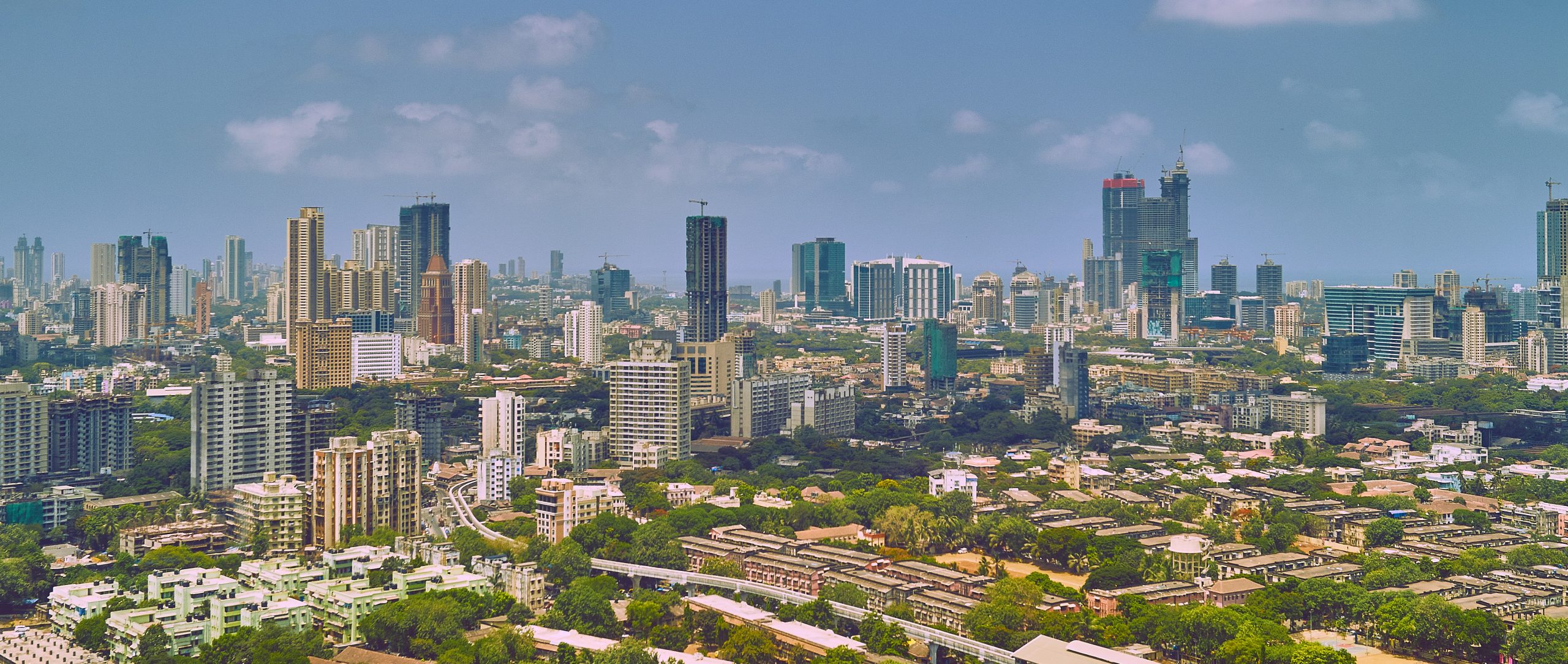
Mumbai and its suburbs are likely to witness partly cloudy skies with occasional light rain on Saturday, August 22, according to the city’s weather outlook.
The Brihanmumbai Municipal Corporation has issued its tide report for the day, listing a low tide at 2:55 pm, with the sea expected to recede to a height of 2.61 metres.
This will be followed by a high tide at 7:03 pm, when sea levels are expected to reach 2.71 metres, according to the BMC’s advisory.
Mumbai residents have been advised to remain alert to changing weather conditions and local civic advisories, particularly while travelling during periods of rainfall.
The civic body’s tide advisories are issued daily during the monsoon season to help residents in low-lying and coastal areas plan around potential waterlogging risks.
Commuters have been urged to keep track of BMC updates through the day, especially around the high-tide window in the evening, when localised flooding risk is typically highest.
The civic body has also continued its routine desilting and drainage maintenance work at known waterlogging hotspots across the city ahead of the peak monsoon weeks, part of an annual pre-monsoon and mid-monsoon upkeep cycle.
Residents in low-lying suburbs such as Hindmata, Sion and parts of the Western Express Highway corridor, which have historically been prone to waterlogging during high-intensity rain spells, have been asked to exercise particular caution.
The India Meteorological Department’s regional office in Mumbai has said conditions are expected to remain largely similar over the next 24 hours, with no immediate escalation to a higher alert level anticipated for the city.
The BMC’s daily tide bulletins are published each morning during the monsoon and are widely followed by fishing communities, coastal residents and civic authorities planning drainage pump operations around the city’s low-lying stretches.
Local weather observers said the current spell of light rain is unlikely to significantly disrupt daily commutes, though residents have still been asked to carry rain gear given the forecast’s mention of isolated moderate showers.
Photo by Vidur Malhotra, Wikimedia Commons, Public Domain
Local News
North Delhi shaken by magnitude 2.9 earthquake in early hours
A magnitude 2.9 earthquake struck Delhi’s North district at 4:14 am on Sunday, with no reports of damage or casualties.

North Delhi was shaken by a magnitude 2.9 earthquake in the early hours of Sunday, August 2, 2026, according to the National Center for Seismology.
The quake occurred at 4:14 am IST, with its epicenter recorded at 28.721 degrees North and 76.957 degrees East, at a depth of 8 kilometres.
Some residents reported feeling the tremors and stepped out of their homes briefly, though no injuries or damage to property have been reported so far.
The National Center for Seismology confirmed the earthquake’s magnitude, time, depth and epicenter through its official monitoring systems.
The National Capital Region lies in Seismic Zone-4, a classification reflecting its exposure to periodic mild earthquakes caused by active fault lines.
No official advisory was issued following the tremor, in keeping with standard practice for low-magnitude quakes that cause no structural damage.
Delhi has recorded several similar minor tremors in recent years, most of them below magnitude 4, with seismologists attributing the frequency to the Delhi-Haridwar ridge and other fault systems running beneath the National Capital Region.
The National Center for Seismology operates a nationwide network of seismographic stations that continuously monitor ground movement, allowing it to detect and report even minor tremors like Sunday’s within minutes of occurrence.
The National Center for Seismology confirmed the tremor’s parameters shortly after it occurred, as it does for all seismic events detected across the country’s monitoring network.
Delhi and the wider National Capital Region fall within Seismic Zone-4 on India’s seismic hazard map, a classification that denotes high vulnerability to earthquakes due to active fault lines running beneath the region.
Experts have repeatedly noted that Delhi-NCR experiences periodic mild tremors because of this fault activity, though most such events, including Sunday’s, are too weak to cause structural damage.
Authorities did not issue any advisory or alert following the tremor, consistent with standard practice for earthquakes below magnitude 4 that cause no reported damage.
Photo by Frederick Noronha, Wikimedia Commons, CC BY-SA 4.0


Explained: What is a flight diversion, and why did IndiGo divert to Hyderabad?

Explained: What is Section 163 of the BNSS, imposed in Manipur’s Kamjong?

What is a designated protest site? Explaining the Jantar Mantar decision

Redfox Overseas: Customize Your Own Energy Drink and Stand Out in the Market

Zamzam Company CEO Chhote Bhai-Bade Bhai gave a grand welcome to Indian writer Devhari Sirvi in Dubai

Shikha Sharma: The Fashion Journalist, Blogger, and Plus-Size Model Taking the Industry by Storm
-
 Brandpost2 years ago
Redfox Overseas: Customize Your Own Energy Drink and Stand Out in the Market
-
 Brandpost2 years ago
Zamzam Company CEO Chhote Bhai-Bade Bhai gave a grand welcome to Indian writer Devhari Sirvi in Dubai
-
 Fashion2 years ago
Shikha Sharma: The Fashion Journalist, Blogger, and Plus-Size Model Taking the Industry by Storm
-
Entertainment2 years ago
Lucky Roxx’s “Yadav Ki Pukar” Goes Viral! Youth Celebrate Unity & Power
-

 Entertainment9 years ago
New Season 8 Walking Dead trailer flashes forward in time
-
Entertainment9 years ago
Meet Superman’s grandfather in new trailer for Krypton
-
Uncategorized2 years ago
Hello world!
-

 Brandpost2 years ago
From Local Hero to National Icon: Satyam Yadav’s Journey with TwentyOne